
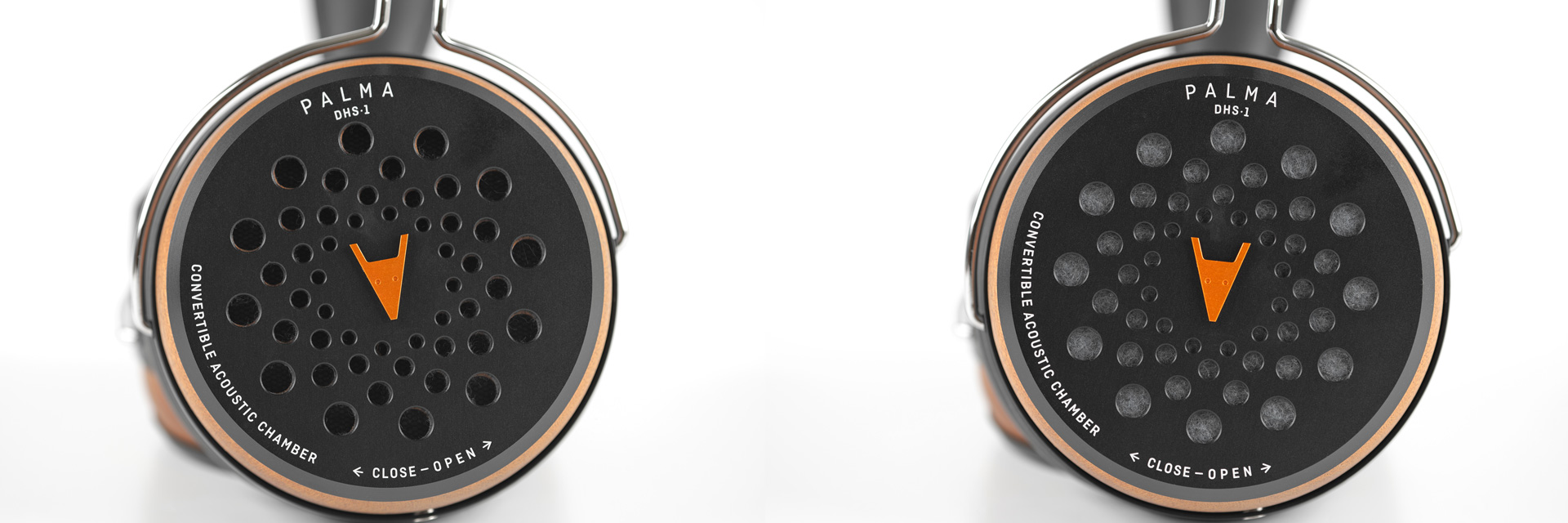
Anyone who thinks everything has already been said about “dynamic headphones” has not yet encountered the Palma DHS-1. This dynamic design from beautiful Mallorca represents a revolution in the construction of dynamic headphones.
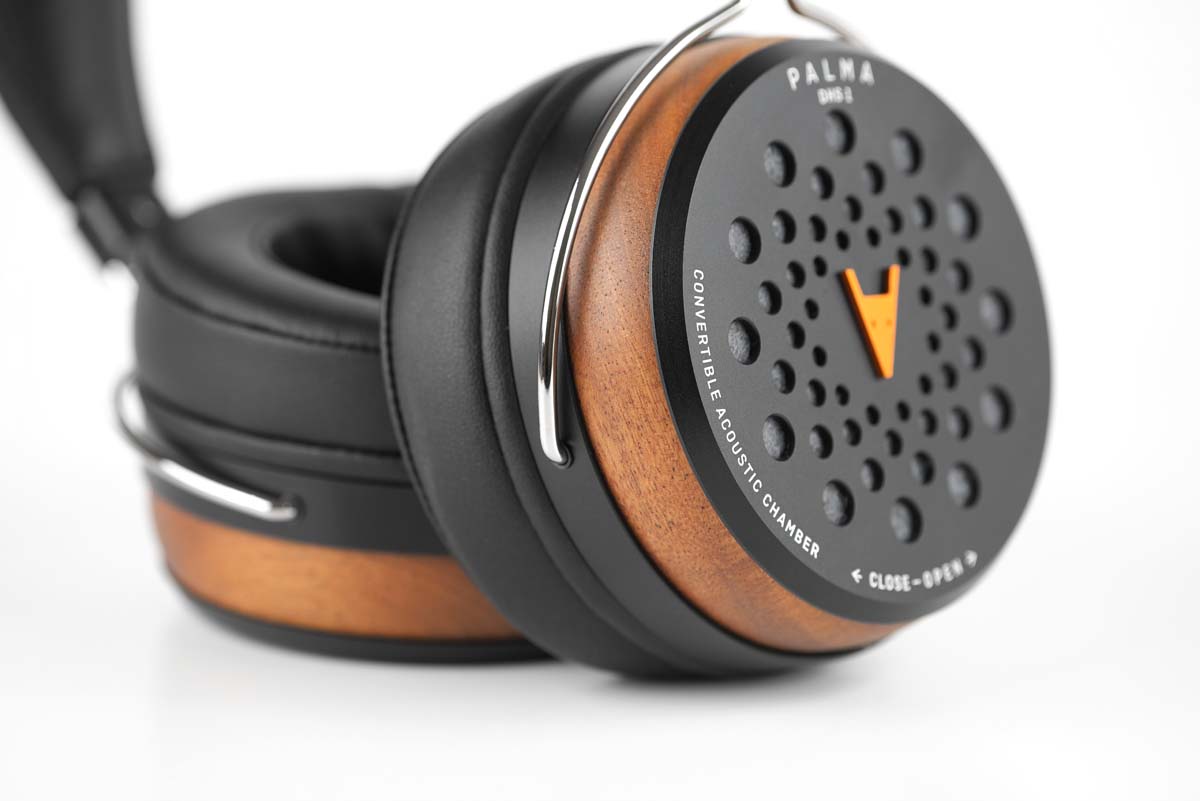
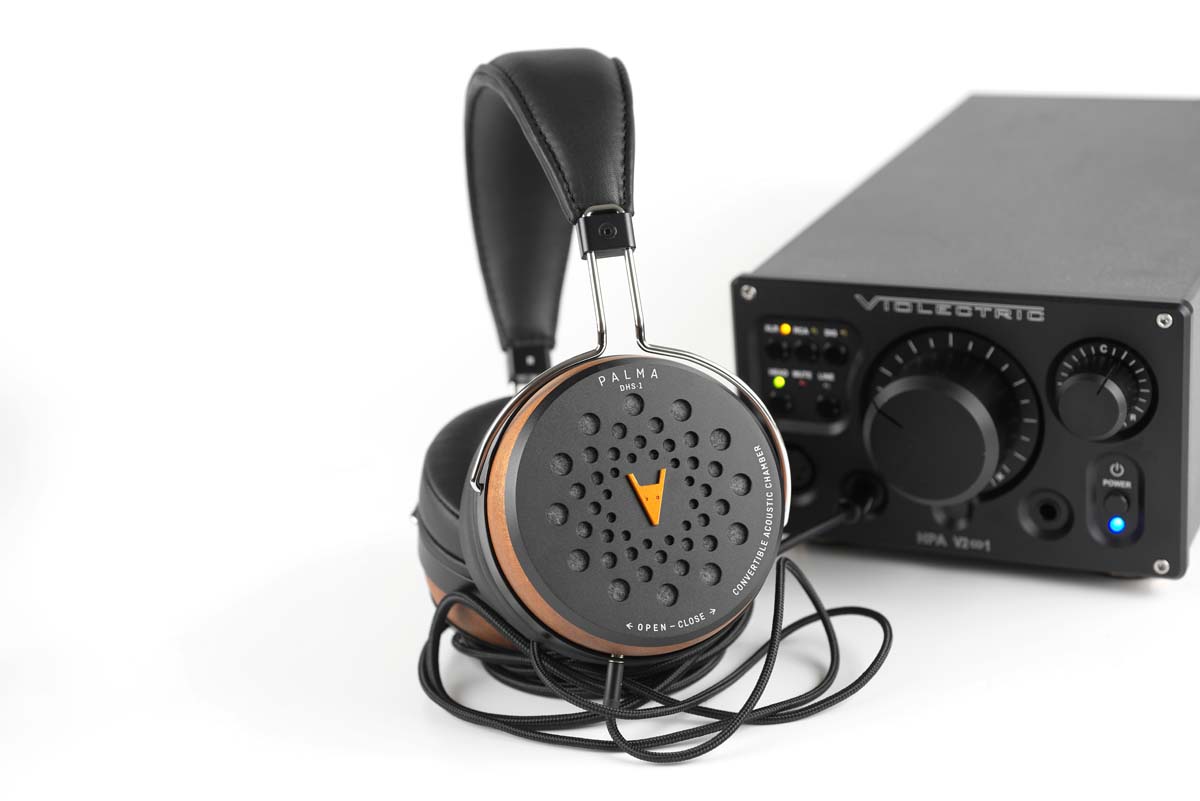
If you have never heard of the very young company Tejada House, based in Palma de Mallorca, you are like the majority of us in our wonderful high-end audio world. After all, founders and childhood friends Mario and Pascal only just debuted their first creation at the last HIGH END show. The Palma DHS-1 is a dynamically designed headphone developed in Palma and handcrafted in Barcelona. Offered at the established price of just under 2,200 euros, this Mallorcan-Catalan headphone is aimed at all lovers of fine sound for whom listening experiences are both precious and priceless. The special feature of the Palma DHS-1: it offers both open and closed operating modes. Switching between them requires nothing more than a twist of the earcup covers. So simple for the user, yet so complex for the developers – as we will soon see.
A Passion Project Between Two Friends
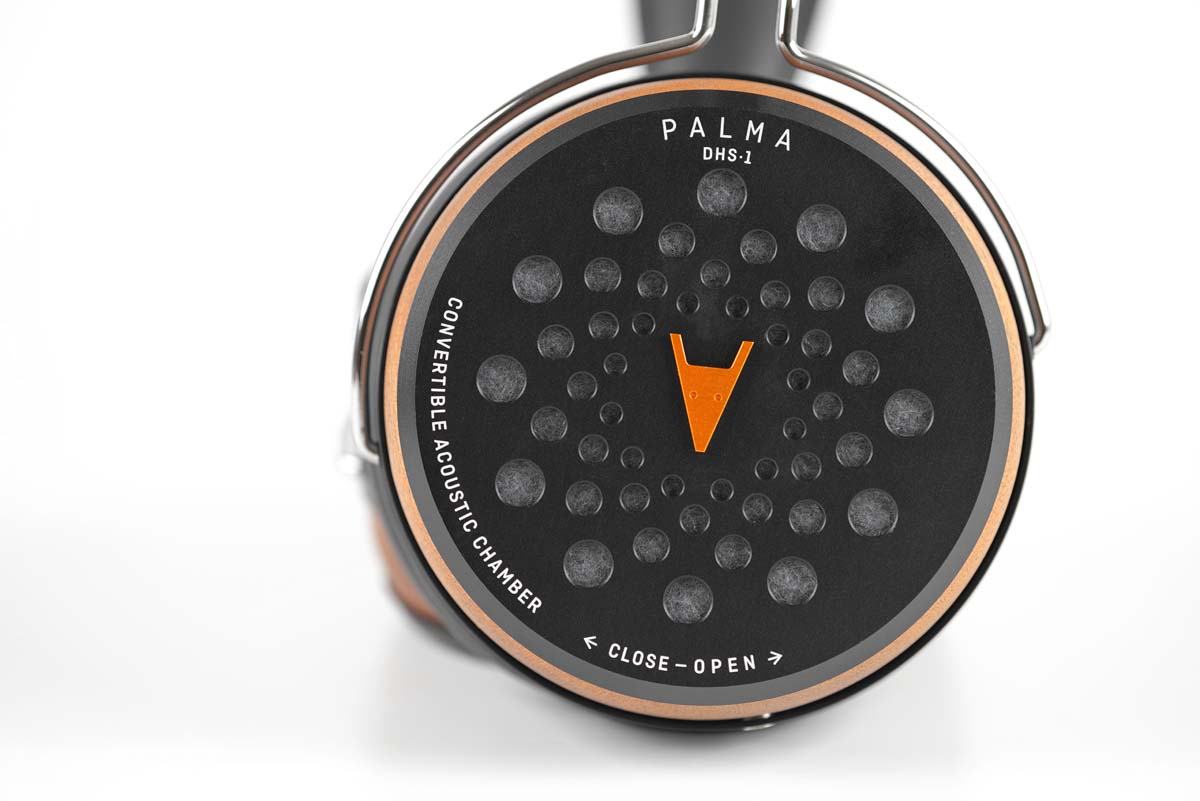
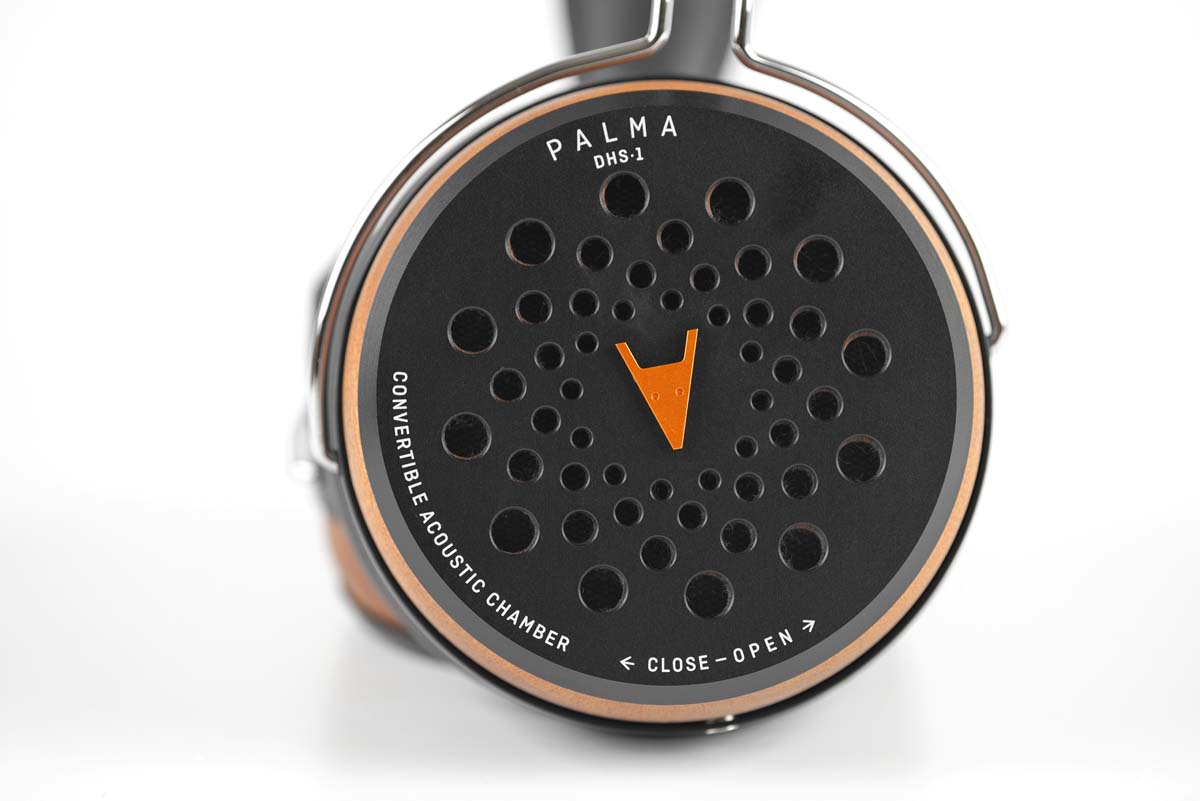
With the DHS-1, Mario and Pascal realized a passion project. Mario, a lifelong headphone fan, was tired of constantly having to switch between open and closed systems. Why not develop headphones that make both designs available at the flick of a switch – without changing the sound signature, which is crucial? In fact, rotating the two perforated cover plates by just 14 degrees is enough to switch modes. The headphone’s timbre is said to change only minimally in the process. According to the included measurement sheet – which overlays the frequency responses of the open and closed modes on a fine scale – this seems to have been achieved. Apart from a small dip in the presence range of the closed mode, the curves run almost identically. It took a good three years to reach this development goal.
Technical direction was provided by Sony veteran Delfin Marcos and his equally experienced engineering colleague Jaume Fresquet, whom Mario and Pascal managed to inspire for their ambitious project. The development of the DHS-1 is fundamentally based on an analogy to loudspeaker design: the headphone is considered as a single unit consisting of driver and enclosure. The design of the earcups ensures the near-identical frequency responses, while the driver construction is intended to guarantee the most signal-faithful reproduction possible across all frequencies – no less than 5 Hz to 30 kHz in open mode and 10 Hz to 30 kHz in closed mode. A powerful neodymium magnet and a 26-millimeter voice coil drive the 50-millimeter composite diaphragm. Its center is an especially rigid cellulose dome that does not deform even under strong impulses, thus minimizing intermodulation distortion. Thanks to its suspension with ultra-light polyamide, the driver can respond extremely well to low-frequency impulses; according to the manufacturer, distortion in the bass range is virtually nonexistent.
Fine Wood for Sound Tuning
The housings are made from African sapeli hardwood, which is very similar to genuine mahogany in appearance and structure and is used, for example, for guitar bodies. With open headphones, the use of fine hardwood is more of a cosmetic choice without significant sonic impact. With closed headphones – where the overall construction reacts, simplified, like a room with reflective walls – the situation is different. In fact, the developers say they deliberately chose the material for sound tuning. Unlike even harder, extremely dense woods, sapeli absorbs part of the sound reflected back into the system and thus provides a “warming” and smoothing of what might otherwise be an overly analytical sound signature. But if the timbre is very similar in both operating modes, where do the differences lie? Well, due to the far lower reflections, the DHS-1 in open mode sounds more open and spacious. In closed mode, the sound is said to resemble an acoustically optimized room like those found in recording studios. Exciting, isn’t it? We’ll listen for ourselves and report.
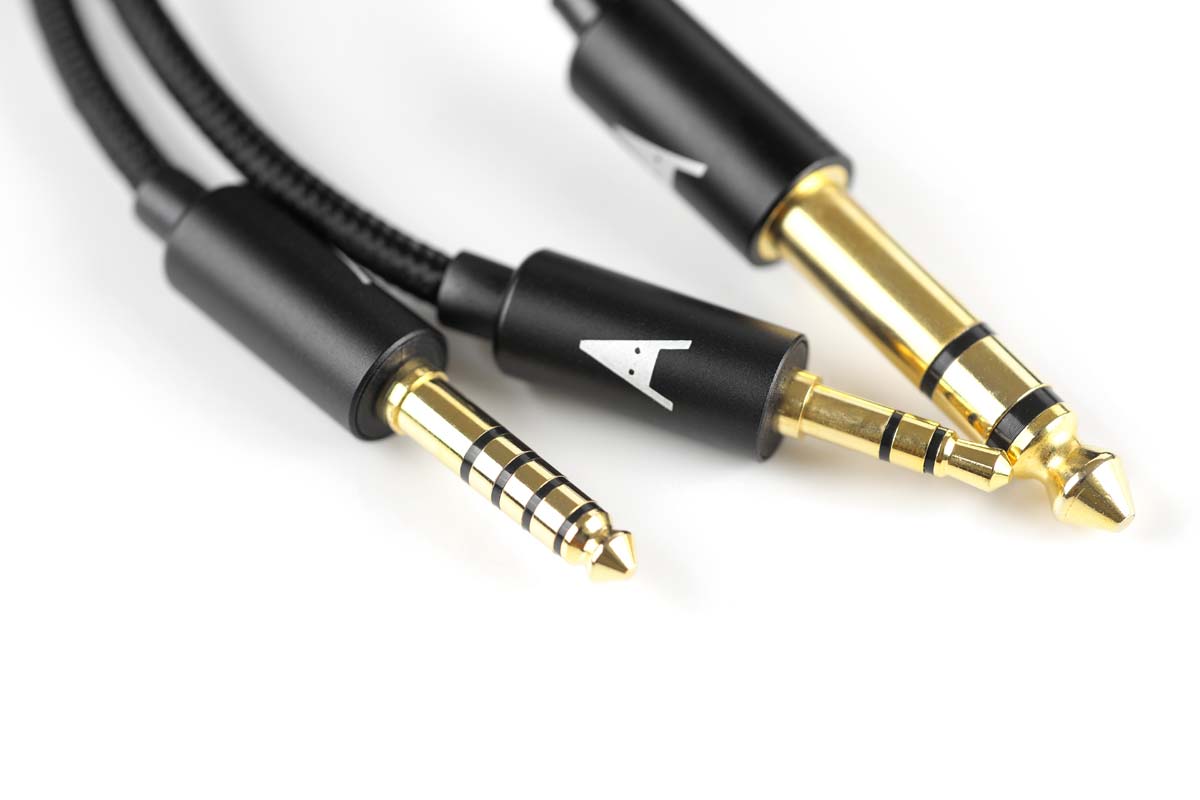
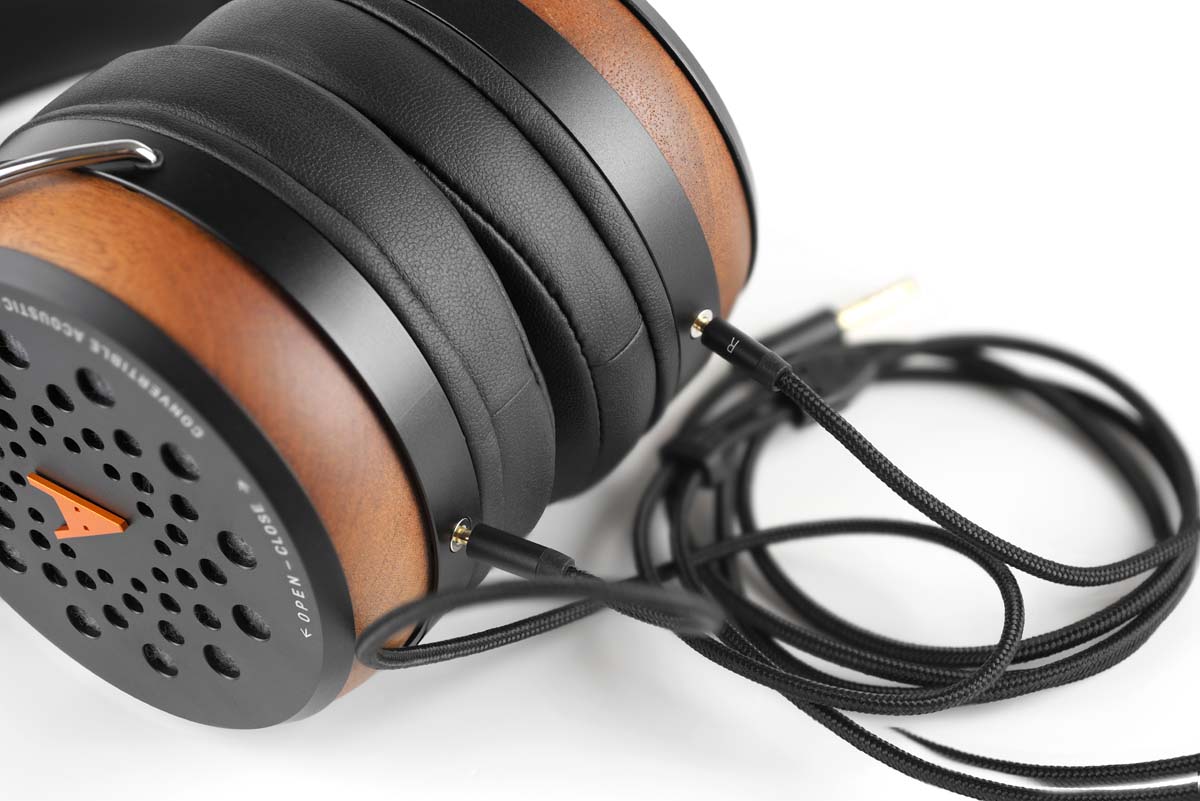
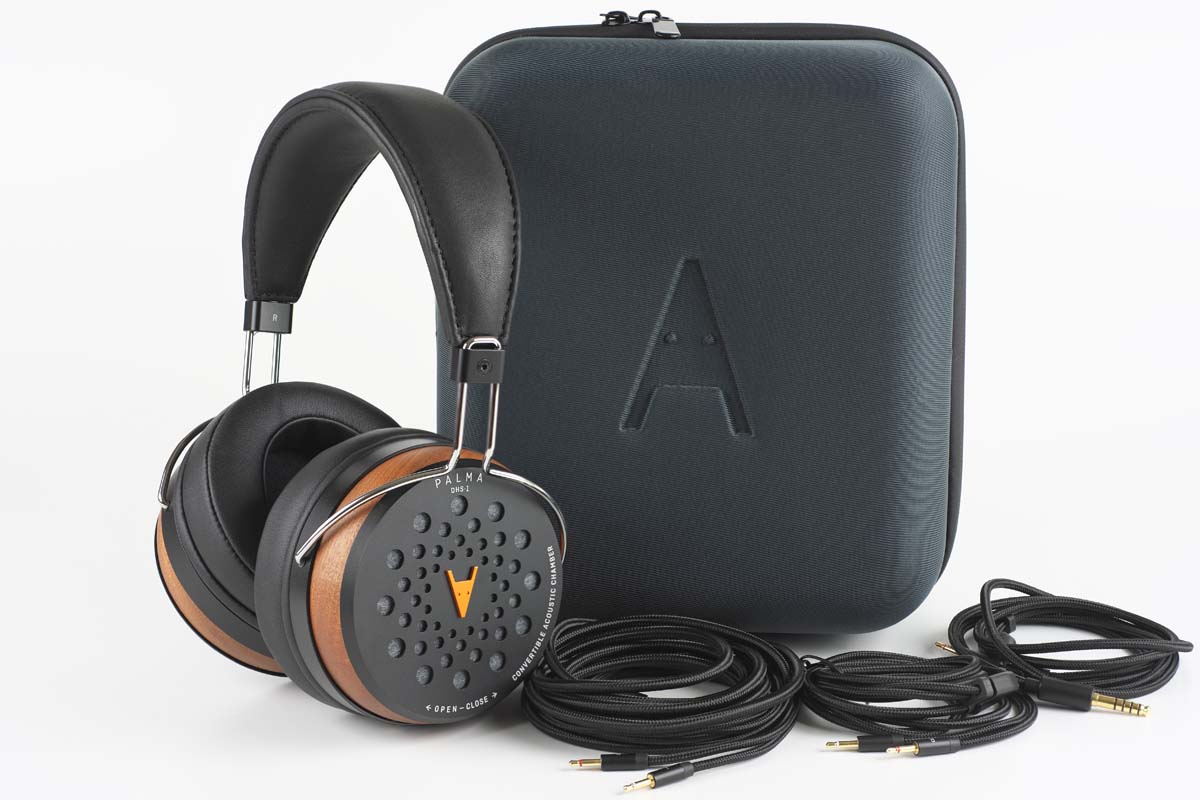
When it comes to build quality and features, the manufacturer makes no compromises. Although not a lightweight at around 500 grams, the DHS-1 is extremely comfortable thanks to its excellent genuine-leather ear and headband pads. Fine adjustment and switching between modes operate with buttery smoothness. No fewer than three high-quality connection cables – with 6.3 mm and 3.5 mm stereo plugs as well as a balanced 4.4 mm Pentaconn connector – ensure connectivity. Cooperation with various sources and headphone amplifiers poses no problem thanks to the mobile-device-friendly impedance of 32 ohms and comparatively high sound pressure levels of 102 decibels (open) and 104 decibels (closed). Whether on my Pioneer XDP-300R or on my Violectric HPAs V200 and V281 – whose pre-gain is always set to +6 decibels for sonic optimization – the Mallorcan feels perfectly at home. A good transport case with velvet pouches for the headphones and cables rounds out the overall package. Oh, before we listen, one more thing: the copper-colored logo depicts a goat’s head – goats are very typical animals on Mallorca. However, the DHS-1 gives absolutely no reason to bleat about the sound.
Audiophile Almond Blossom
First up, the DHS-1 must prove itself in open mode, and appropriately I choose the Hyperion recording of Rachmaninoff’s Third Piano Concerto by super-virtuoso Marc-André Hamelin with the London Philharmonic Orchestra in 24-bit/96-kHz resolution. Right from the first measures, the headphone’s spatial presentation impresses, wonderfully illuminating the concert hall. The DHS-1 achieves this spaciousness without the familiar presence trick. Instead, the soloist’s piano sounds perfectly balanced and well adjusted, the strings clear yet soft, without irritating scratchiness. This is audiophile reproduction in the truest sense – nothing less than the finest balm for the ears.
What is also pleasing – given the remarkable transient response, which in some ways recalls planar-magnetic designs – is the headphone’s high signal fidelity. In fact, the DHS-1 has studio quality in the sense that it serves the music largely as it was produced. Which quickly makes me switch the program: the Dire Straits album Love Over Gold is a typical high-end production of the 1980s whose opening epic “Telegraph Road” unquestionably possesses symphonic qualities.
In its open setting, the Palma DHS-1 does them particular justice – but even in closed mode it can captivate. The sound is more direct, at the same time somewhat tighter – or rather: more intimate – and I find myself hanging on Mark Knopfler’s tasteful licks and melodies while simultaneously enjoying the interjections of his fellow musicians. The refined dynamic headphone from Mallorca serves everything with a precision and attention to detail that resembles a naturalistic painting of its home island in full almond-blossom splendor: a feast for the ears that always remains faithful to the original.
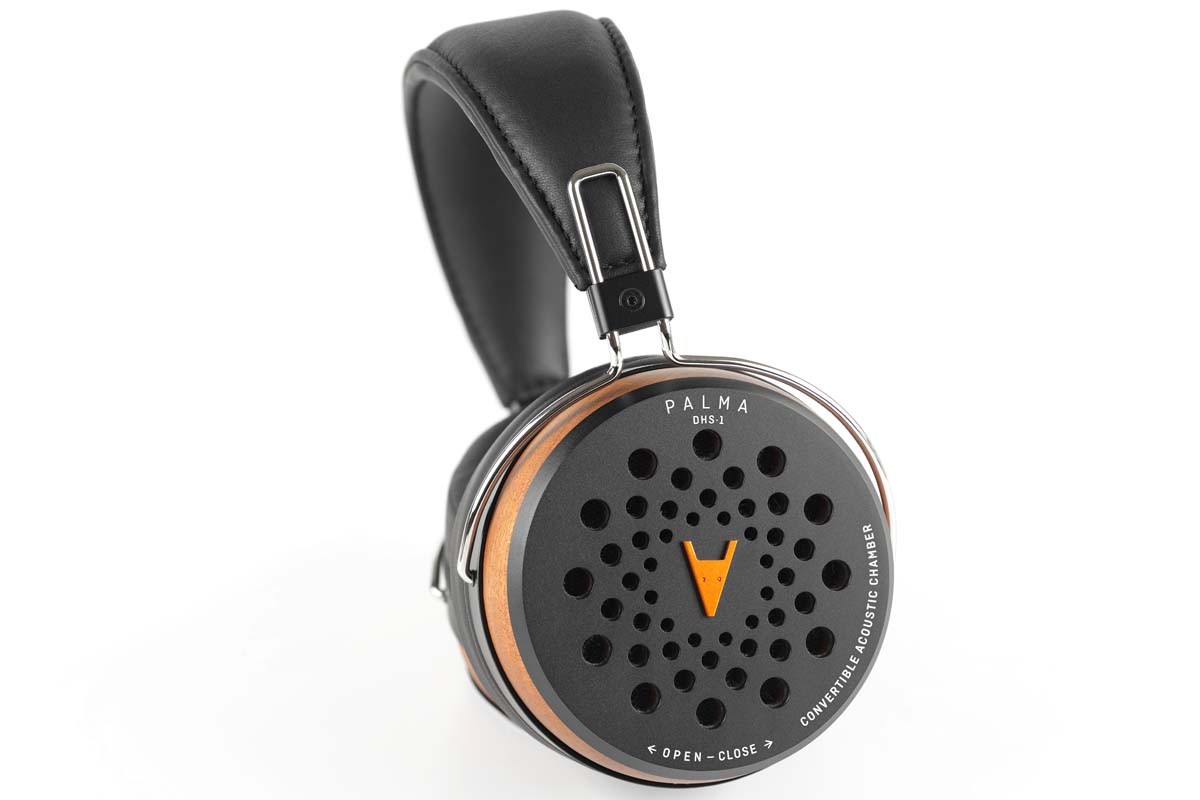
Headphones Palma DHS-1
Transducer principle: dynamic, open and closed operating modes | Impedance: 32 Ω | Driver: 50 mm composite diaphragm with cellulose center | Frequency response: open 5–30,000 Hz (open) / 10–30,000 Hz (closed) | Sensitivity: 102 dB/1 mW (open), 104 dB/1 mW (closed) | Special features: easy switching between open and closed modes | Finish: earcups made from solid sapeli, ear and head pads made from genuine leather | Included: balanced cable with 4.4 mm Pentaconn plug, cables with 3.5 mm and 6.3 mm stereo plugs, transport pouch, transport case | Weight: 480 g | Warranty: 2 years | Price: approx. €2,200
audioNEXT
Isenbergstraße 20
45130 Essen
Phone +49 201 5073950
info@audionext.de