
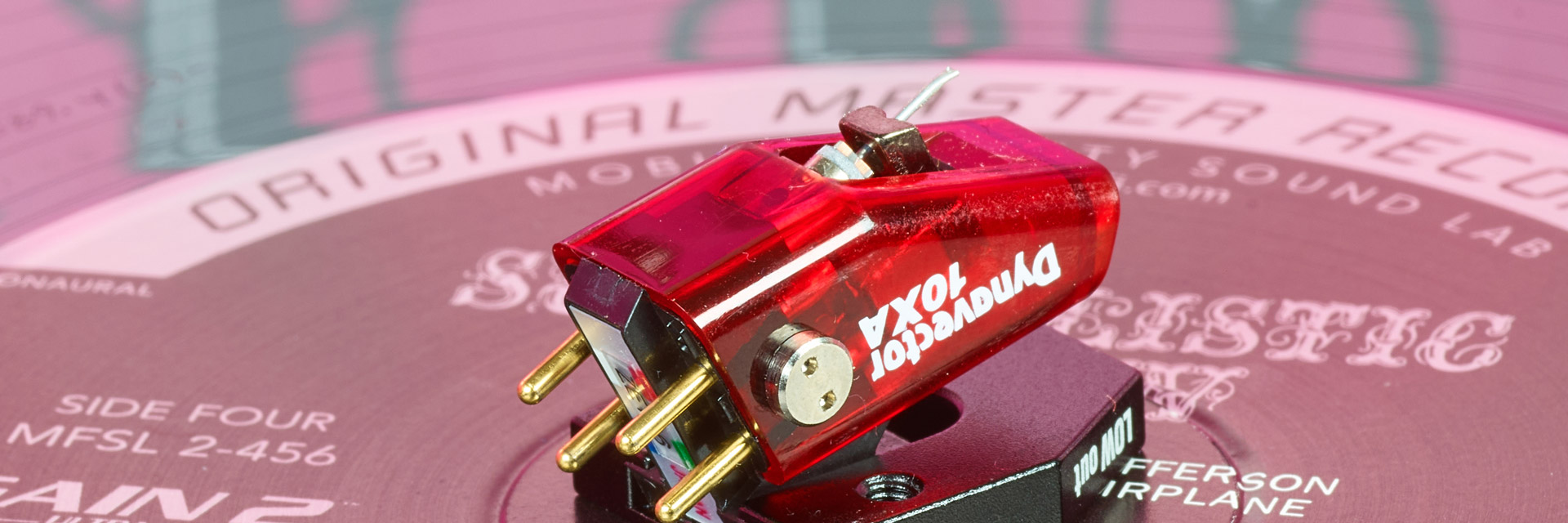
Dynavector’s “10X” is a true classic that even our forefathers appreciated. In its current incarnation, the cartridge is given the already proven annealing process of its larger siblings and may now carry an “A” in its name.
It was one of those days again. All you want is watch a show via a streaming provider, but the device on the wall – more like a computer disguised as a flat screen than a TV in the traditional sense – once again demands an update. And the TV is just one of far too many digital Tamagotchis in every household clamoring for constant attention these days. That’s why I’m fond of the analog turntable. Provided its owner isn’t plagued by chronic “upgraditis,” it only needs an oil change, belt replacement, or cartridge swap once in a blue moon. Not to mention that the actual “software” – meaning vinyl records – has never undergone any fundamental change over the past decades that would technically require the purchase of an entirely new playback device. Thus, you can play current LPs just as easily on a Methuselah of a turntable as you can play legendary recordings from the 1950s on a modern top-flight deck. Nevertheless, it would be wrong to claim that there has been no progress whatsoever in the reproduction of analog records. Rather, it has been incremental improvements that gradually established themselves. Many of these are based on newer findings in materials science as well as advances in their more precise processing.
The Dynavector 10X is practically a textbook example of this development. It was born toward the end of the 1970s from the idea of making the moving-coil (MC) principle available to price-conscious customers as well. For context: in 1978, moving-magnet (MM) systems dominated the market, which, due to their large inductance, unfortunately react very sensitively to the load capacitance of phono preamps. Particularly with amplifiers that were allowed to be operated in Germany, absurdly large values were not uncommon. You had to comply with the legal requirements in force at the time, which of course could sometimes severely impair sound quality.
MCs and corresponding preamps or suitable step-up transformers certainly already existed back then, but the latter in particular were rare and expensive. So the idea arose to use thinner wires for the tiny coils in MCs. This allowed significantly more windings, which resulted in an output voltage roughly ten times higher than that of normal MCs. This in turn meant that these MCs could be operated on an existing MM input without the need to purchase an additional head amp or transformer. A pleasant side effect: these high-output MCs are insensitive to large input capacitances. Dynavector received the Consumer Electronics Show (CES) “Design and Engineering Award” for this innovation in 1978 and 1981. Nevertheless, in the 47 years that the 10X has been on the market, the manufacturer has not resisted repeatedly revising its most popular cartridge. Features that were initially reserved only for the more expensive cartridges from Tokyo gradually also trickled down to Dynavector’s smallest model.
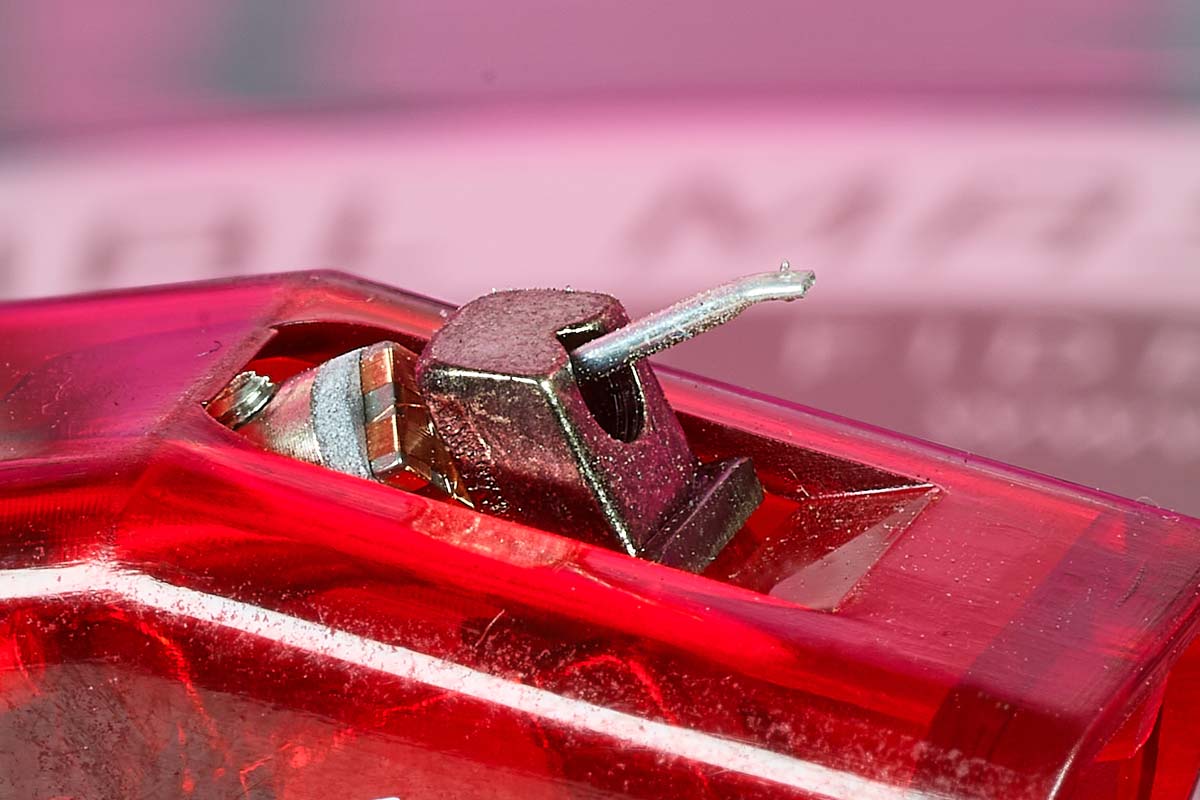
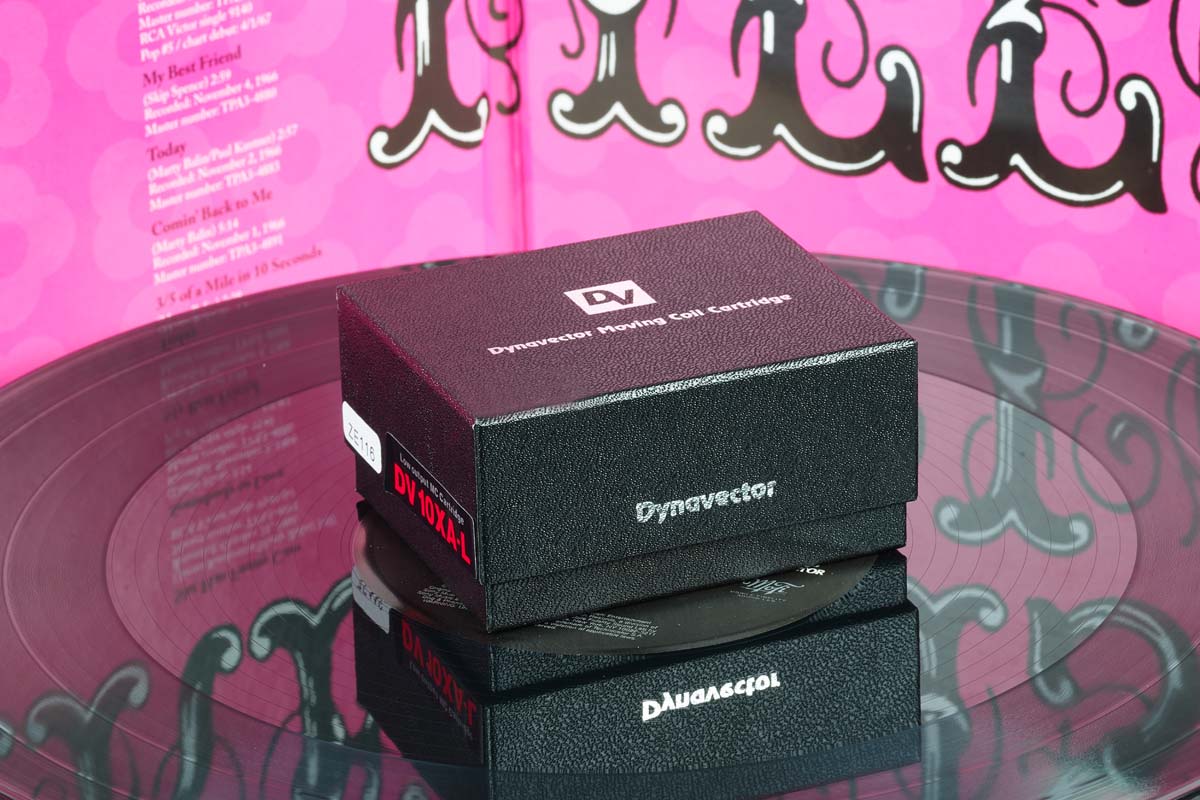
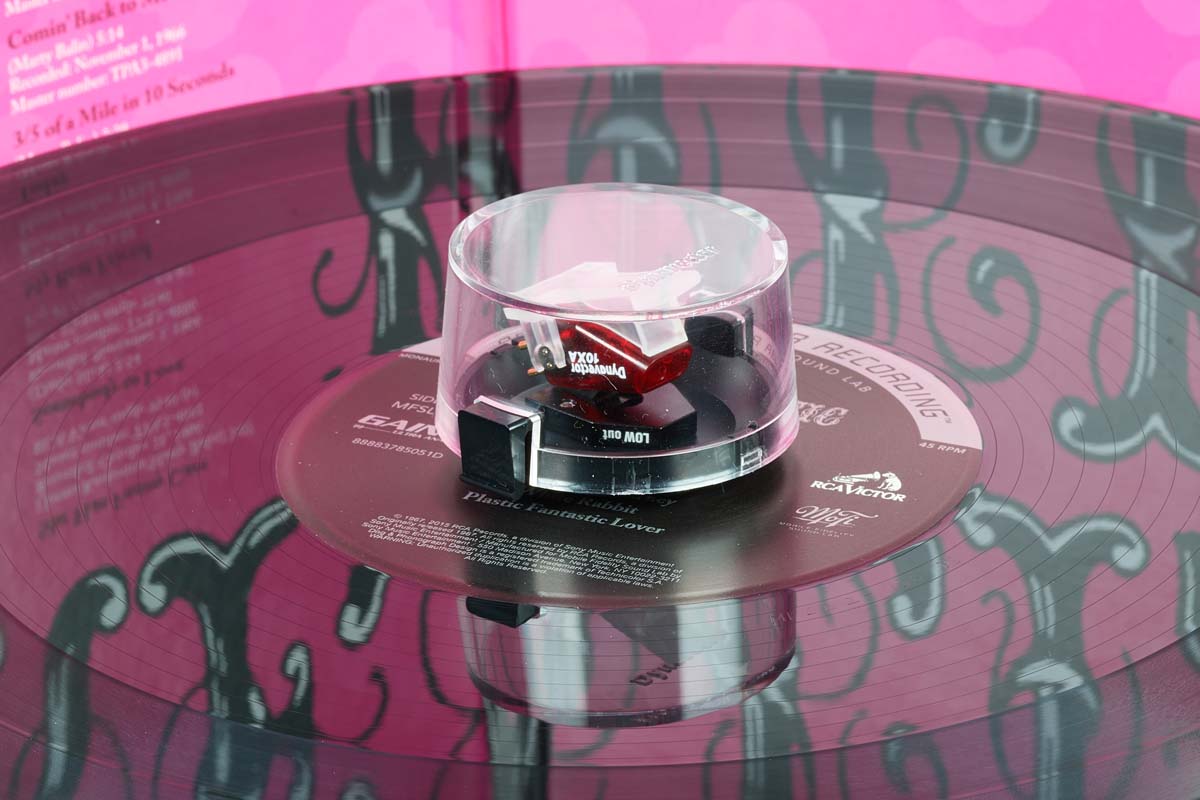
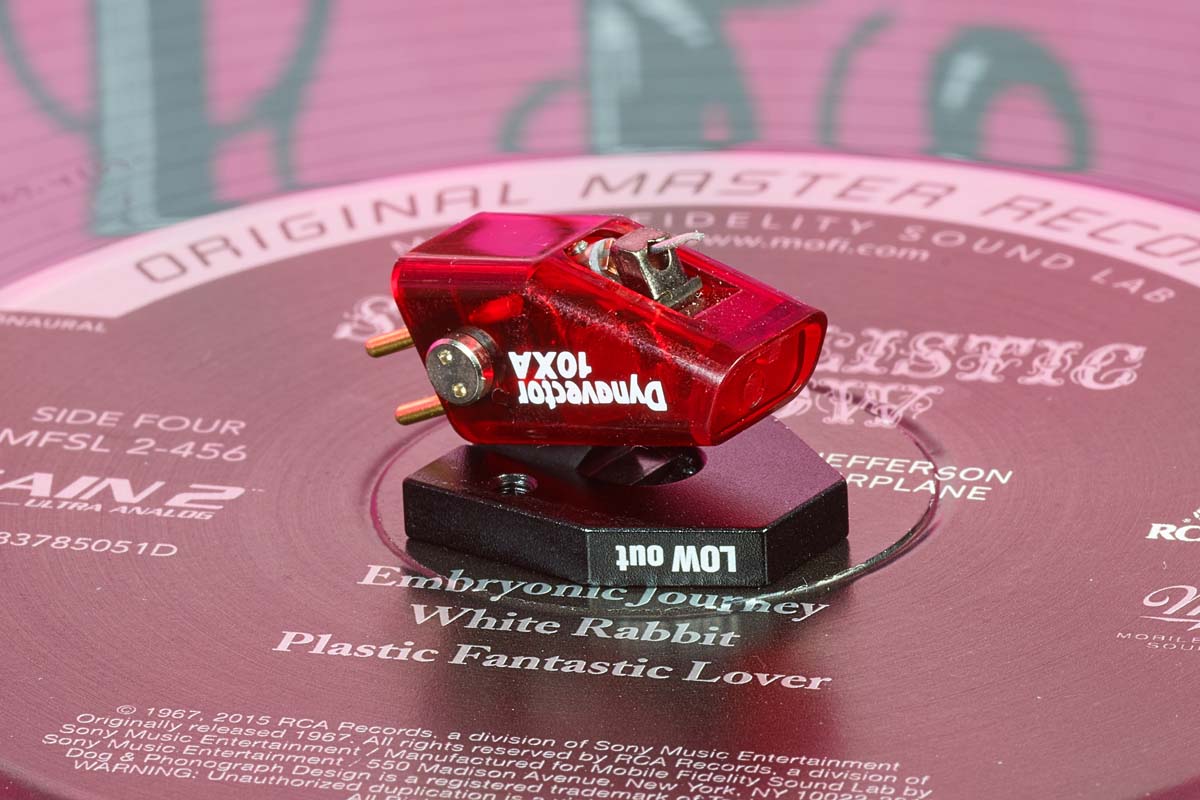
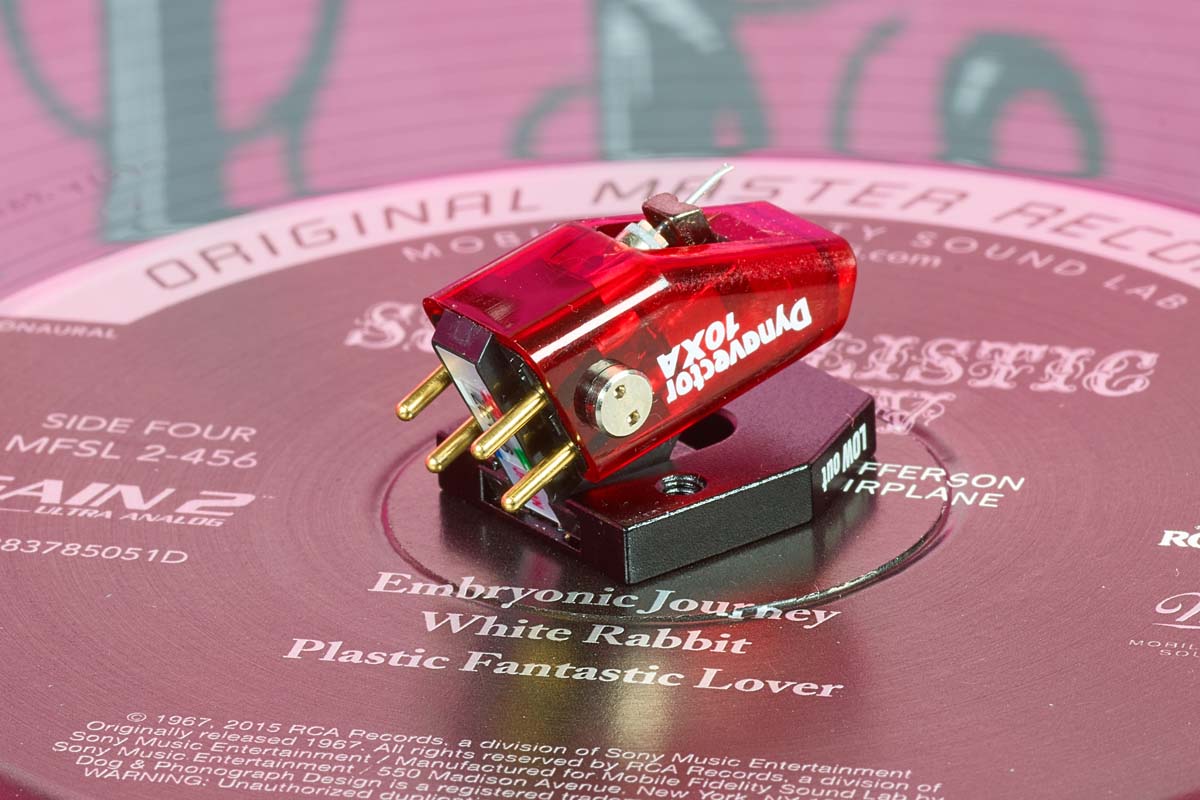
Of course, this wouldn’t happen on a weekly basis, as we have become accustomed to with our digital equipment. In my view, the most important innovations over time were probably the introduction of a Shibata III stylus profile, a metal mounting plate with threaded holes, and a low-output version. The current DV 10XA can still be purchased in both an H and an L variant. Which version you choose depends on the conditions under which it will be operated. The H version does deliver enough voltage for use with MM phono inputs. However, at 2.8 millivolts (1 kHz, 5 cm/s), it is relatively quiet compared to modern MM systems, which often deliver around 5.0 millivolts under otherwise identical conditions. By contrast, the L version that I’m reviewing offers a healthy 0.5 millivolts, posing no special challenges even for more affordable MC phono stages. At the same time, the 10XA-L sits among the high-impedance MCs at 32 ohms, and should be loaded accordingly.
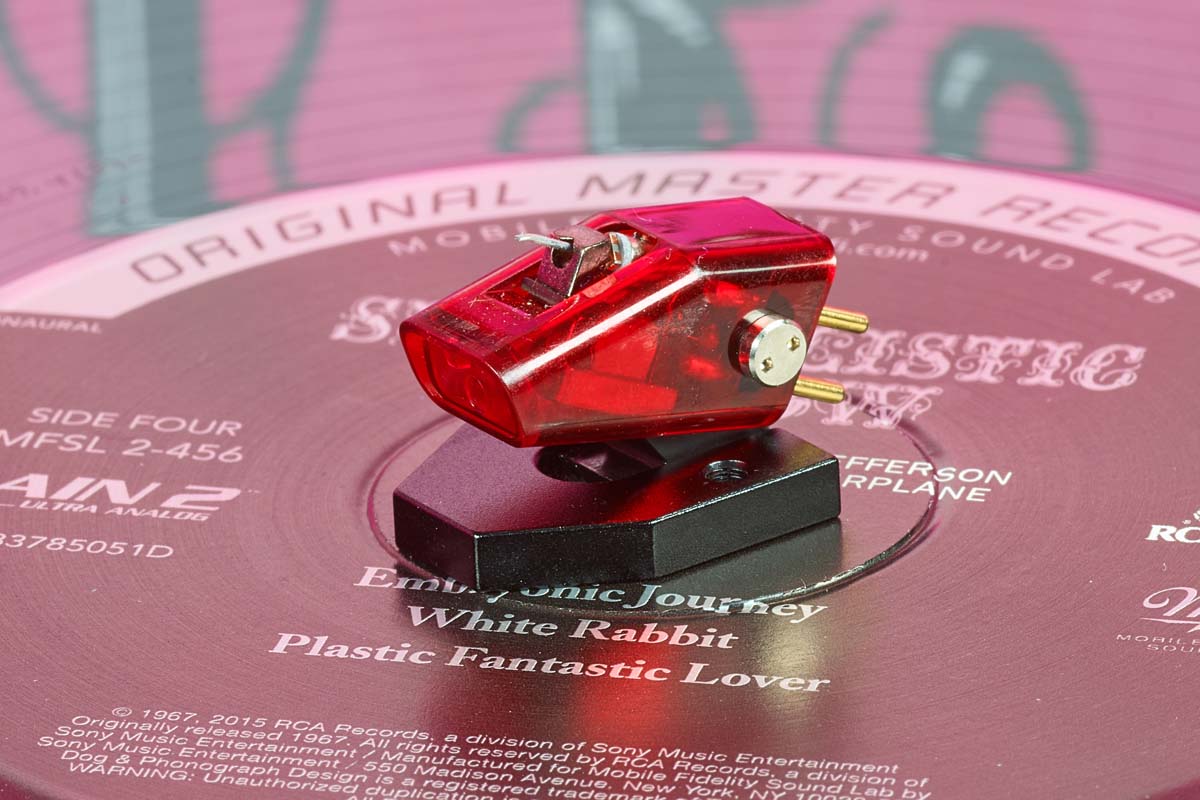
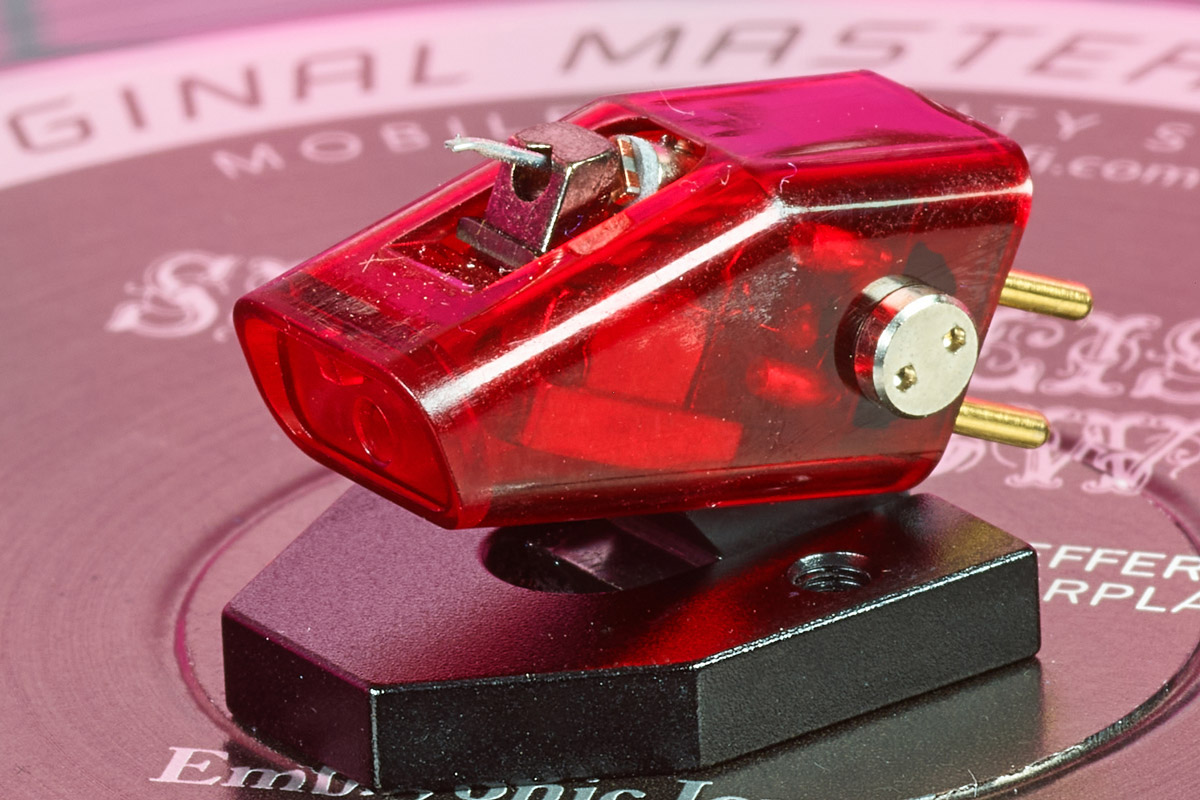
Dynavector recommends operation from 100 ohms upward, but to me it sounded more differentiated and coherent at 330 ohms. Apparently the old rule of thumb that the load resistance should be at least ten times higher than the internal resistance finds confirmation here. With a compliance of 12 µm/mN and a system weight of only 7.5 grams, it is recommended for use in the widely available medium to heavy tonearms (10–20 g). As mentioned at the beginning, the 10X has received the “annealing” treatment introduced by Dynavector last year. This is a process in which the iron parts of the magnetic circuit are homogenized by heating so they can guide the magnetic field lines of the neodymium magnet more precisely to the coils. Dynavector’s patented innovations such as Softened Magnetism and Flux Damper, on the other hand, have long been established standards even in the Japanese manufacturer’s “entry-level” offering.
“Entry-level” is in quotation marks because although the 10XA is Dynavector’s most affordable model, its musical abilities go far beyond entry-level performance. I myself have been listening with the predecessor DV 10X4 Mk II for years, and if my acoustic memory serves me, the current 10XA version sounds significantly more mature and complete than its late predecessor. Without a direct comparison with its larger siblings, it’s difficult to fault the Dynavector 10XA musically. On the contrary: it gets a hell of a lot right. Let’s take Grace Jones with “La Vie En Rose” as a first example. In addition to the required rhythmic precision, it reproduces her voice – which can sometimes tend toward pushiness – with appropriate accuracy without exaggerating. It’s simply fun to browse through ’80s records with the Dynavector and indulge in memories of youth.
One might now remark that earlier incarnations of the 10X also had a particularly good relationship with pop music. But what about classical music and acoustic instruments? To find out, I put on a record I had almost forgotten: Igor Stravinsky’s Le sacre du printemps in the rarely performed piano version for four hands. The twins Güher and Süher Pekinel took on this challenge in 1984 with a recording for Deutsche Grammophon.
The Dynavector reproduces the fine nuances indispensable for enjoying this rather demanding music remarkably well. Incidentally, it also reveals that one of the two world-famous pianists occasionally hums very softly. The fact that this can be heard at all is also due to the stylus gliding through the grooves with strikingly low noise thanks to the Shibata III profile.
Fun and precision don’t have to be mutually exclusive, as Robbie Williams proves with Swing When You’re Winning. The Englishman’s slightly over-present voice is rendered perfectly in front of the accompanying orchestral musicians and soloists. In other words: the spatial presentation and tonal neutrality are preserved at all times. But above all, this musical example highlights the enormous liveliness of the Dynavector, which goes far beyond the average and conveys the tremendous enjoyment that the accompanying musicians clearly had during the production of this recording.
This is the kind of update I can appreciate: at Dynavector they only happen once in a blue moon, and only when there is truly something to improve. Many years will pass again before a Mk II version of the DV 10XA hits the shelves. Until then, you can devote yourself to musical enjoyment at a very, very high level with the current incarnation. In my opinion, the Dynavector 10X, even in its latest A version, is the hidden primus inter pares in its price class.
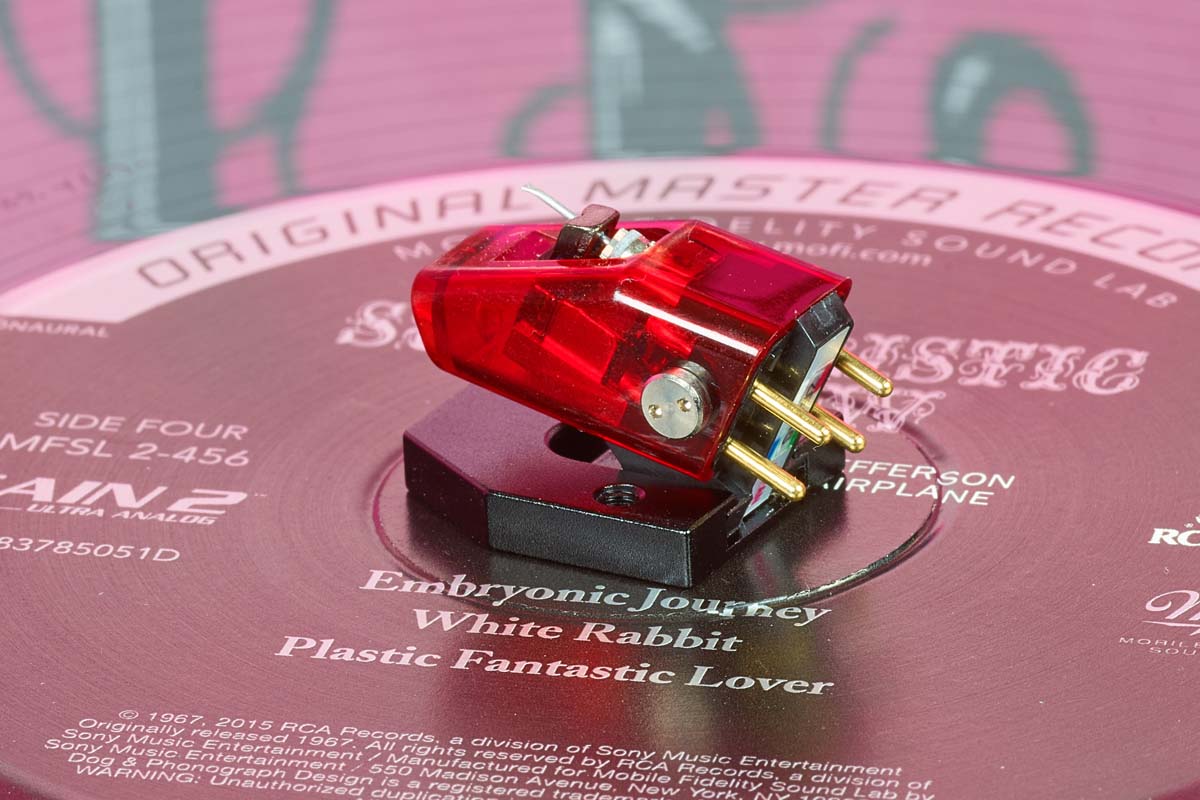
Cartridge Dynavector 10XA
Concept: moving-coil (MC) cartridge | Special features: magnetic circuit with annealed pole piece, front and rear yoke, Flux Damper, Softened Magnetism, low- and high-output versions available | Needle carrier: hardened aluminum | Stylus cut: Shibata III | Compliance: 12 µm/mN (10 Hz) | Recommended tracking force: 18–22 mN | Recommended effective tonearm mass: medium to heavy (10–20 g) | Output voltage: low output 0.5 mV, high output 2.8 mV (1 kHz, 5 cm/s) | Internal impedance: low output 32 Ω, high output 150 Ω | Recommended load impedances: low output > 100 Ω, high output > 1000 Ω | Weight: 7.5 g | Warranty period: 2 years | Price: €750 (€650 with trade-in)
SWS-audio
Dynavector Germany
Telephone +49 7665 9413706
sws-mail@t-online.de