
The writer H.P. Lovecraft (1890–1937) is regarded as the master of cosmic horror. Numerous rock bands – especially in black metal – have drawn inspiration from him.
Only his name – Lovecraft – radiated optimism. From an early age he suffered from psychological problems (as did his parents), and he increasingly withdrew from society, developing a paranoia toward strangers and immigrants. Fear of the unknown – this was also his central literary theme. Fascinated by astronomy since childhood, he projected his horror visions into the depths of outer space. There he imagined dreadful entities with supernatural powers – the “Great Old Ones” such as Cthulhu, Shub-Niggurath, and Yog-Sothoth. Unfortunately, these dark, inexplicable forces aren’t restrained to the distant cosmos but have in fact settled into the human world long ago. Lovecraft’s stories revolve around forbidden places, dark myths, secret books such as the Necronomicon and the Book of Dzyan. They tell of hidden evil forces from outer space that are best left undisturbed. In Lovecraft’s works, it is often scientists whose thirst for knowledge uncovers and awakens the evil. Then horror slowly and insidiously spreads, bringing death and madness. Sometimes the horror is only hinted at – and is all the more terrifying for it.
Because Lovecraft’s stories were first printed in pulp magazines, he was long known only within certain circles. Yet the tales of the “Great Old Ones” soon inspired numerous colleagues to undertake new literary excursions into the “Cthulhu Mythos.” Composers, painters, and musicians have likewise drawn inspiration from it – especially heavy metal bands, who love dark visions and enjoy conjuring evil forces on their album covers. Several rock bands have even named themselves after the fictional book Necronomicon. One of the leading Zeuhl/RIO formations is called Shub-Niggurath. The band Mekong Delta named one of its albums after Lovecraft’s story The Music of Erich Zann.
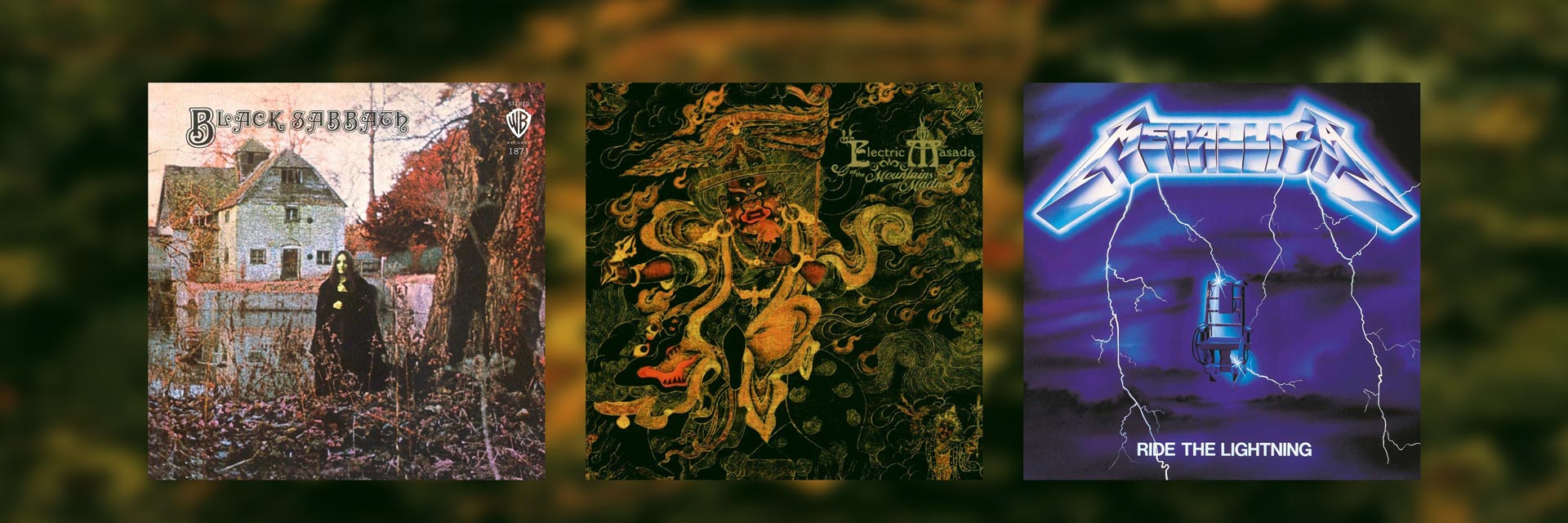
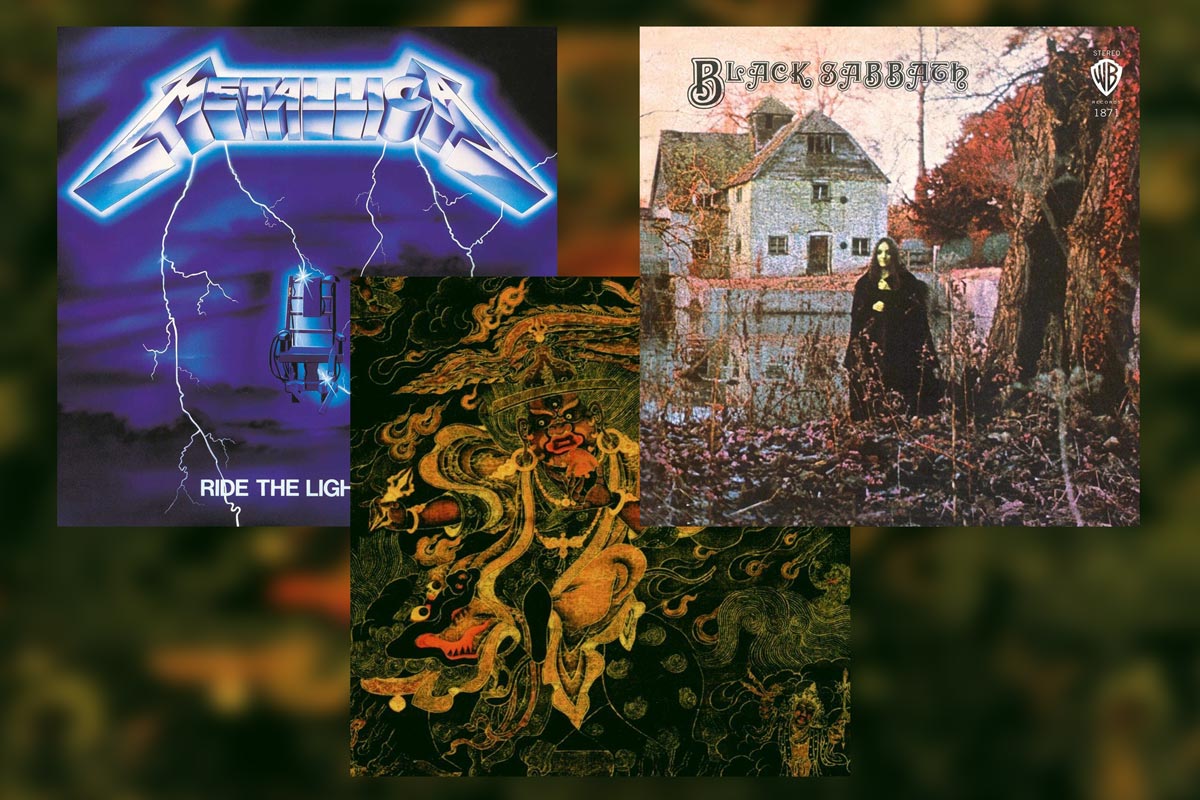
Remarkably, even Black Sabbath – the forefathers of heavy metal – featured a Lovecraft reference on their debut album Black Sabbath (Vertigo, 1970).
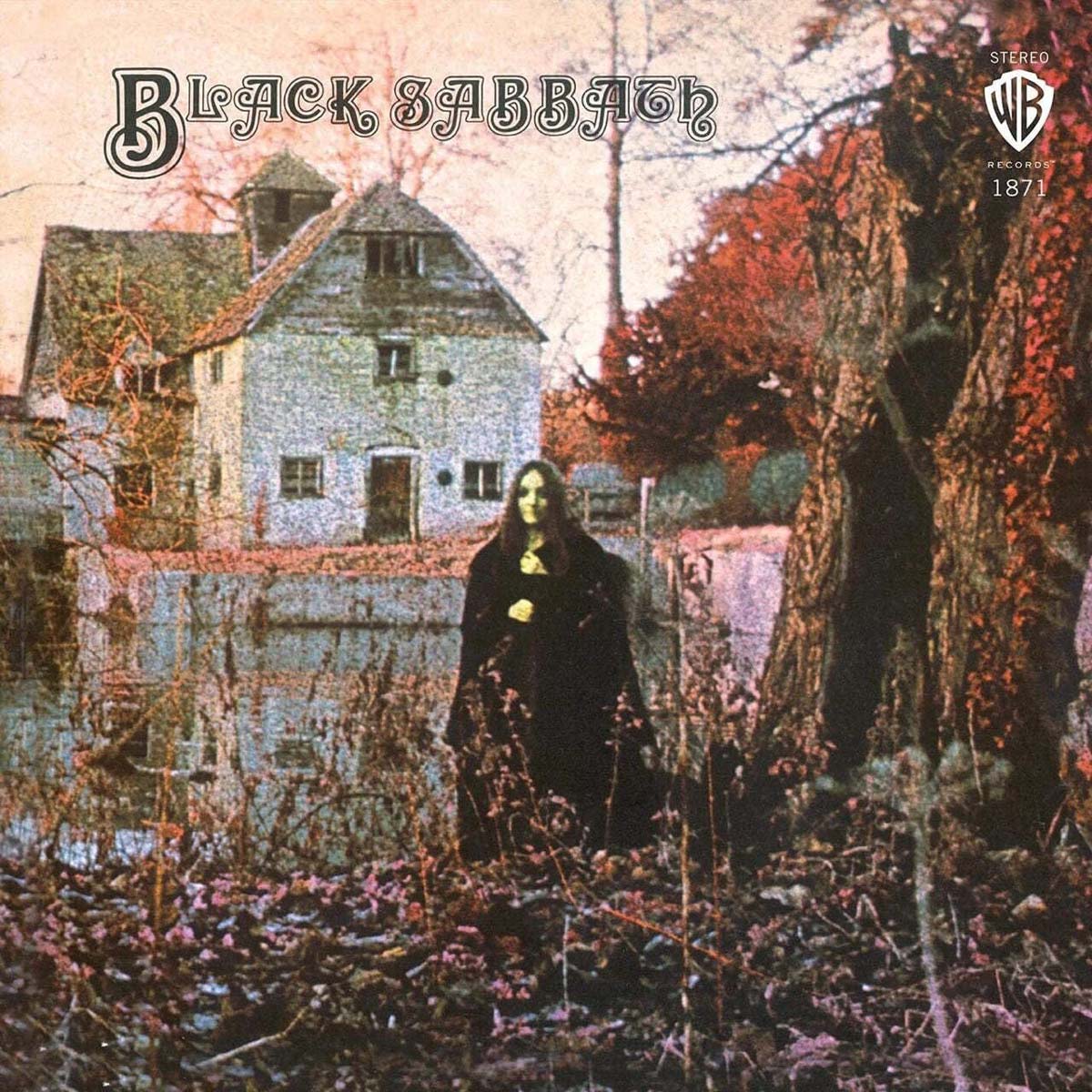
The song “Behind the Wall of Sleep” alludes to the story “Beyond the Wall of Sleep,” in which a dying murderer experiences cosmic nightmares. The song is about death, Geezer Butler once said: “Your dreams tell you what your death will be like.” Although the piece is short (3:37), an astonishing amount happens – after all, it was the progressive rock era. The opening waltz section features guitar breaks; then a heavy riff sets a slower tempo and a dark tone – the vocals respond to the riff (two verses). What follows: a short interlude, the sung bridge (“Turns your body to a corpse”), the guitar solo, and a return of the waltz section. Then another tempo change, a third verse, and the drums play on alone until the end …
Metallica, the most successful heavy metal band in the world, was also inspired by Lovecraft on their early album Ride the Lightning (Vertigo, 1984). The song title “The Call of Ktulu” was inspired by Lovecraft’s story “The Call of Cthulhu,” one of the foundational tales of the Cthulhu Mythos.
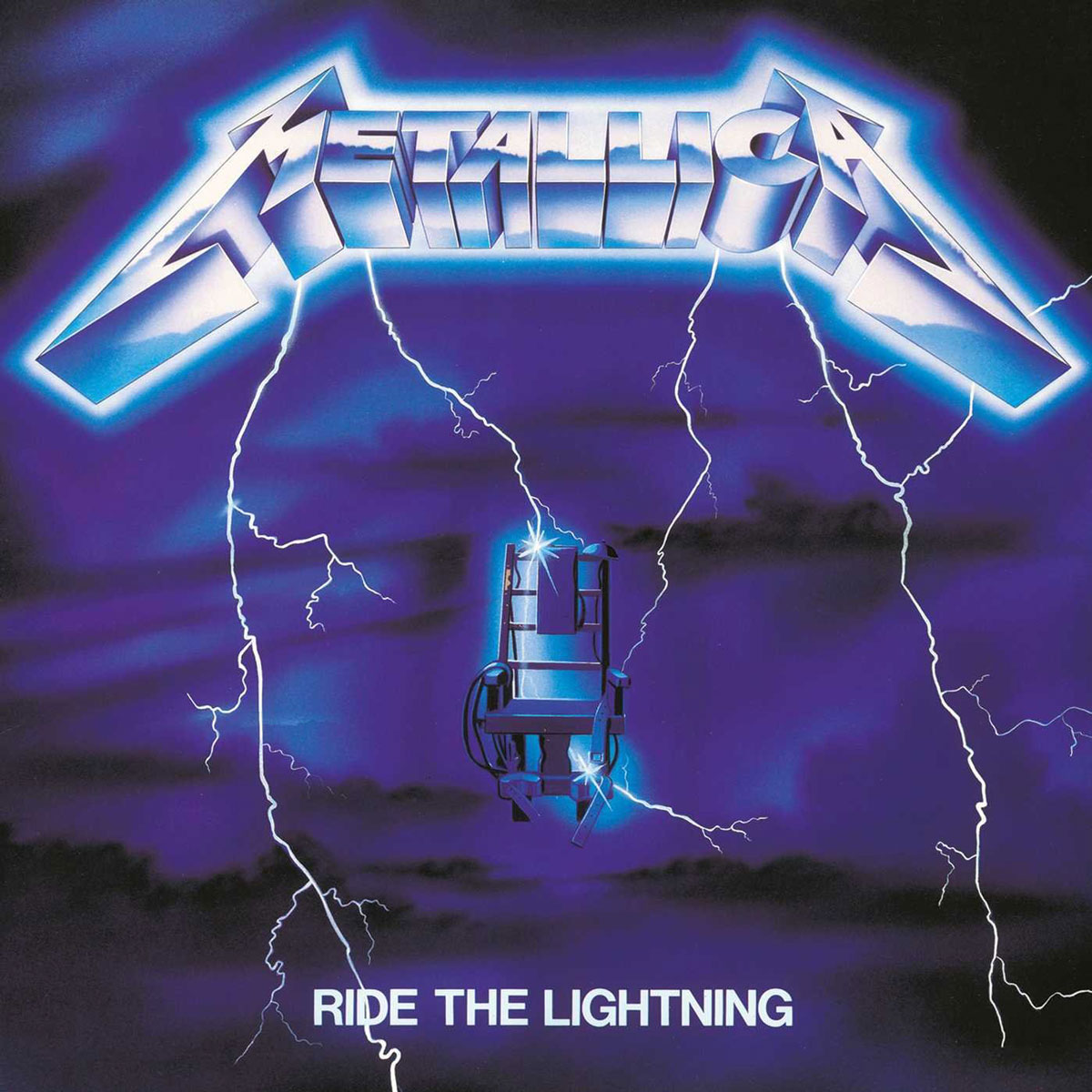
The Metallica track runs nearly nine minutes (8:52) and closes the album, but it is purely instrumental. After a quiet beginning, the pattern continues in a heavy sound: the two guitars launch into riffs and can no longer be restrained – the dreadful being Cthulhu has been awakened. New, overlapping riffs follow, along with a guitar solo and additional sections. A later orchestral version of the song even won a Grammy. (Incidentally, Metallica featured another Lovecraft-inspired title on their follow-up album Master of Puppets.)
Electric Masada is an eight-member variant of the band Masada, led by jazz and noise saxophonist John Zorn. While this isn’t heavy metal, metal elements are certainly present – as the song title “Metal Tov” suggests.
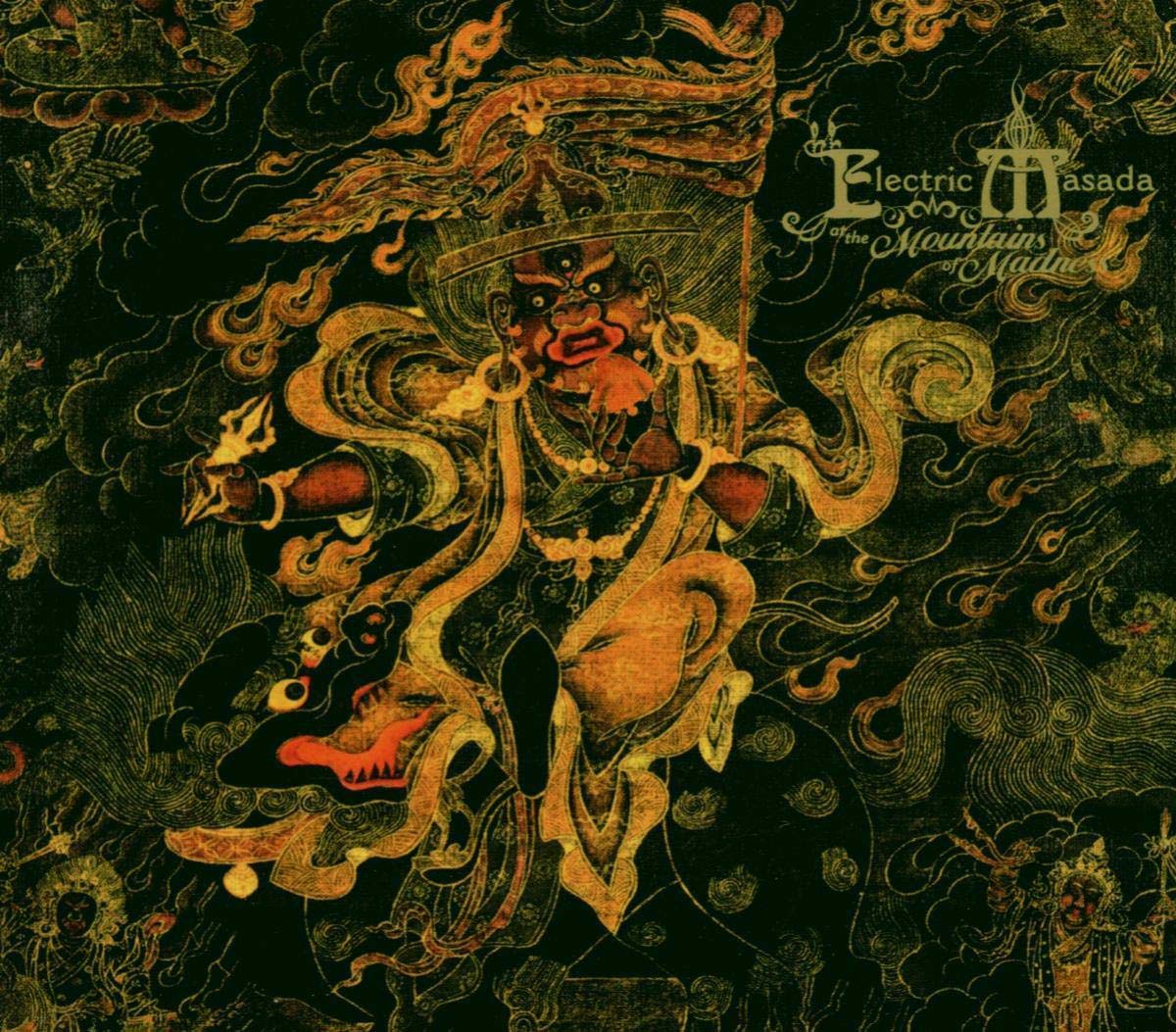
Alongside and in between, we hear noise, free jazz, wild anarchic passages, but also unsettling gentleness – the Lovecraftian horror here takes on new musical dimensions. The double album At the Mountains of Madness (Tzadik, 2005), named after one of Lovecraft’s most disturbing stories, was recorded live in Moscow and Ljubljana in 2004. Track titles such as “Hath-Arob” and “Idalah-Abal,” however, aren’t taken from the Cthulhu Mythos, even if they appear to be. They are Hebrew.
Albums from the Cthulhu Mythos
Find Black Sabbath – Black Sabbath on discogs.com
Find Electric Masada – At the Mountains of Madness on discogs.com