
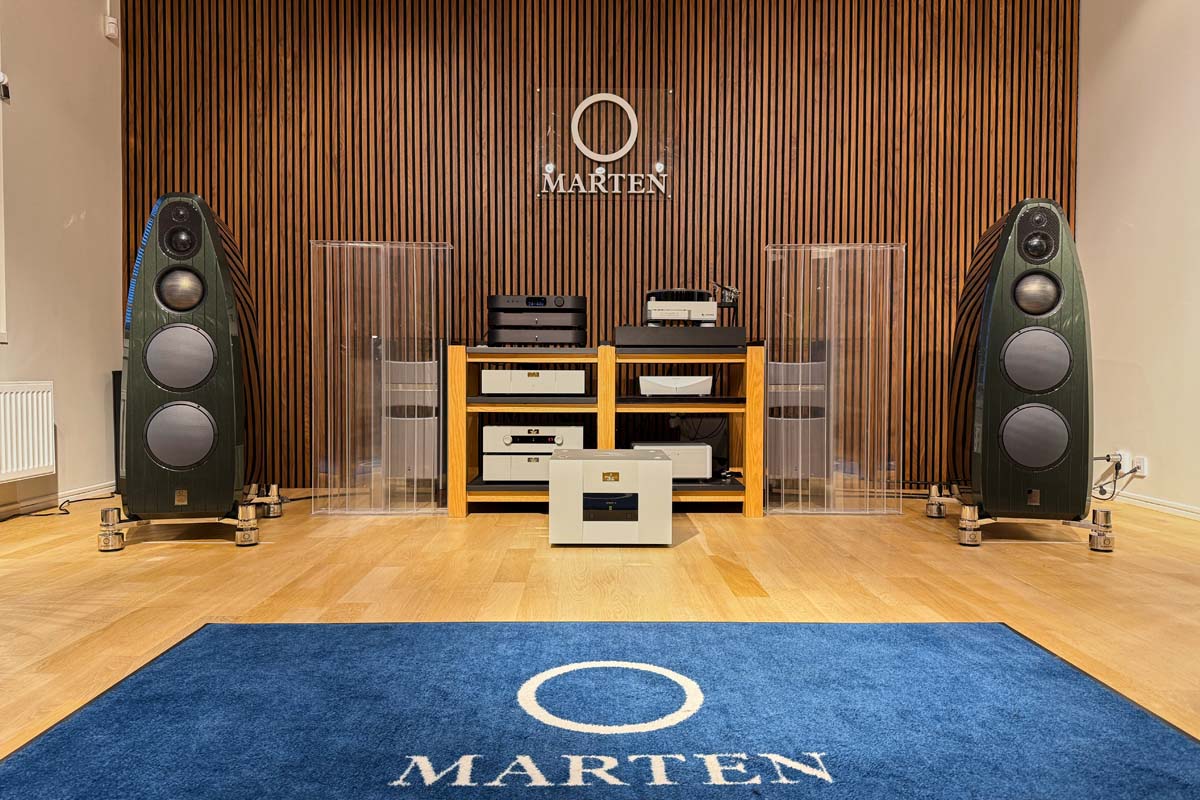
When it’s cold and foggy outside, Sweden doesn’t seem like the ideal place to escape to. But while the weather didn’t change much between Munich and Göteborg, things became clear as clear can be in the warm listening room at Marten.
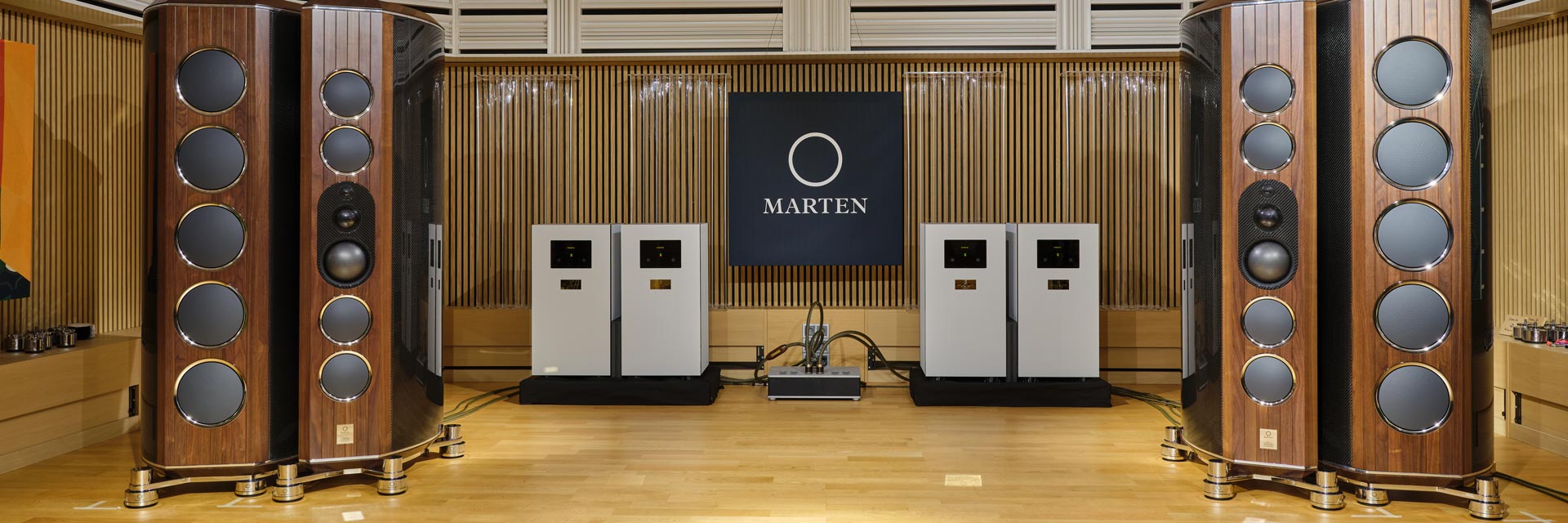
We had seen the Coltrane Supreme Extreme a couple of times already – at the High End in Munich, for example, Marten had prominently placed it as a cold exhibit in one of the atriums. The mighty four-column construct had enough presence to visually dominate the cavernous space. When it came to listening, however, we had to settle for a smaller Coltrane model set up in an elaborately treated room nearby. Far from modest to be sure, but still, we were left wondering what that juggernaut out in the atrium might be capable of.
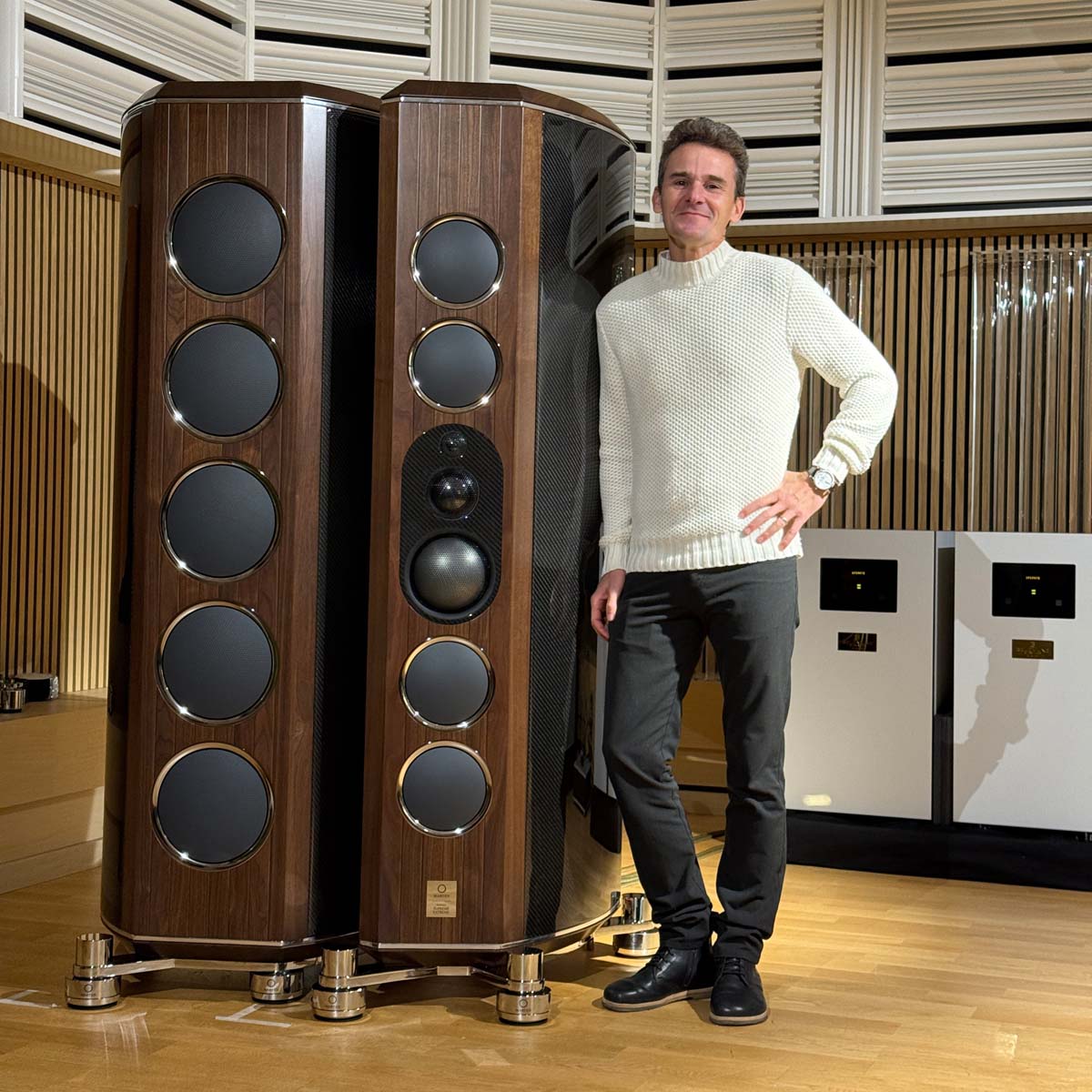
So far, only those who visited the audio shows in Hong Kong or Tokyo had the chance to find out, but not too long ago, German Marten distributor Jan Sieveking offered us the opportunity to be the first to experience them right in Göteborg, where these beauties are made, and while we’re at it, meet the people who created them. How could we possibly say no?

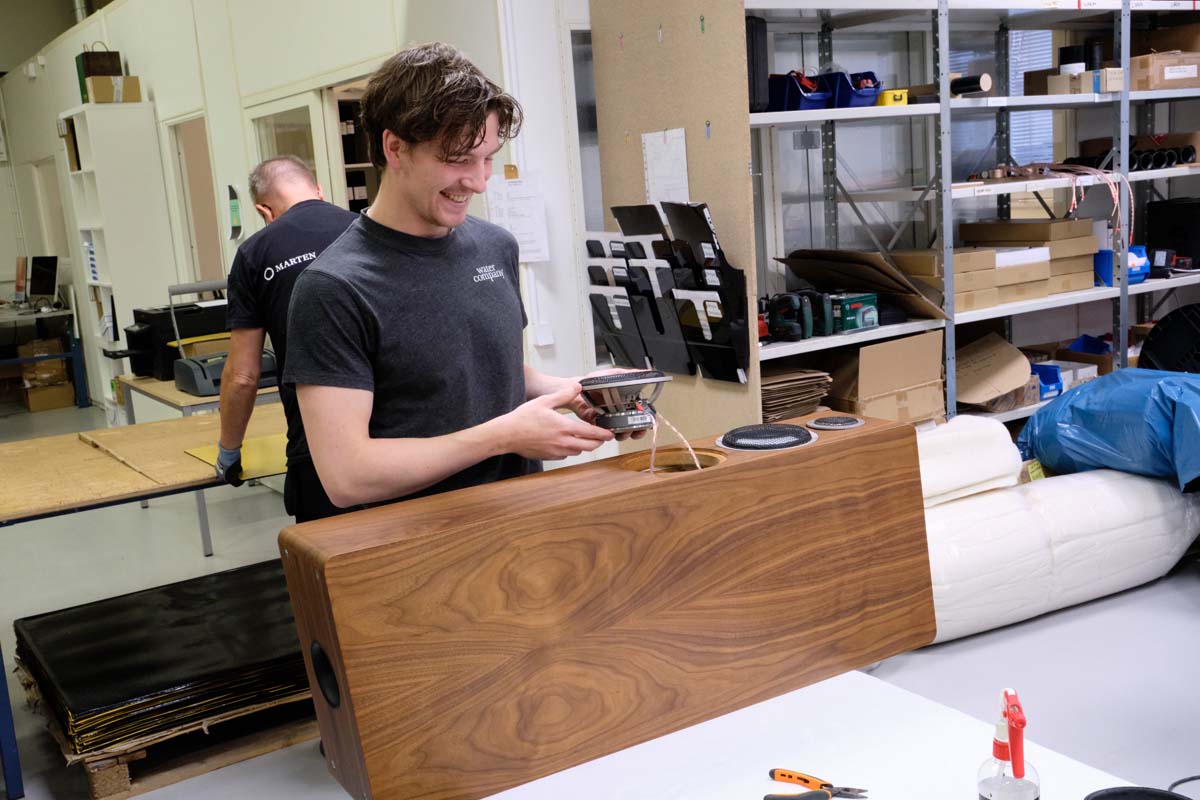
Marten has been making a bit of a splash in recent years, but they’ve actually been around much longer than you’d think: Founded way back in 1998 by Leif Mårten Olofsson (can you spot where the company name comes from?), who’s responsible for the design work, along with his brothers Jörgen Olofsson (CEO) and Lars Olofsson (head of marketing), the company has long been one of the countless micro boutiques that barely anybody has ever heard of. The quality of their loudspeakers – entry-level models at first – and their perseverance were enough to keep the company afloat for some 20 years. In a market that – let’s face it – is quite saturated with speaker brands, that in itself is quite an achievement.
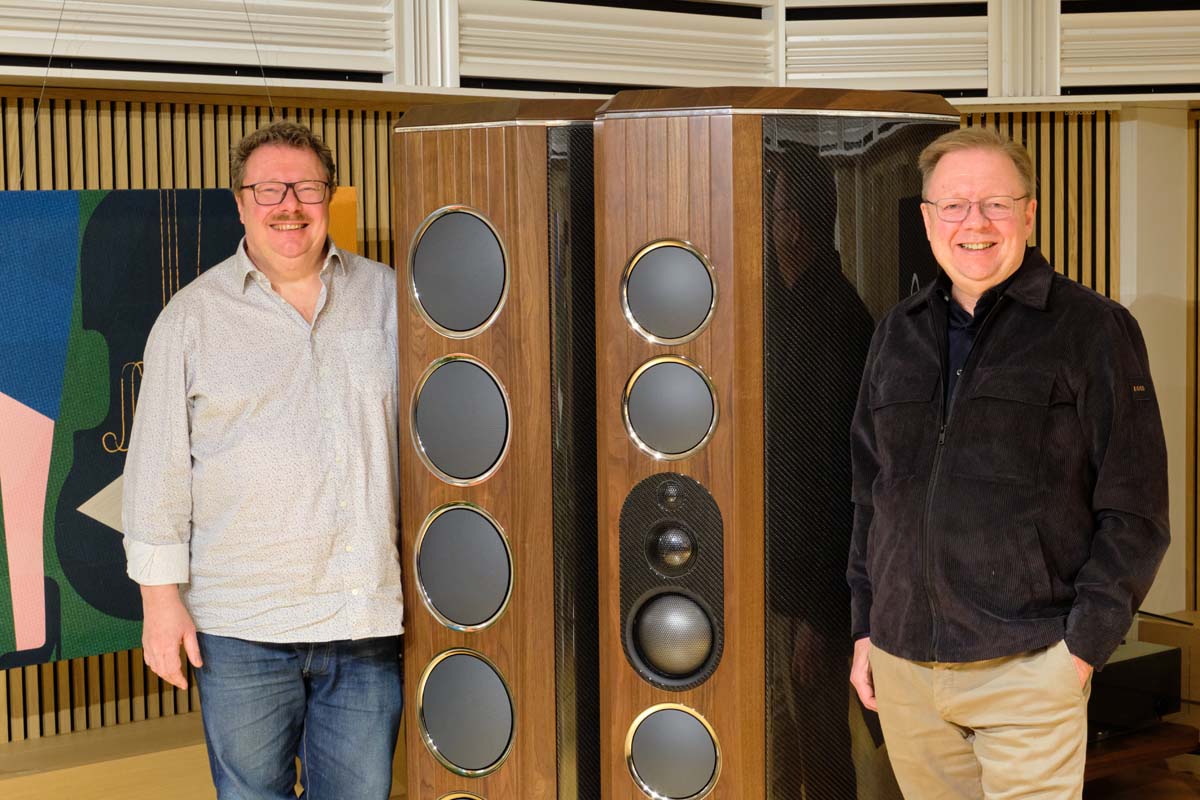
Although their market success remained modest at first, it was sufficient for Leif Olofsson to tackle more ambitious designs, which led to the introduction of the Oskar and Parker lines in 2019 and 2020, respectively. The timing couldn’t have been more fortunate, as the curse of Covid turned out to be a blessing in disguise for the little Swedish manufacturer: the brand-new models quickly piqued the interest of a discerning audience with a suddenly renewed interest in at-home activities, and sales went through the roof overnight, prompting the tiny company to grow to what today are some two dozen employees.
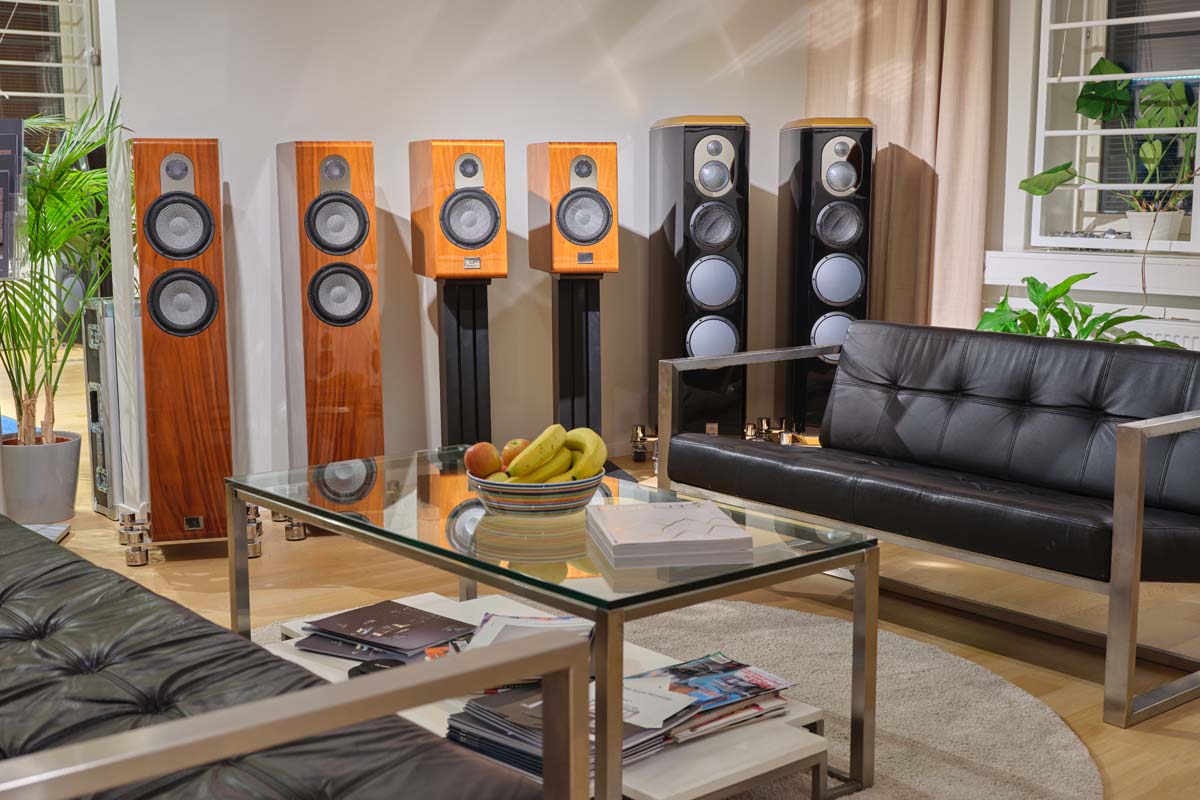
While lockdown sales peaks were common throughout the hi-fi landscape, they proved to be a flash in the pan for most manufacturers; for Marten, not so. Quite evidently, the quality has always been there, and all that needed to happen to put the brand on the map firmly and permanently was for people to notice them. And people noticed them.
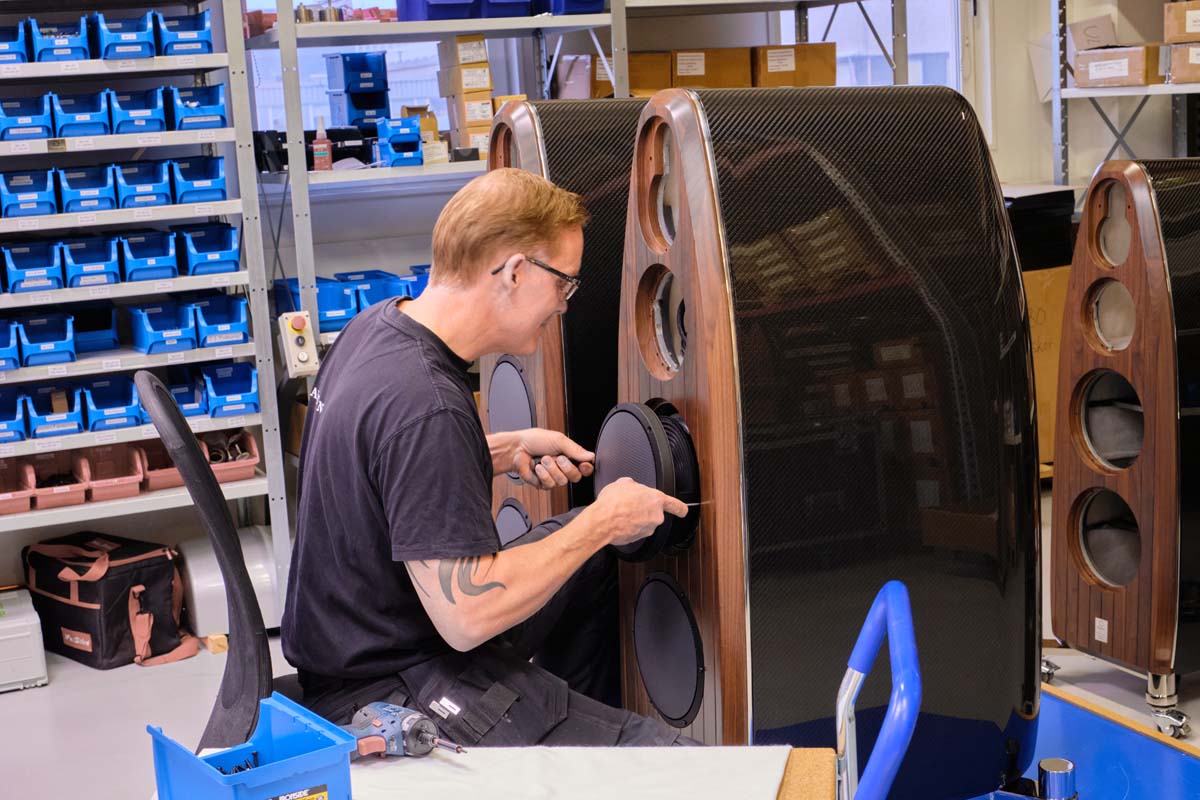
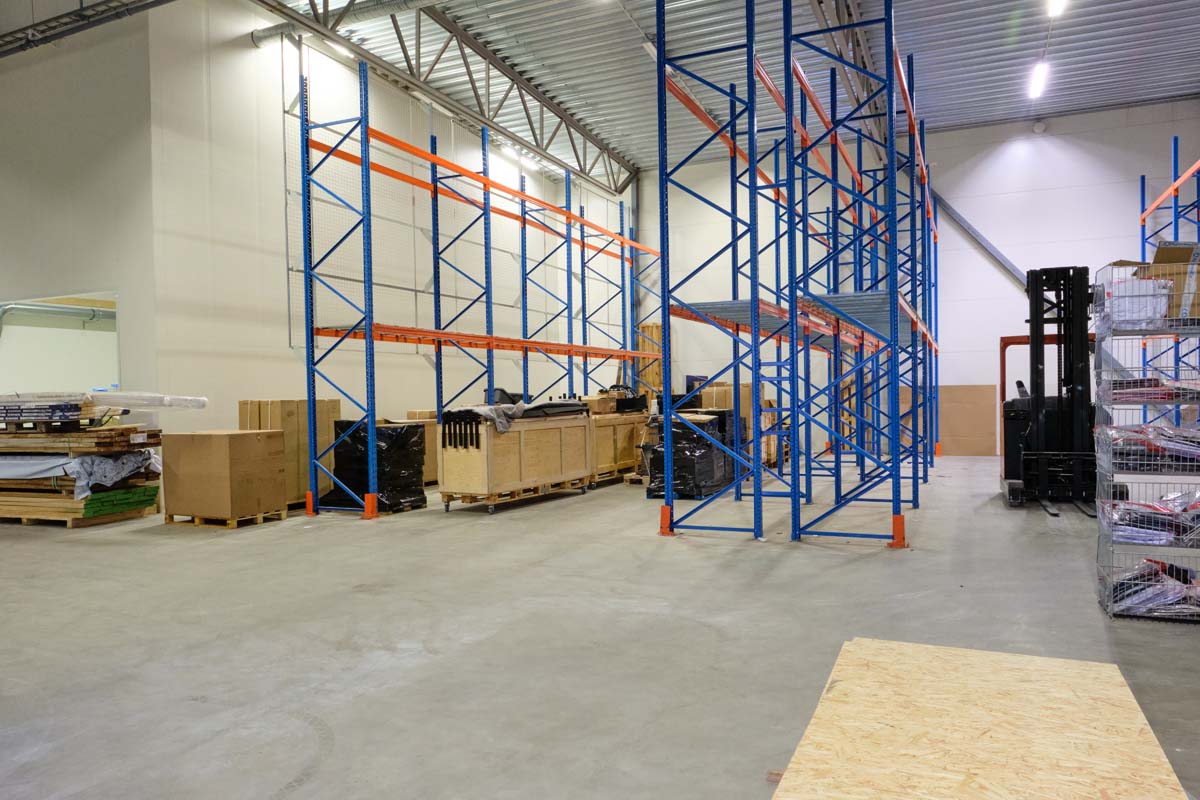
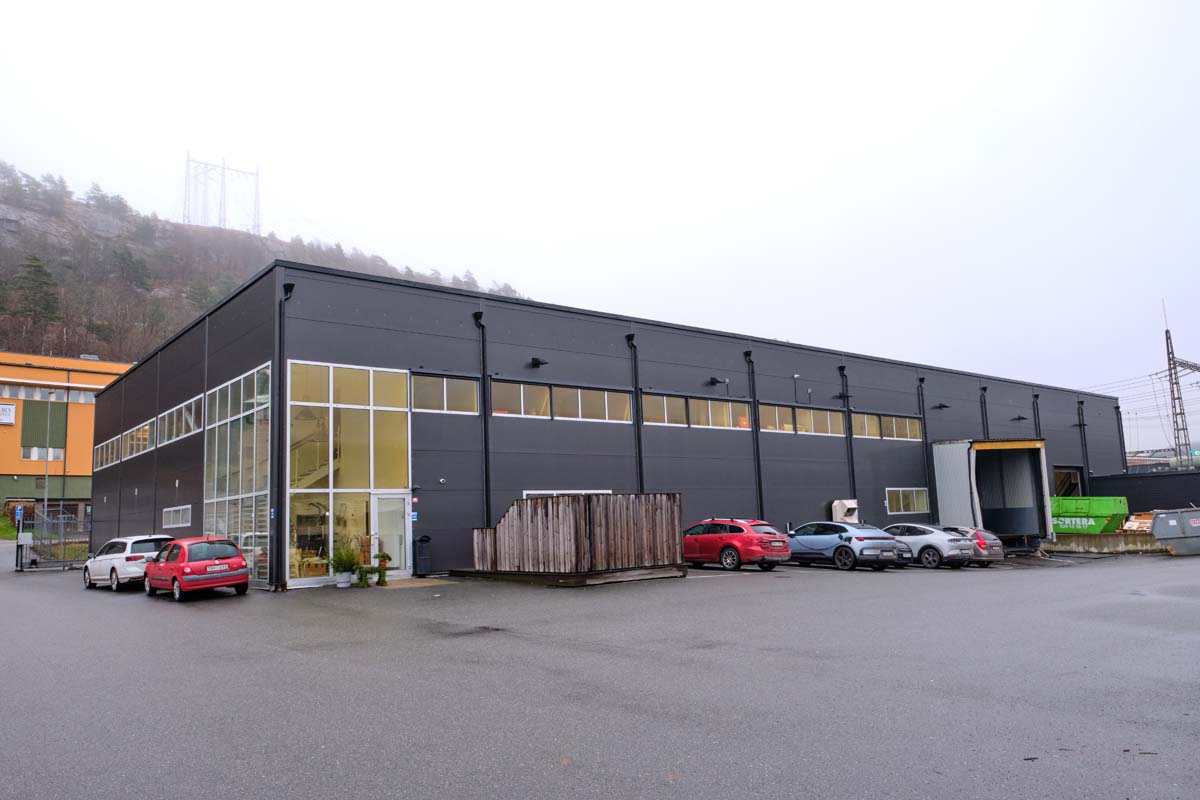
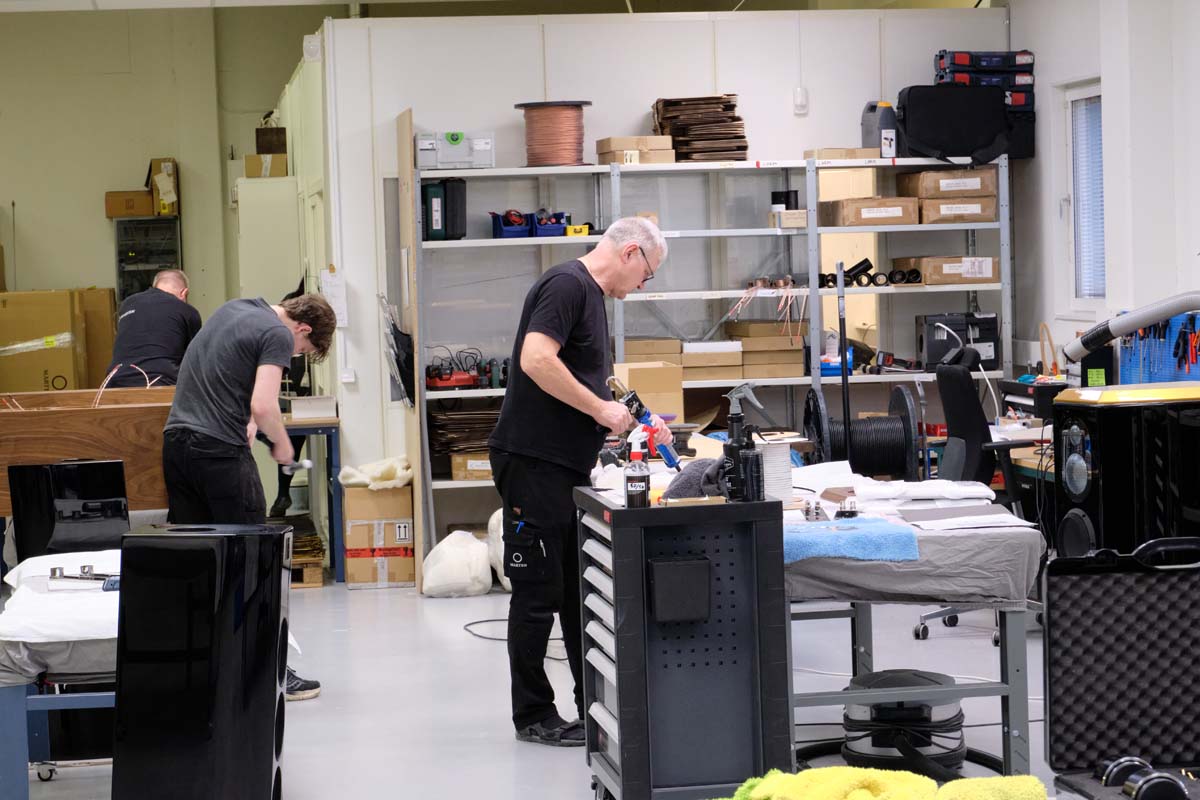
Sales didn’t just remain stable even after the pandemic, they are steadily rising to this day. The company has long outgrown the original premises, so another building had to be acquired, just a few hundred meters away from the headquarters, which now houses production, freeing up space for development, management and showrooms.
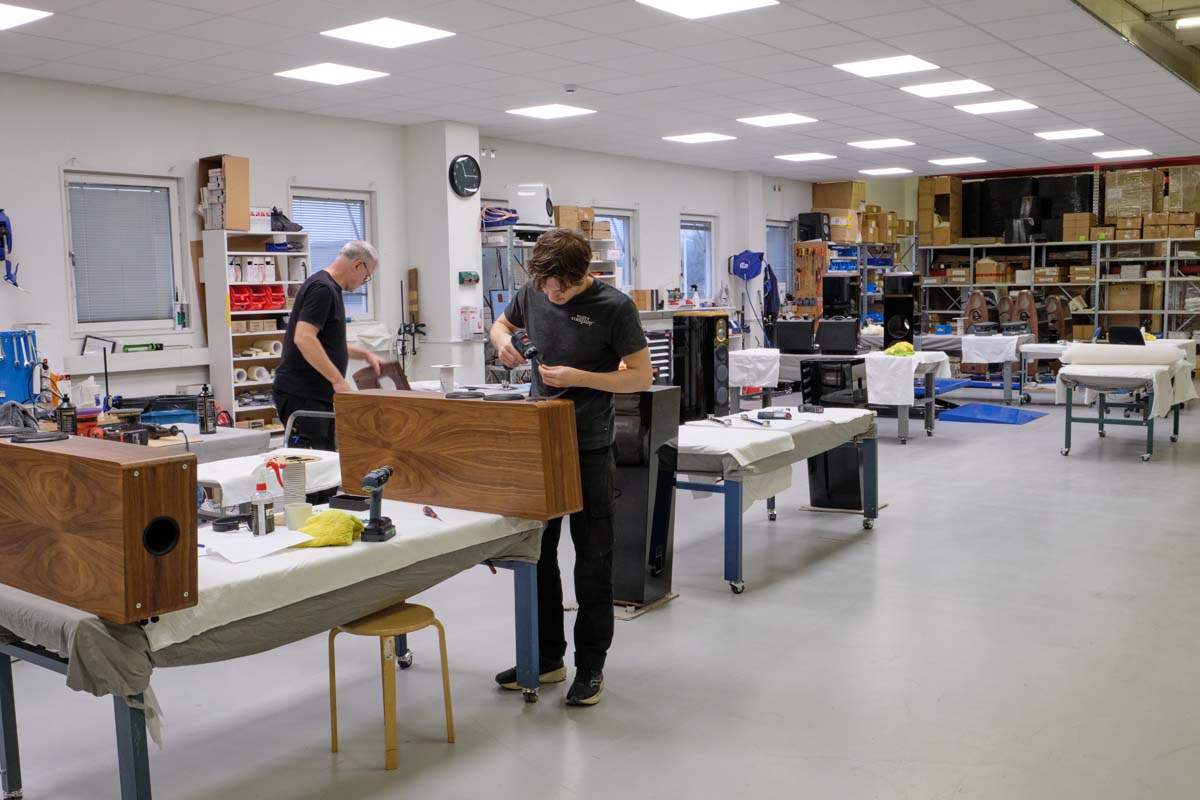
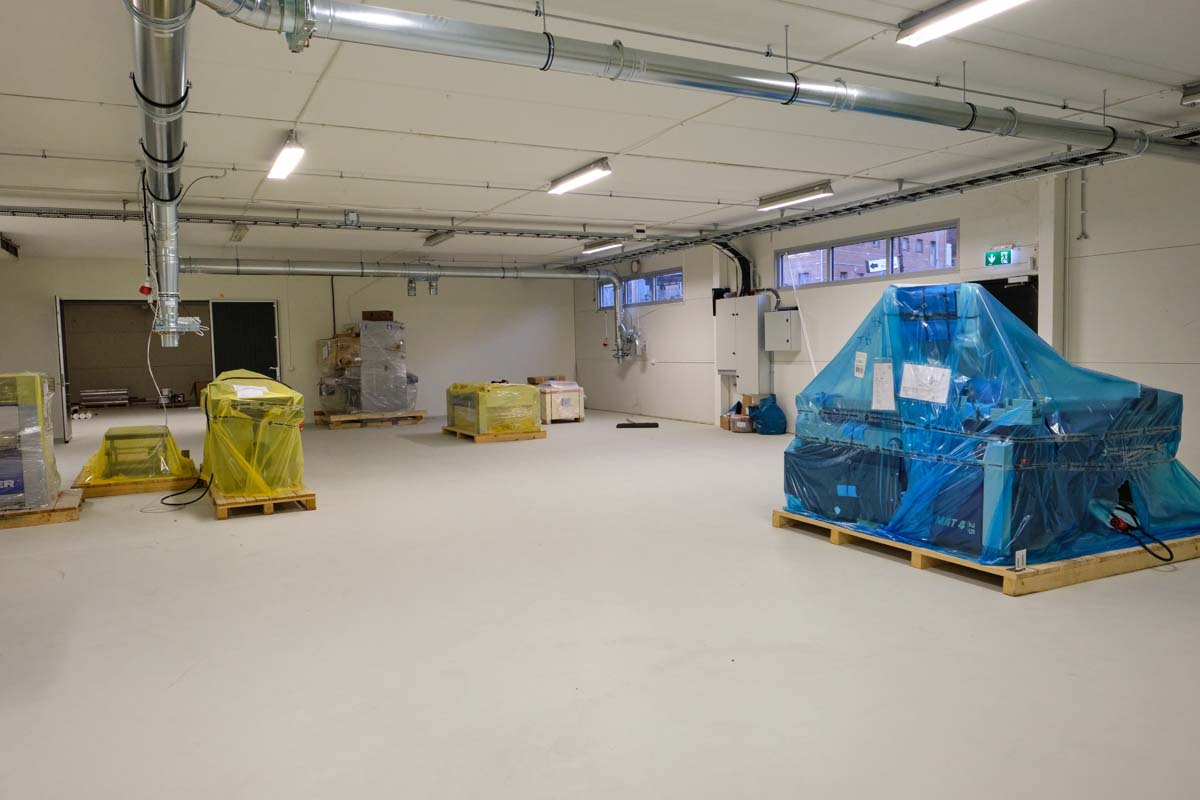
However, even the enlarged premises have become a bit tight by now and as you’re reading this, Marten is moving once more, now into a single building which, at around 2000 square meters marks a significant increase in available area over the previous total of 1200 square meters.
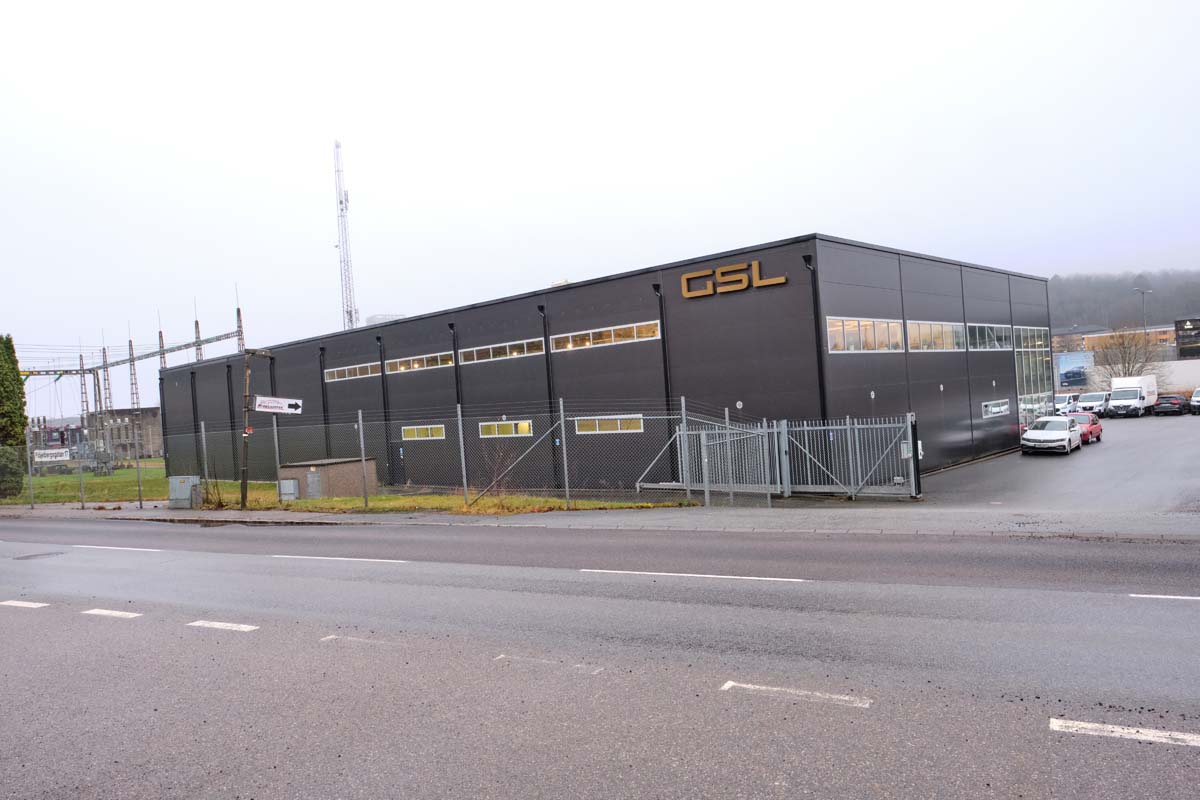
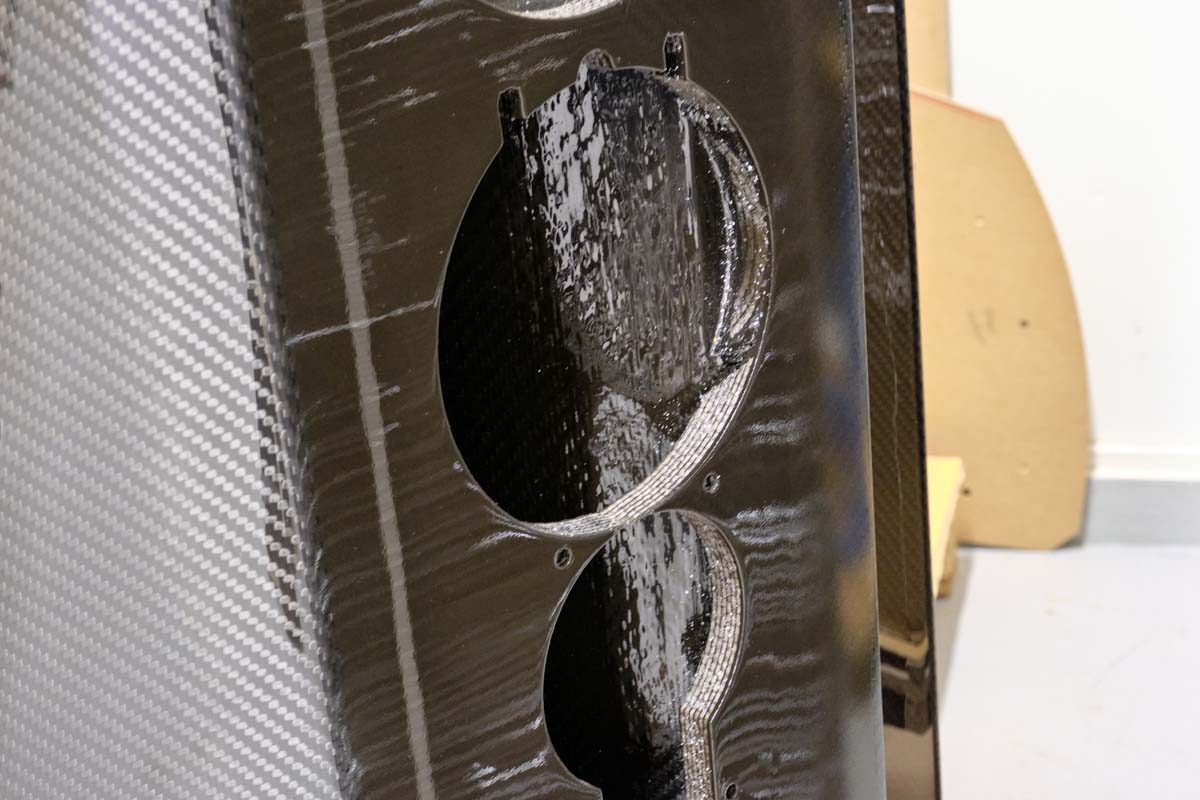
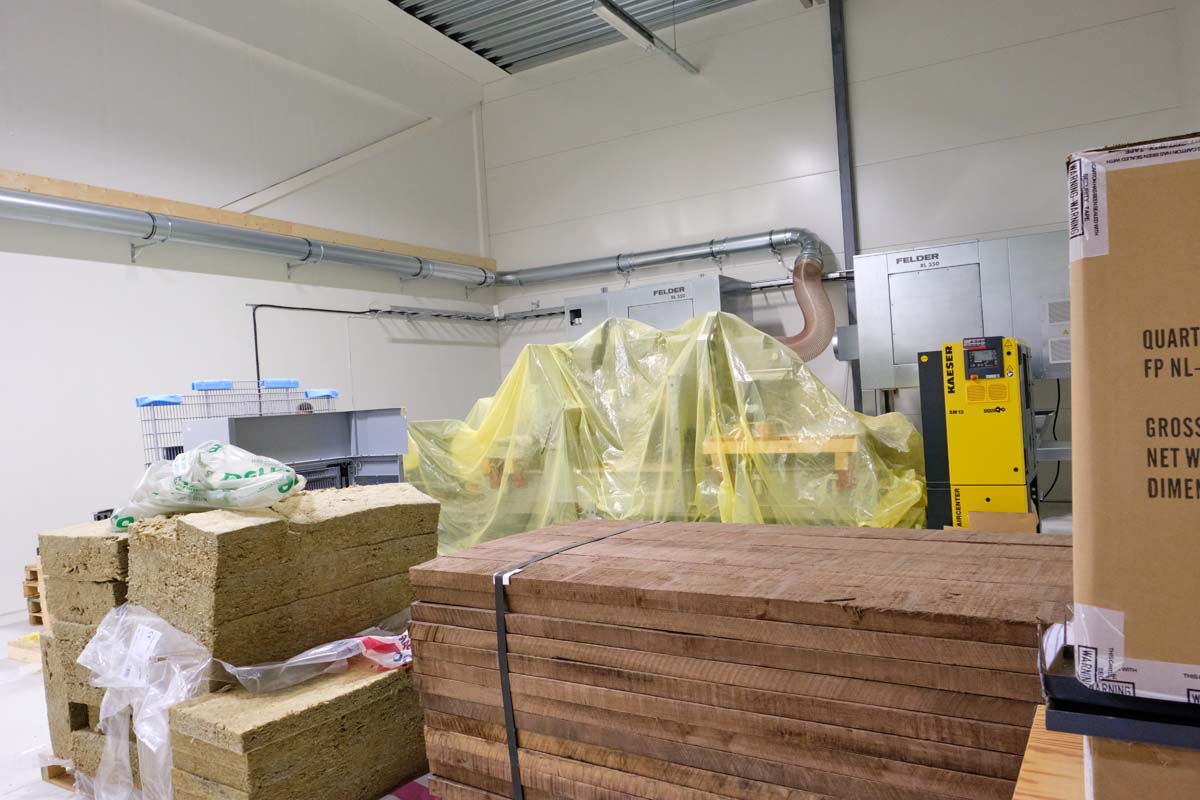
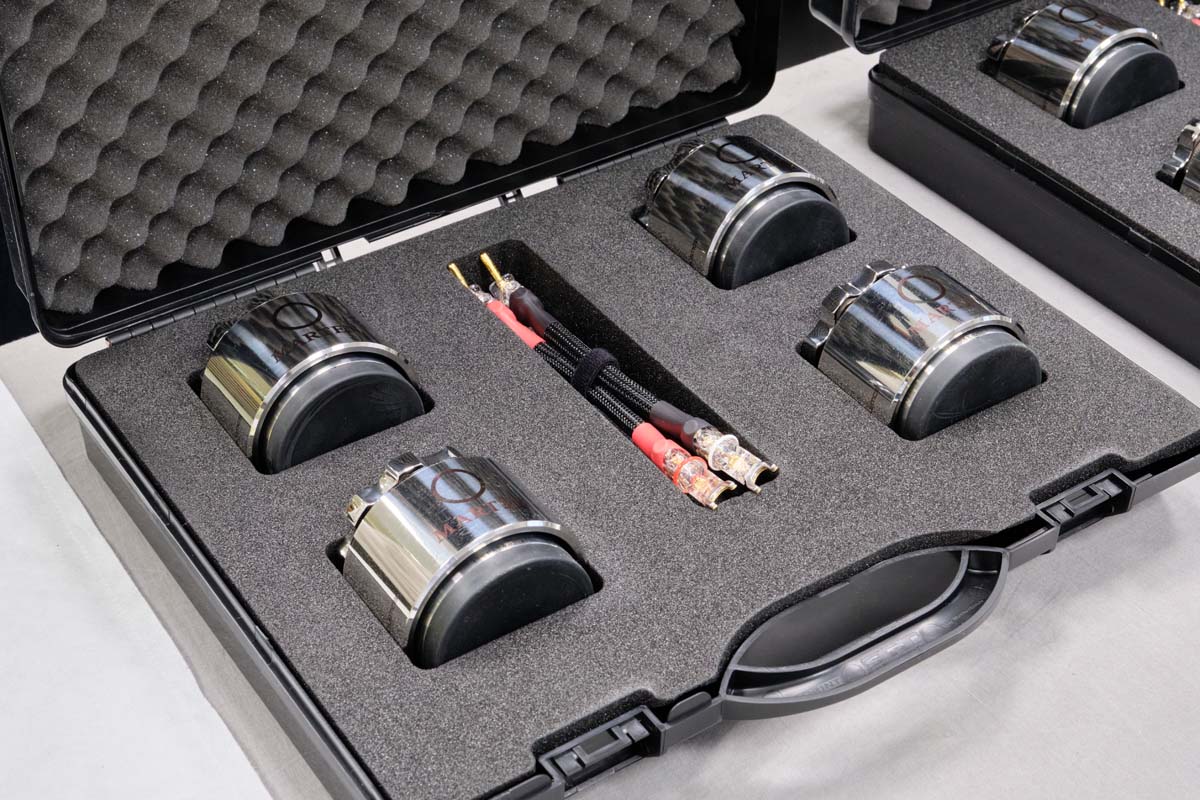
The increased space requirements are not just due to the company steadily growing, but equally due to Marten’s goal of increasing the level of vertical integration. While the speakers have always been assembled in-house, woodworking had been outsourced to specialized shops across Europe. Some of the space gained will be taken up by a new woodworking machine park featuring an impressively large CNC machine to integrate these processes as well. Having everything done not just “in-house”, but actually under a single roof should make sure that Marten can properly handle all the challenges that current and future growth bring with them.
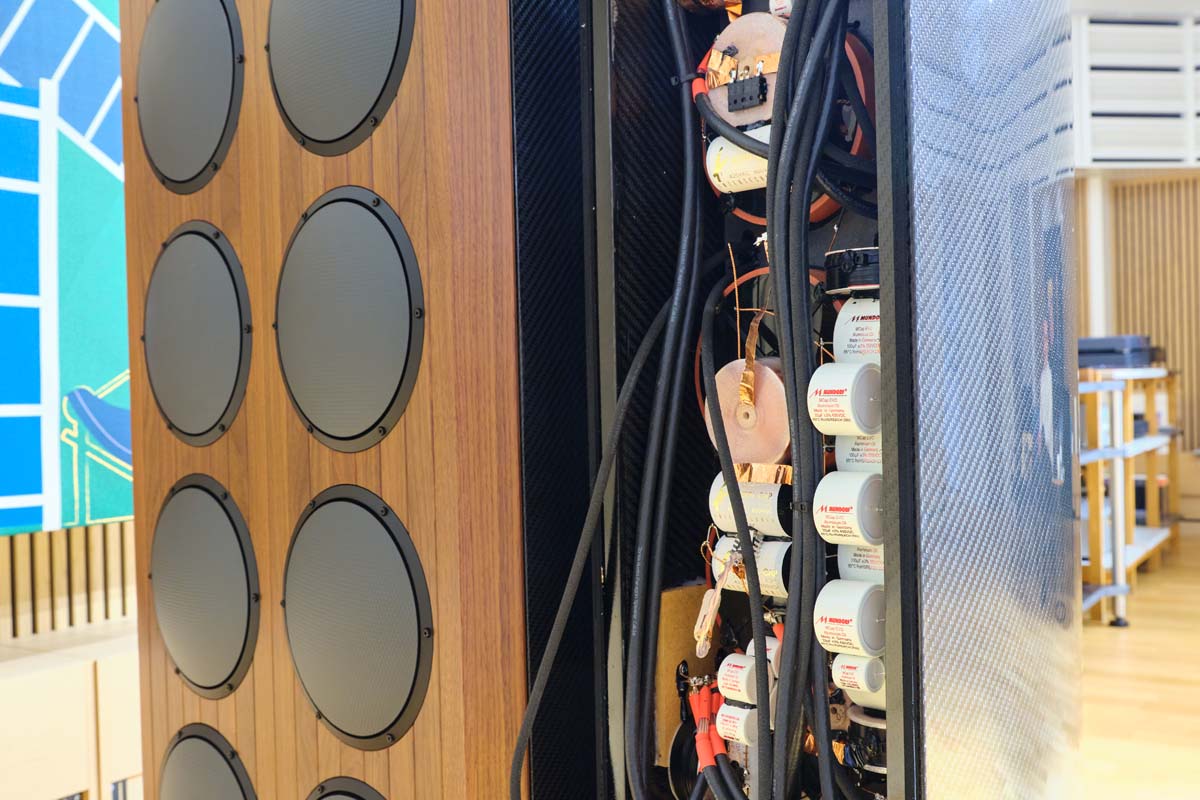
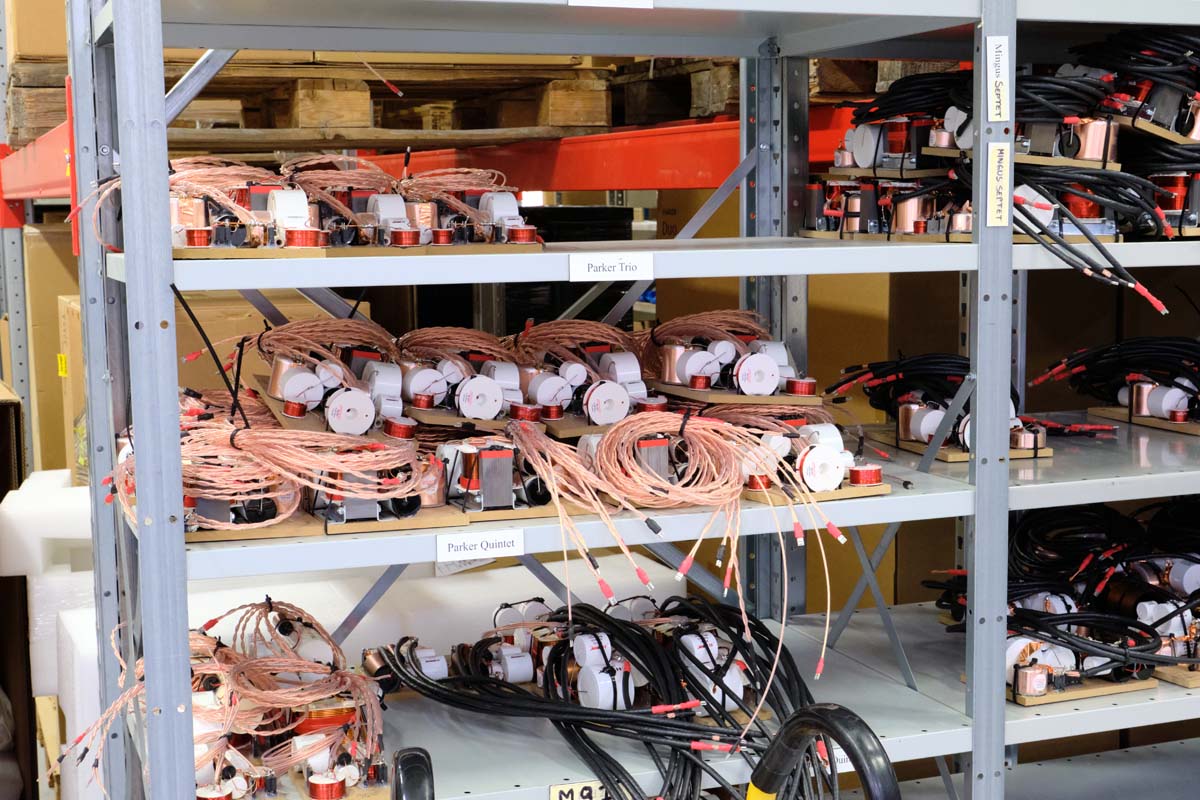
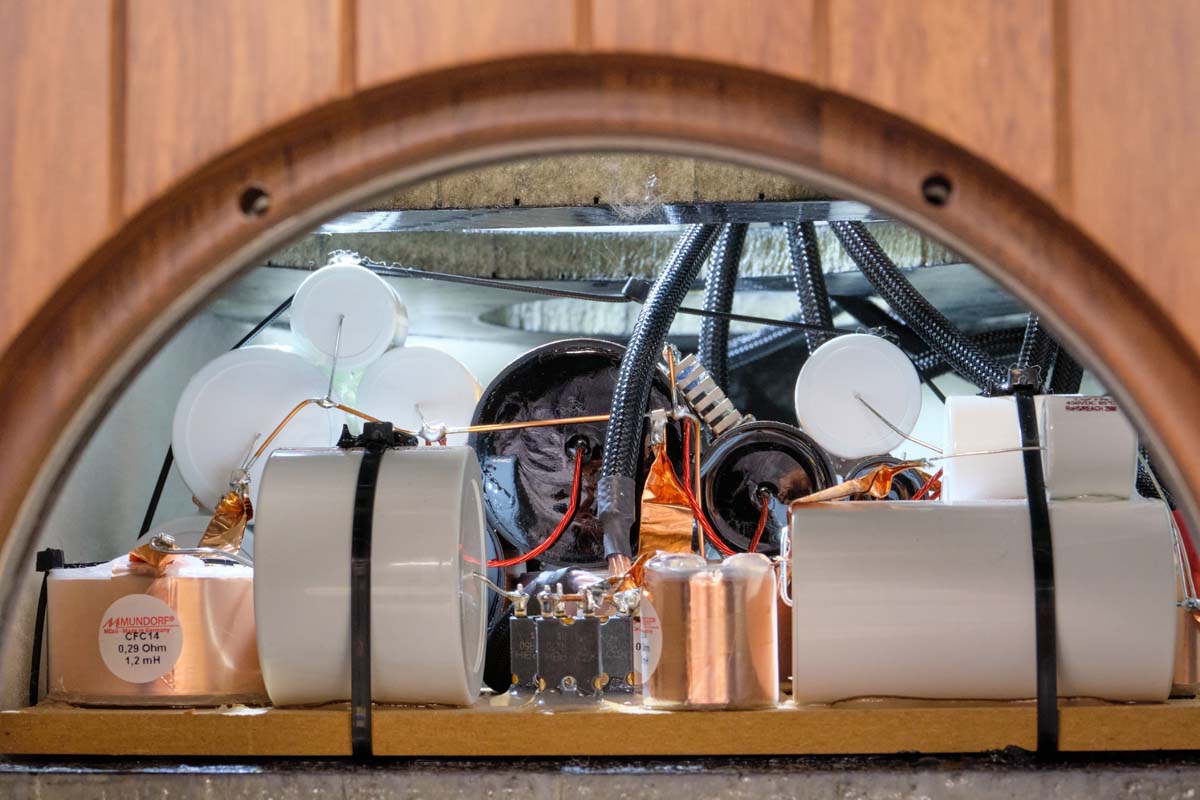
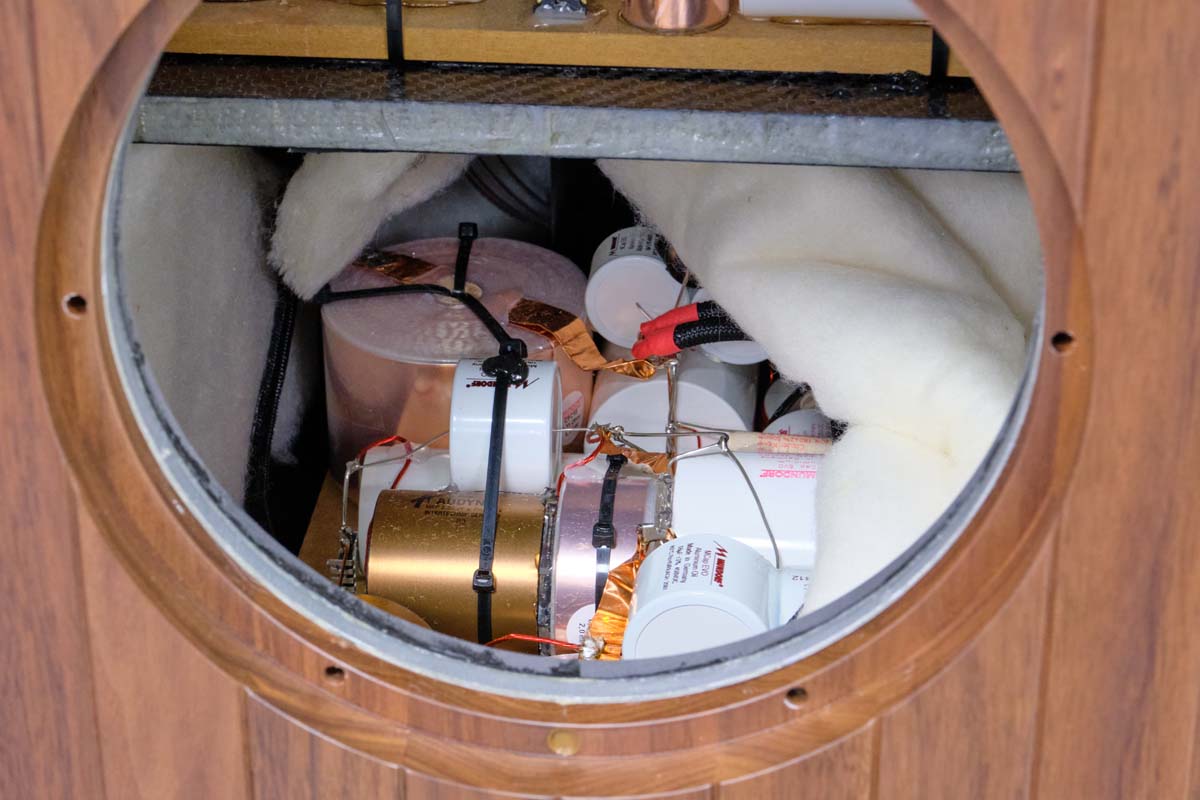
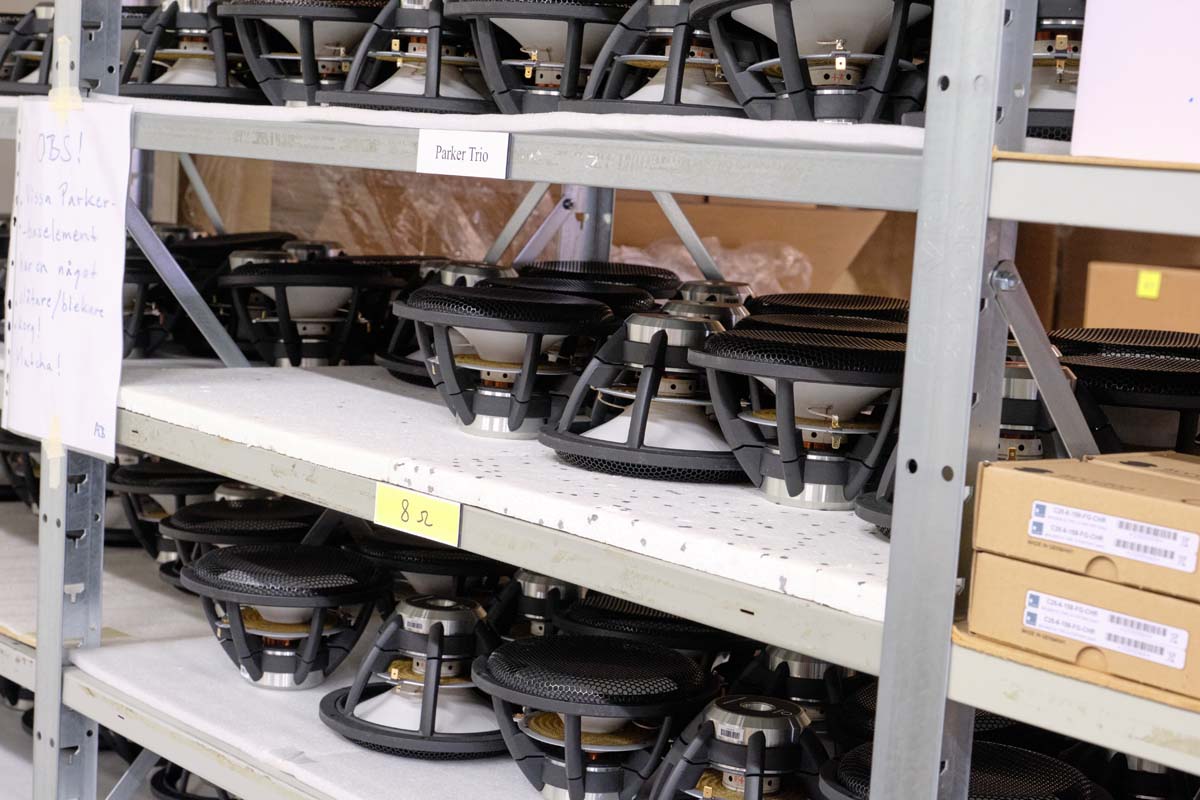
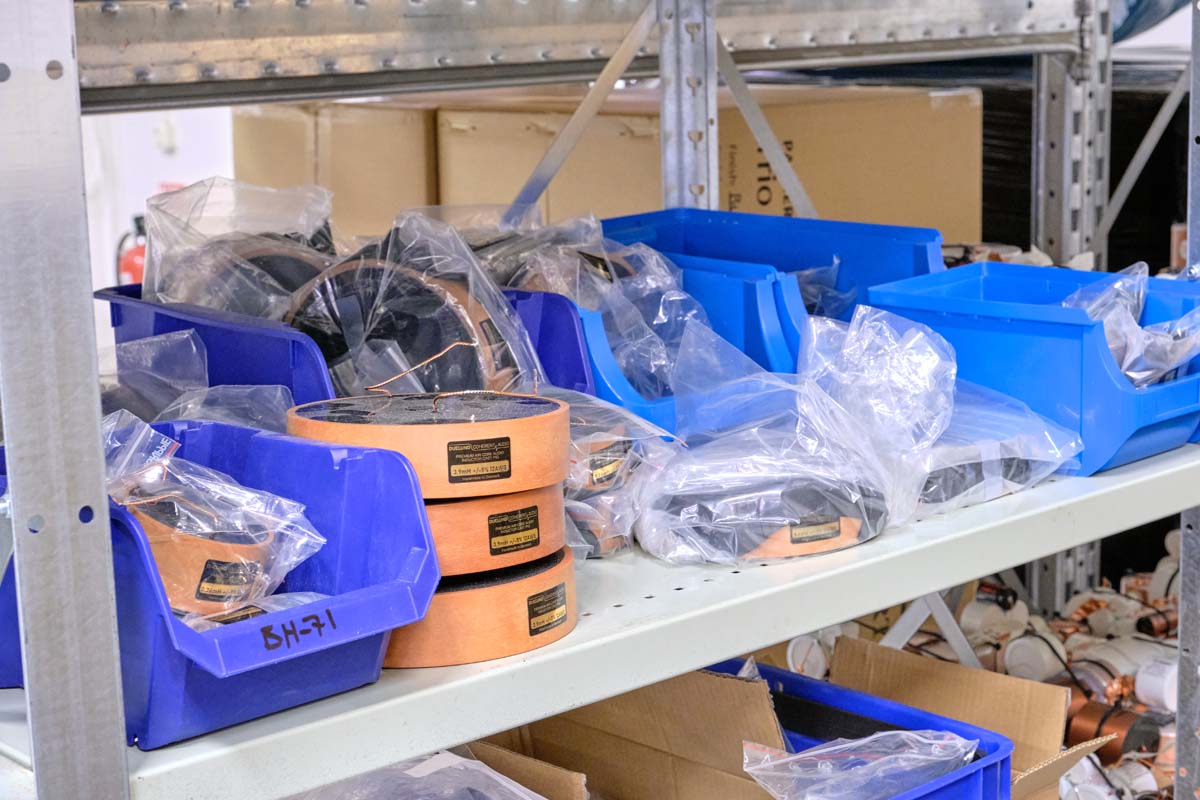
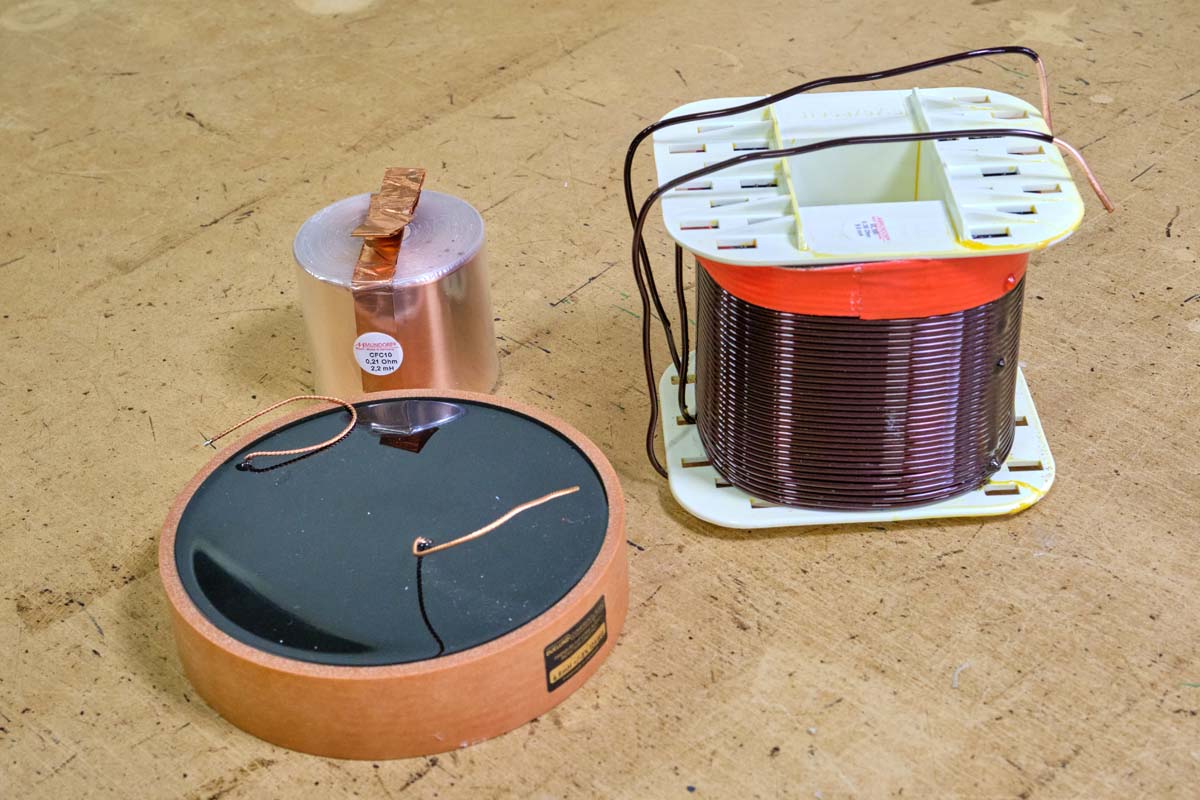
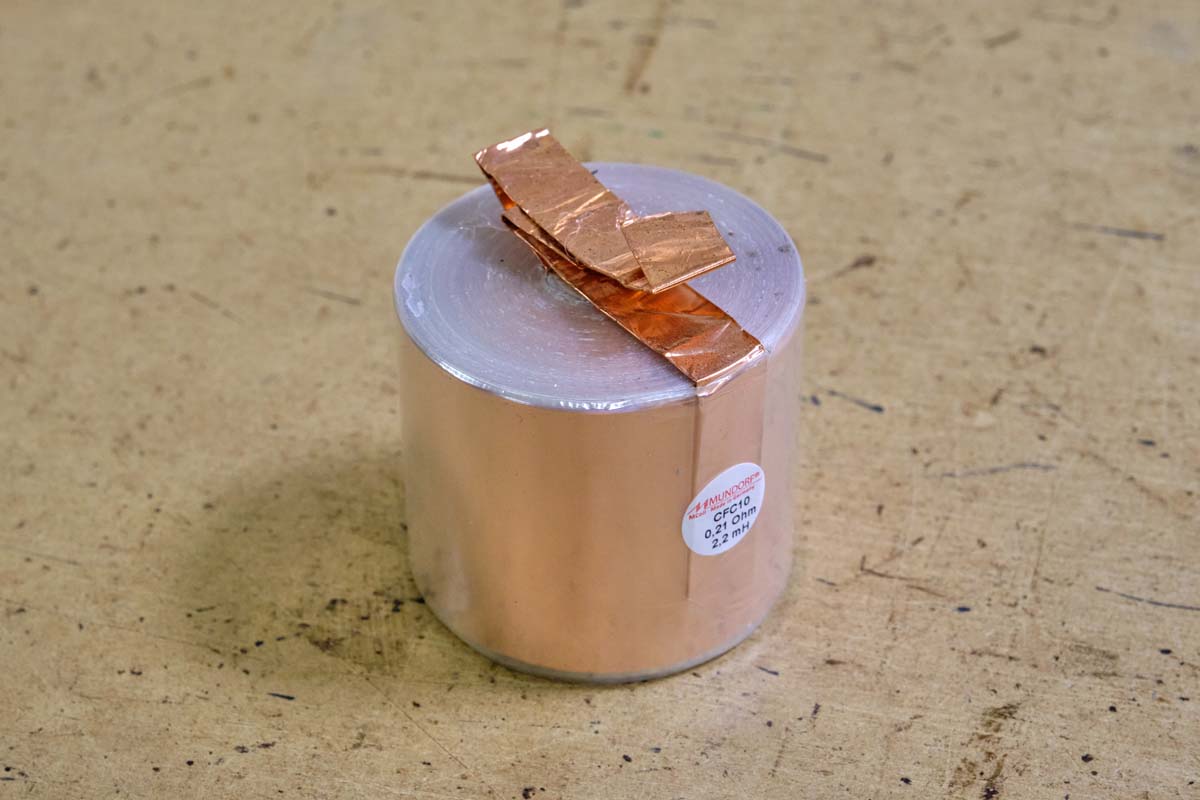
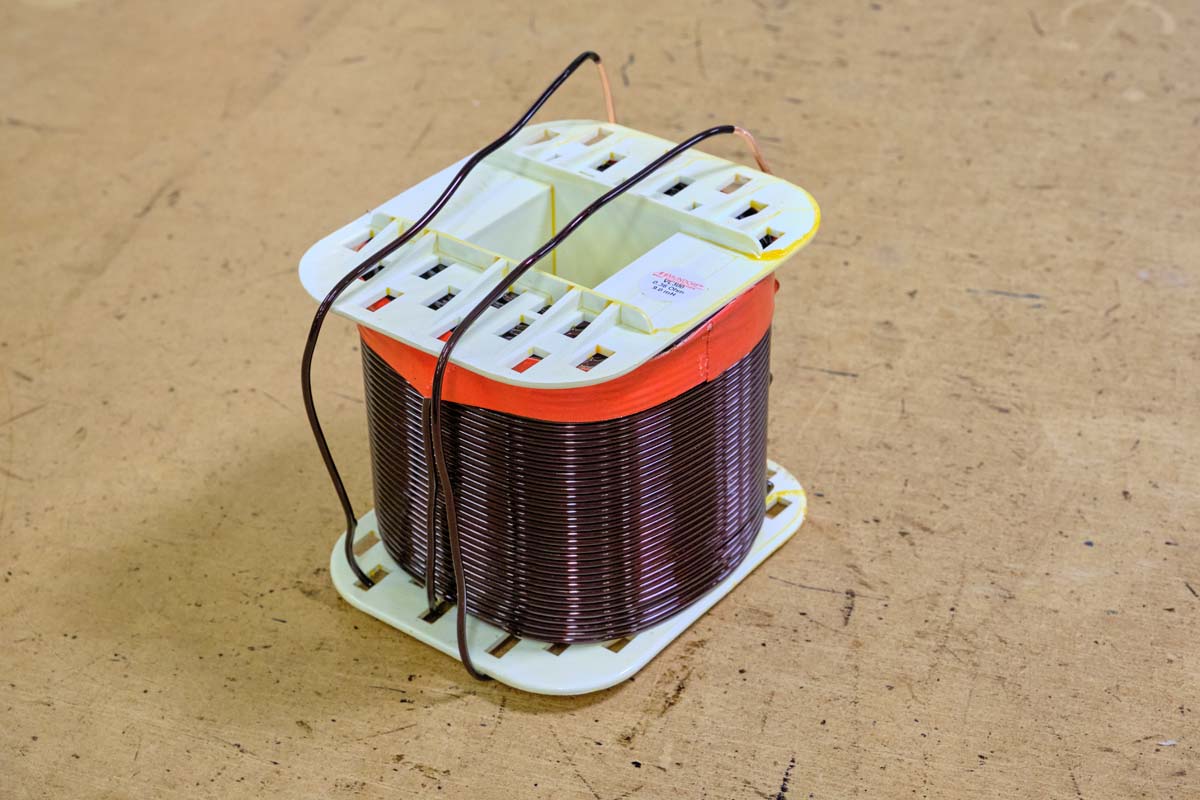
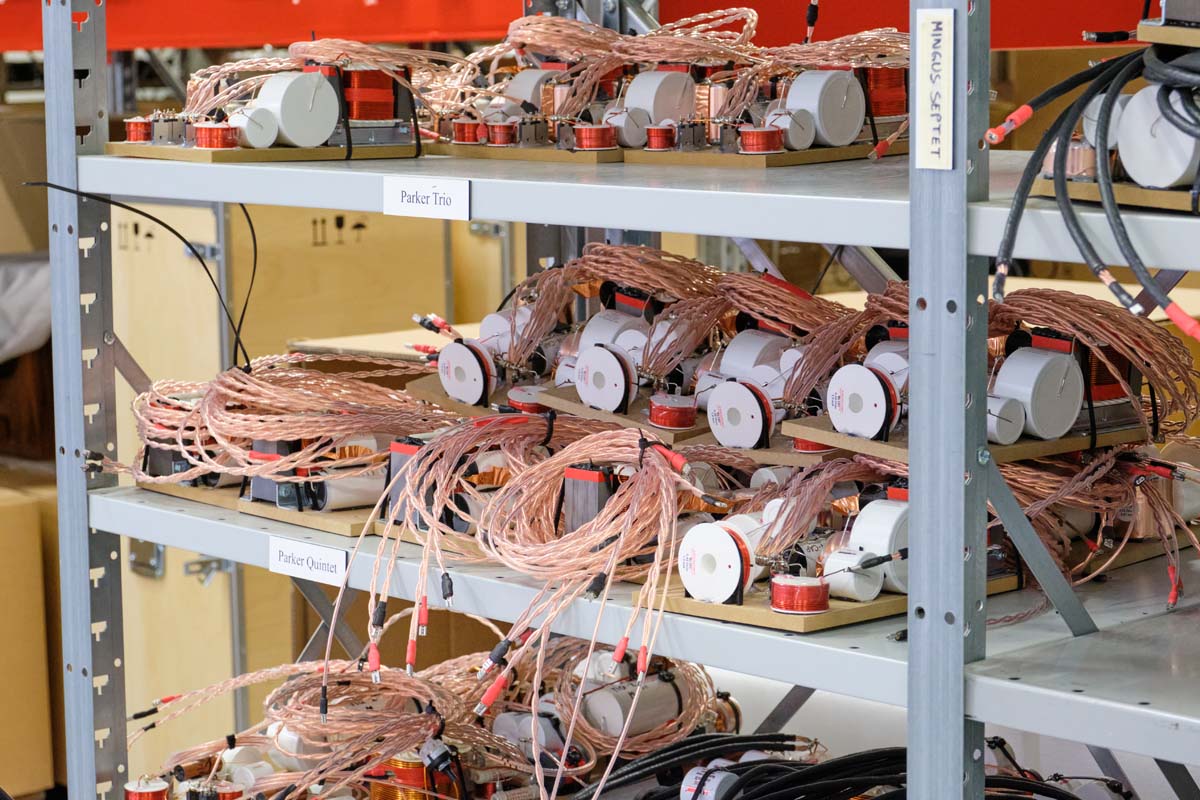
I trust you can already tell from what you’ve read so far that Marten is rather particular about the quality of their products. Indeed, when we had the Parker Quintet in for review, we were quite impressed through how much trouble you can go to construct what’s more or less a 2,5-way speaker: Every single woofer has its own low-pass filter with cascading crossover frequencies, bringing the parts count to what you’d expect in a 4-way design!
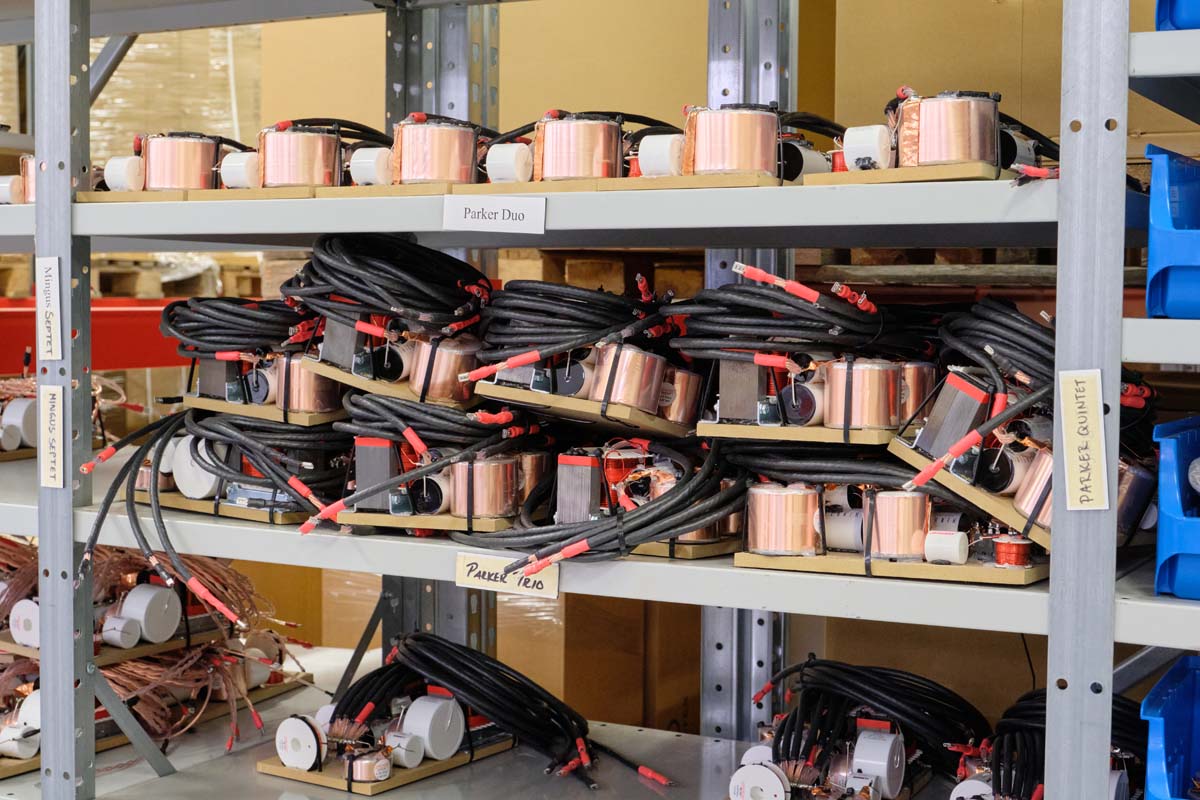
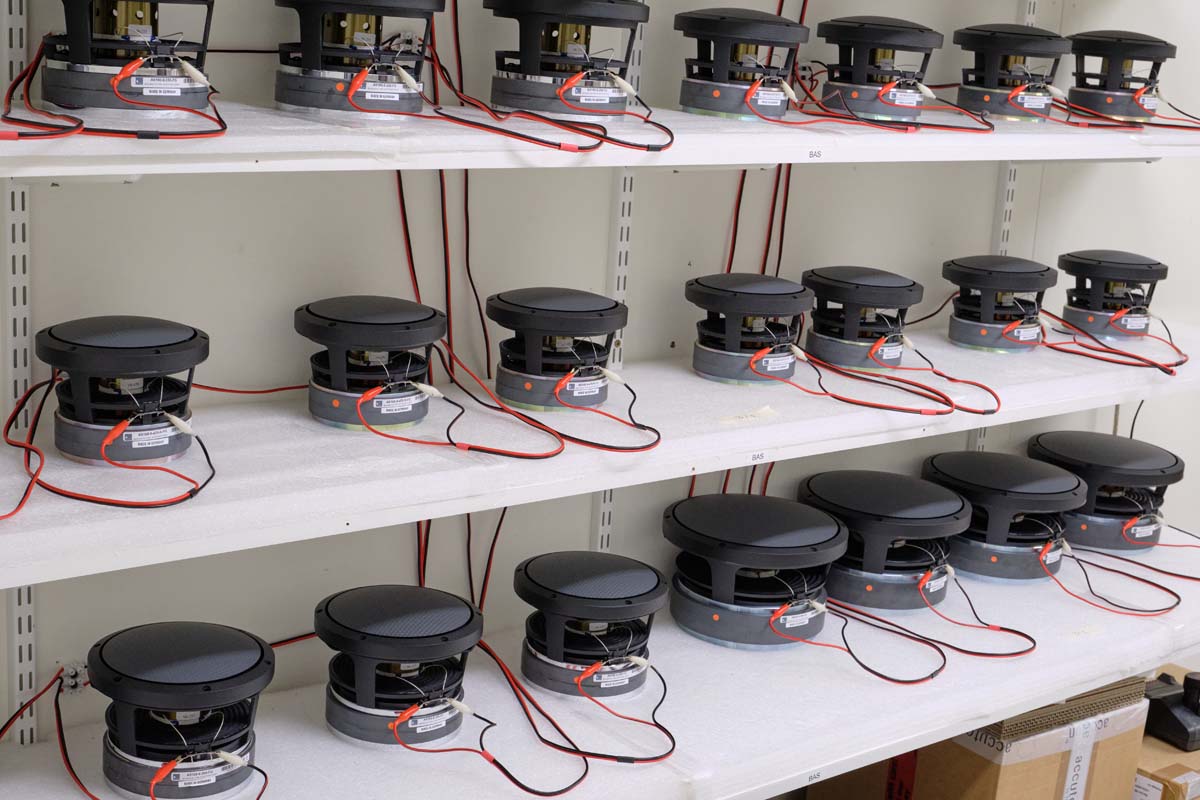
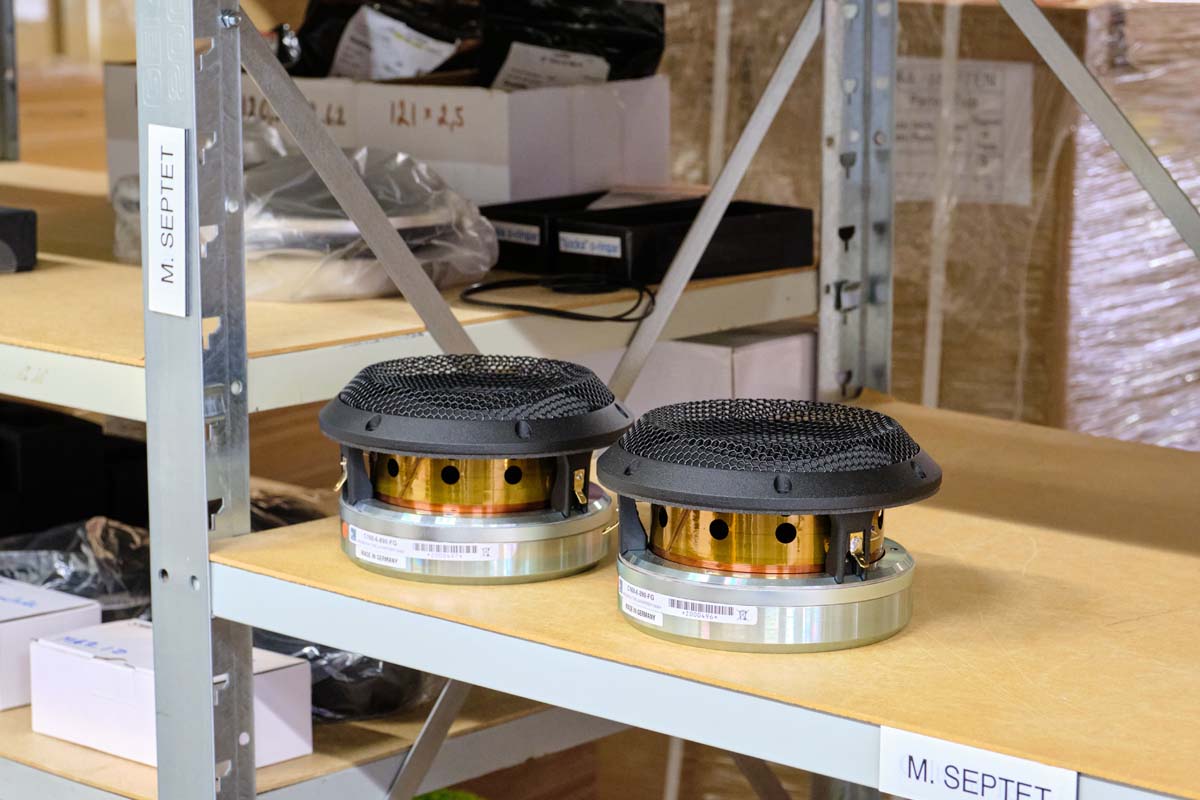
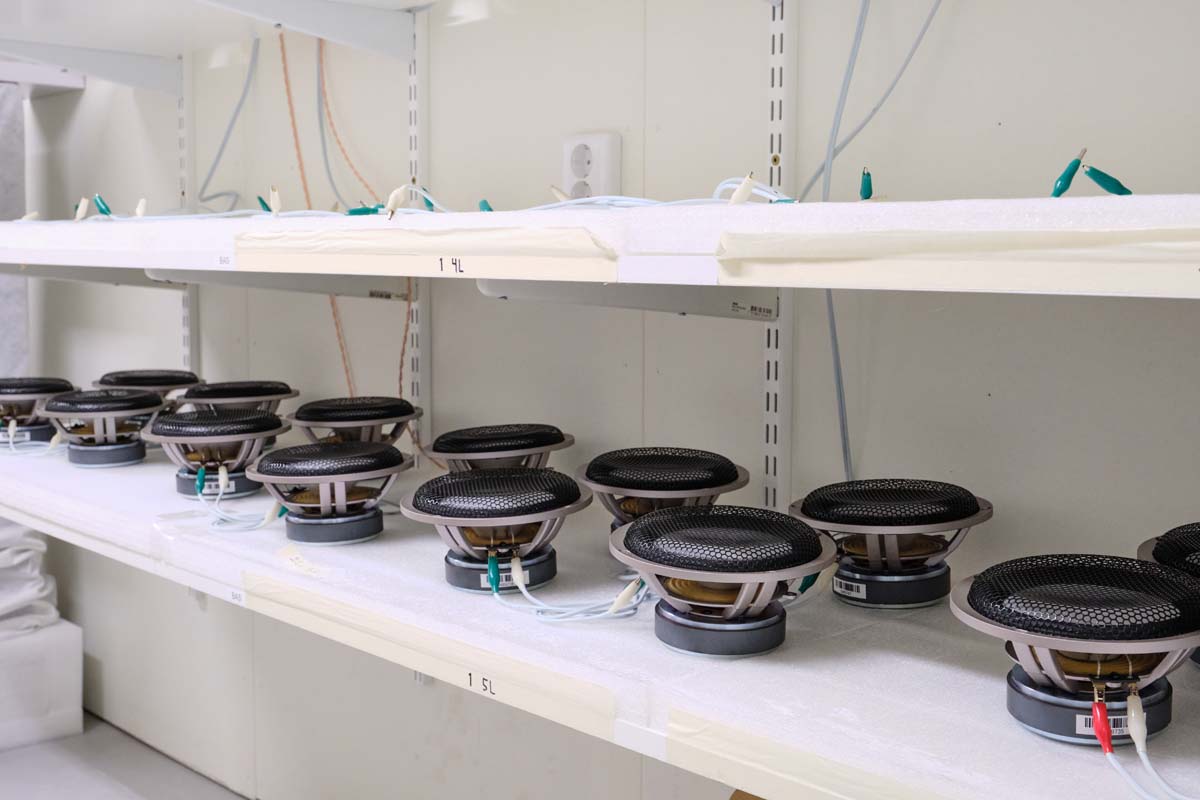
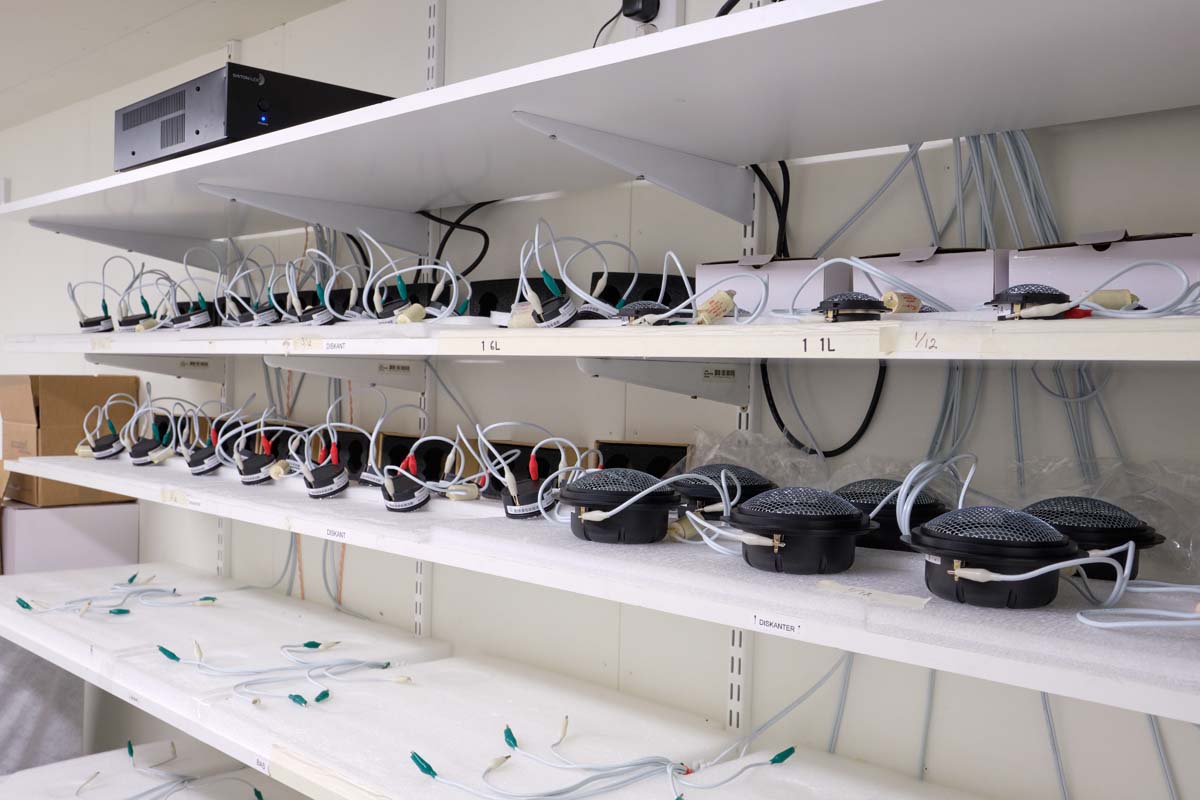
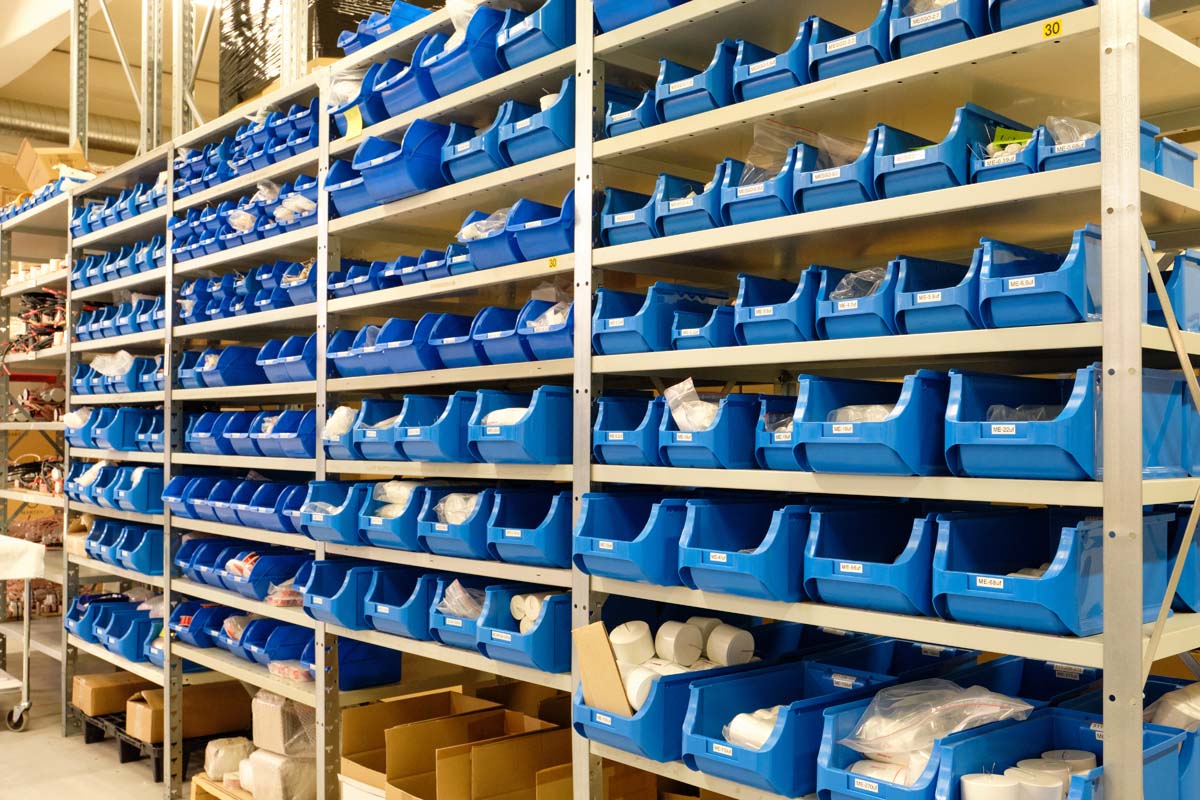
We had therefore no trouble believing that it takes around one and a half weeks to build the crossover for an even more upmarket Coltrane Quintet. To ensure perfect driver matching, all drivers are burnt-in for 100 hours at 60% of their rated power handling before the relevant measurements are taken – even the passive radiators. Should there be a defect, drivers are also always replaced in matched pairs.
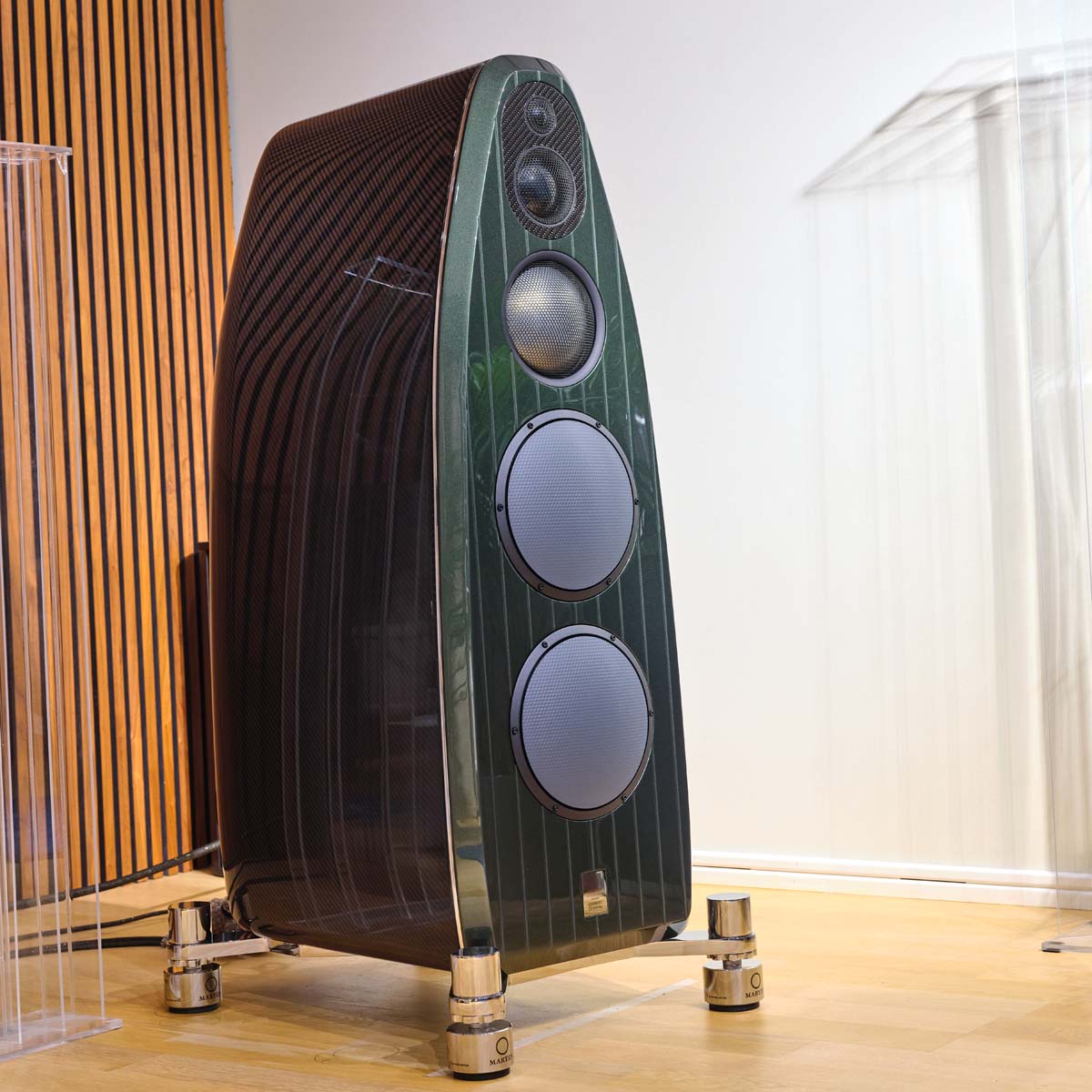
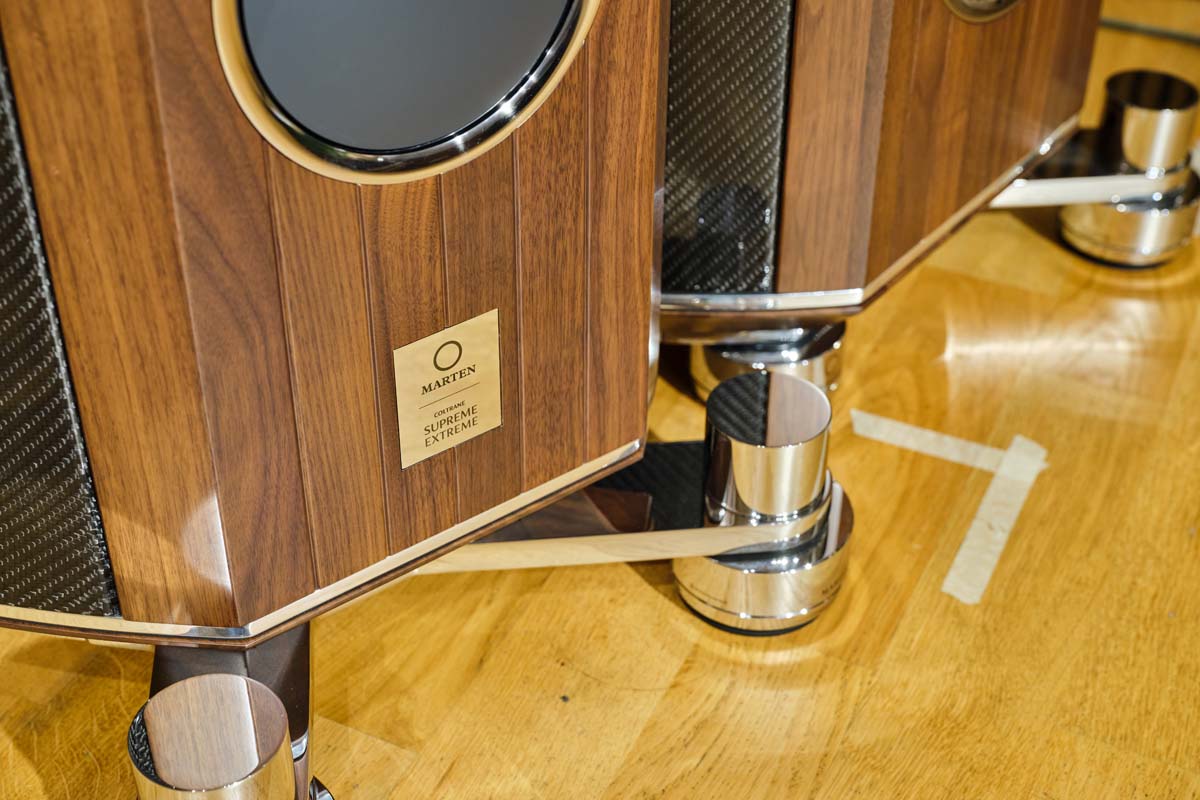
As mentioned before, all wooden cabinets are made in Europe, with the carbon cabinetry being sourced from a specialist in Malmö. The wooden panels receive 15 to 17 layers of varnish each, where the wood strips are only matched after the first layer is applied, which makes the woodgrain easier to see. As with everything at Marten production, this process takes time: six months pass from receiving the raw materials to a wooden panel being ready to fit.
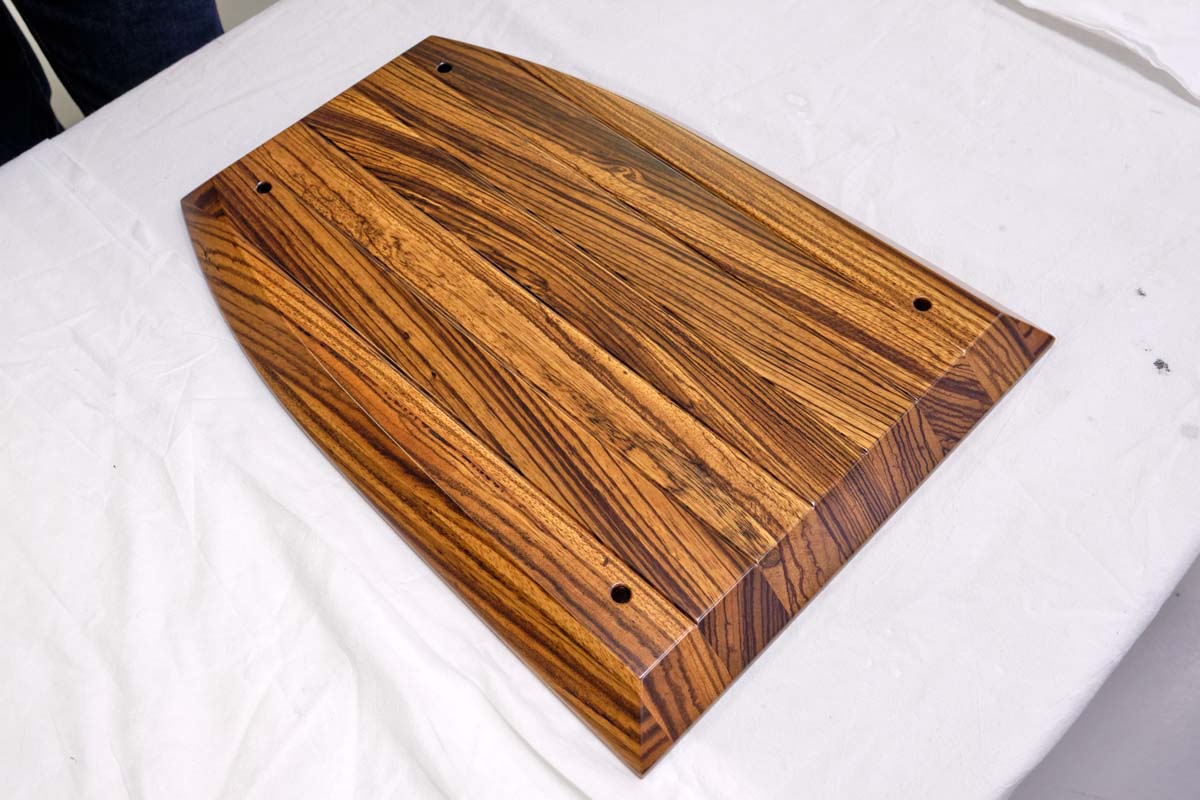
It takes little wonder that the Swedes would want to move woodworking into their own premises to ensure they have a close watch over every single step along the process. Not doing things the cheap way is a core part of the company philosophy. At the extreme end, it takes 800 man-hours and, among others, 400 square meters of carbon fiber to make a pair of Coltrane Supreme Extreme.
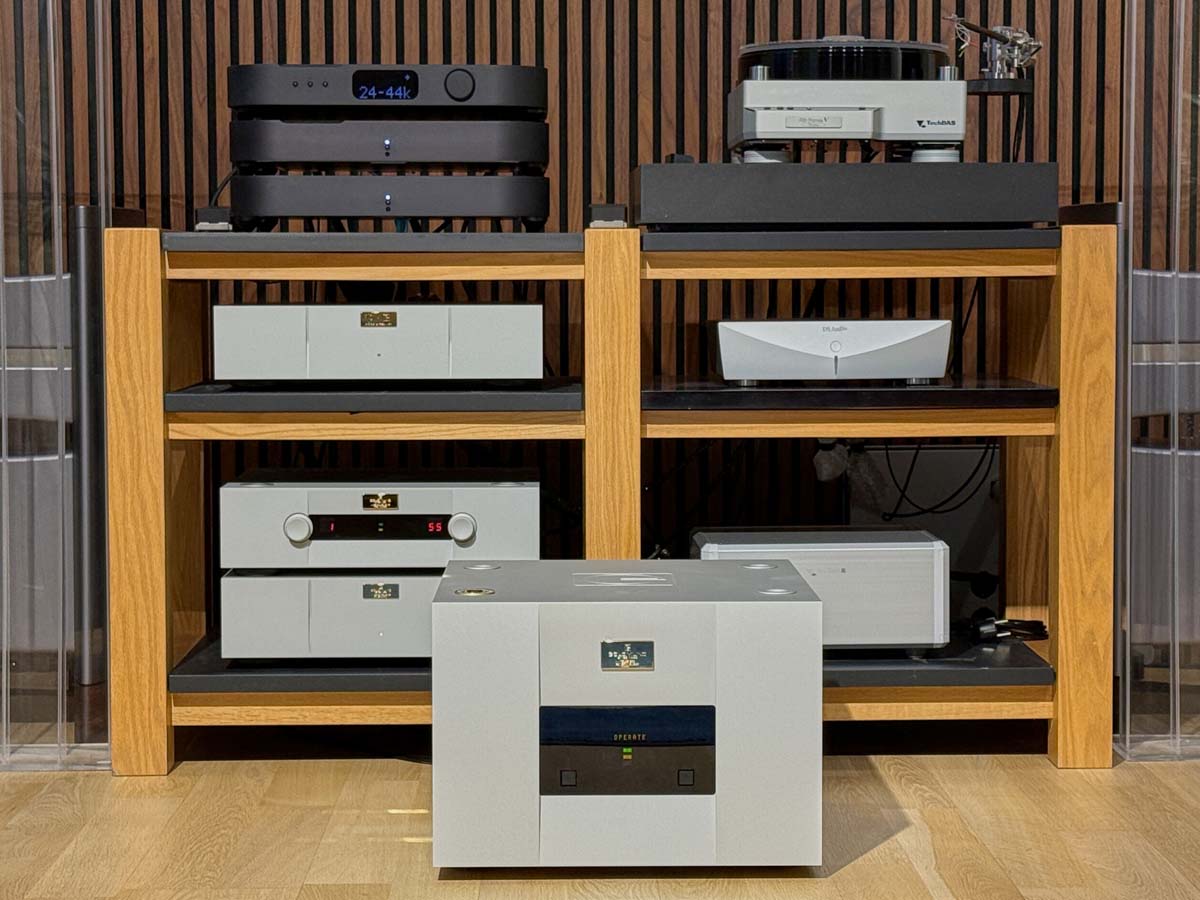
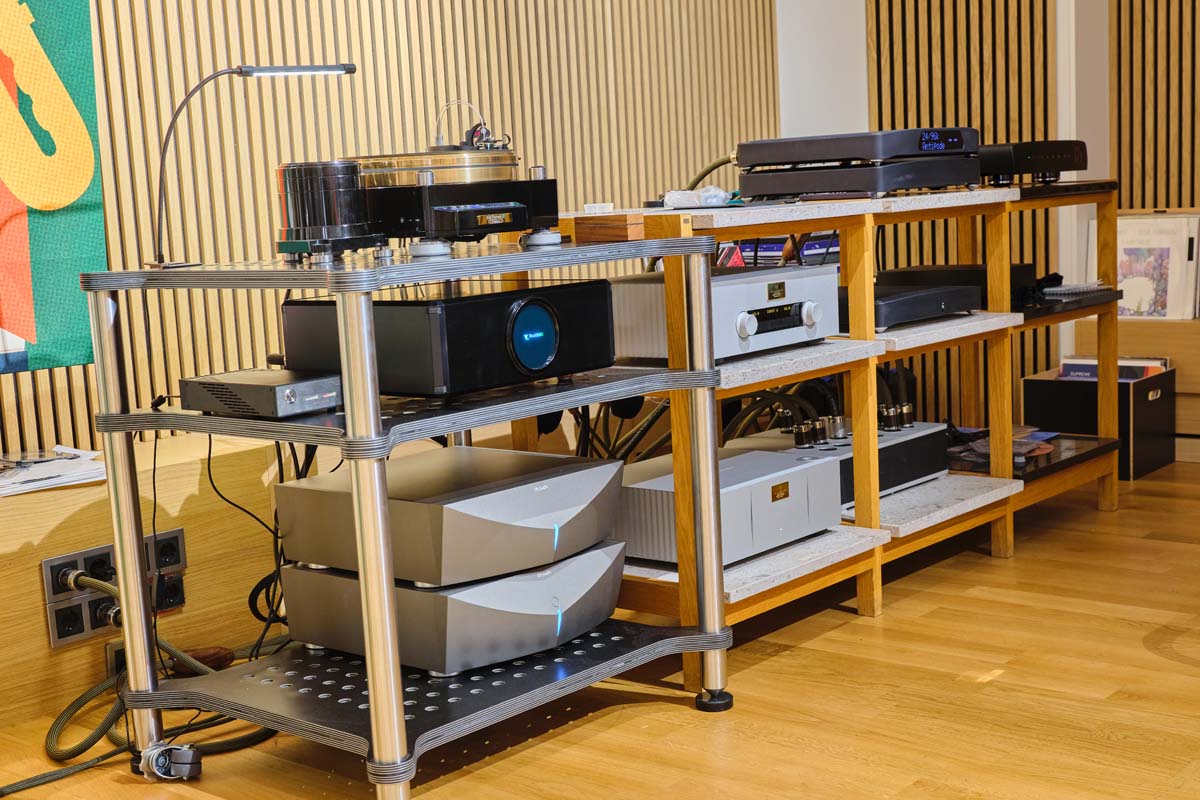
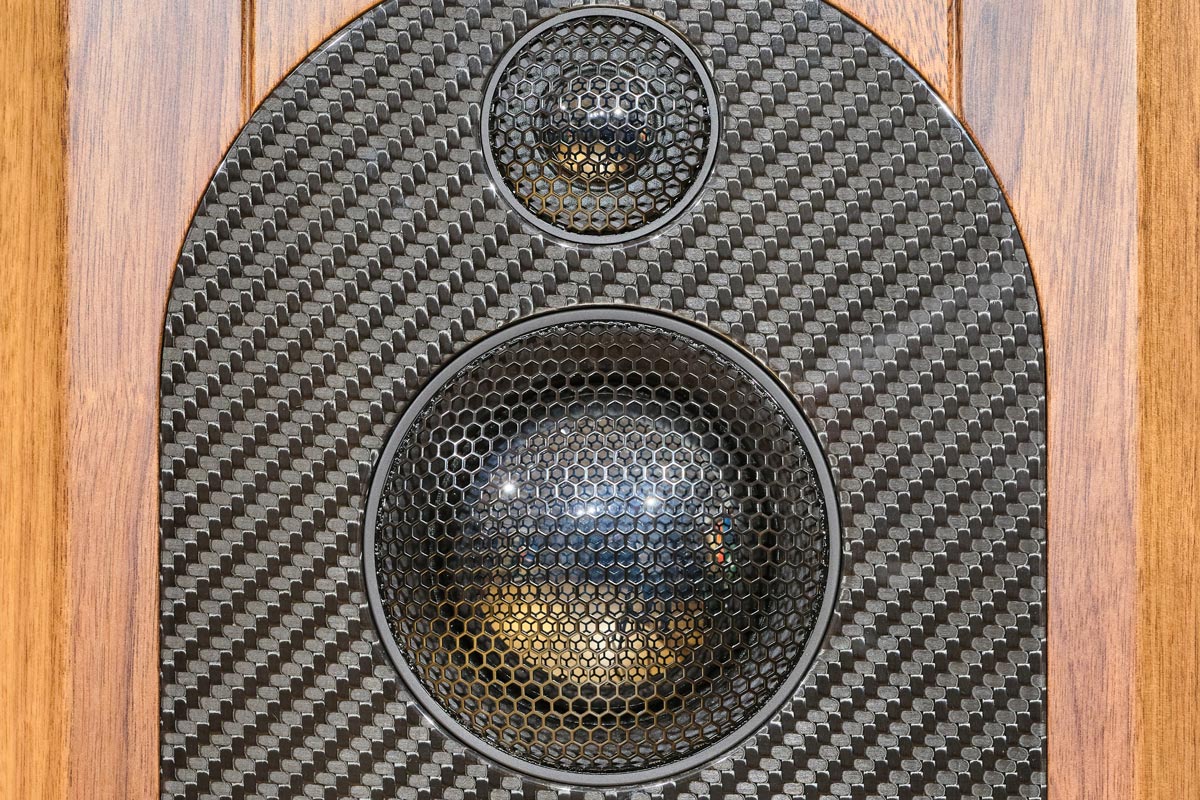
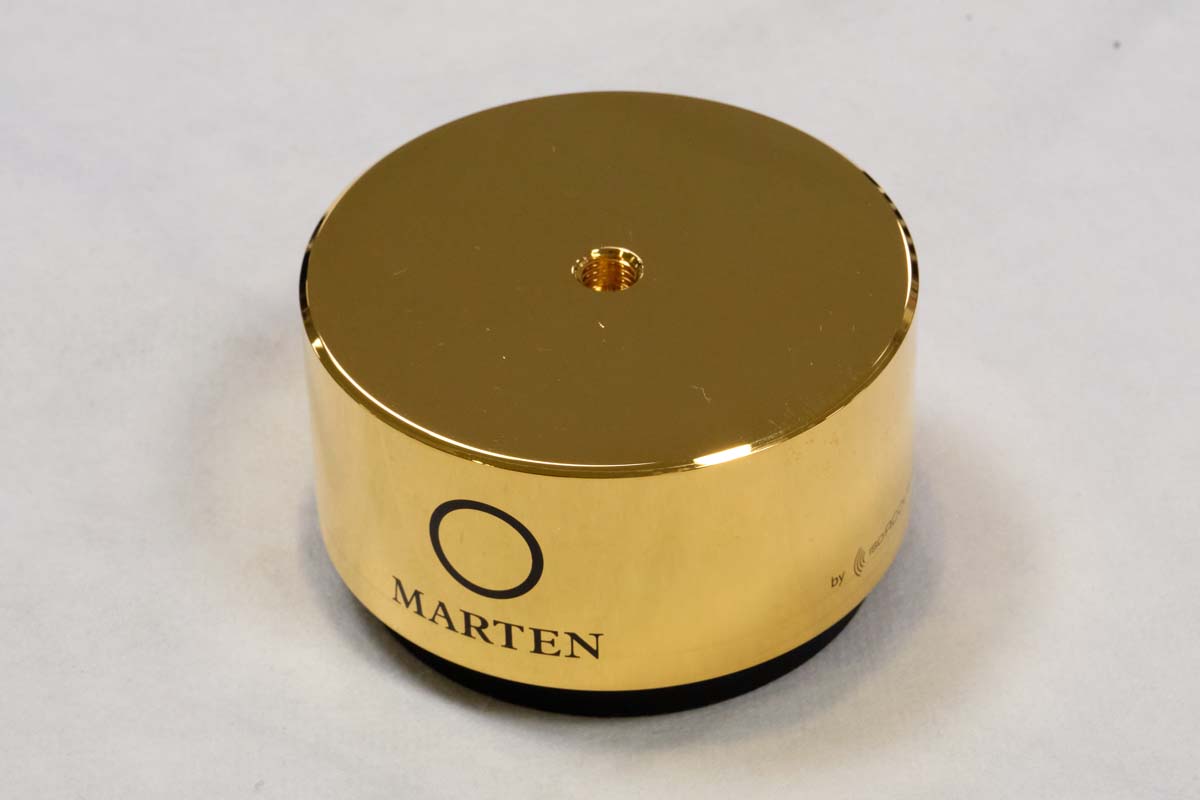
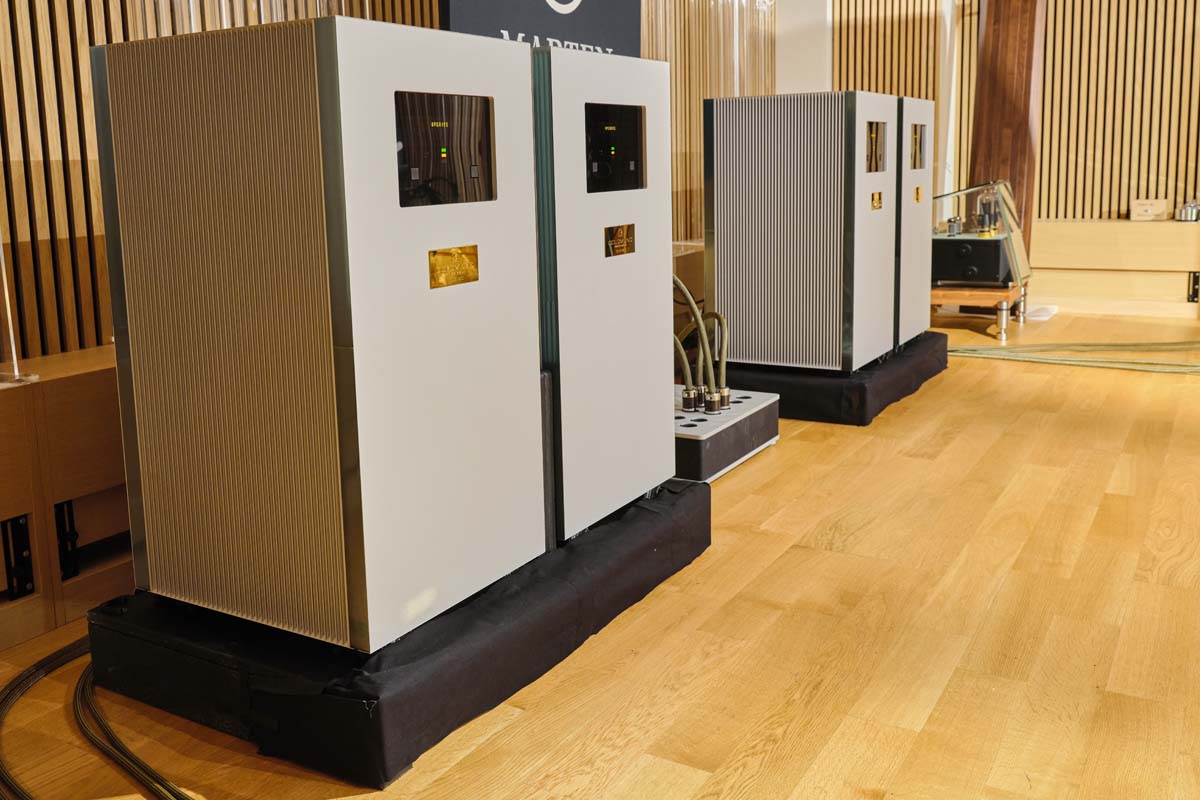
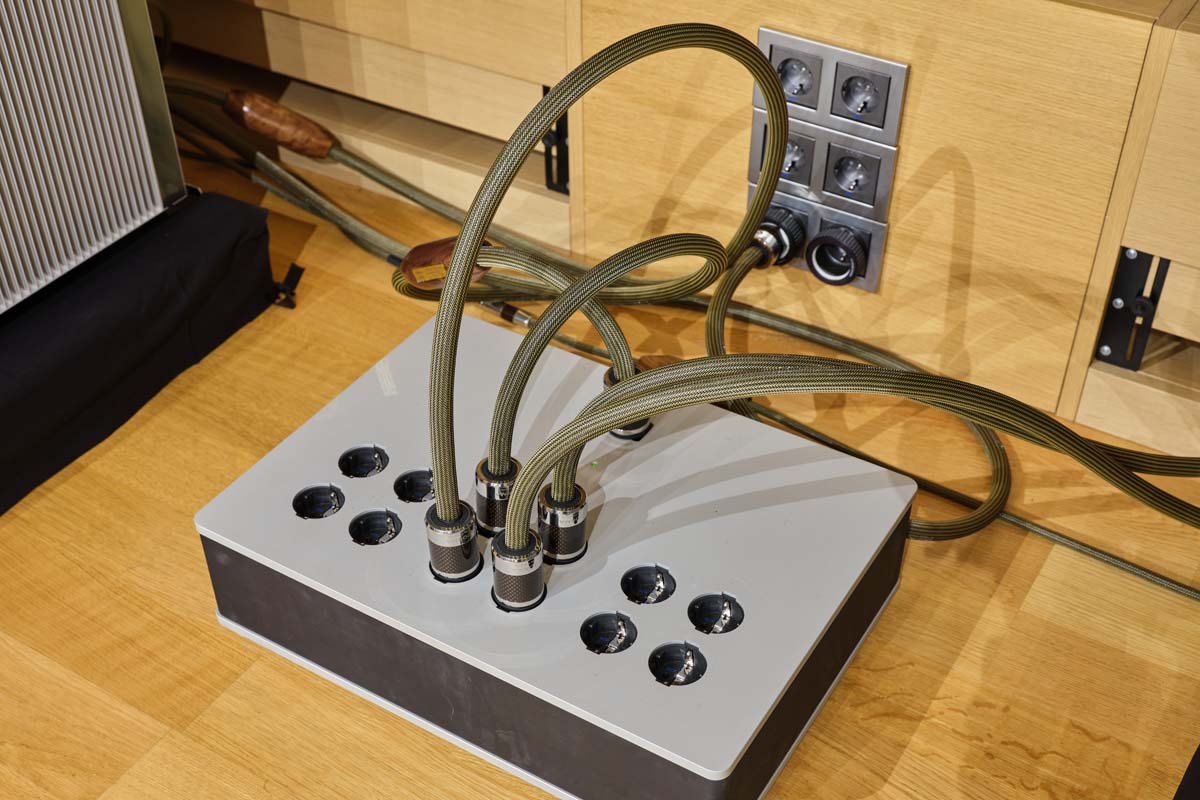
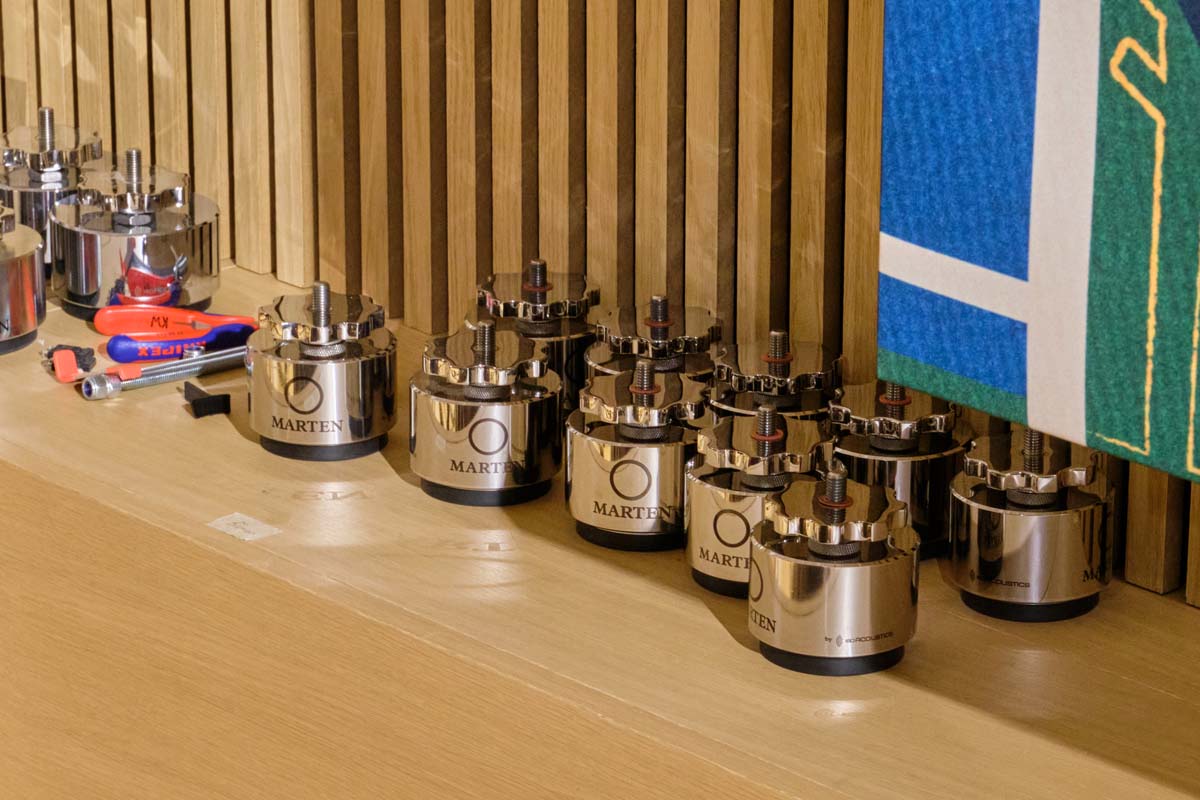
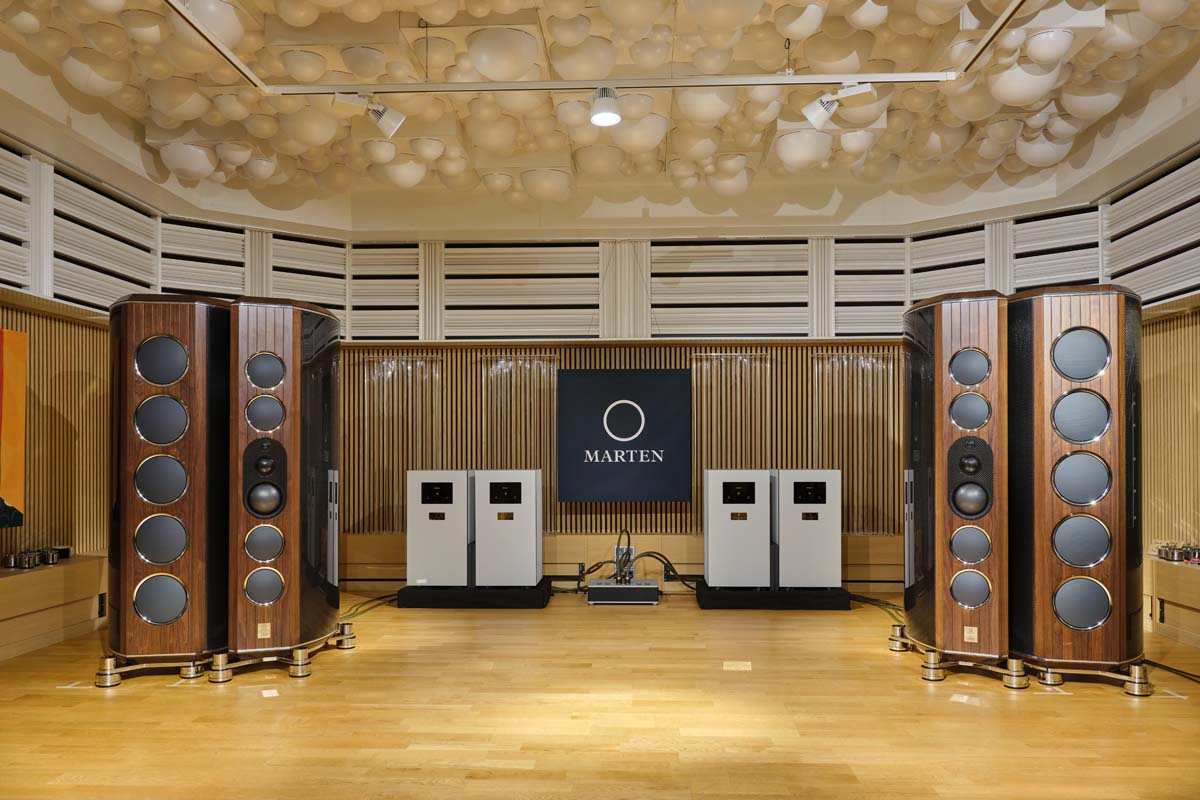
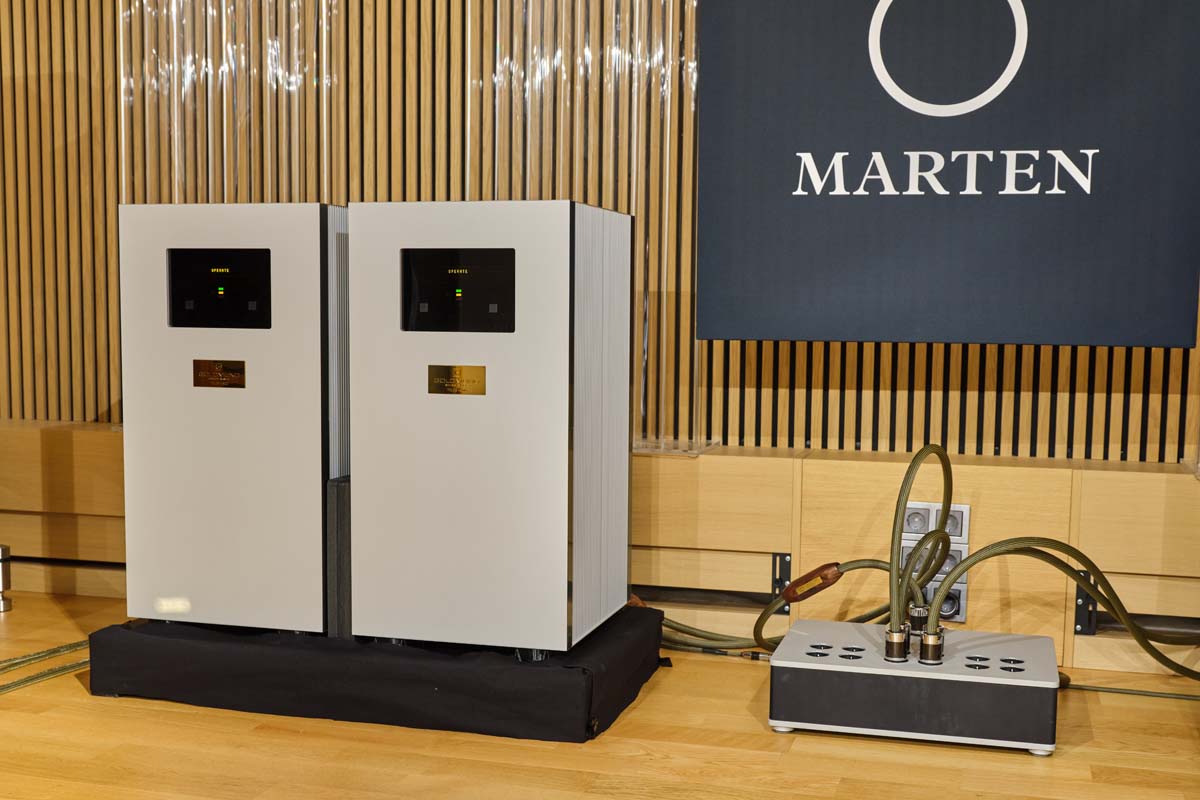
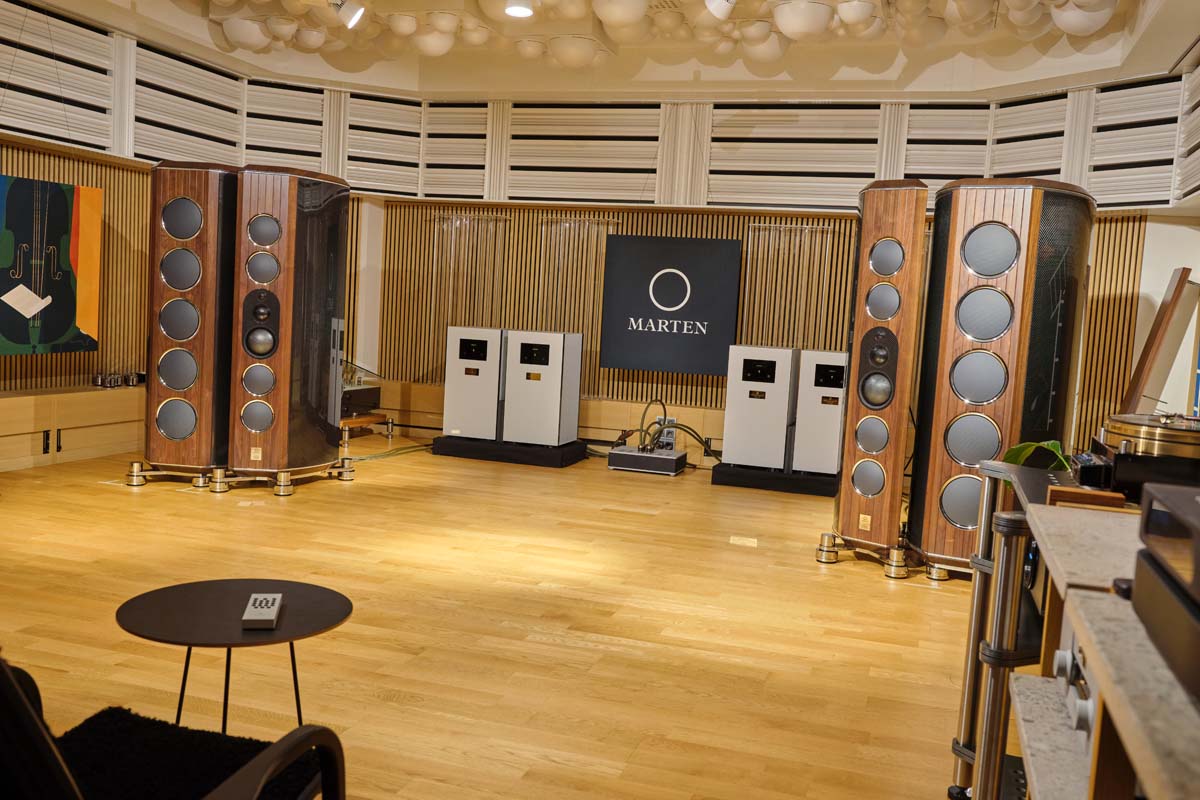
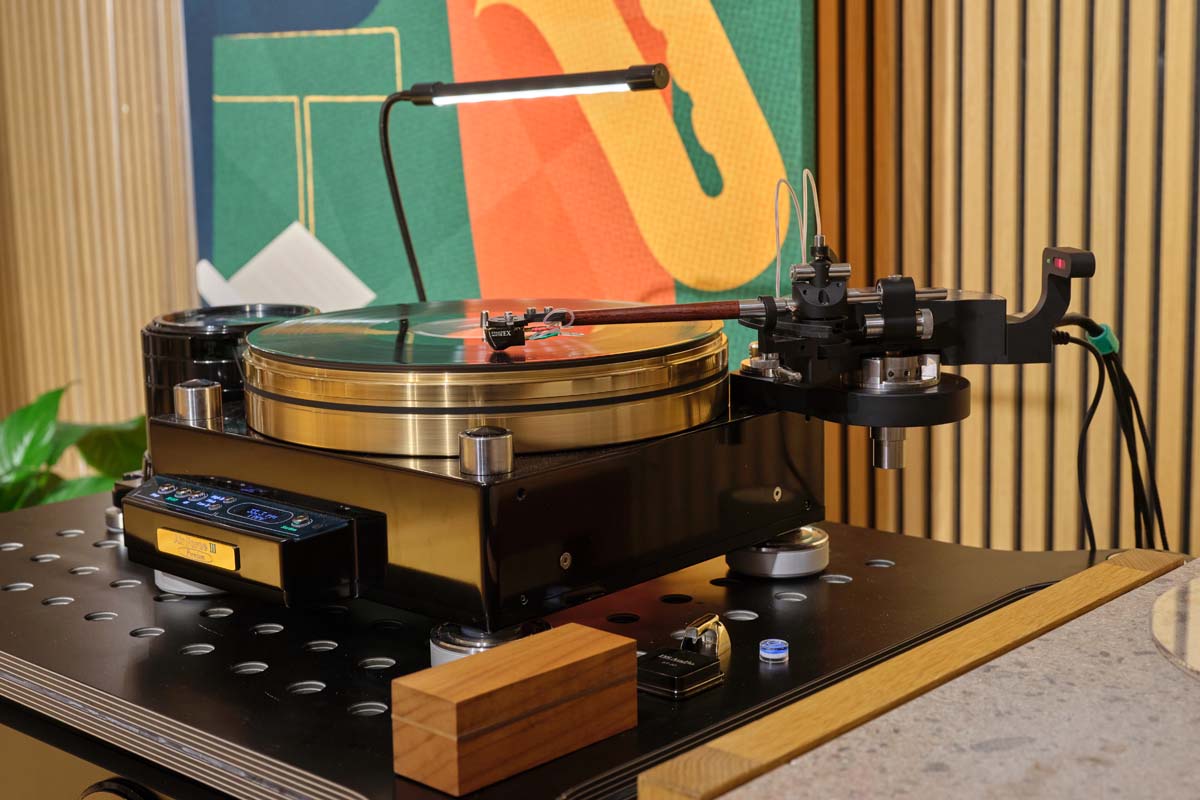
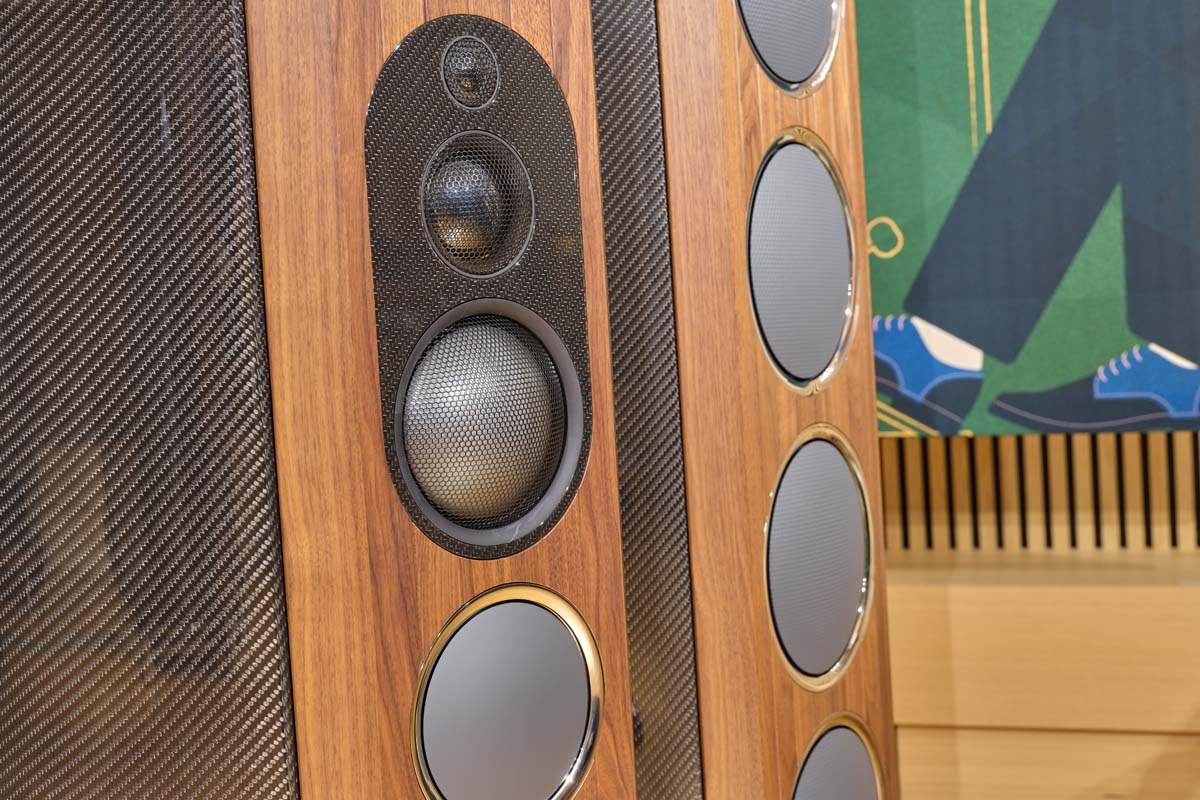
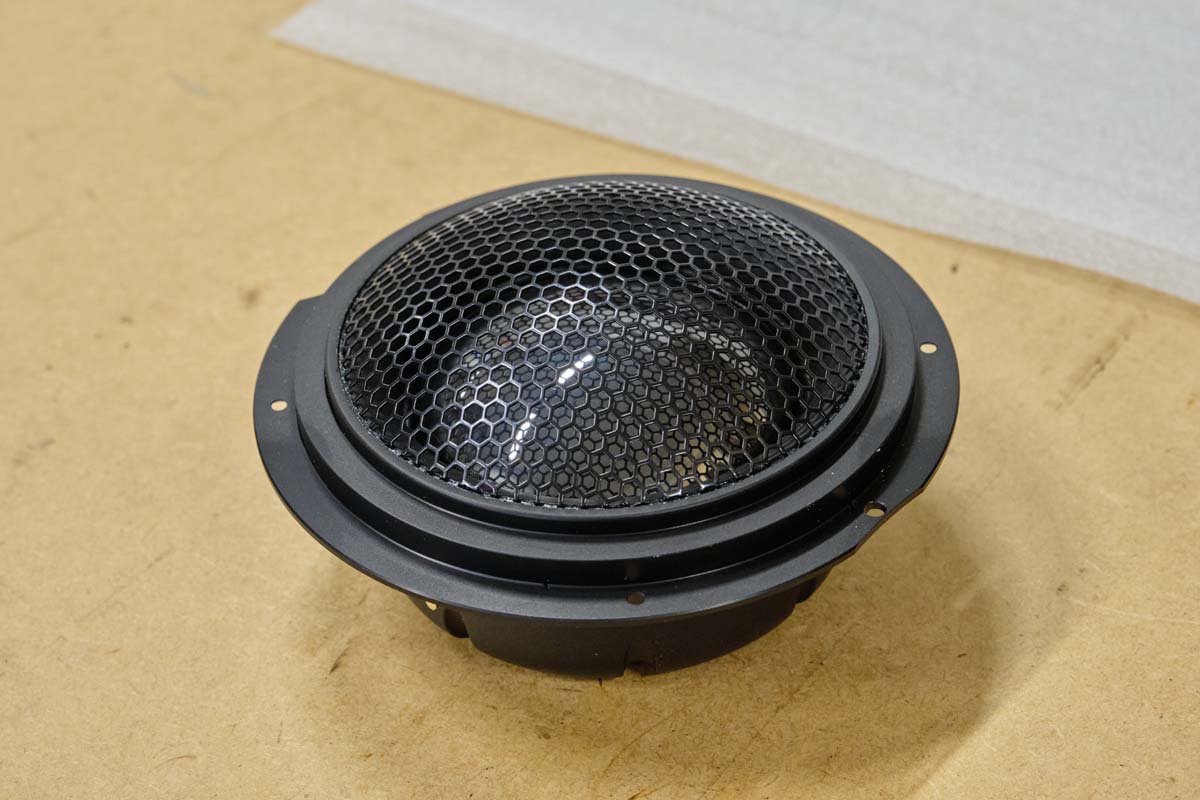
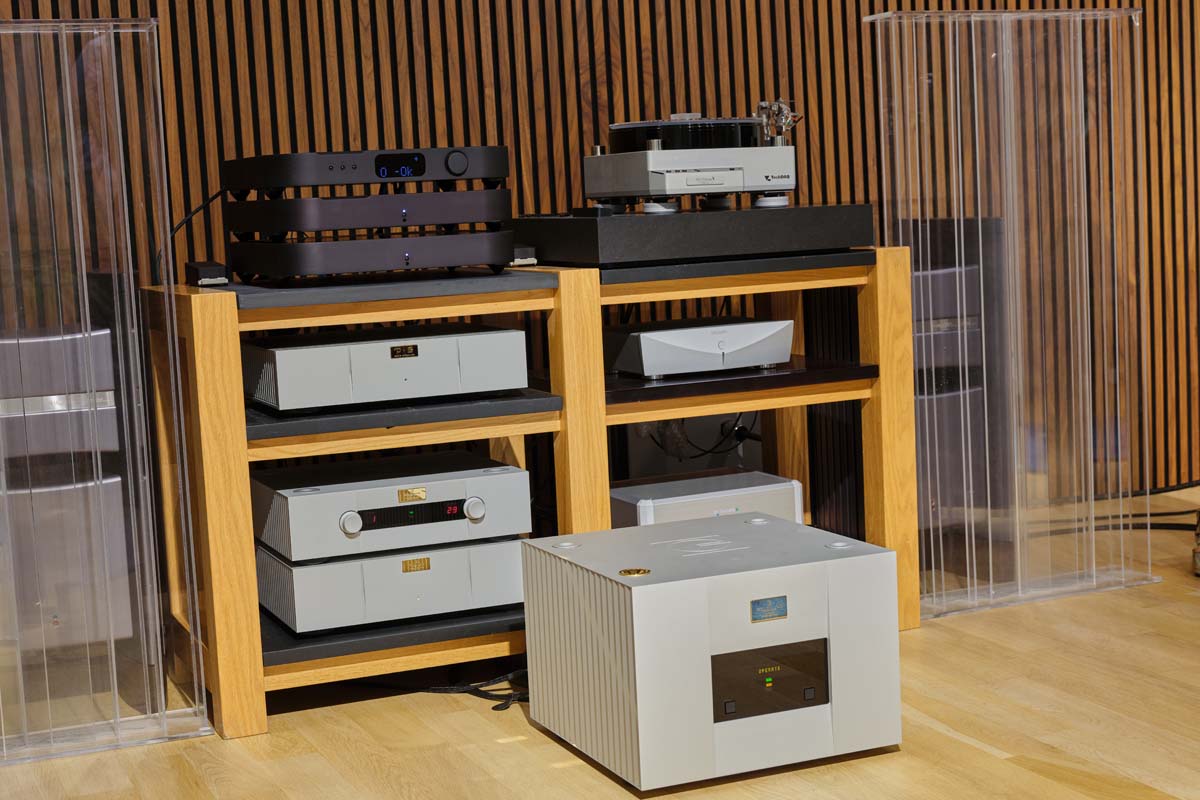
When it came to listening, we weren’t surprised one bit to find that the folks at Marten are every bit as meticulous about the setups and showrooms as they are about designing and building their speakers. Just like we’ve experienced at the High End, the rooms are kitted out to the last square inch with a coherent treatment concept by SMT Acoustics. TechDAS turntables and MSB DACs feed music to the Goldmund pre-/power amp combos that drive the speakers – obviously, only the very best will do. As the most ambitious warm-up-exercise of the year, we got to listen to the Coltrane Quintet Extreme, and were already treated to a performance that blew the question of “could it sound any better?” right out of our minds. Incredible fine detail retrieval should come as no surprise given the driver complement boasting diamond diaphragms for the treble and upper midrange, a seven-inch beryllium mid-woofer plus a pair of ten-inch aluminum honeycomb woofers.
What really impressed us, however, was that for all their clarity and texture, they never sounded artificial but rather dragged us right into the music with a perfectly natural liveliness. On a sound stage that extended well beyond the base width, everything that happened on the recording was given equal weight, the Quintet Extreme illuminated every last detail without ever appearing to pay special attention to anything in particular – they just effortlessly made everything happen all at once. It felt like looking through a magnifying glass not into some detail, but at the musical event as a whole. It was fascinating to hear just how different various recordings sounded over the system, no matter how quiet or loud we were playing and no matter what was being played. It should be physically impossible to get better performance from a speaker this size.
Suitably impressed, we were led into an even bigger and more spectacular demo room of some 70 square meters to finally give the Coltrane Supreme Extreme a spin. Looking at the four towers, its fair to ask yourself how in the world you could possibly get a perfectly coherent presentation out of this many drivers across such an area.
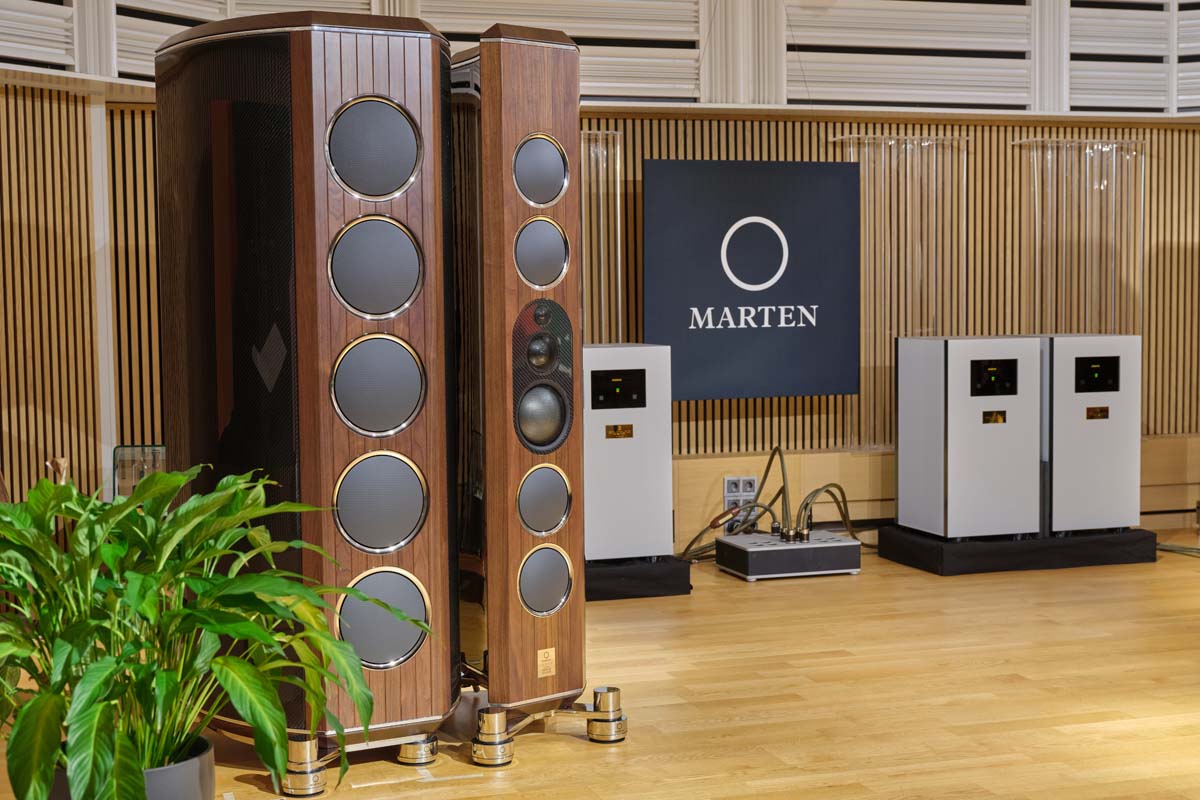
Leif Olofsson is, in fact, obsessed with coherence and timing, which is why he uses exclusively first-order crossovers in his top range. Known for their ideal phase behavior, the shallow 6-dB-slopes of such filters require the drivers to be perfectly well-behaved over an extremely wide frequency band, which is precisely why he uses these and no other drivers, as the extreme rigidity of their diaphragms pushes any breakup way out of their respective passbands.
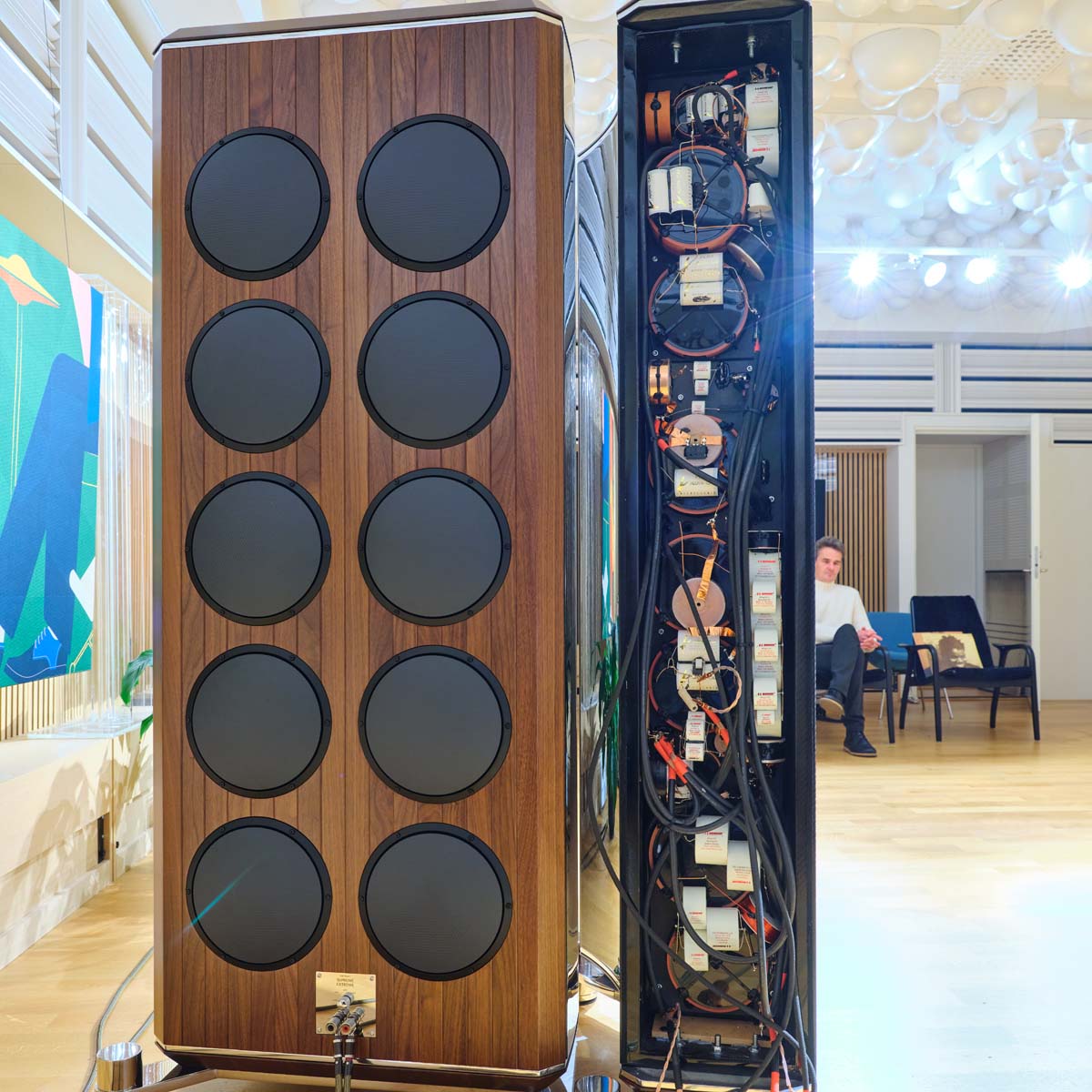
And indeed, the Supreme Extreme presented the music with such ease and effortlessness that we can’t imagine how the current state of technology could yield any better results.
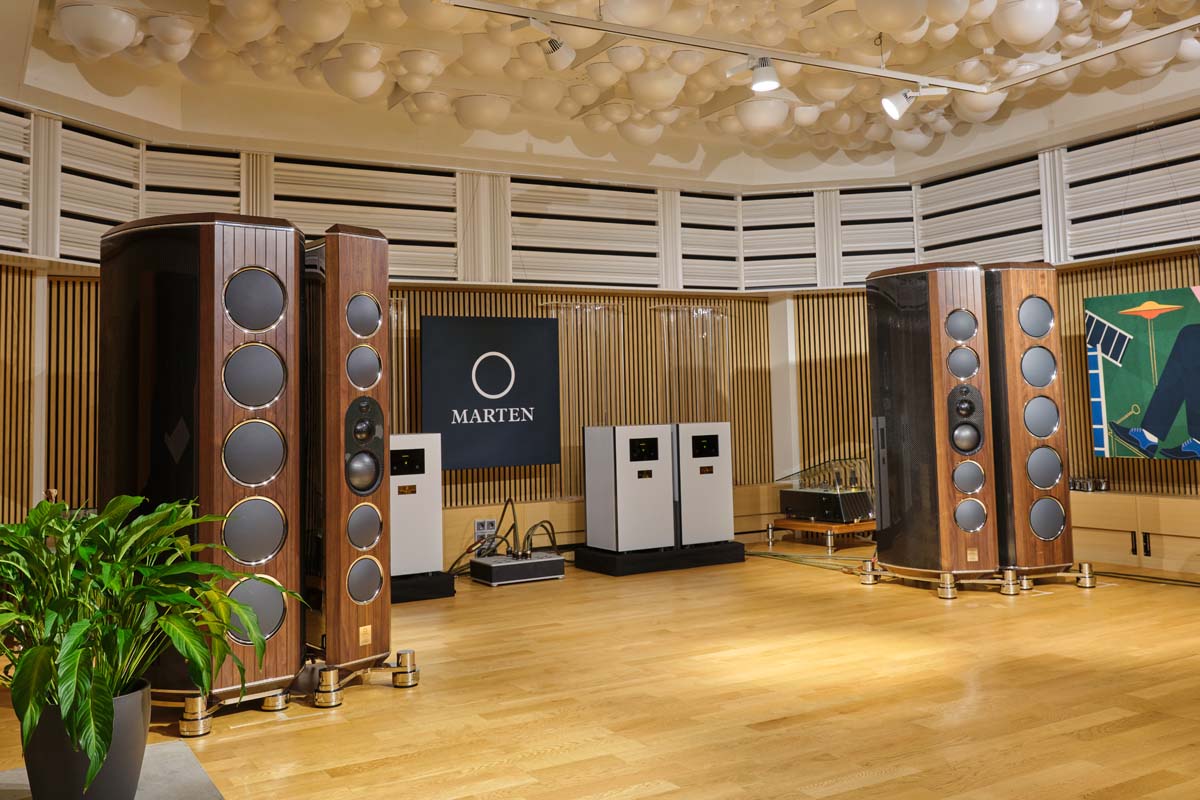
Imaging was downright startling, as the size of the soundstage and the positioning of individual instruments communicated a reality clearly at odds with the actual listening room dimensions – on “You Look Good To Me” from the Oscar Peterson Trio, for instance, I’ve never heard a setup dissolve the listening room like this before. At the same time, the massive towers transported the music with such a fine touch that we could have sworn we can detect the mood of the performers – whether they were fresh and in good spirits or slightly worn down from retaking the current passage for the 28th time now.
They revealed everything we thought could possibly be captured on a recording and then some and never lied about the quality of the recording. At the same time, however, they never judged – whether it was Mahler’s Symphony of The Thousand or “Bitter Blood” by the Revolutionaires, the Coltrane Supreme Extreme picked us up and took us straight into the music, to a place where we weren’t just listening, but truly touched.


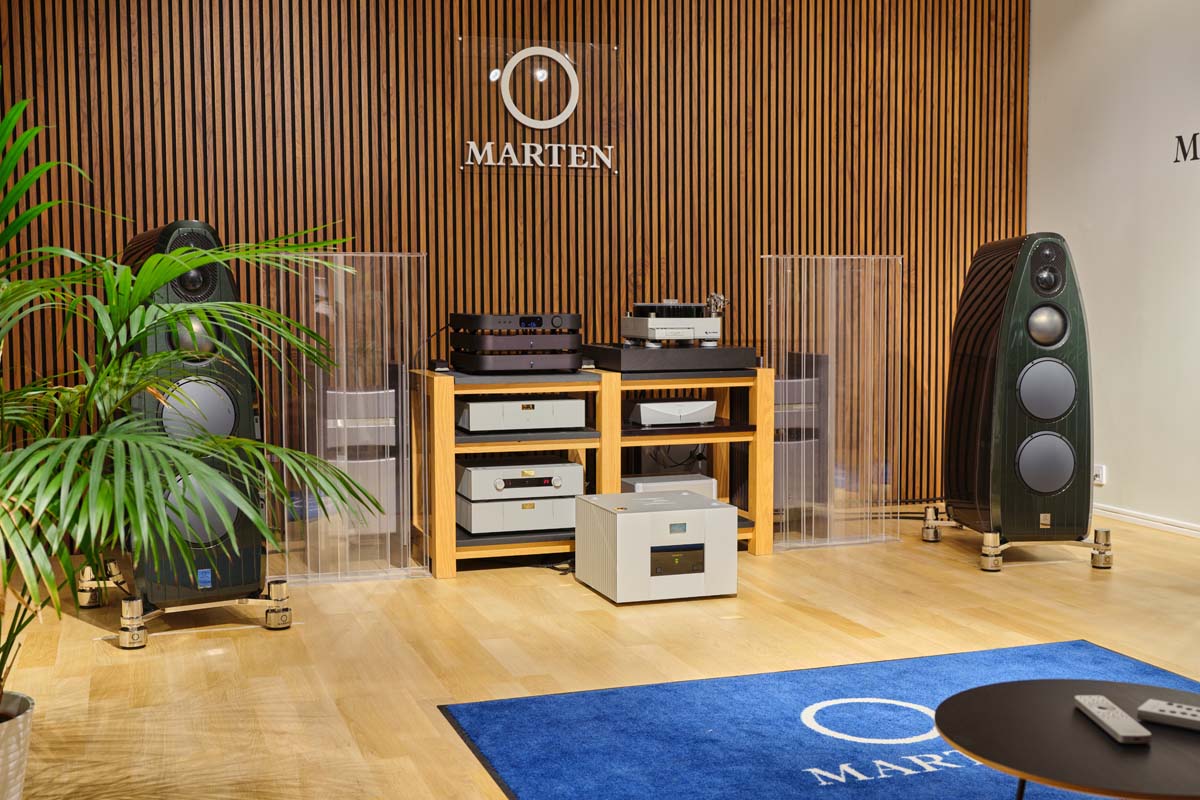
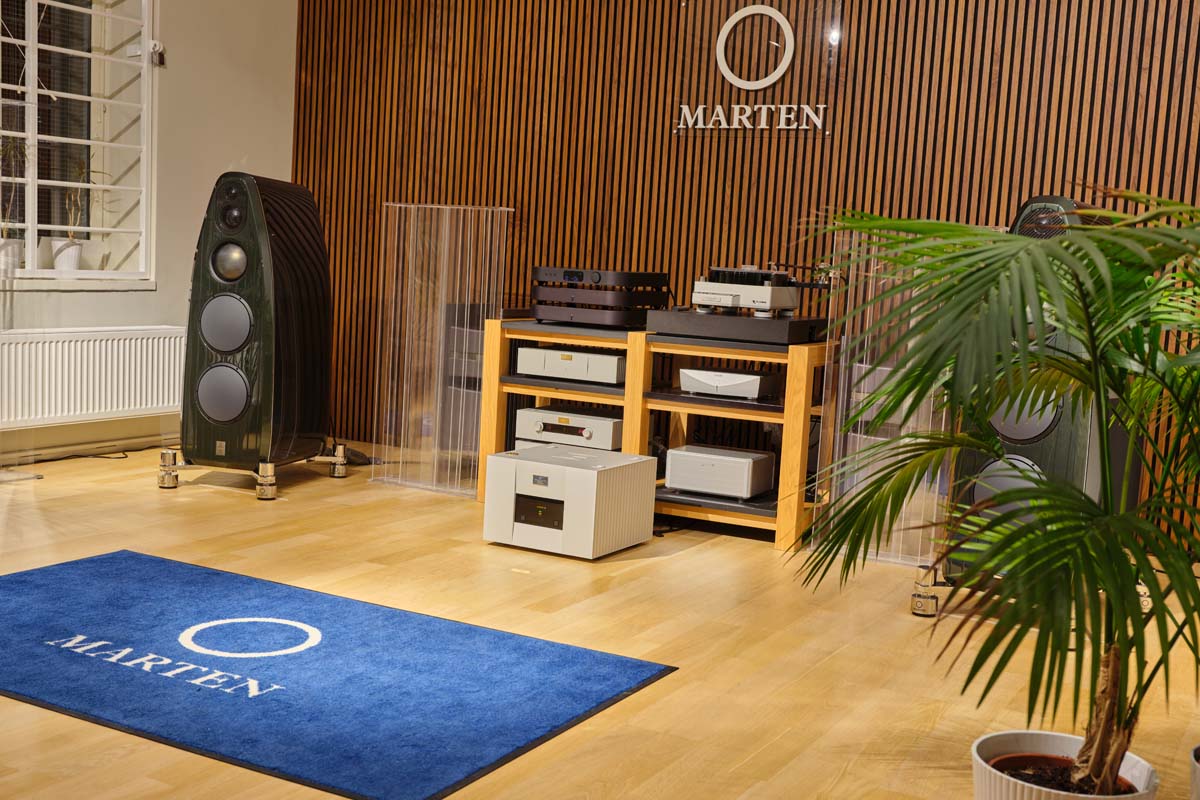

Well, just like all good things, this too had to end eventually. Given how eye-wateringly expensive such an ultra-high-end setup is, it’s clear that mere mortals like us can, at best, only make experiences like these as guests from time to time, so we’re glad to have been in that position. But hey, there’s a silver streak: The smaller Parker and Oskar lines are built with the same obsessive mindset and offer more than just a faint taste of what we’ve heard in Göteborg.
Here’s a non-exhaustive sample of demo tracks we enjoyed during our listening sessions:
- William Stuckey – The First Time
- Queen – Cool Cat (Remaster 2011)
- Ezra Collective – God Gave Me Feet For Dancing
- Baxter Dury – I’m Not Your Dog
- George Benson – Love X Love
- The Revolutionaires – Bitter Blood
- Khruangbin – Texas Sun
- Lupe Fiasco – Kick, Push
- Johnny Cash – Redemption Song
- Omar – Golden Brown
- The Oscar Peterson Trio – You Look Good To Me
- Air – Le Soleil Est Pres De Moi
- Roy Ayers – Everybody Loves The Sunshine
- Bobby Oroza – Should I Take You Home
- Charles – Living Without Love
- Carole King – It’s Too Late
- Thee Sacred Souls – Live For You
- Roy Ayers – Searching
- Petula Clark – Downtown
- Roberta Flack – The First Time Ever I Saw Your Face
- Trio – Sunday You Need Love Monday Be Alone
- The Clash – The Guns Of Brixton
- Kae Tempest – Don’t You Ever
- Santana – Dawn / Go Within
- Sleaford Mods – Force 10 From Navarone
- Bill Laswell – Enharmonic