
Progressive rock entails tempo changes, classical and jazz reminiscences, extensive instrumental parts and surprising instruments. And since all of this is hard to fit into a three-minute song, we have the long track.
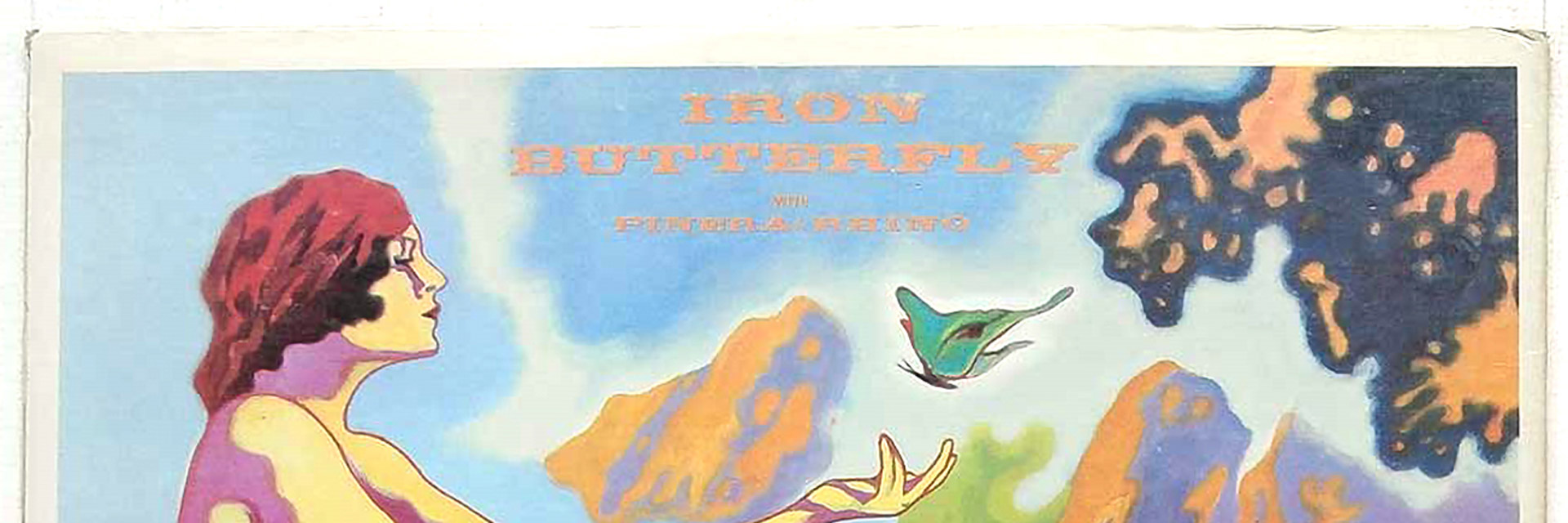
Their biggest – indeed their only major – hit was “In-A-Gadda-Da-Vida” from 1968. This 17-minute hippie long track regularly became a kind of musical drug during Iron Butterfly’s live performances. However, the band’s guitarist, Erik Brann, wanted to move in a different direction and left Iron Butterfly at the end of 1969. Brann was replaced by not just one but two musicians: Mike Pinera and Larry Reinhardt, skilled rock guitarists with a strong blues background. This significantly shifted the band’s stylistic direction. It’s no surprise they titled their next album Metamorphosis.
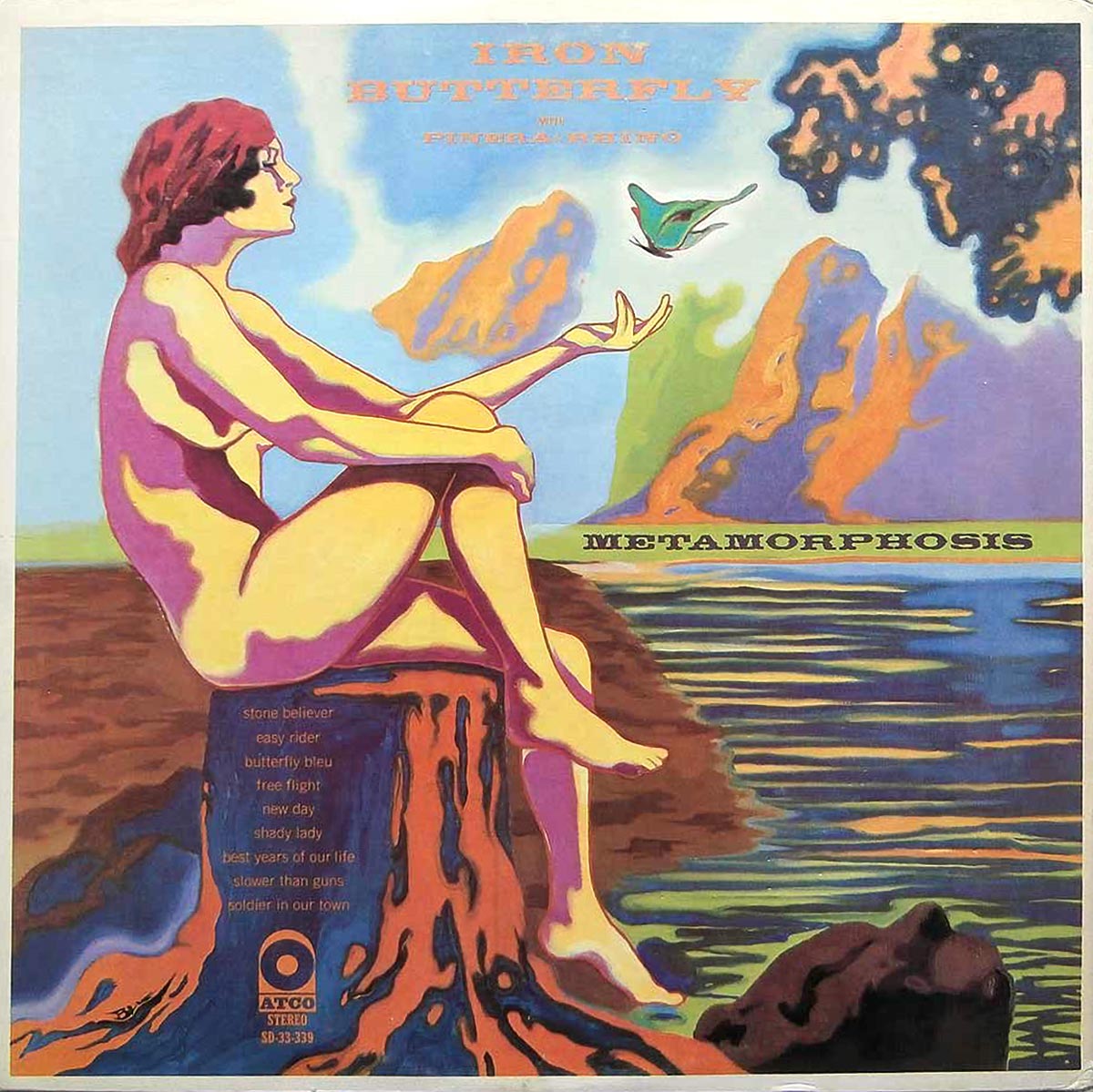
Since the new lineup also wanted its own “trip” song, the 14-minute “Butterfly Bleu” was created for the album – a suite-like long track with multiple melodies, changing tempos, and various free, psychedelic interludes. “What ‘In-A-Gadda-Da-Vida’ was two or three years ago could be ‘Butterfly Bleu’ today,” said host Uschi Nerke during the band’s TV appearance on Beat Club in early 1971. That wasn’t an exaggeration – “Butterfly Bleu” could have been huge. The 20-minute live version recorded for Beat Club proves it (you can check it out on YouTube).
Even within the 14 minutes of the studio recording, there’s a lot to hear. Right at the beginning, there’s a monster guitar riff. This is followed by the main song section with a soulful, slow beat modeled after earthy blues. Mike Pinera sings three verses here – it’s about a butterfly, and of course the butterfly is a woman: “Butterfly, fly away with me.” In between, there’s an organ solo, more chordal and psychedelic, and the section concludes with ten bars of a powerful, pre-composed guitar solo.
Then comes the first break (at 4:32): without transition, the band shifts into a fast tempo, with both guitars playing a theme reminiscent of the Allman Brothers Band before cutting loose a bit. After about two minutes, the next break follows: the piece slips into a psychedelic collage of guitar chords, organ tones, melodica, and noise-like sounds. In the middle of this out-of-tempo section (starting at 8:05), a small shuffle emerges between the two guitars with the bass joining in. This passage is brief, but it likely expanded significantly during the band’s concerts – as suggested by the Beat Club version.
What follows is the most unusual part of the piece (from 9:12): an experiment with the talk box. This device alters the guitar’s sound using a tube placed in the player’s mouth. Who knows what Pinera might have developed from this somewhat strange interlude over time… Just before the 12-minute mark, the slow blues beat returns, Pinera sings the fourth verse, and the track closes (from 13:00 onward) with a calm, hypnotic organ outro.
The title is a perfect fit: “Butterfly Bleu” is half butterfly – hippie psychedelia – and half blues – earthy, Allman Brothers–style sound. But the stylistic (or perhaps personal?) differences within the newly formed band quickly became problematic. By May 1971, Iron Butterfly had already disbanded. That’s why this track never became a rock classic – even though the album Metamorphosis itself was fairly successful.
Find Iron Butterfly – Metamorphosis on discogs.