
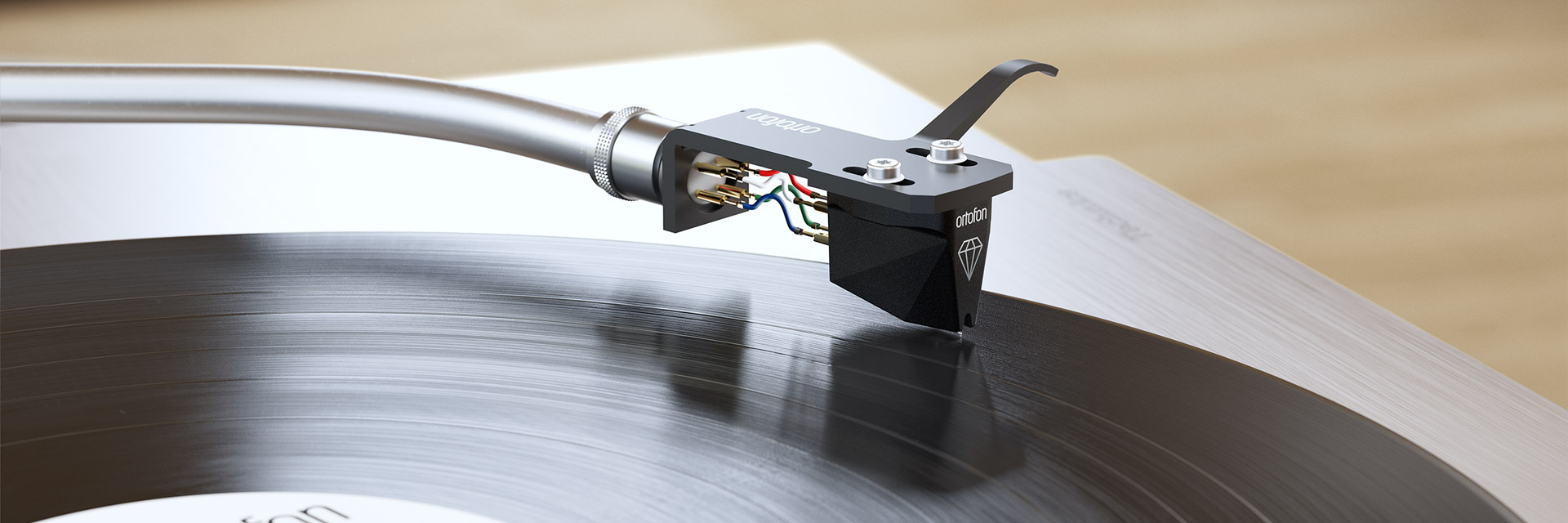
After more than ten years, Ortofon is replacing its entry-level MC series. The new MC X cartridges are by no means a facelift of the Quintet series, but a completely new development. And a highly successful one, as this review will demonstrate.
The Danish company Ortofon A/S, a venerable yet thoroughly modern cartridge manufacturer, is likely familiar to anyone involved in analog audio with any kind of seriousness. Just 30 years after its founding in 1918, Ortofon developed the first moving-coil cartridge. Today, the portfolio ranges from rugged pickups designed for demanding DJ use to ultra-refined MC cartridges featuring diamond cantilevers and the exclusive Replicant stylus profile – an in-house development with an exceptionally sharp contact edge.
My own introduction to the world of Ortofon began in 1980 with the MC 10 and its battery-powered head amplifier. After spending some time with the Rondo Red MC, I later had the opportunity to use the Cadenza series and the Windfeld Ti in my system. Without question, the most impressive experience was hearing the MC Anna mounted on Helmut Thiele’s TT01 turntable. Despite all the differences between these models, I always felt I could identify a distinct Ortofon family sound. Which brings me to the new Moving Coil X series, replacing the Quintet cartridges that first reached the market in 2014.
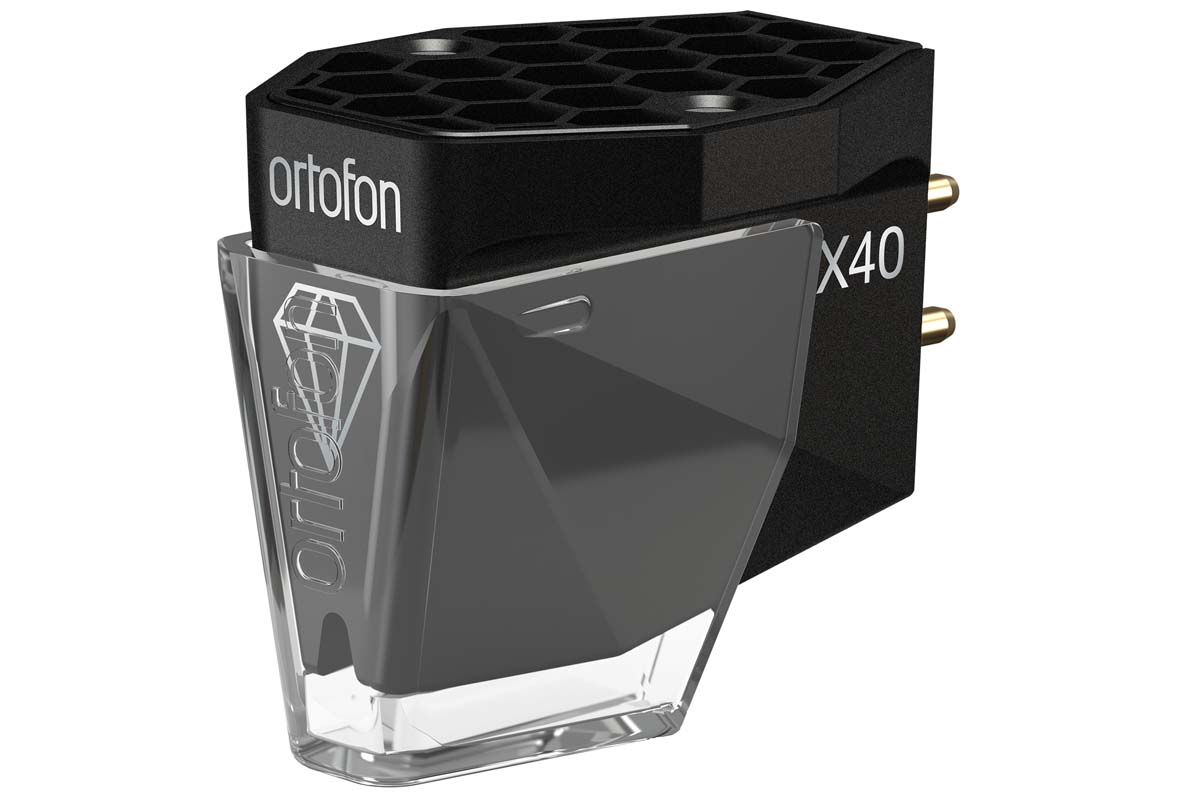
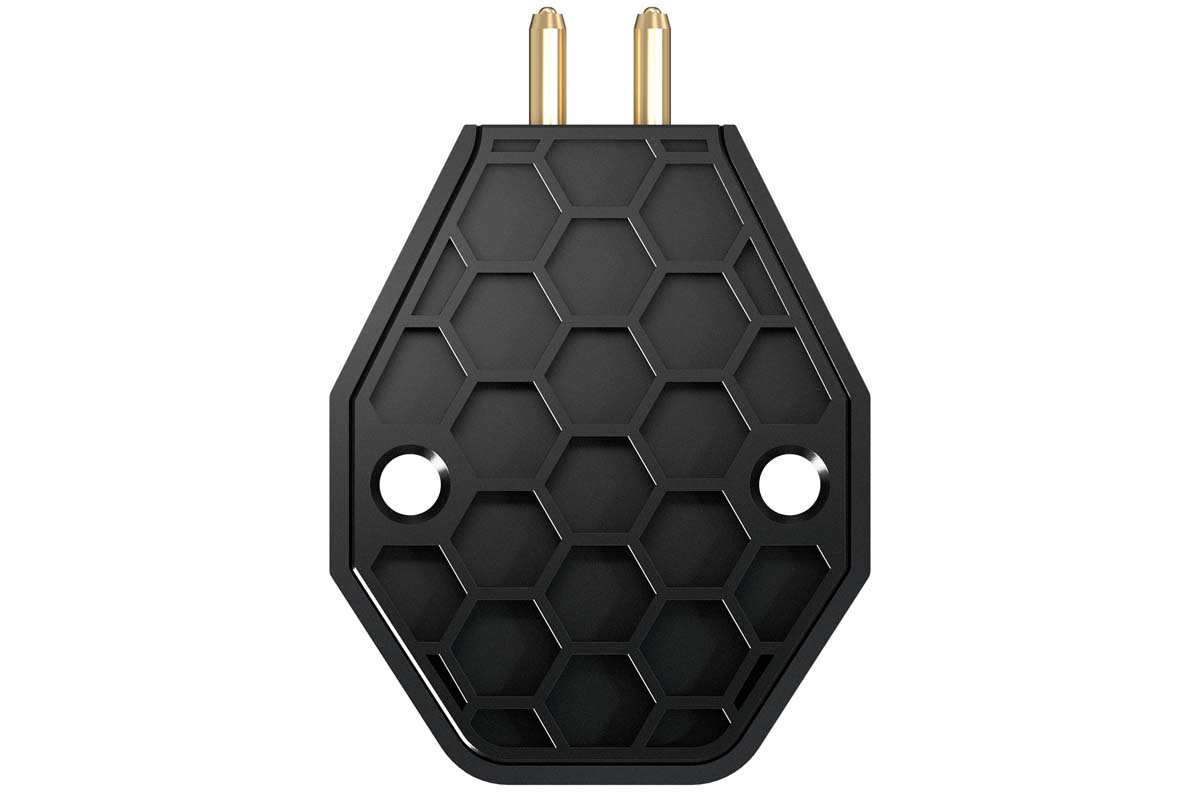
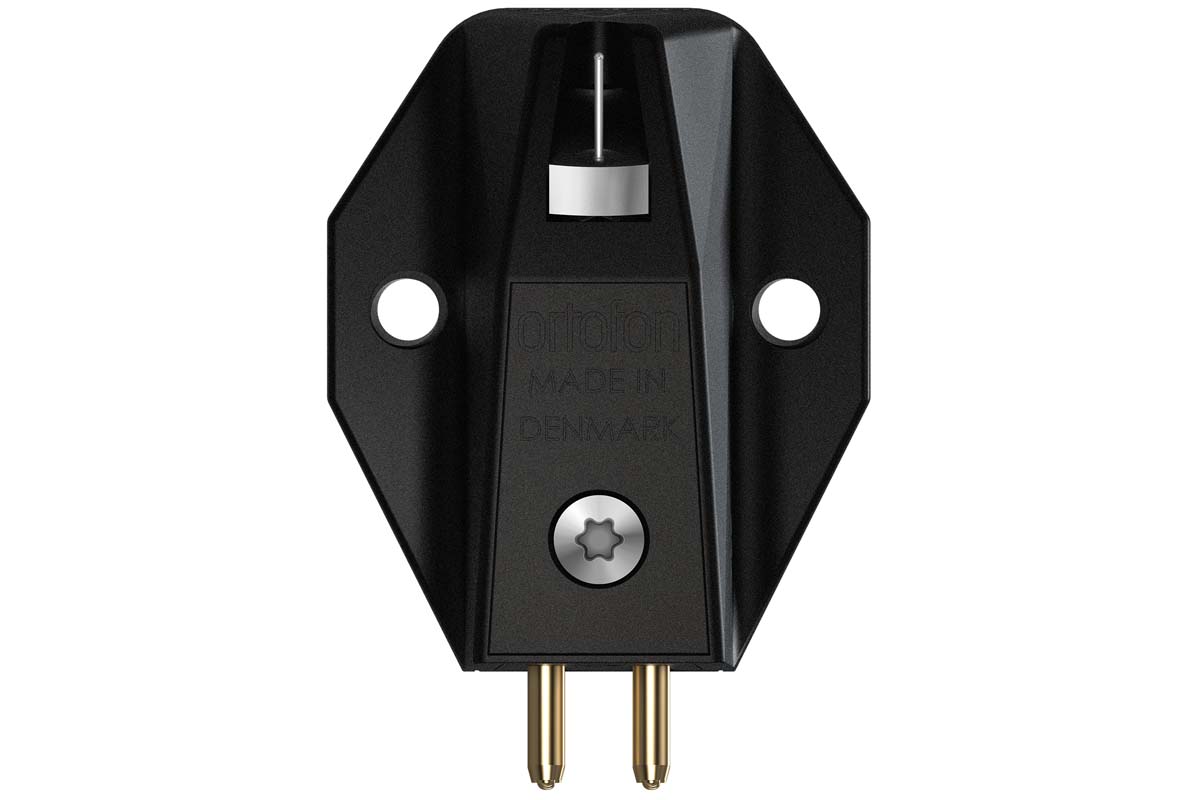
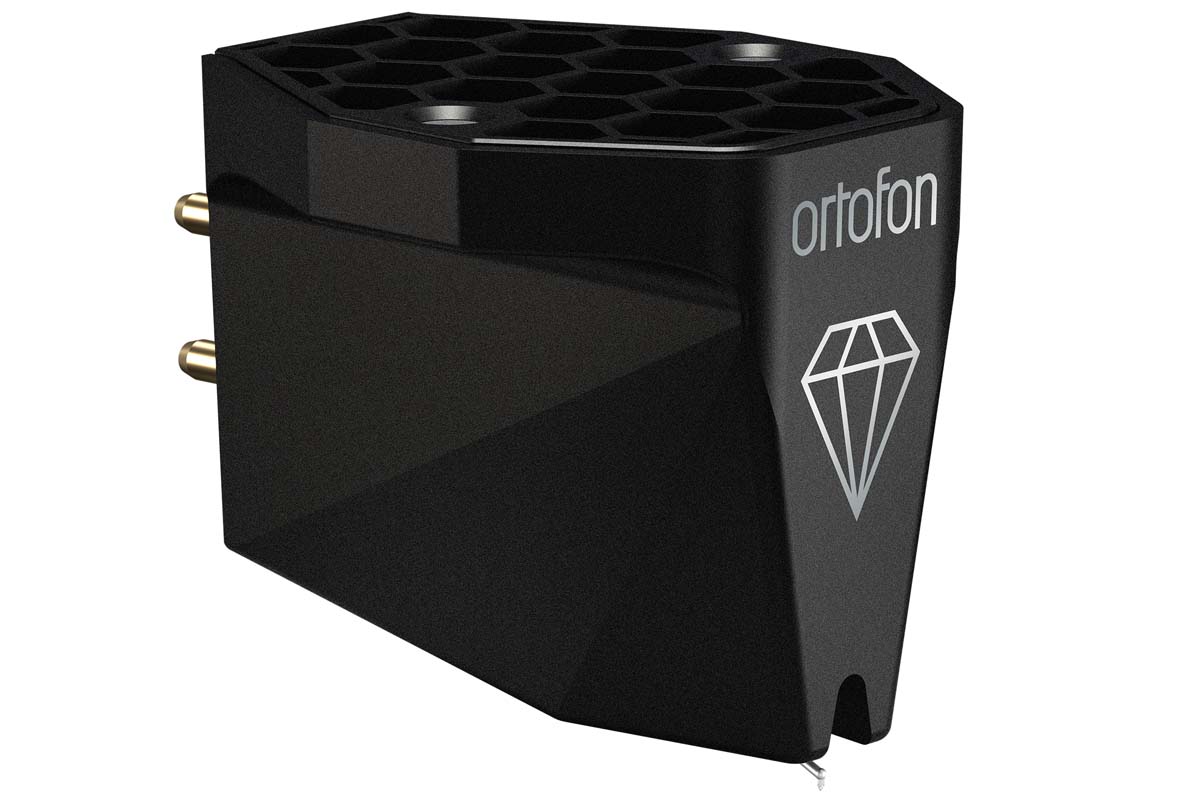
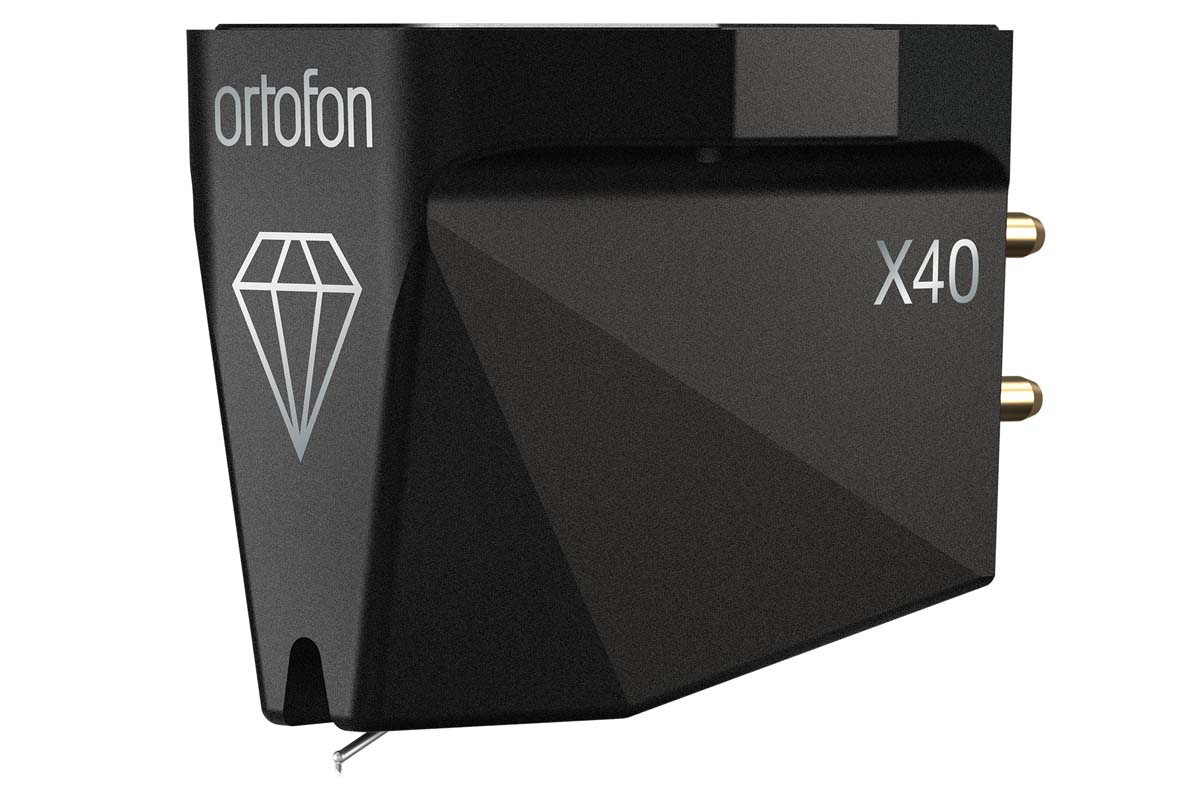
The MC X cartridges are less an evolution of Ortofon’s previous entry-level MC line and more a radical redesign. Particularly impressive is the steel skeleton produced using Metal Injection Molding (MIM), featuring a honeycomb structure inspired by nature. The use of steel is quite unusual – if not unique – given its density. Thanks to the open honeycomb design, the cartridge achieves exceptional rigidity while maintaining low mass. At 8.6 grams, total weight remains entirely average and compatible with a wide variety of tonearms. To further enhance the structure, the steel frame receives a Physical Vapor Deposition (PVD) coating. Threads (M2.5) are cut directly into this supporting structure, allowing the cartridge to be mounted easily to a headshell using the supplied Torx screws. A matching screwdriver is included as well.
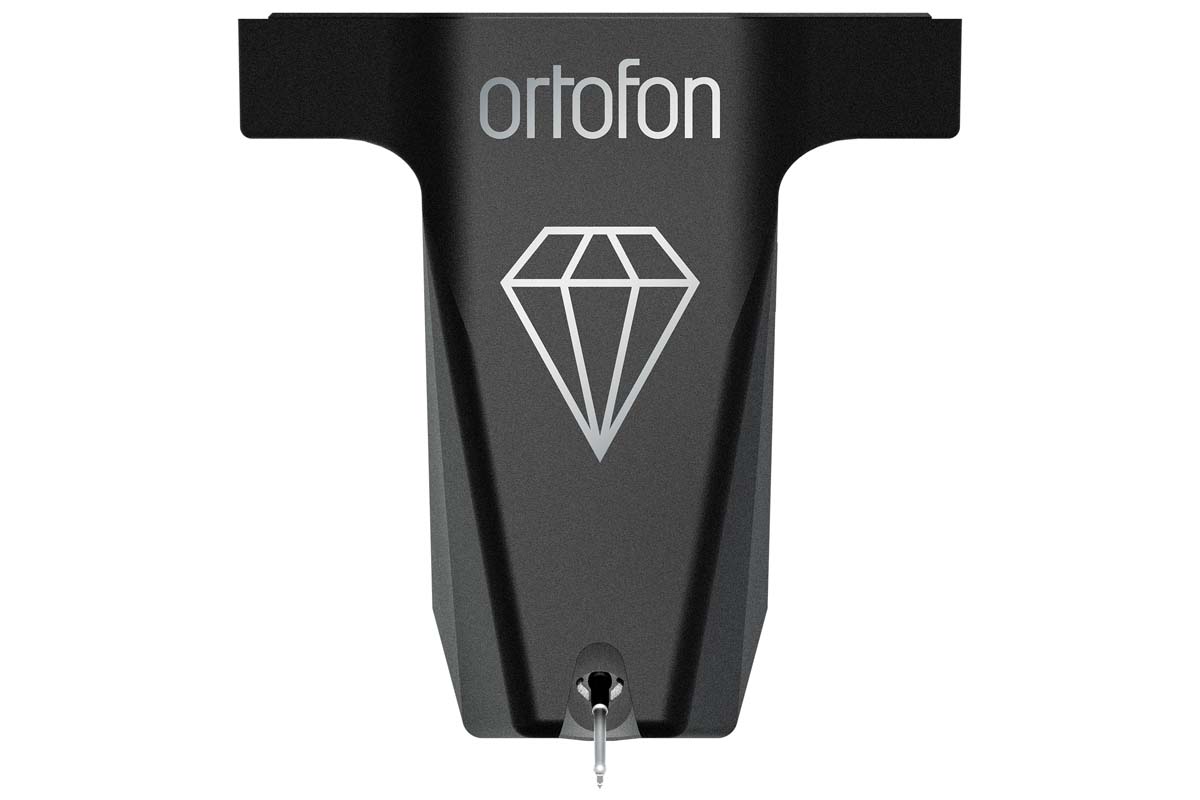
The generator assembly has also been completely redesigned. The rear magnet yoke and one-piece pole cylinder form a single unit. The neodymium-iron-boron (NdFeB) magnet was developed specifically for the MC X series. Together with the front yoke, it completes the framework that houses the stylus assembly. The materials used here are typically found only in significantly more expensive cartridges: a nude Shibata diamond mounted on a boron cantilever and coils wound with pure silver wire. It is difficult to do much better than that.
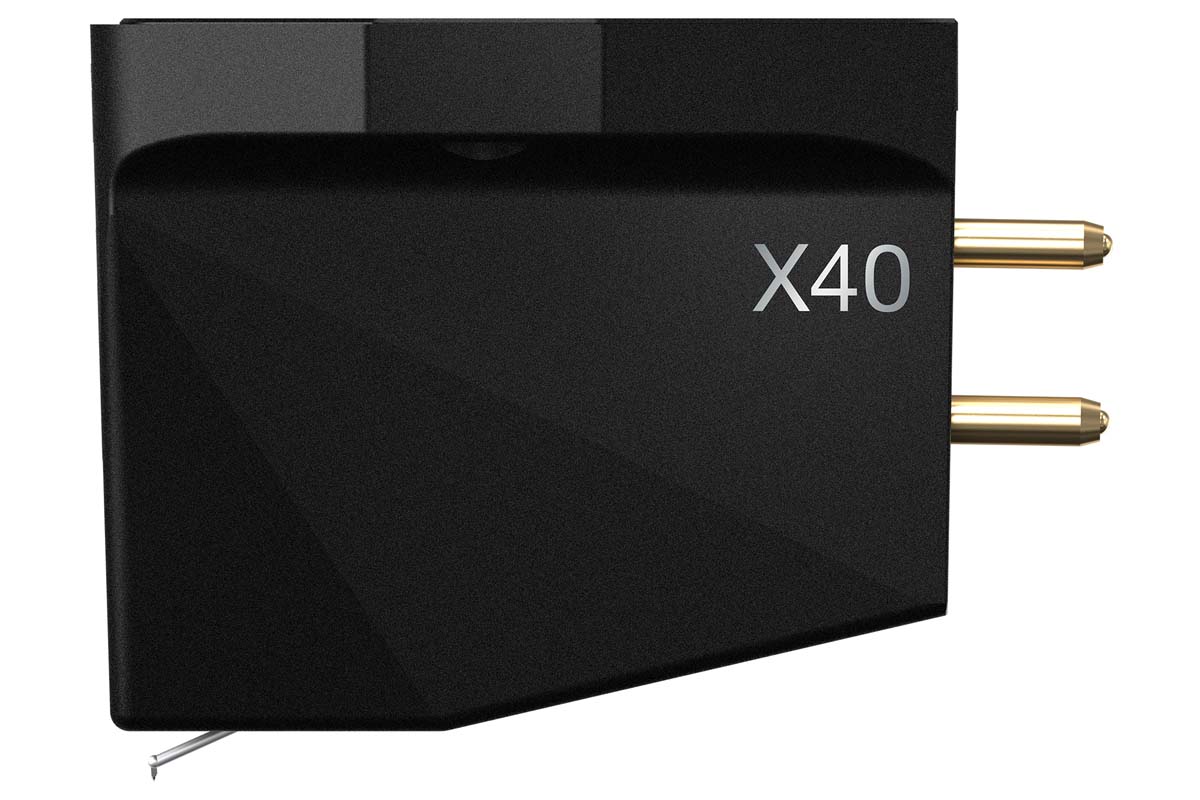
Even the rubber compound used in the damping assembly was optimized through extensive testing to match the new generator. Peter Wieth Hjordt, Ortofon’s Product Director, emphasizes the enormous influence this tiny rubber disc has on the cartridge’s sonic character. Here, Ortofon benefits from its Microtech division, whose expertise in technical elastomers, micro-injection molding, and precision micro-assembly provides ideal conditions. Protecting all of this technology is an elegant polymer housing that partially adopts the design language of Ortofon’s 2M moving-magnet series. In my opinion, it successfully replaces the somewhat bulky appearance of the Quintet series, even if the straight housing edges that aided cartridge alignment are now gone.
When I asked Hjordt about the development goals, he explained that the greatest challenge was significantly improving performance while reducing manufacturing tolerances – all without increasing prices. Achieving this required not only a complete redesign of the cartridge itself but also adjustments throughout the production process.
I was curious whether the MC X series is manufactured in Denmark and learned that the entire assembly process, including coil winding, takes place at Ortofon’s Danish facility. Every cartridge is assembled, inspected, and tested by hand before reaching the market. Most components are produced in Denmark, Switzerland, or Japan. According to Hjordt, quality and reliability generally take precedence over cost considerations.
I first encountered the new cartridge during the Sound Days event hosted by Auditorium in Hamm, Germany. Armin Kern, Ortofon’s representative, had mounted all four models (X10 through X40) in identical headshells, making direct comparisons possible. The differences were clearly audible, with the X30 – and even more so my review sample, the X40 – demonstrating genuinely high-end ambitions.
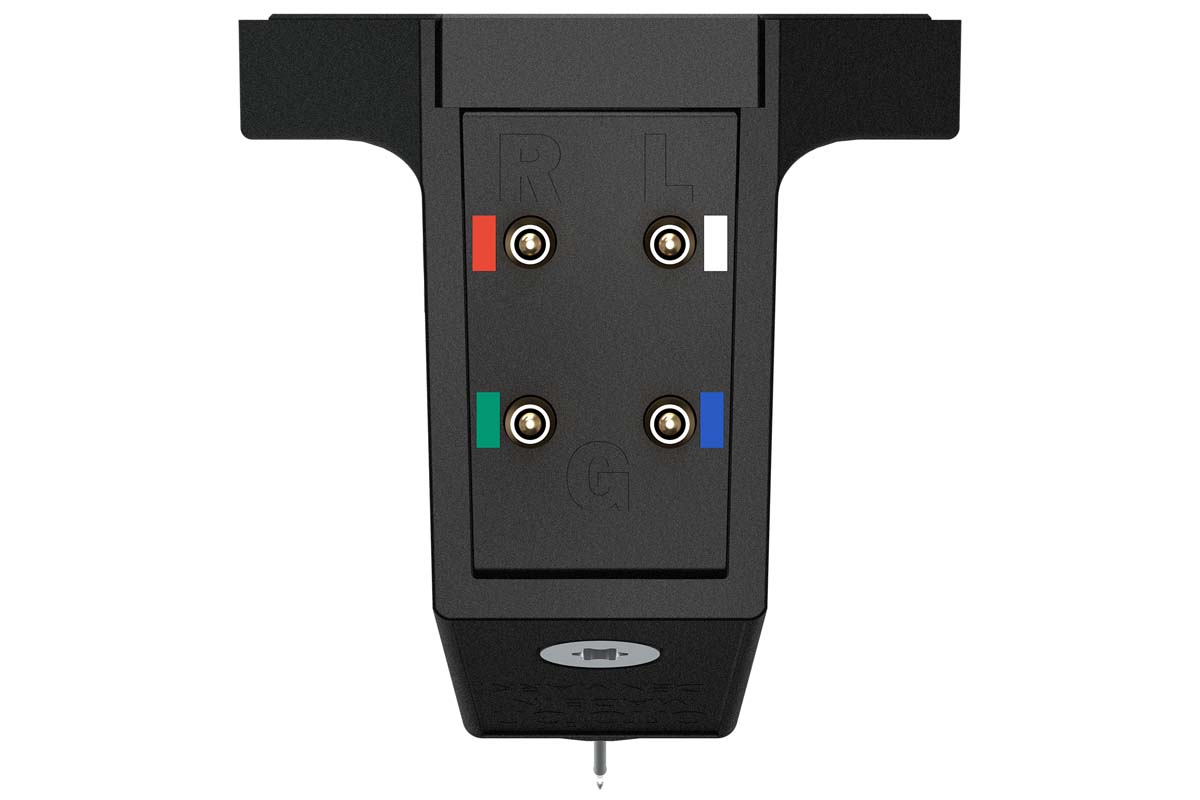
Following a visual inspection that revealed no flaws, I mounted the cartridge on my TW 10.5 tonearm. A particularly welcome feature is the supplied stylus guard, which can be installed and removed safely without interfering during mounting. The cartridge pins are spaced comfortably apart, making attachment of the tonearm leads relatively straightforward.
I set the recommended tracking force of 2 grams and adjusted anti-skating to approximately 1.5 grams. On my phono stage, I alternated between 58 and 64 dB of gain, while a load impedance of around 200 ohms provided the most balanced results in my setup. After the usual alignment procedure, I began breaking in the brand-new cartridge.
Lara Pohl, Ortofon’s European sales representative, advised me that 20 to 50 hours of break-in time would be necessary to realize the cartridge’s full potential – and she was absolutely right. Fresh out of the box, the sound was quite muted and uneven. After roughly 10 hours of use, the presentation gradually opened up, and after two weeks things really started to become enjoyable.
The X40 reminded me of the Cadenza Black. It struck me as similarly balanced, though without quite reaching the latter’s level of resolution. In return, it offered a fuller, richer presentation. This time, I decided to approach the review from a different angle. Instead of probing the limits with perfectly produced audiophile pressings, I used more modest recordings to determine the cartridge’s fun factor.
An ideal candidate was Best Dressed Chicken in Town by Dr. Alimantado, a reggae-dub-dancehall album featuring recordings from the mid-1970s, the golden age of the genre. The spoken vocal style known as “toasting” thrives on its flow and lacks the aggression – both musically and lyrically – that later diminished my enjoyment of the genre.
The songs are built on heavily mixed, slow-pulsing bass lines that push through the listening room with tremendous weight despite their limited harmonic content. Snare drums and percussion crack through the space, propelled by generous amounts of reverb from vintage analog echo and effects units. Melancholic horn arrangements and the Doctor’s unmistakable voice – original dancehall style, BOOYAKA!!!
The X40 effortlessly transfers the music’s energy into the listening room. The slight shortfall in ultimate bass impact was simply due to asking the 18-centimeter woofer in my Spark loudspeakers to perform the work of an 18-inch driver. Listening at a lower volume would have solved that problem.
Pyotr Ilyich Tchaikovsky’s Nutcracker Suite is an excellent test record because of its dynamics and imaginative orchestration. The recording by the London Philharmonic Orchestra under Leopold Stokowski captivates me with its wide range of tonal colors and moods. A wonderful example is the celesta, whose glockenspiel-like sound Tchaikovsky specifically had shipped from Paris for the “Dance of the Sugar Plum Fairy.”
The X40 differentiates tonal colors with remarkable precision, allowing individual instruments to remain recognizable even during complex passages. Even the strike of a triangle manages to assert itself against far more powerful competitors. The cartridge also excels at presenting a cleanly layered soundstage, placing instruments with convincing spatial accuracy. The result is a highly realistic musical image.
The overall sonic impression convinced me completely and left me wondering whether anything more is really necessary to become deeply immersed in music. Certainly not. This impression remained consistent across every record I played during the review period.
Ortofon’s mission to improve its entry-level MC series without raising prices has been an unqualified success.
The X40 satisfies even demanding high-end expectations while remaining reasonably affordable. Its refreshingly average electrical characteristics make it compatible with a wide range of tonearms and phono stages. As contradictory as it may sound, the Ortofon MC X40 is a no-nonsense high-end cartridge.
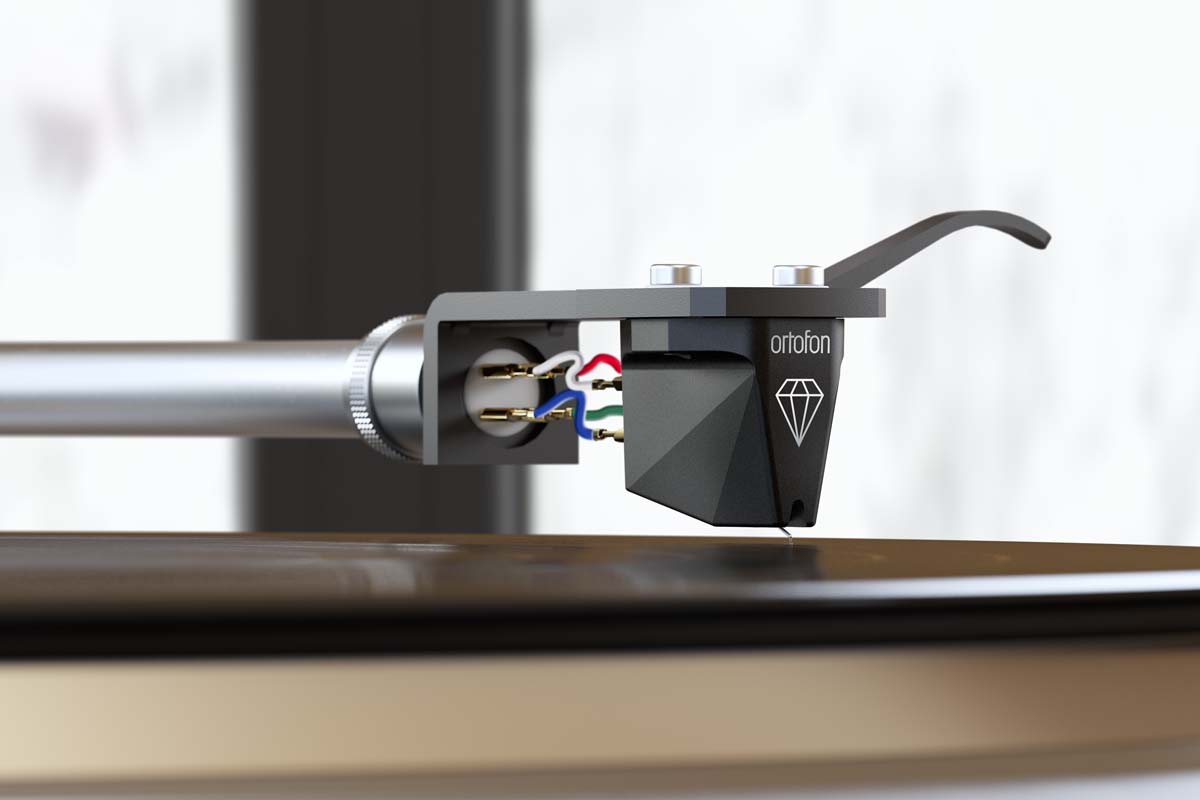
Cartridge Ortofon MC X40
Design: Moving-Coil (MC) cartridge with boron cantilever and Shibata stylus | Channel Balance (@1 kHz): 0.5 dB | Output Voltage (@1 kHz, 5 cm/s): 0.4 mV | Channel Separation (@1 kHz): 26 dB | Frequency Response (±1 dB): 20 Hz – 20 kHz | Recommended Load Impedance: ≥ 50 Ω | Recommended Tracking Force: 2 g | Internal Impedance (DC Resistance): 6 Ω | Included Accessories: Torx screws with matching driver, carbon-fiber stylus cleaning brush | Weight: 8.6 g | Warranty: 2 years | Price: Approximately €1,000
Ortofon
Stavangervej 9
4900 Nakskov
Denmark
Phone: +49 8441 805411