
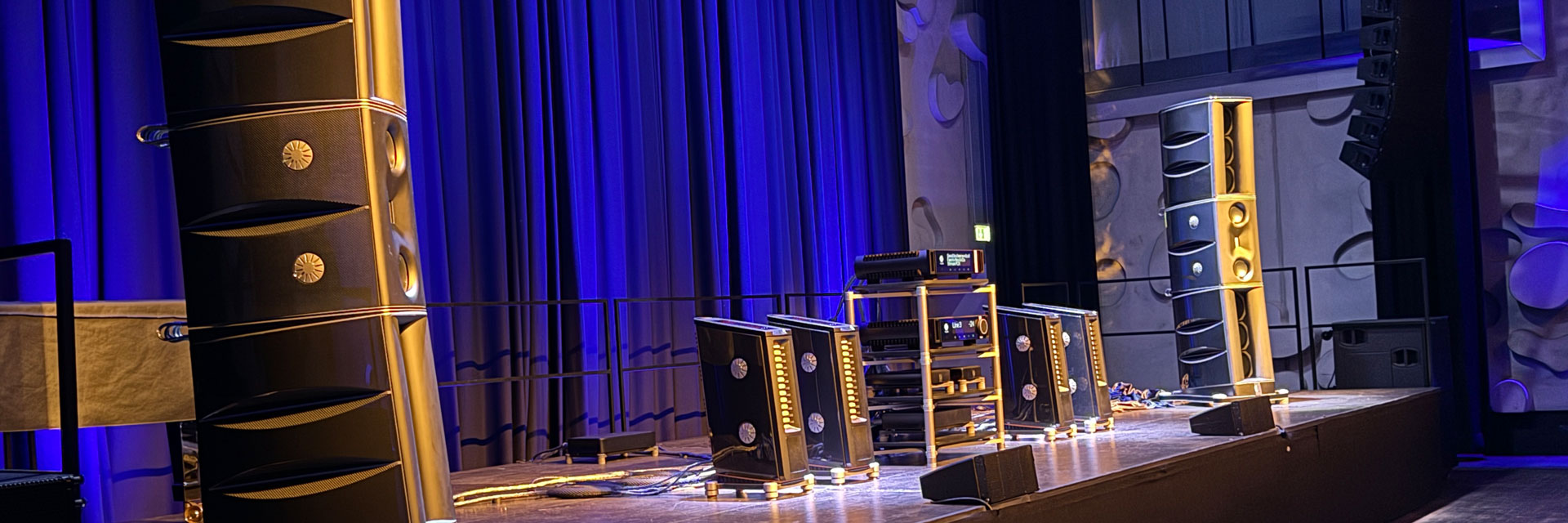
Audio Group Denmark set the stage for two uncompromising reference statements: the Børresen M8 loudspeaker and the Aavik M-880 monoblock power amplifiers.

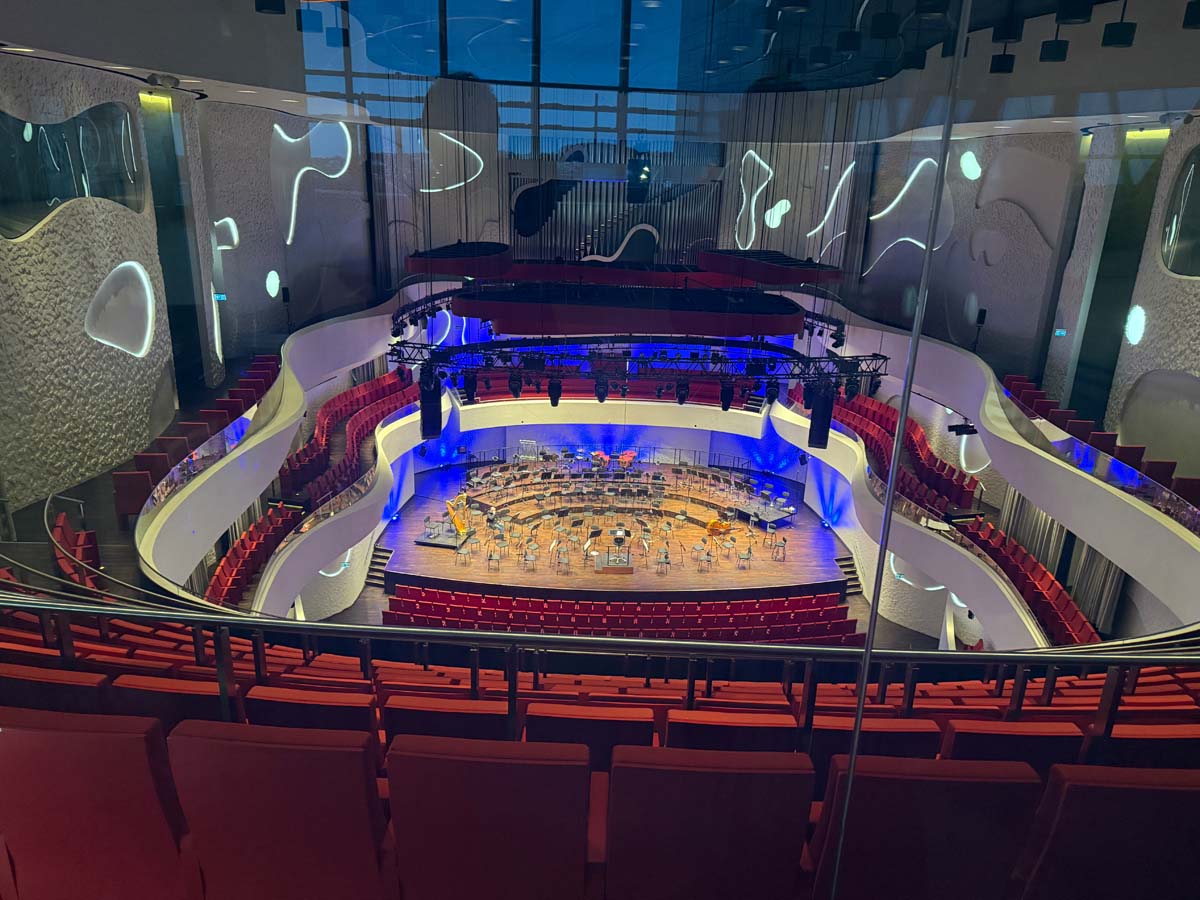
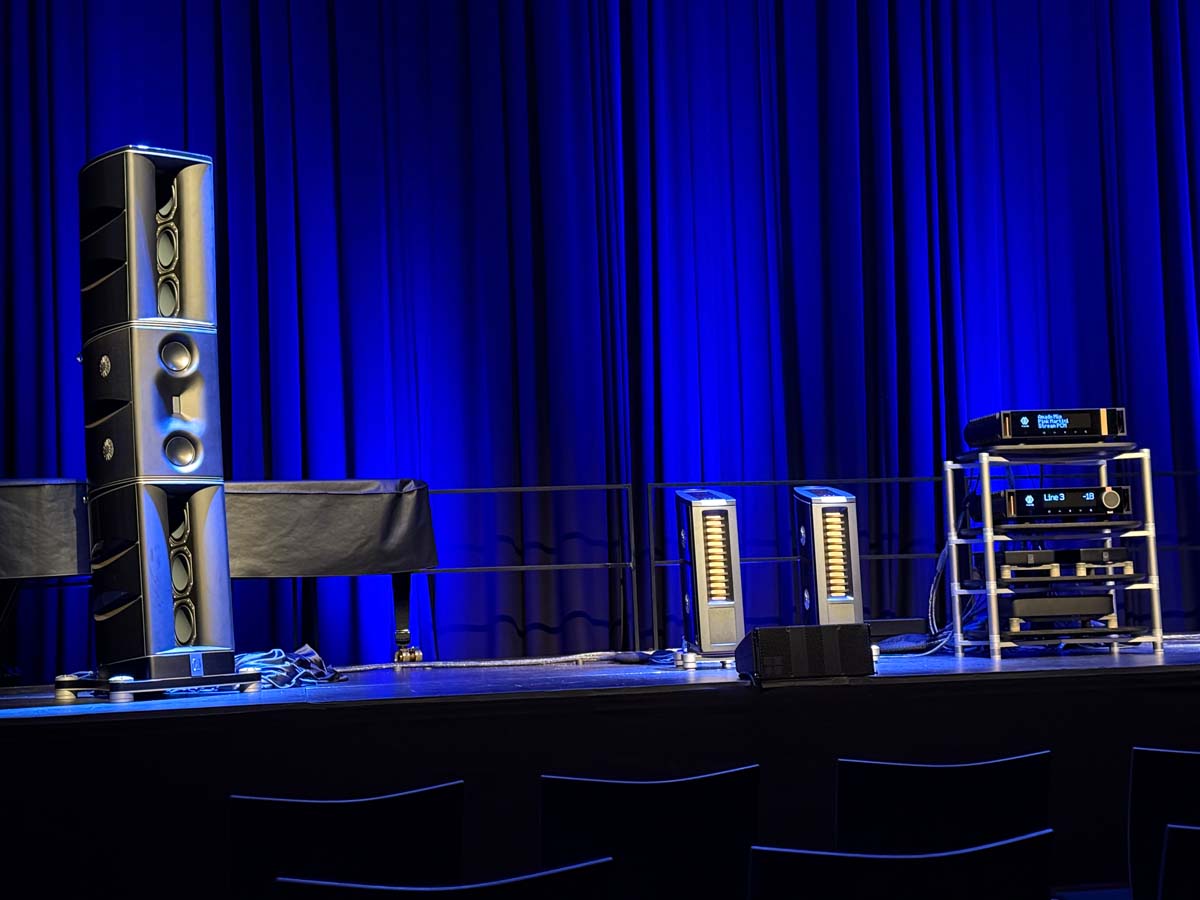
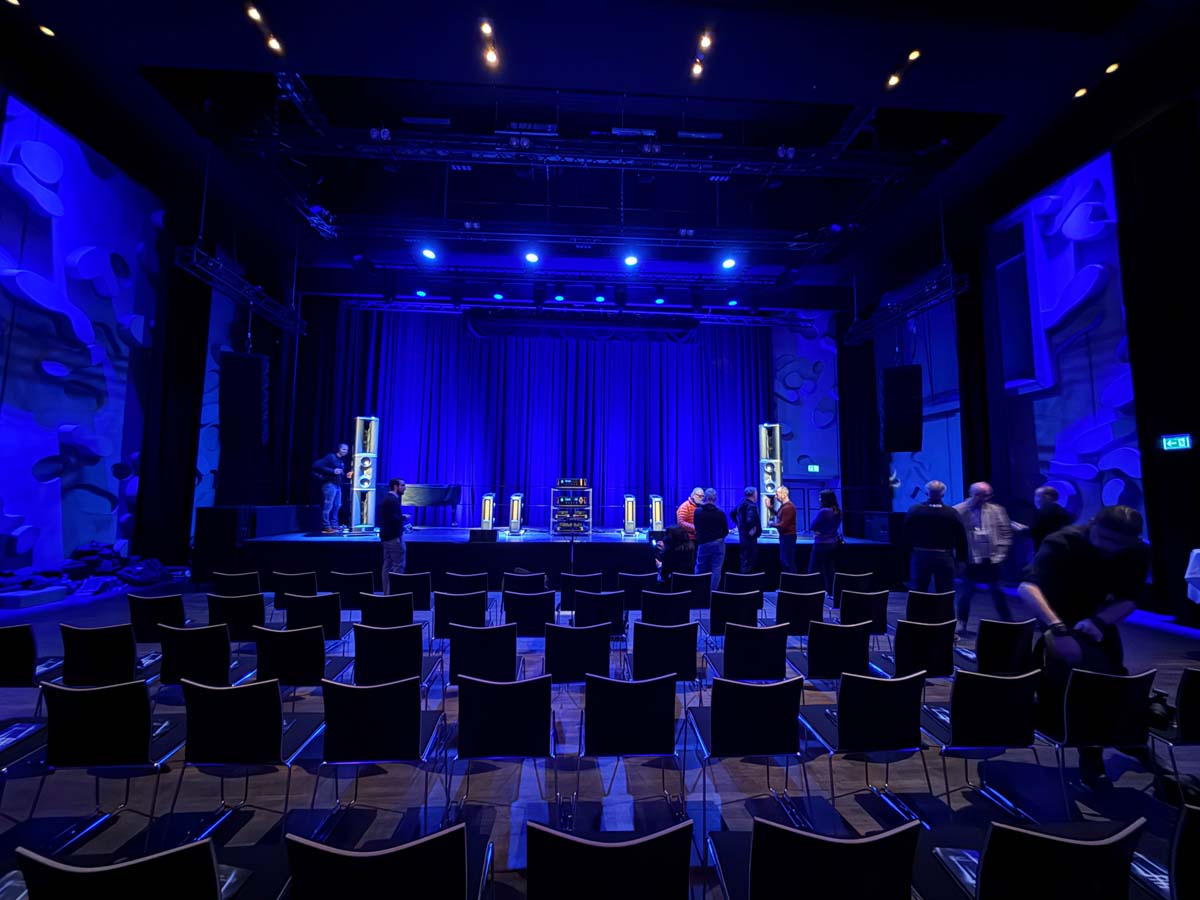
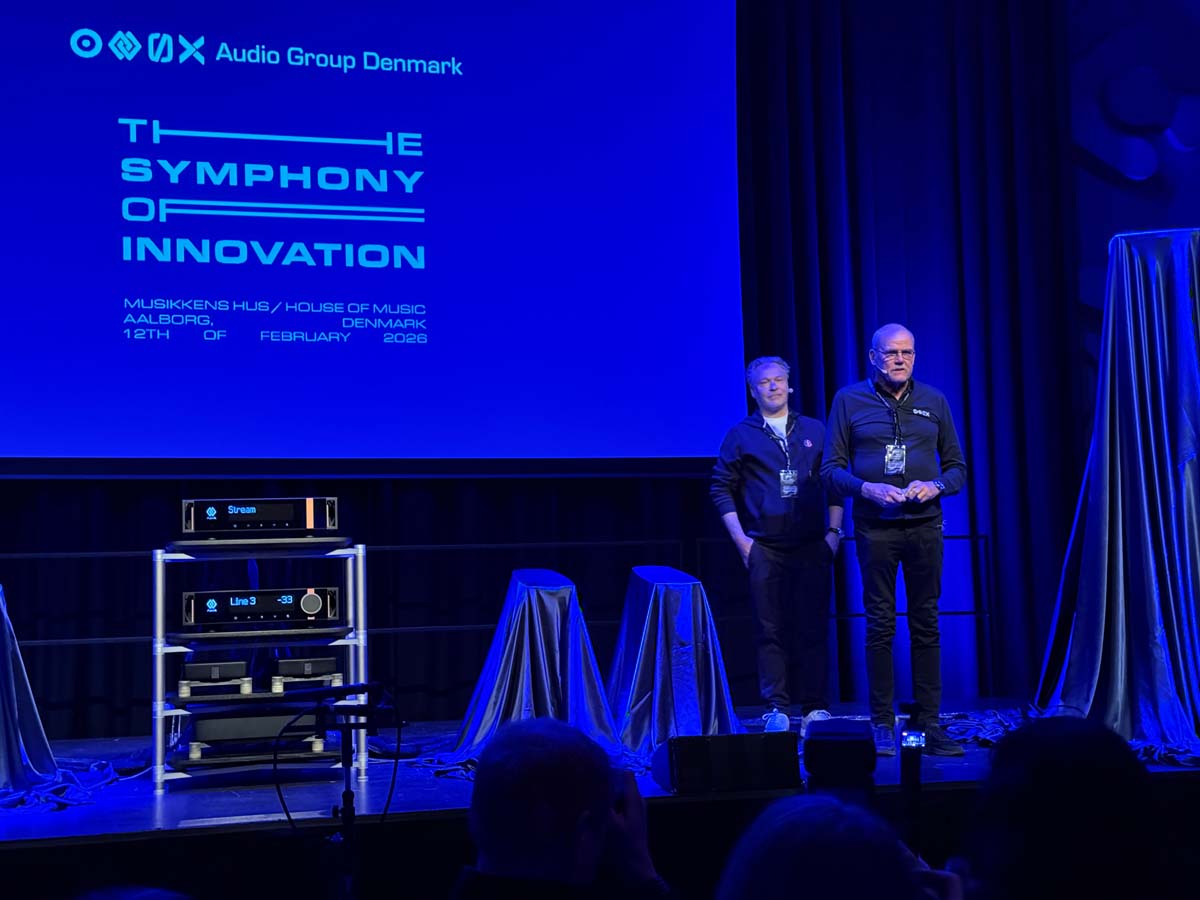
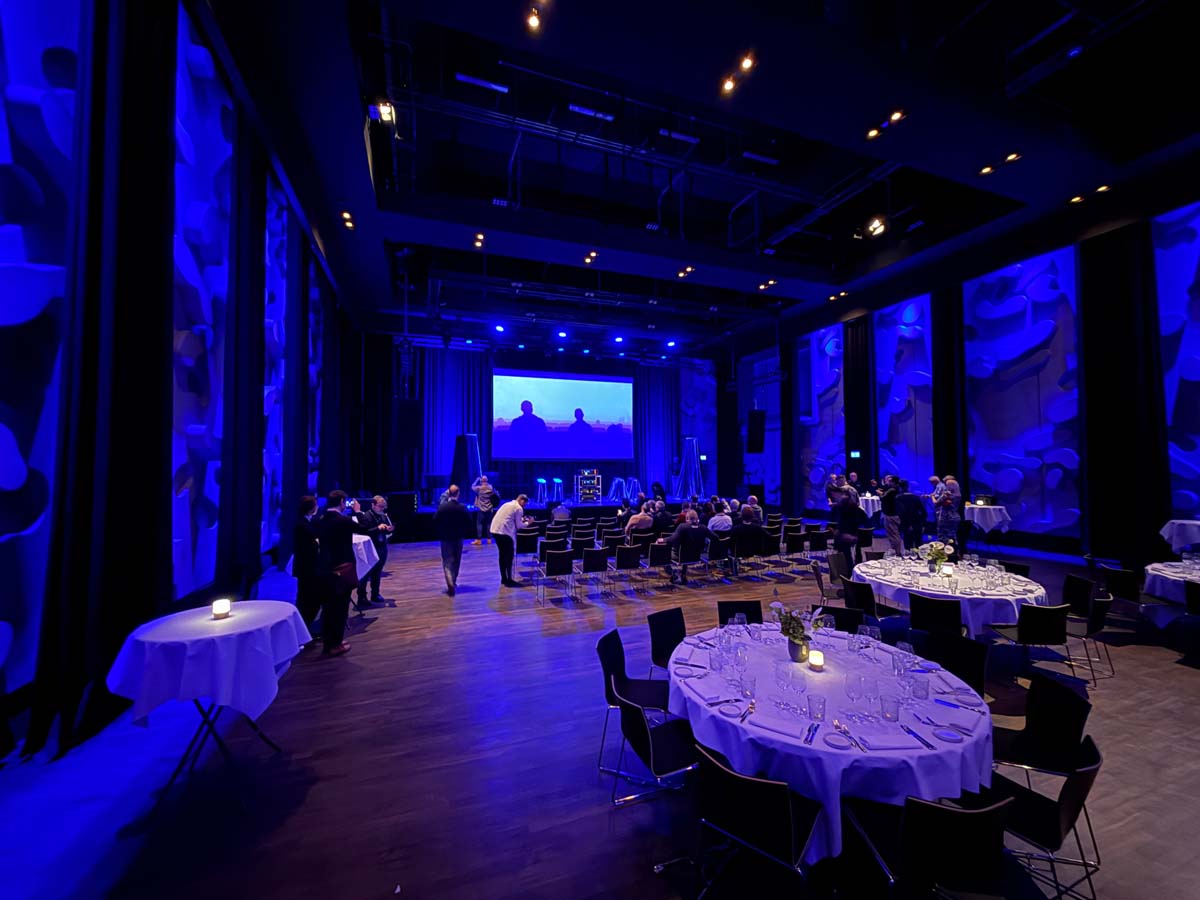
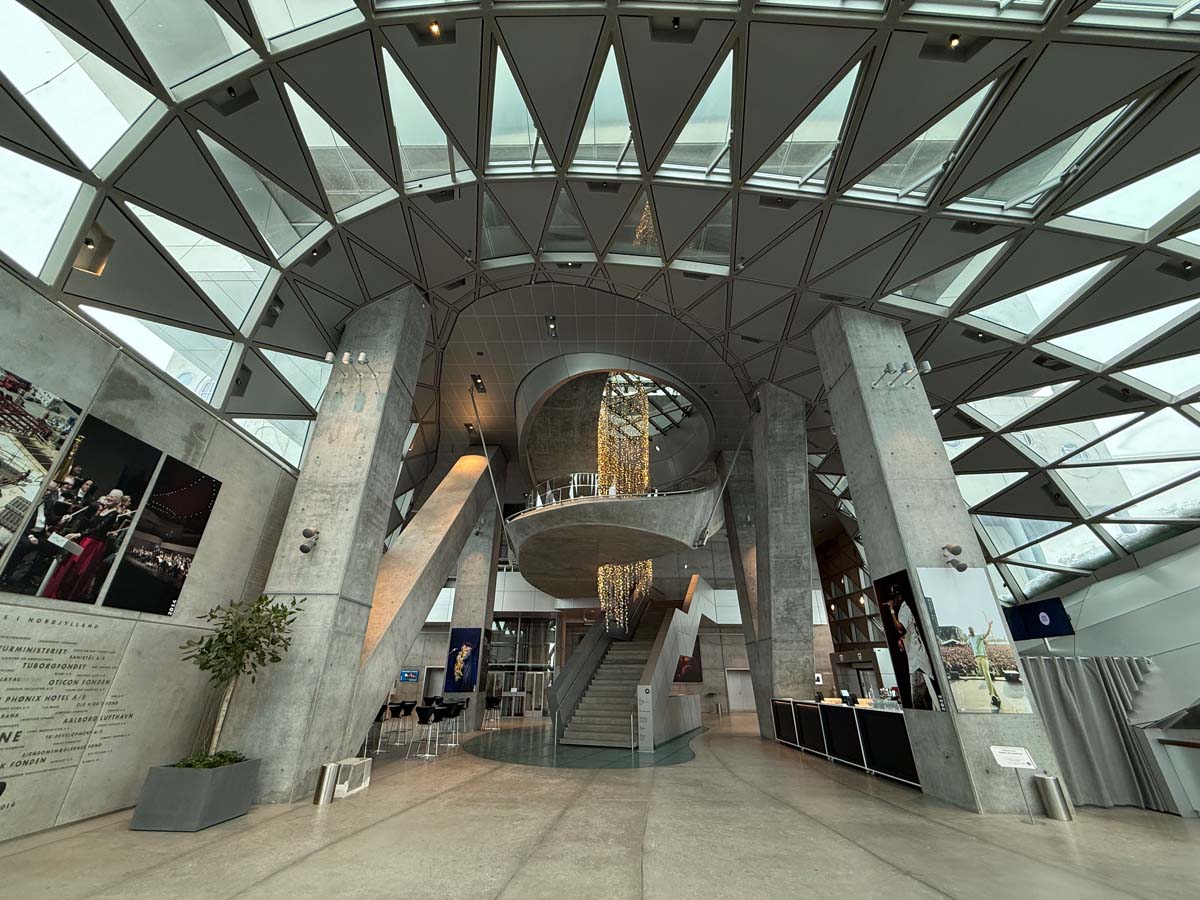
In Aalborg, there are places where music isn’t merely “presented” but celebrated. One of them is Musikkens Hus—and it was precisely there that Audio Group Denmark unveiled two new flagships last week that sound less like entries in a product cycle and more like a manifesto: the Børresen M8 Gold Signature loudspeaker and the Aavik M-880 monoblocks.
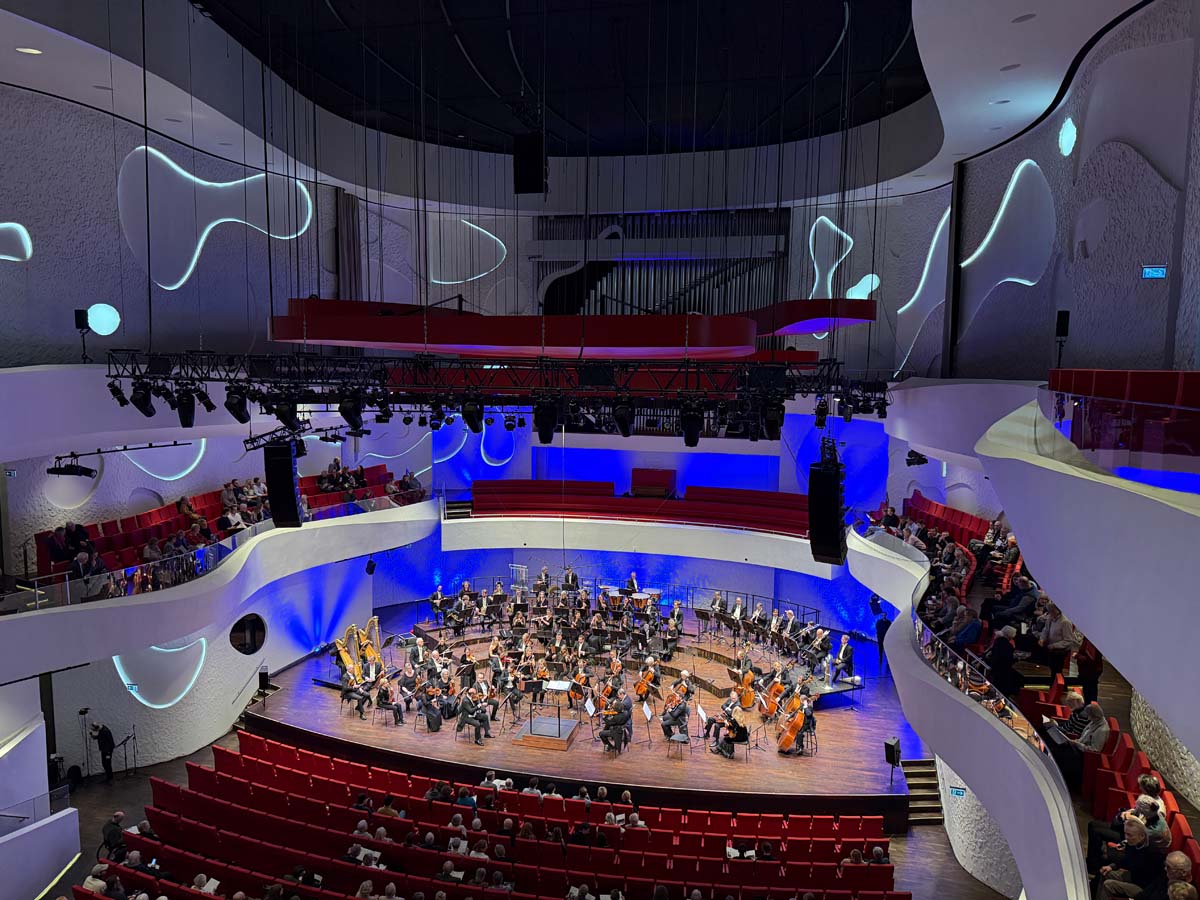
The goal is not “even more high end,” but a system that redefines familiar limits of scale, control, and resolution.
Børresen M8: A Piece of Sonic Architecture
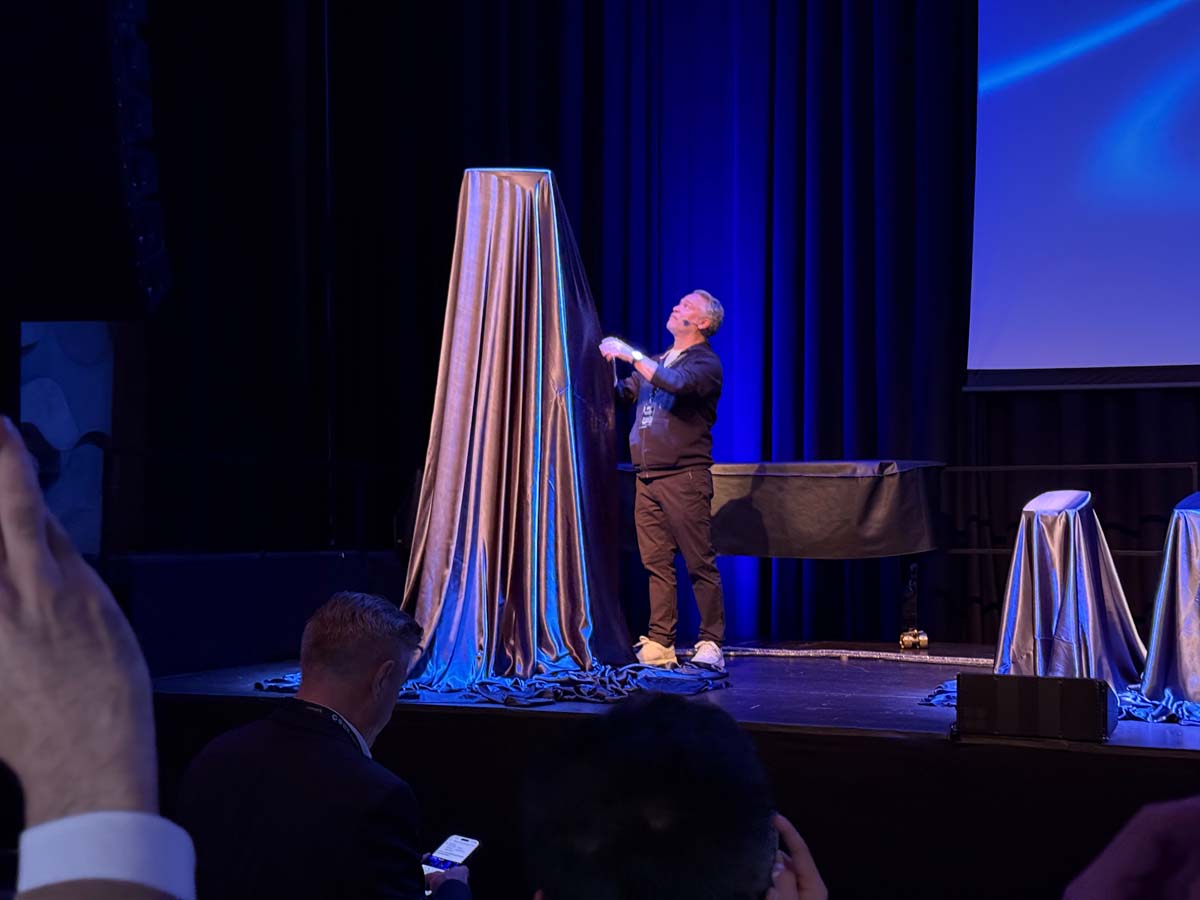
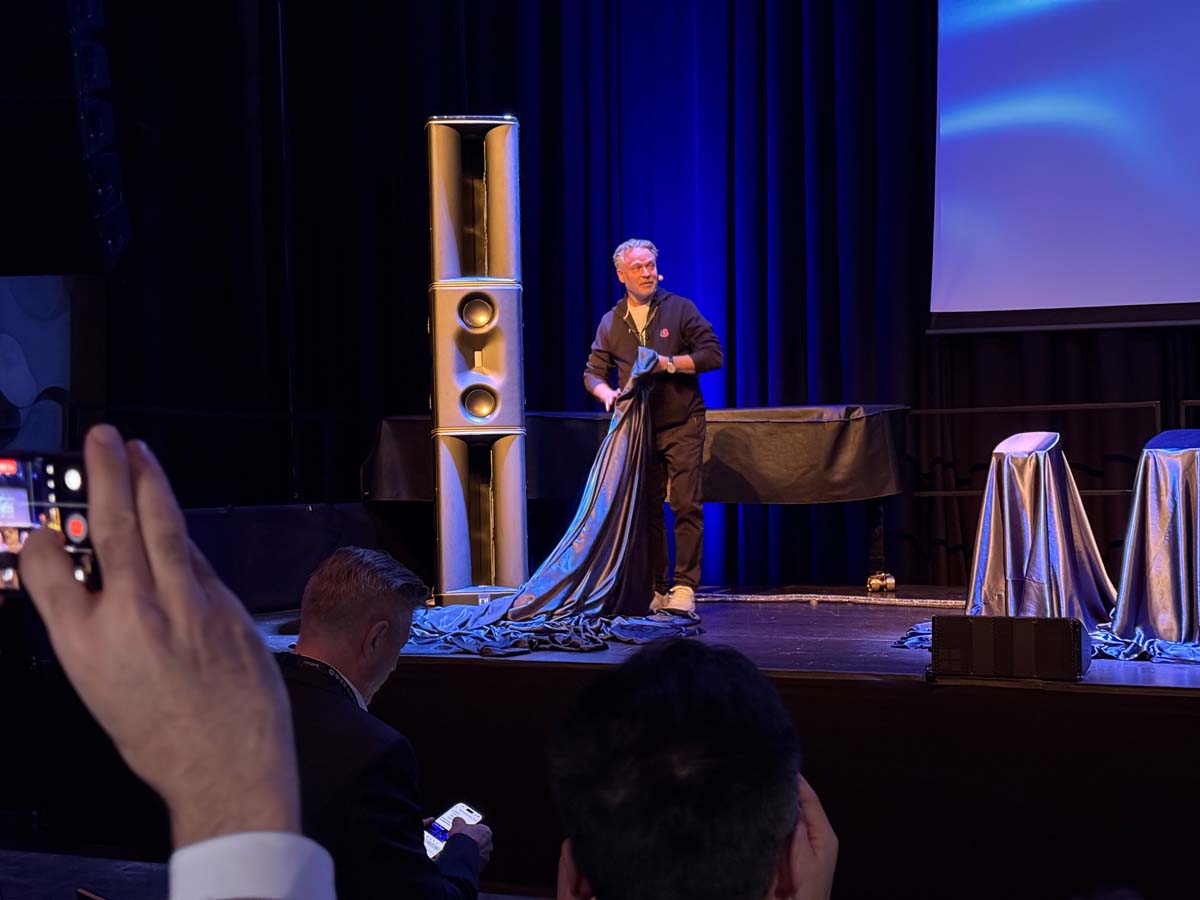
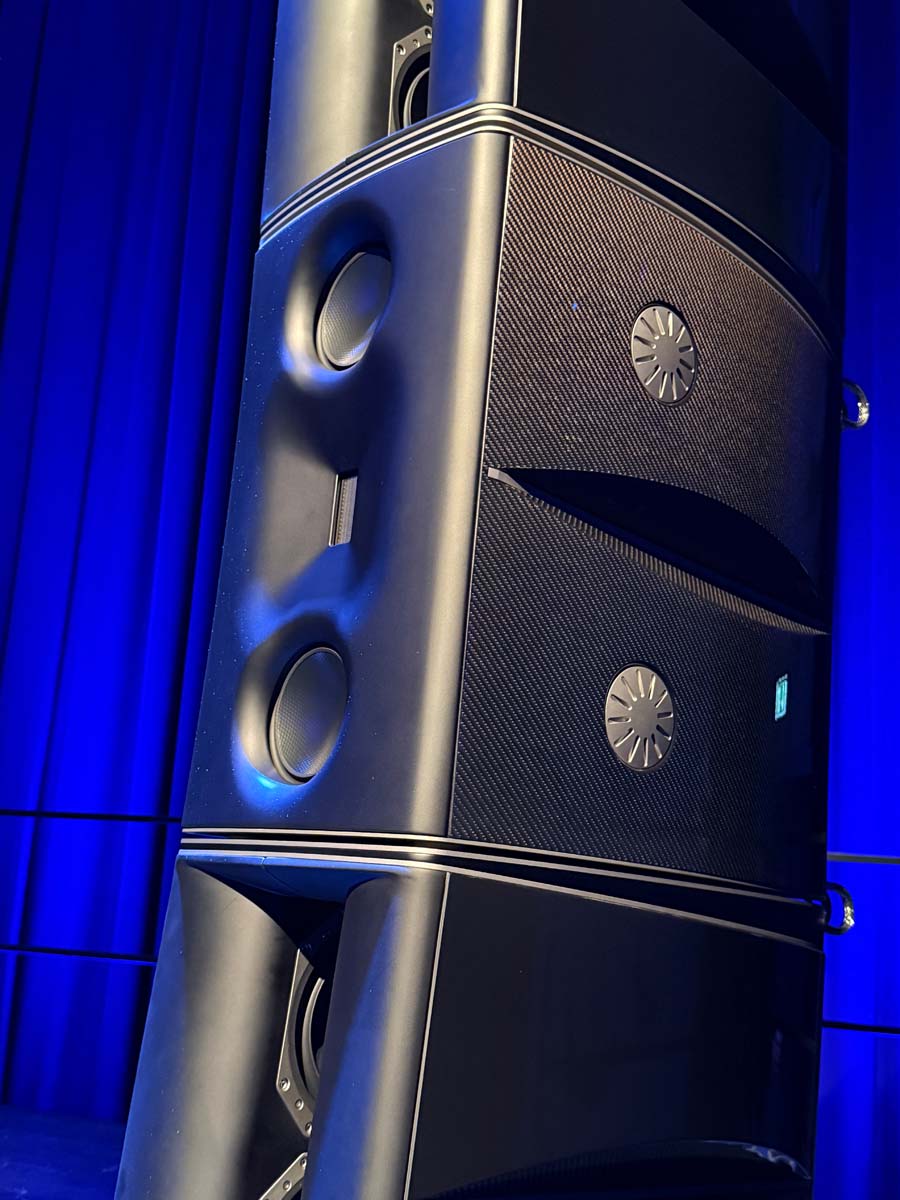
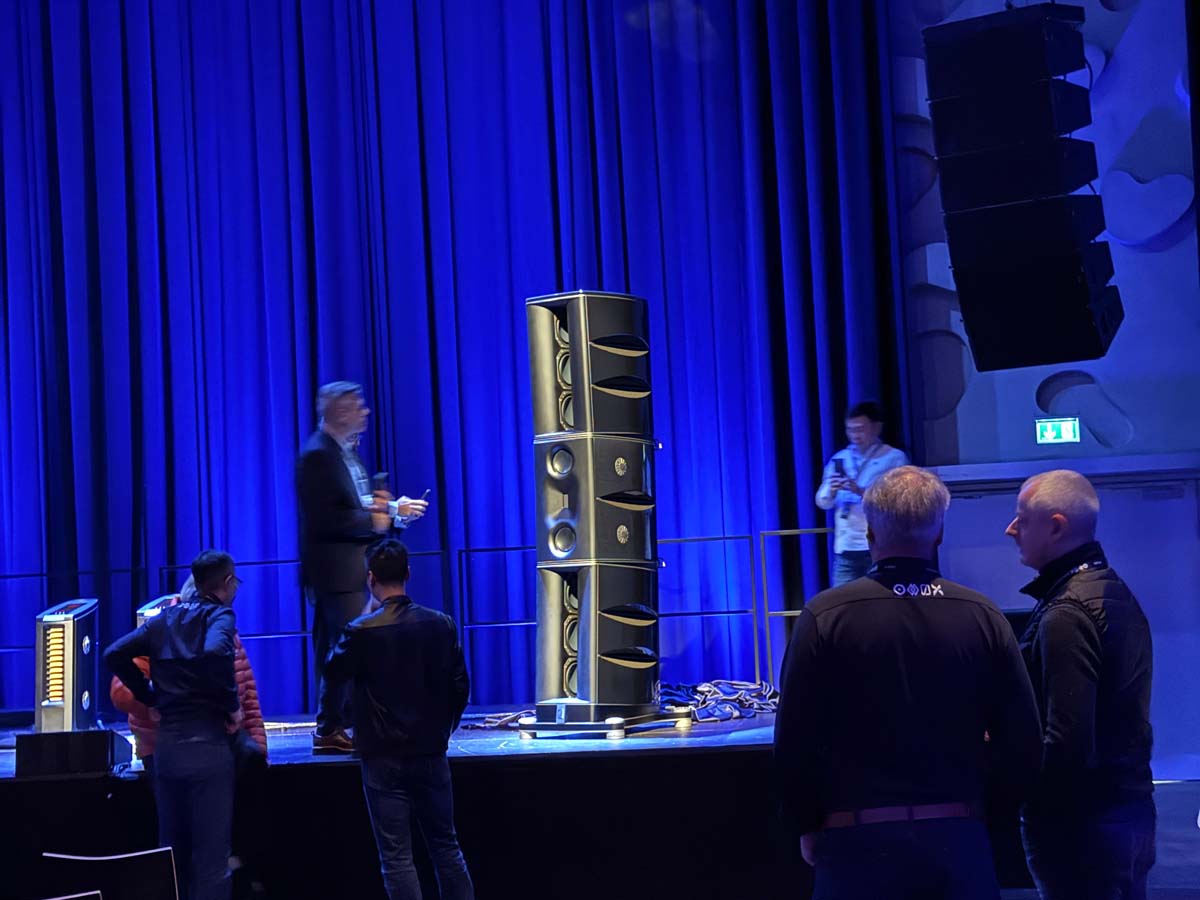
The M8 doesn’t feel like a cabinet so much as a structure: three modules stacked into an acoustic sculpture. At the center sits the midrange/treble system, with two bass modules working above and below it. The construct as a whole comes in at a whopping 325 kg (717 lbs) per speaker, but excessive mass isn’t the point – the idea behind it is maximizing surface area to minimize excitement and therefore energy storage, ultimately achieving maximum control.
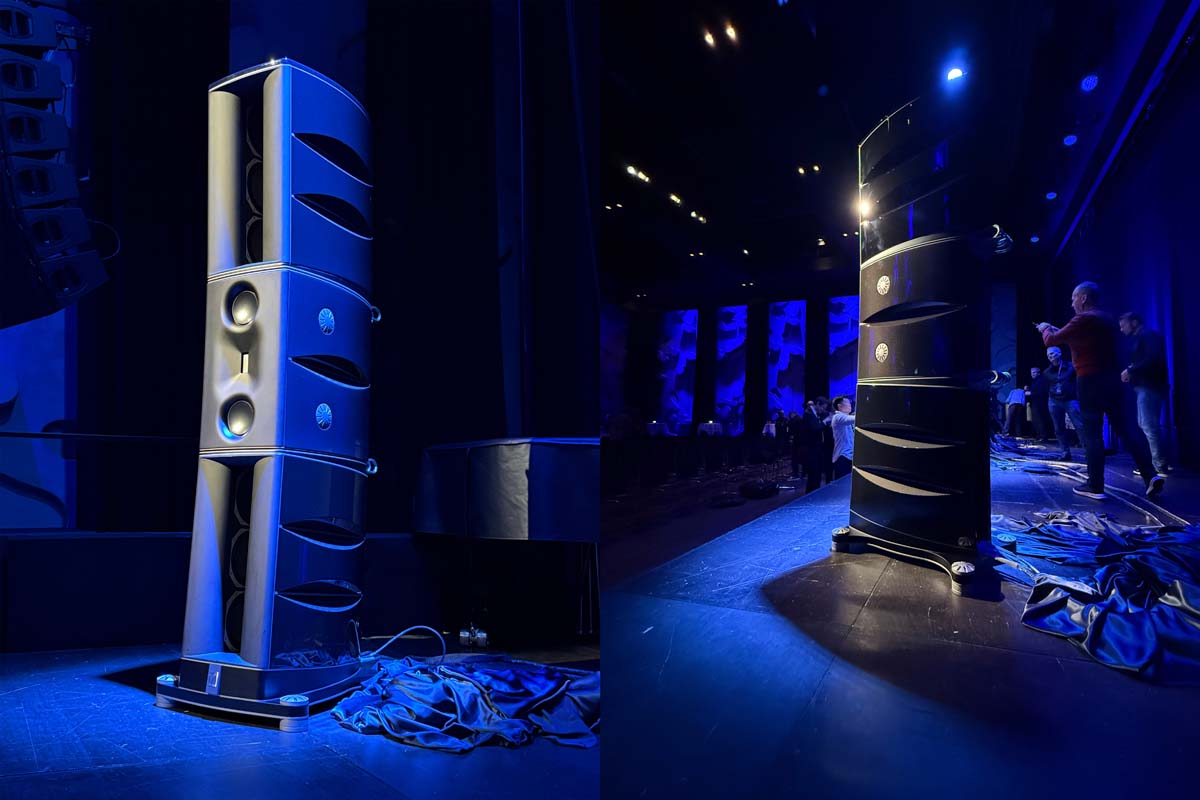
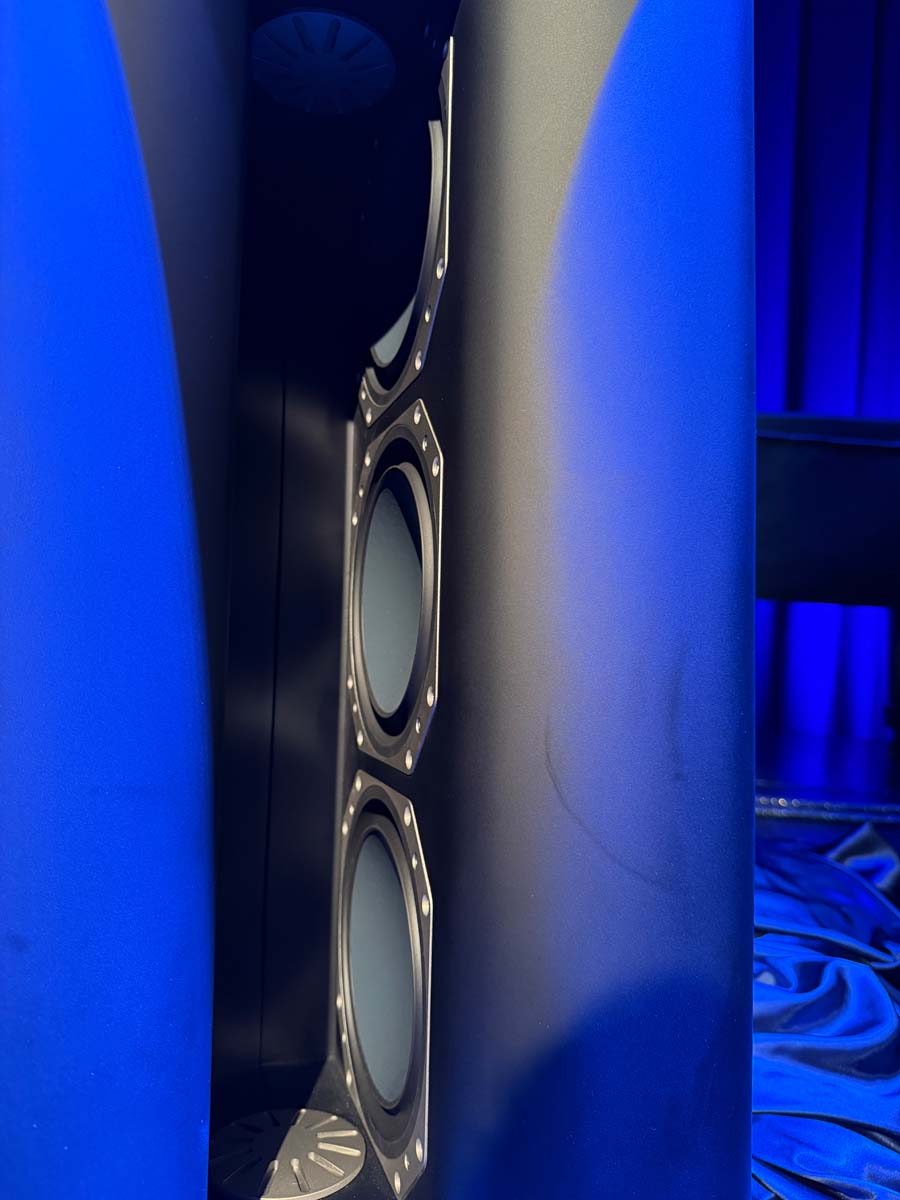
In the bass, Børresen relies on a folded dipole design: each speaker uses no fewer than twelve 8-inch woofers arranged in opposed configurations. Again, all the diaphragm area isn’t used to achieve more bass, but to achieve bass with less strain. When a load is spread across many shoulders, each one has a lighter load to carry. A classic engineering idea that fits surprisingly well in our time, when so much is being “fixed in post” through digital correction. The M8 aims for the opposite: it aims to get things right from the start.
Speed as Ethos
For years now, Børresen has been telling the story of its speakers as a story of speed: low moving mass, minimized energy storage, motor principles designed to reduce inductance and nonlinear magnetic effects. The M8 continues – and escalates – this line of thinking.
The top end remains equally consistent: a ribbon tweeter is no universal weapon, but in a system like this it is a logical choice. A ribbon can do something many domes only achieve through clever tricks: it can be light without seeming lightweight. And it can deliver detail without making detail sound like “detail.”
Bi-Amping as Principle, Not Option
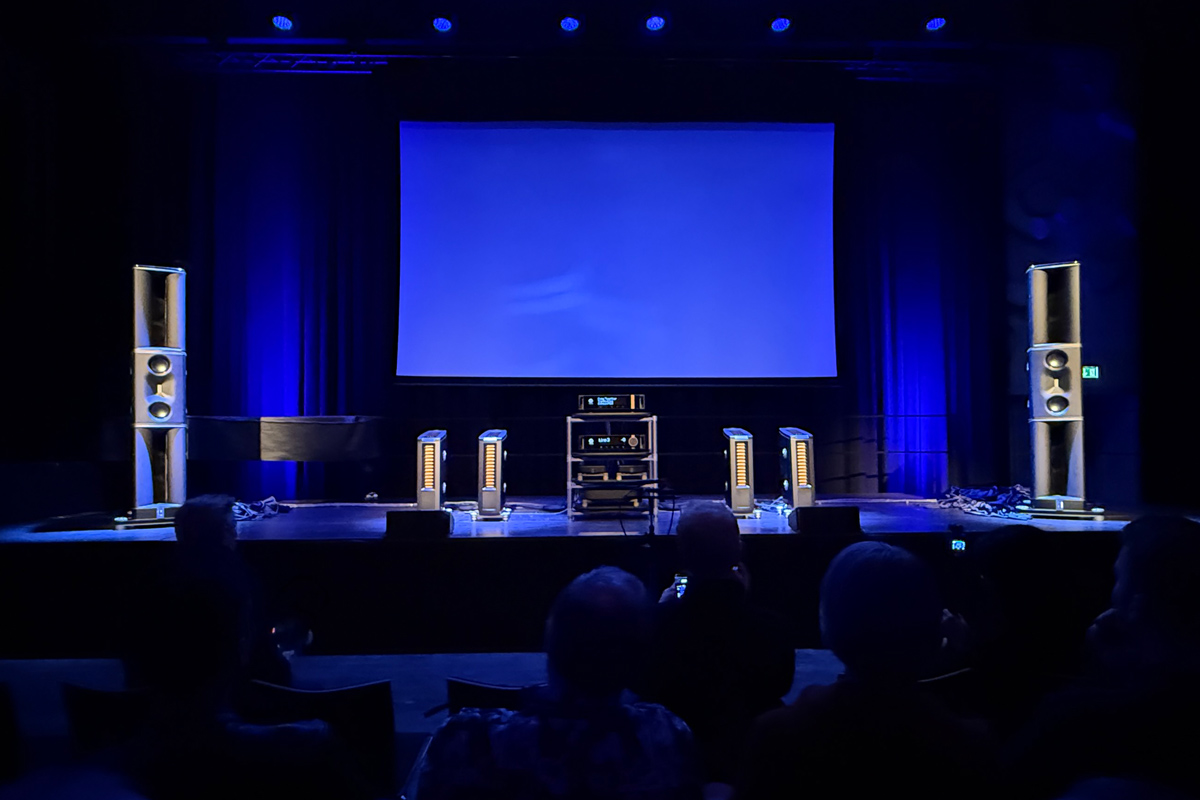
The M8 is structurally conceived as a bi-amped system – not as a convenience feature, but as a prerequisite. The bass modules are powered separately and integrated via external, analog active filters. That’s a clear stance: precision is achieved through disciplined signal routing and meticulous control of the time domain – without assuming DSP latency as a given. Anyone operating the M8 seriously will build a setup around it that fully implements this separation throughout the signal chain with the associated distribution of energy in mind.
M-880: Monoblocks That Take “Control” Literally
Spreading the load across many shoulders also entails that every component can perform its task without interference. In a setup of this caliber, this makes monobloc amplifiers appear as the only logical choice. The word that suggests itself here isn’t “powerful,” but “effortless”. In high-end audio, power is only the visible surface. The real question is: how does an amplifier behave when the load doesn’t mean well? When impedances dip, when current peaks are demanded, when large bass diaphragms need to start and stop on a dime?
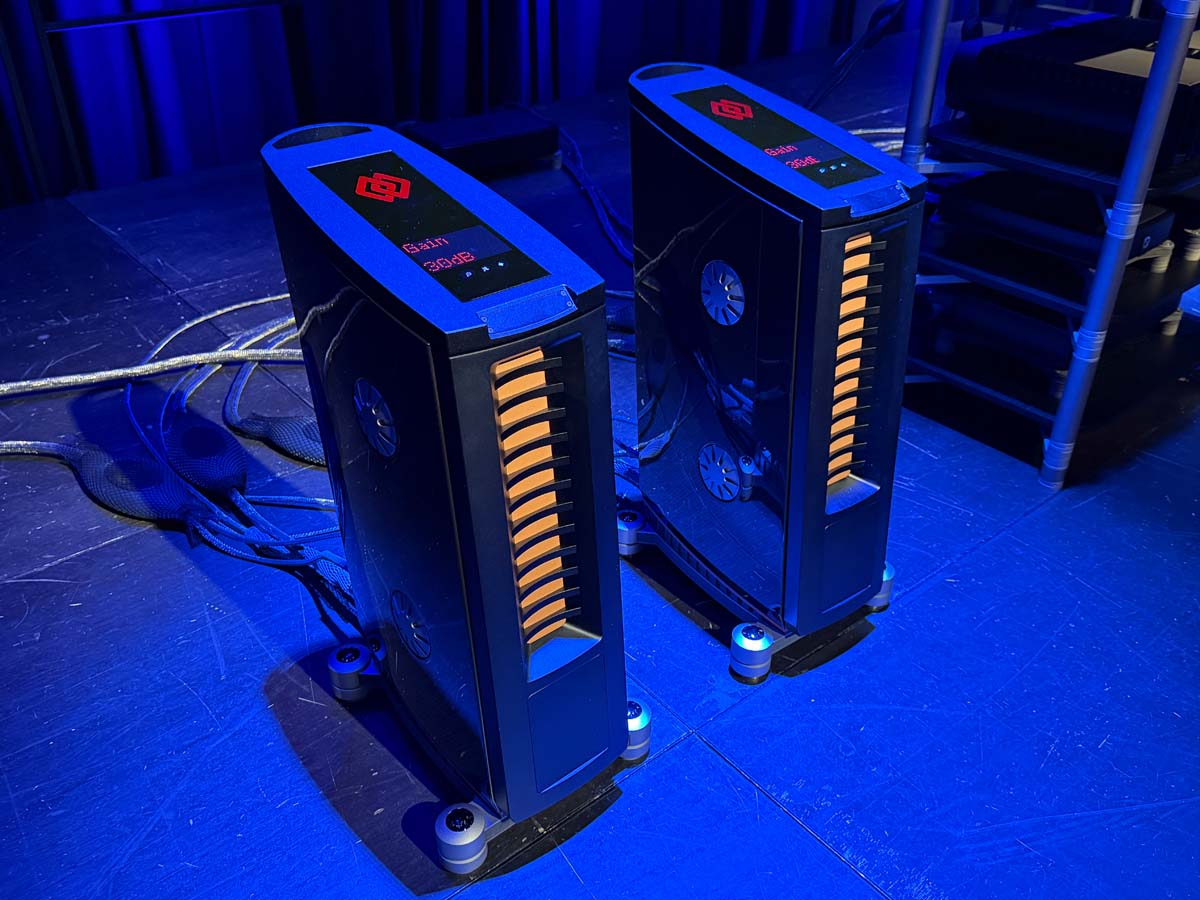
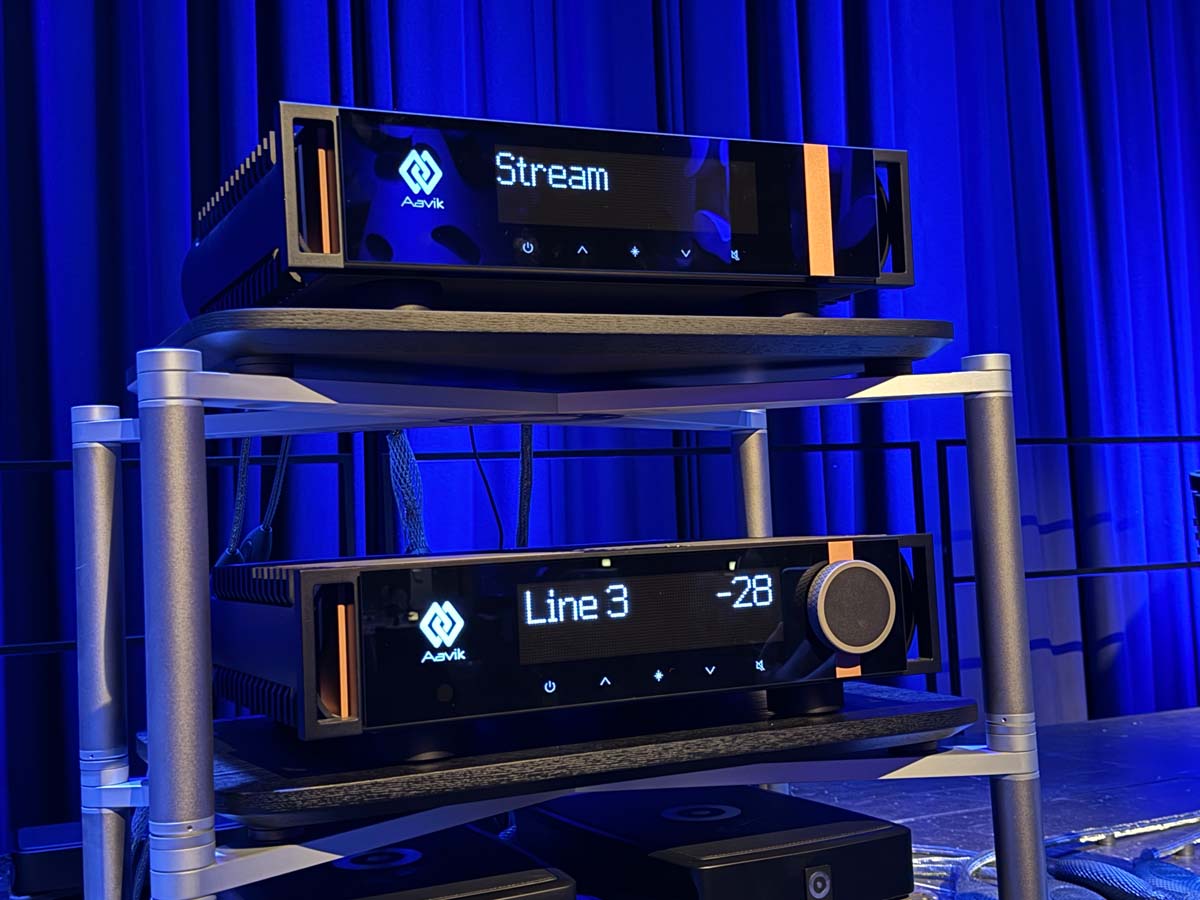
The M-880 presents numbers that leave little room for modesty: 400 watts into 8 ohms, 800 watts into 4 ohms, around 1,300 watts into 2 ohms, plus a communicated damping factor in excess of 1,000. Yet it’s not the magnitude of these values that the M-880 is all about, but the idea behind them: control as the foundation of calm.
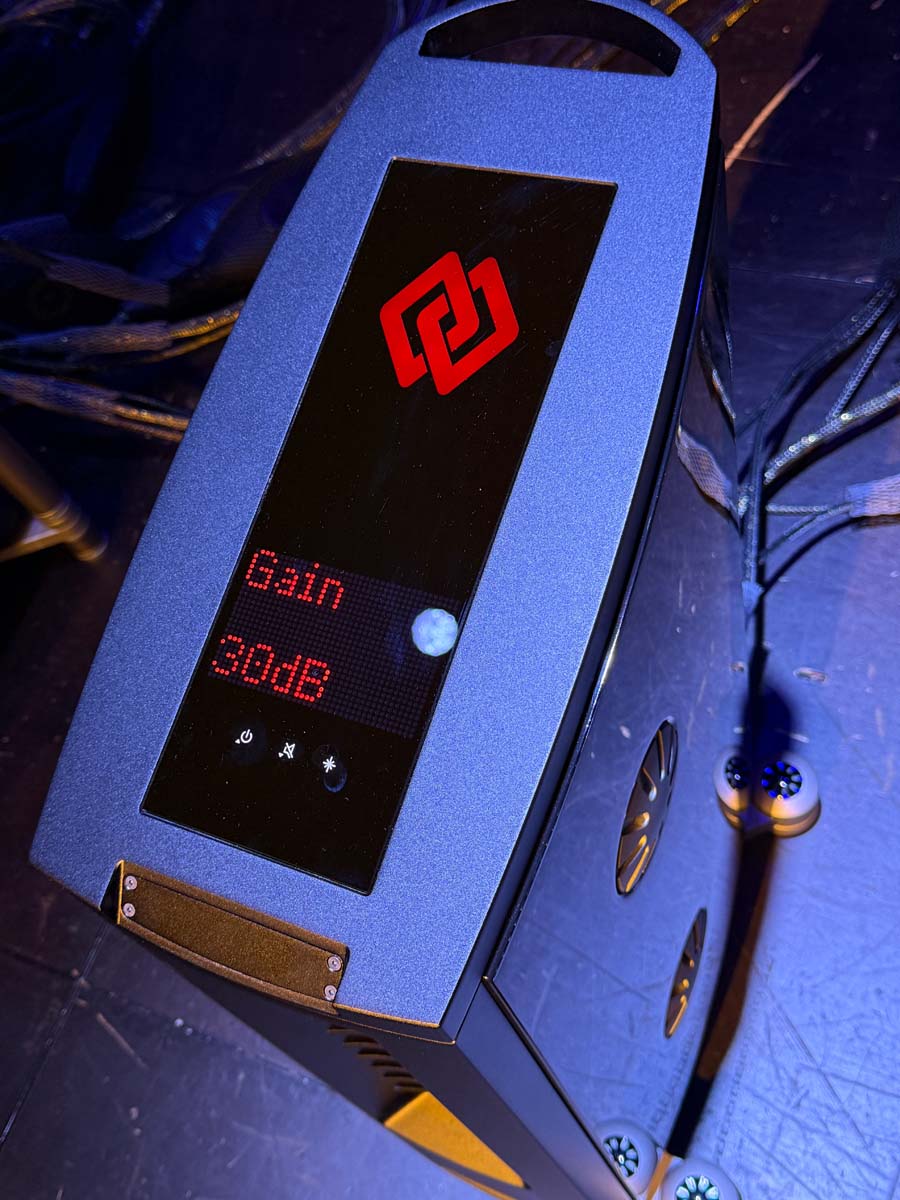
Aavik calls the concept “Class A reimagined.” In practice, this means a Class-A operating principle guided by a bias strategy that keeps the output stage permanently just above the required operating current (communicated as 0.63 V “above demand”). It’s an elegant way of phrasing an old dream: the sonic continuity of Class A without turning the amplifier into space heater as a side effect. Fittingly, Aavik’s power supply doesn’t rely on the classic narrative of “big transformer, big capacitors,” but on multiple PFC/resonant-mode supplies combined with local energy storage and short current paths. The design philosophy isn’t centered around simply supplying as much energy as possible, but about making it instantly available at any given time.

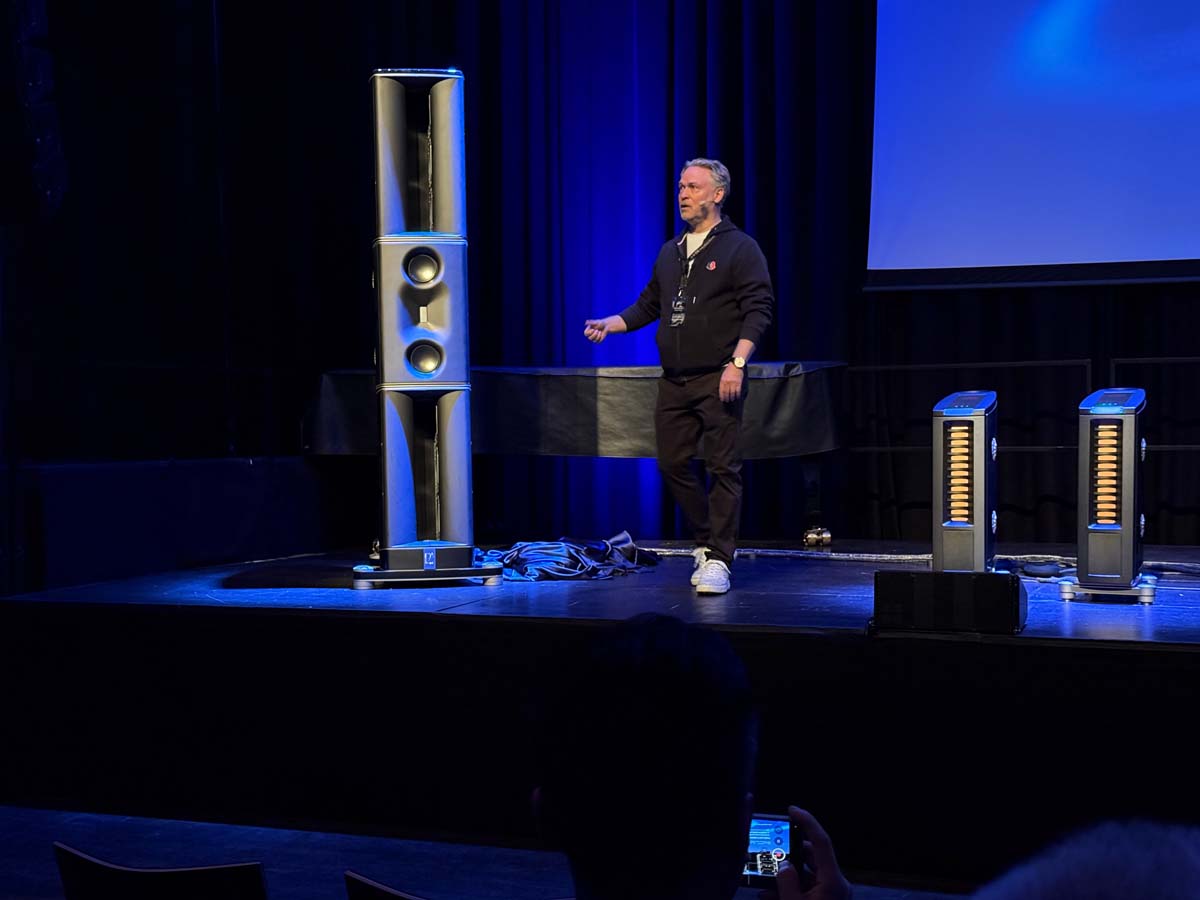
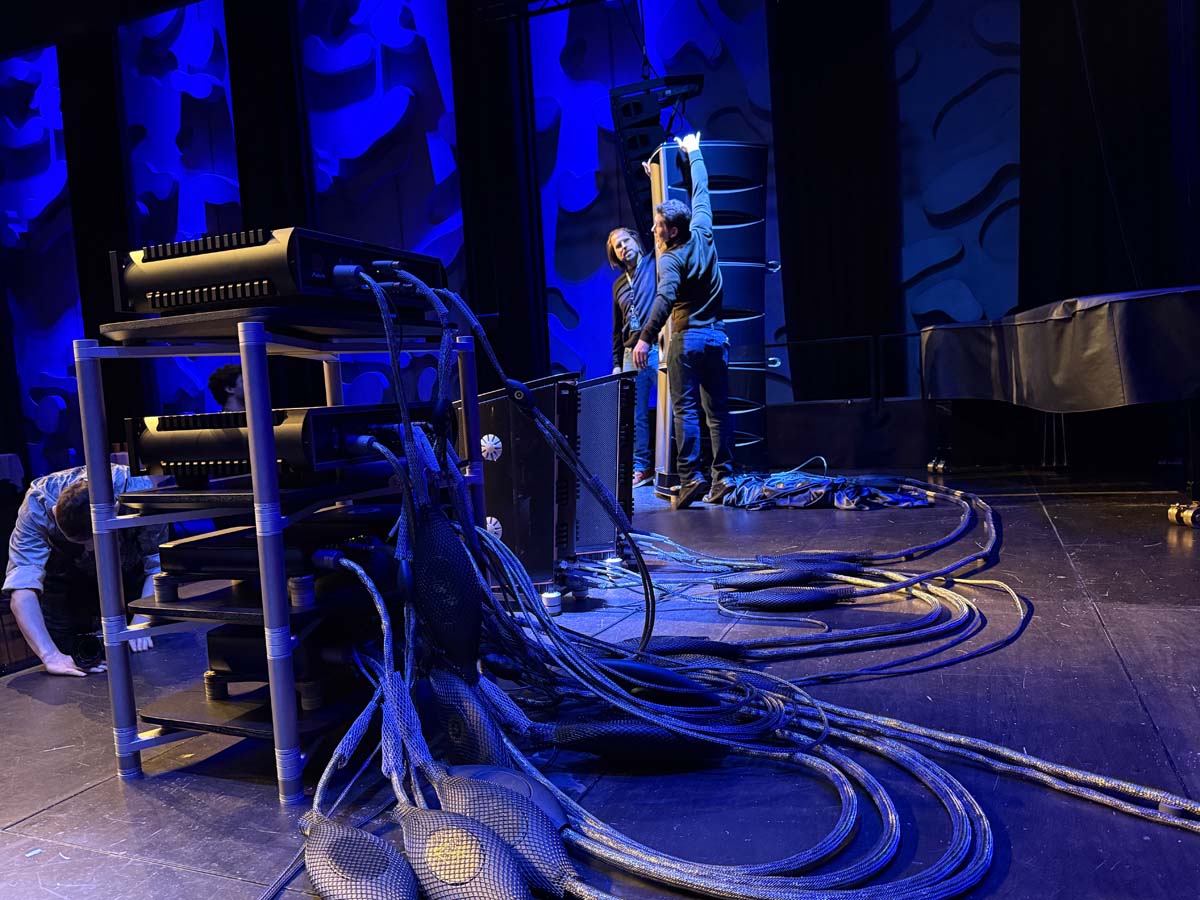
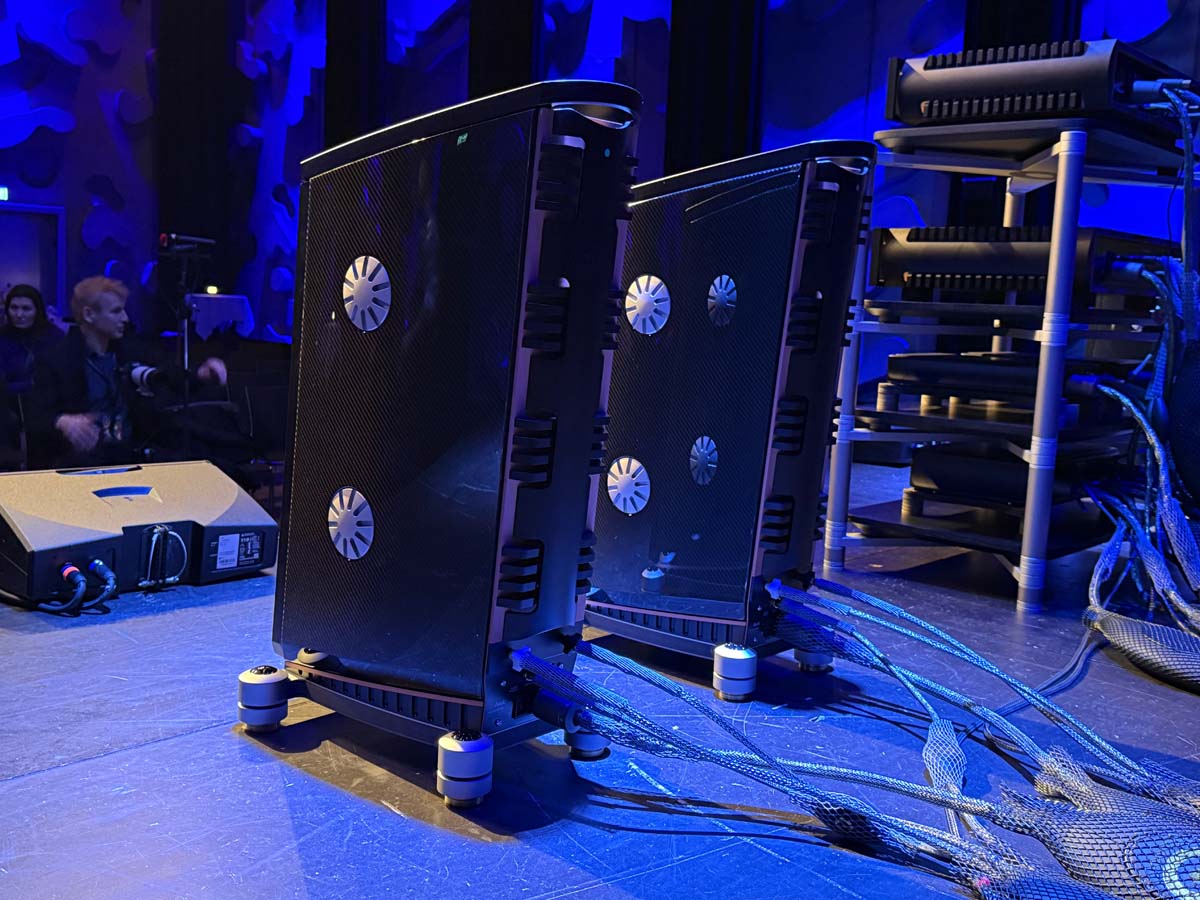
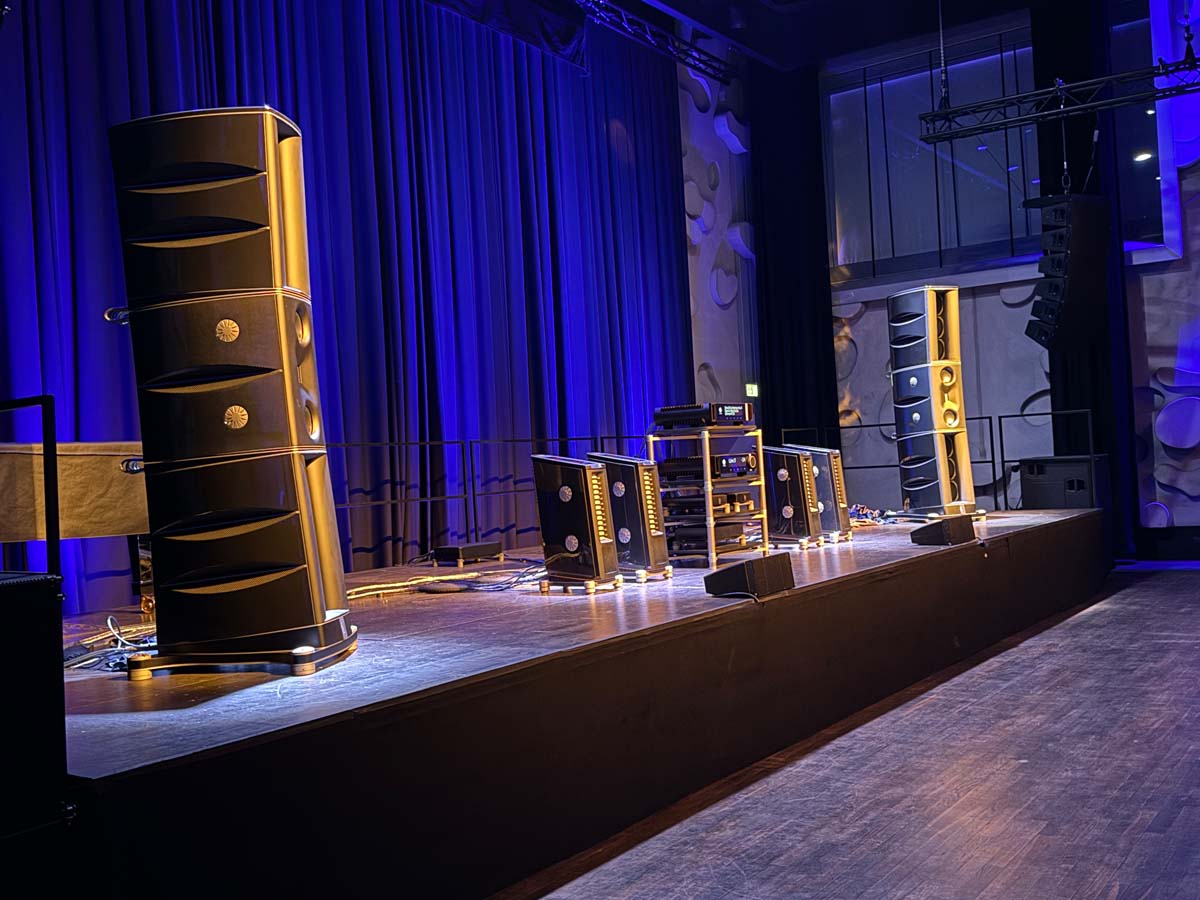
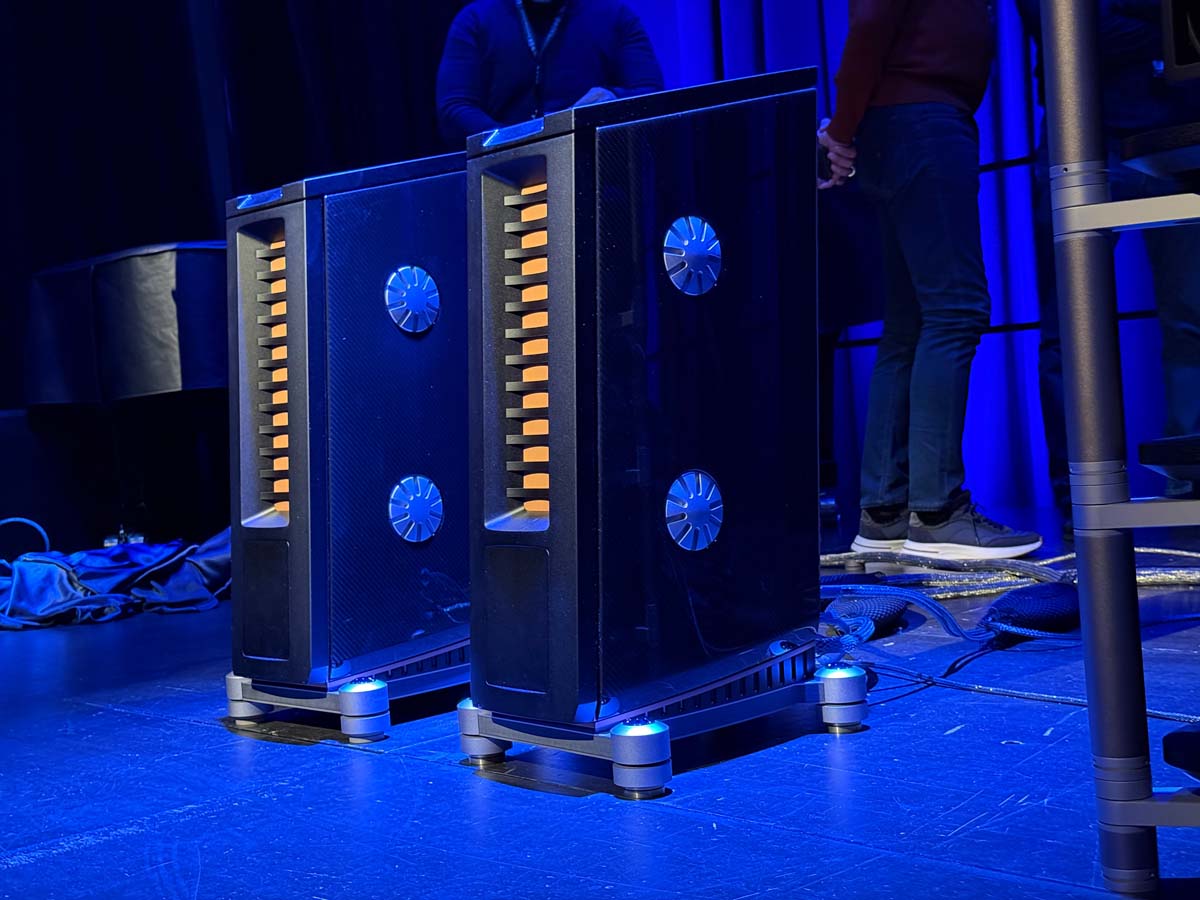
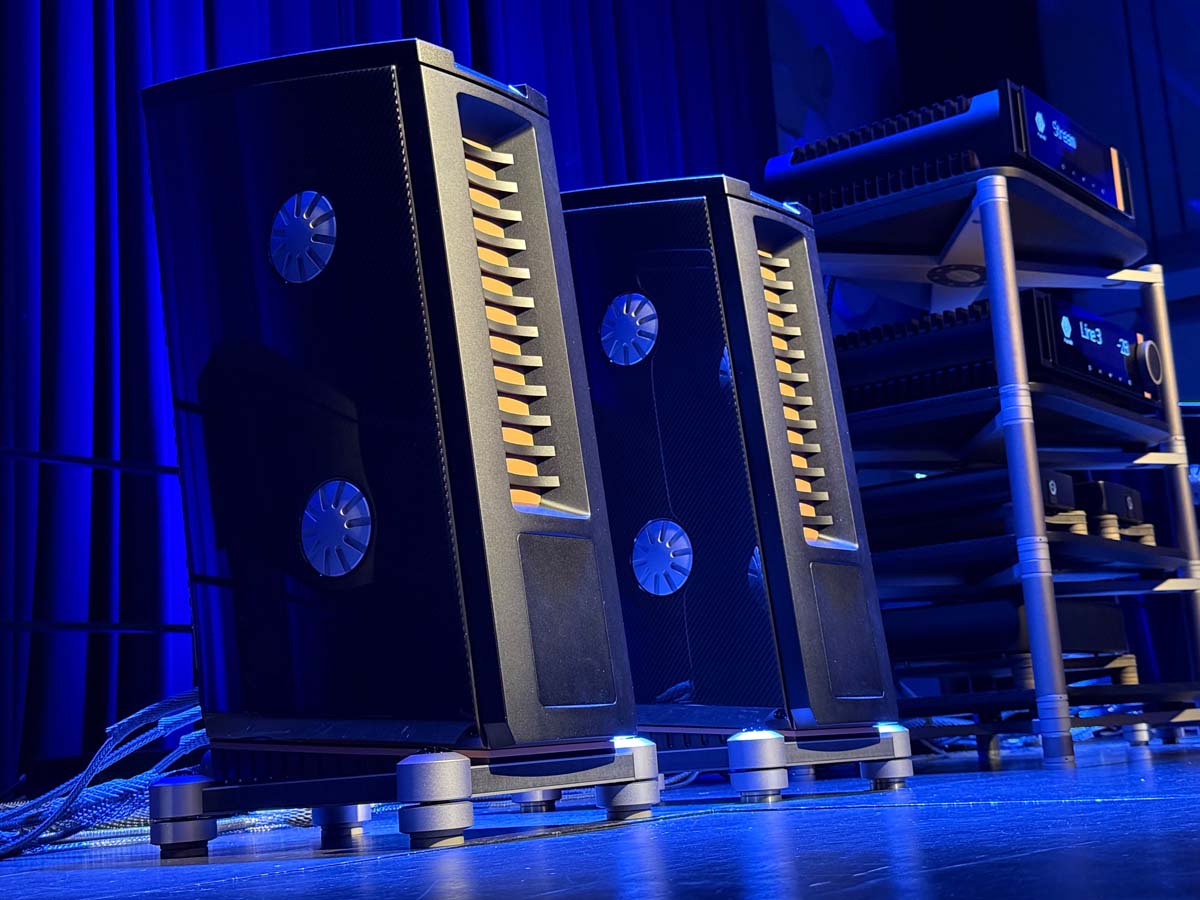
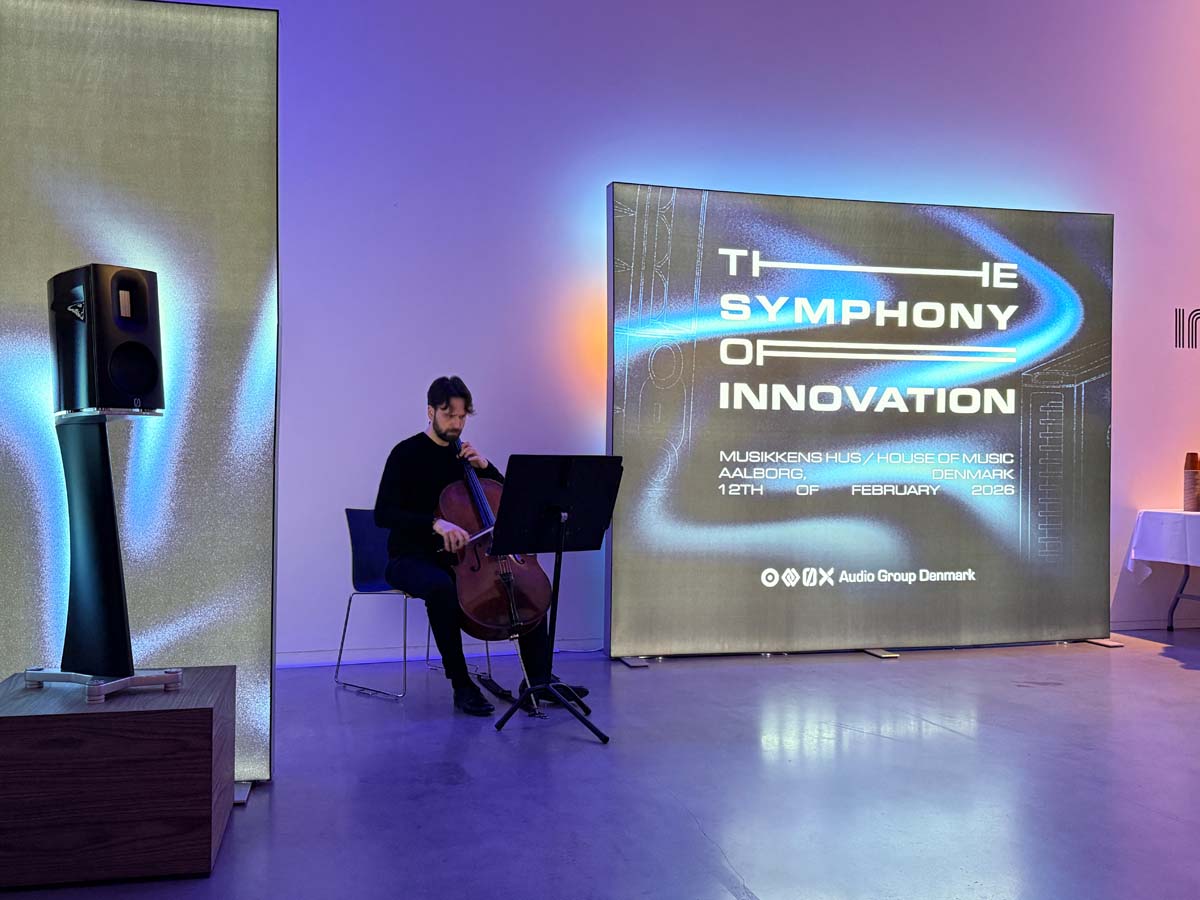
At around 70 kilograms (154 lbs) per monoblock, the M880 is, unsurprisingly, mechanically impressive as well. And as is true for every component of this system, all the isn’t decoration, but simply a logical consequence of the stability strategy.
What Remains When the Technology Falls Silent?
What matters at an evening like the one in Aalborg isn’t whether you can hear “more.” Many systems can do that. What matters is whether you notice less: less strain, less compression, less edge in the treble, less restlessness in the lower midrange. When a system is truly controlled, it does something strange: it steps back without becoming small. It can play big without being pushy. It can draw finely without shimmering.
In that sense, the M8 and M-880 aren’t “hi-fi products,” but an attempt to take an old idea seriously again: that the path to emotional impact doesn’t run through effects, but through stability. Music moves us not because it is spectacular, but because it is believable.
Why This Duo Is Conceived as a “System”
The message from Aalborg is clear: the M8 and M-880 aren’t meant to be lone wolves, but an integrated concept. The loudspeaker demands control exactly as the amplifier delivers it, and both are built so that disturbances (mechanical as well as electrical) aren’t corrected after the fact but minimized from the outset. This is high end in its purest form: not decorative, but deterministic.
Børresen M8 Gold Signature
Construction: 3-module system (center + 2 bass modules) | Bass: folded dipole, 12 × 8″ per speaker | Dimensions: approx. 2.2 m (7.2 ft) tall, approx. 325 kg (717 lbs) per speaker | Operation: bi-amped, external analog active filters for bass integration
Aavik M-880 (Mono)
Type: true-mono power amplifier | Power Output: 400 W / 8 Ω, 800 W / 4 Ω, ~1,300 W / 2 Ω | Damping factor: > 1,000 (nominal) | Power supply: PFC/resonant-mode concept with local energy storage | Weight: approx. 70 kg (154 lbs) per monoblock