
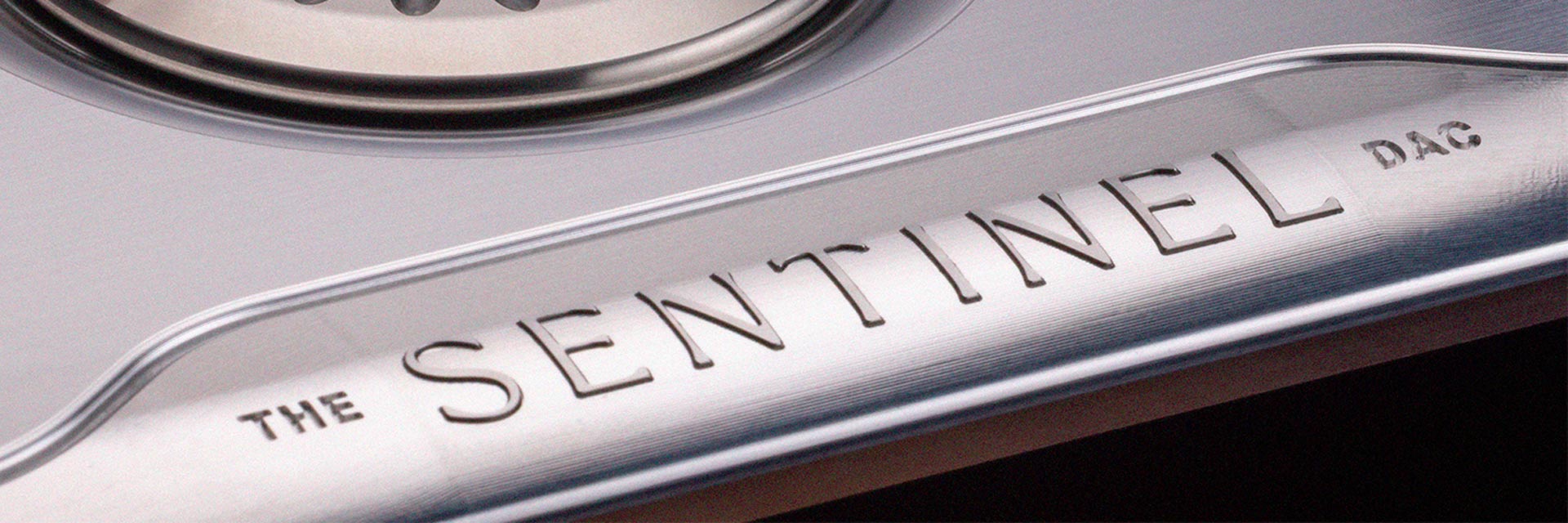
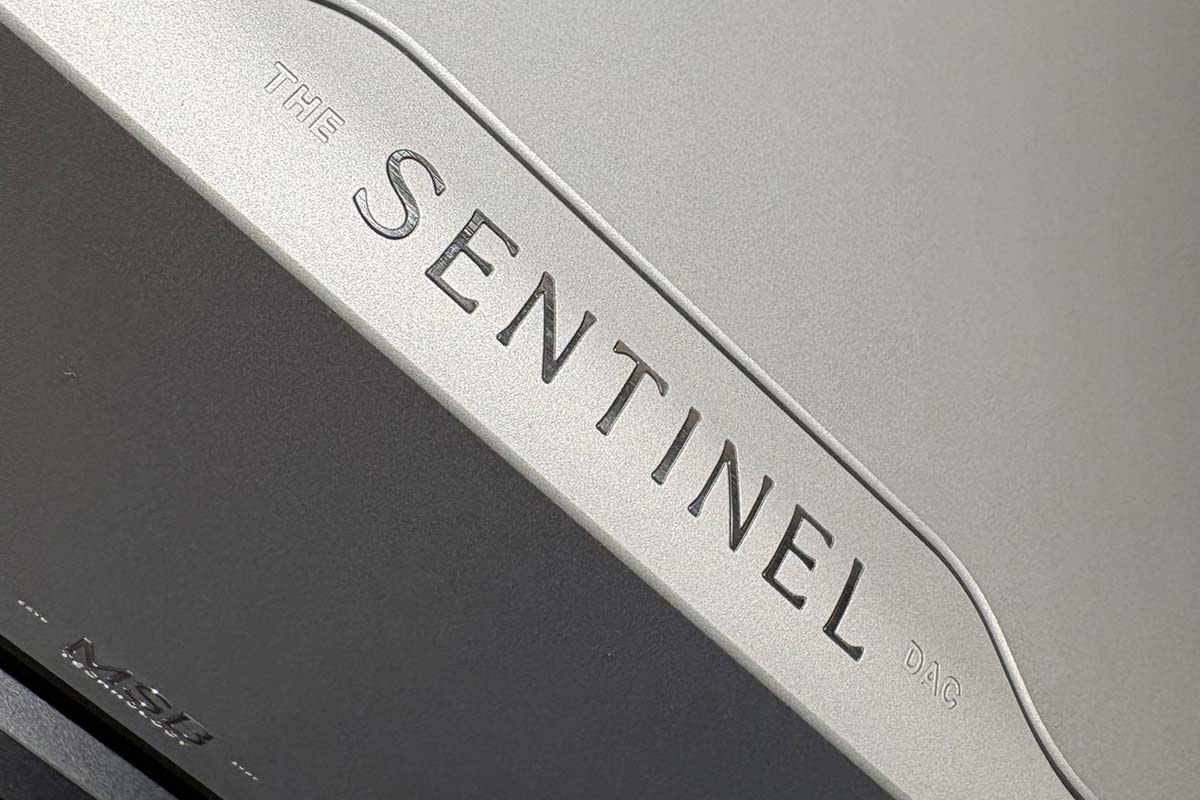
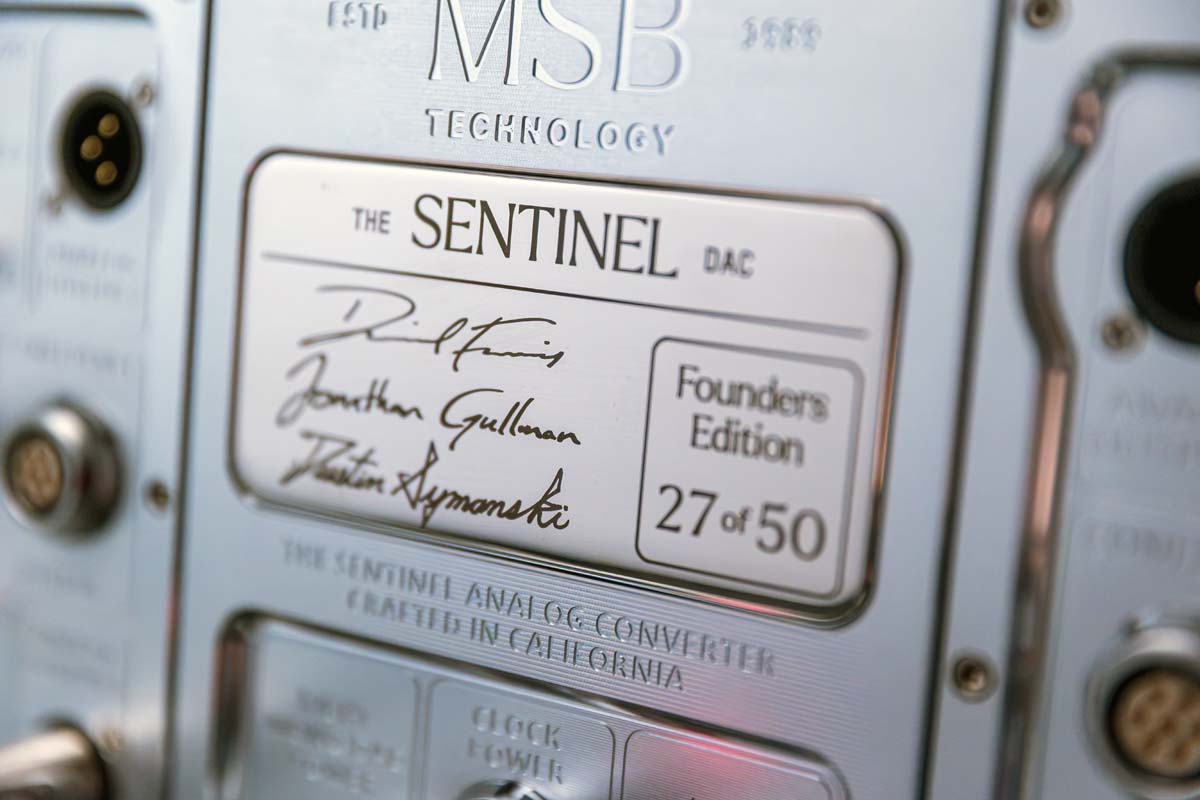
Is it even possible to meaningfully judge and evaluate components that sit deep in the six-figure territory? Of course not! At MSB’s level, embodied by the Sentinel D/A converter (approximately €450,000), there is only one currency that matters: superlatives, both sonic and tactile.
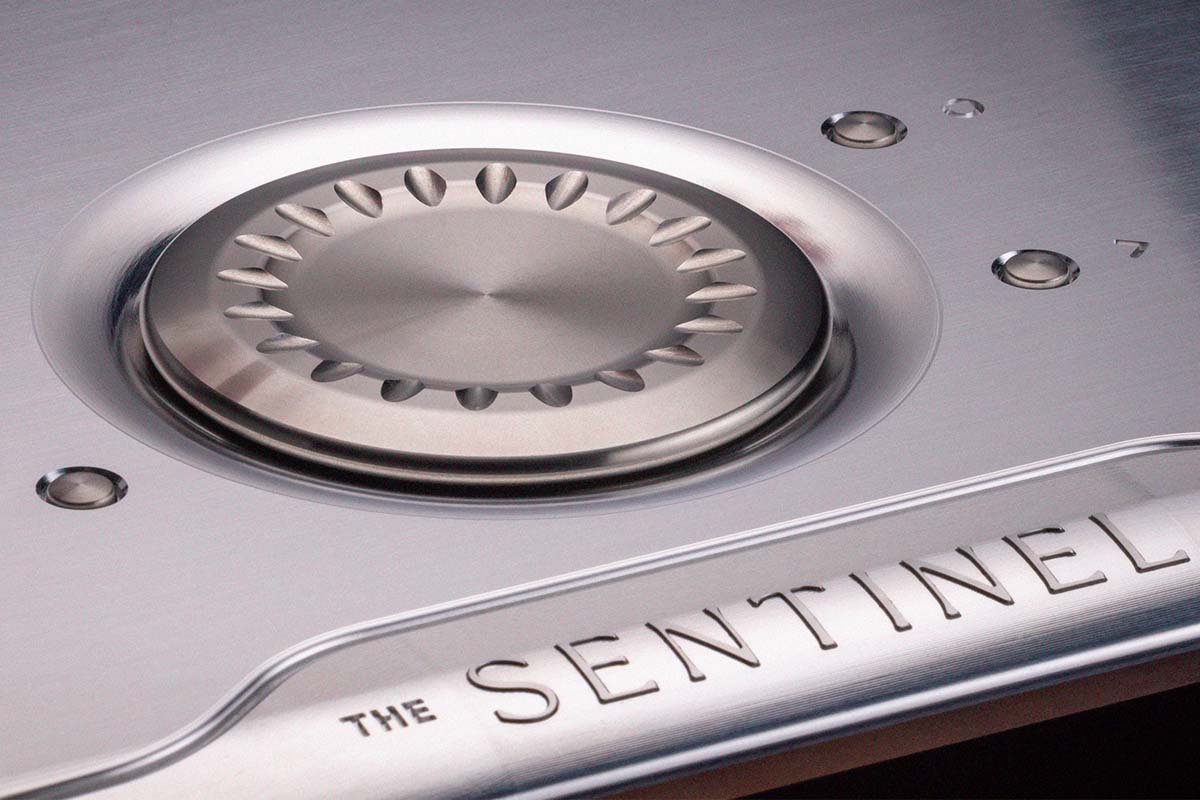
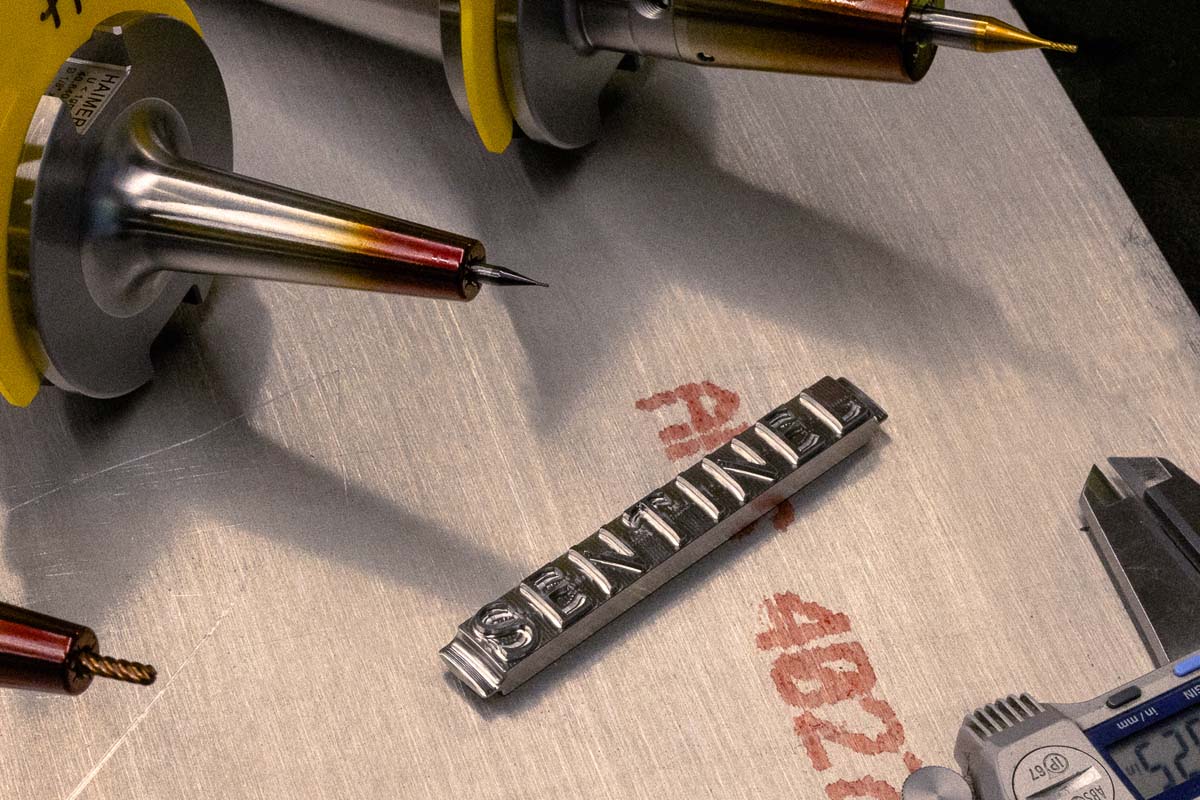
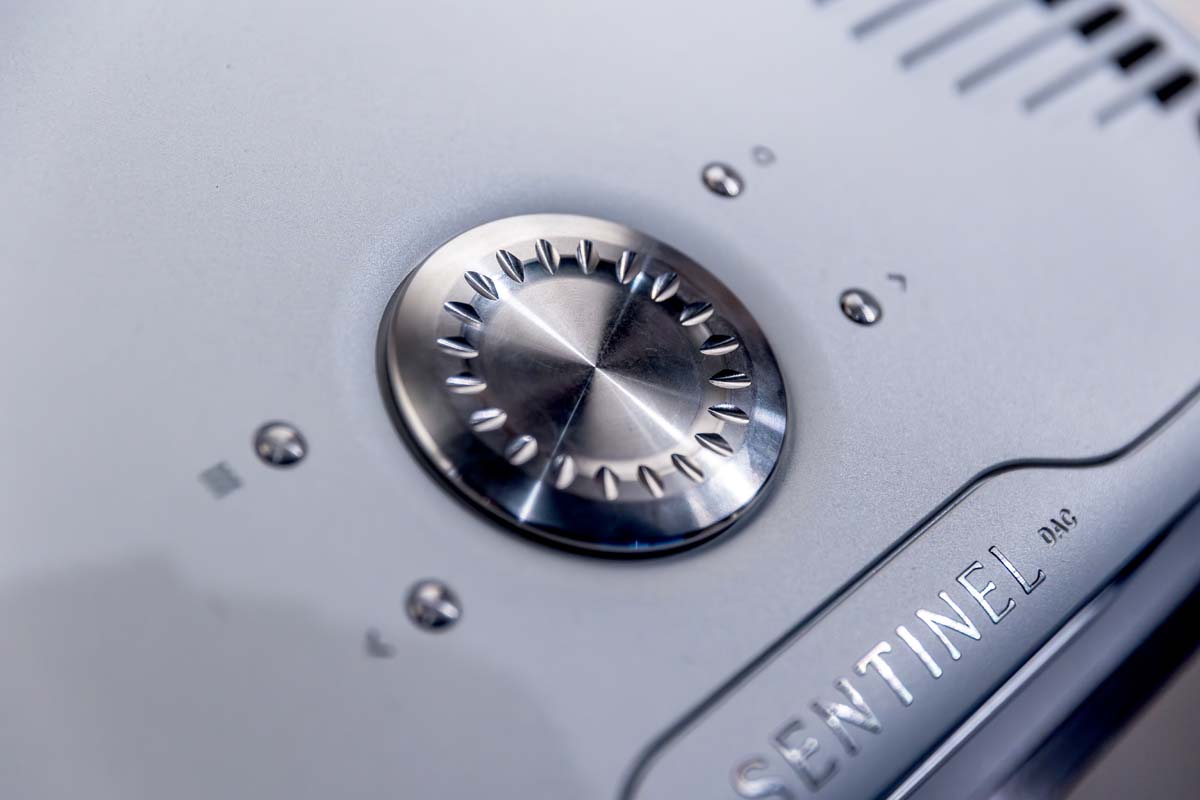
The machined enclosures feel so velvety to the touch that you want to snuggle up to them indefinitely. MSB Technology insists that no post-processing, such as sanding or polishing, is involved. The engineering team based in Silicon Valley has mastered its milling machines to an extraordinary degree. The volume and data encoder on the “Digital Director” – the component of this three-piece DAC that receives, refines, and ultimately passes signals on to the analog converters – feels so exquisite in the hand that you want to adopt it as your own child. Even software updates at MSB qualify as part of the overall listening pleasure: the control program arrives as an audio file that can be played back from any legitimate digital source. The Sentinel listens, responds to a predefined bit sequence, and initiates the update. In less than three seconds, the unit reboots, fully up to date.
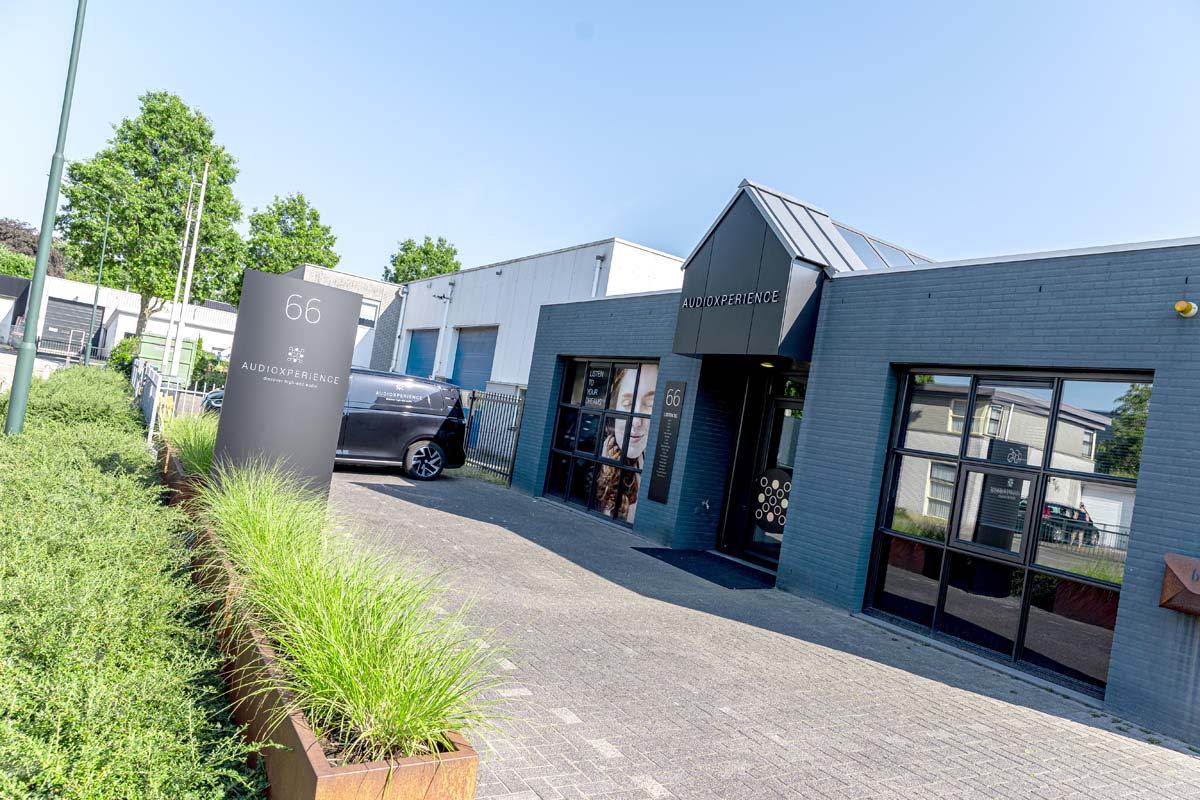
To experience the Sentinel away from the high-end trade-show frenzy, the manufacturer invited us to the climate-controlled premises of audioXperience in Nuenen, while temperatures outside had climbed to a sweltering 100°F. Simply find Eindhoven on the map and move your finger a little to the right – that will get you there. In the company’s excellent listening room, we were able to put the Sentinel head-to-head with its smaller sibling, the Cascade, available for the comparatively paltry sum of €106,000.
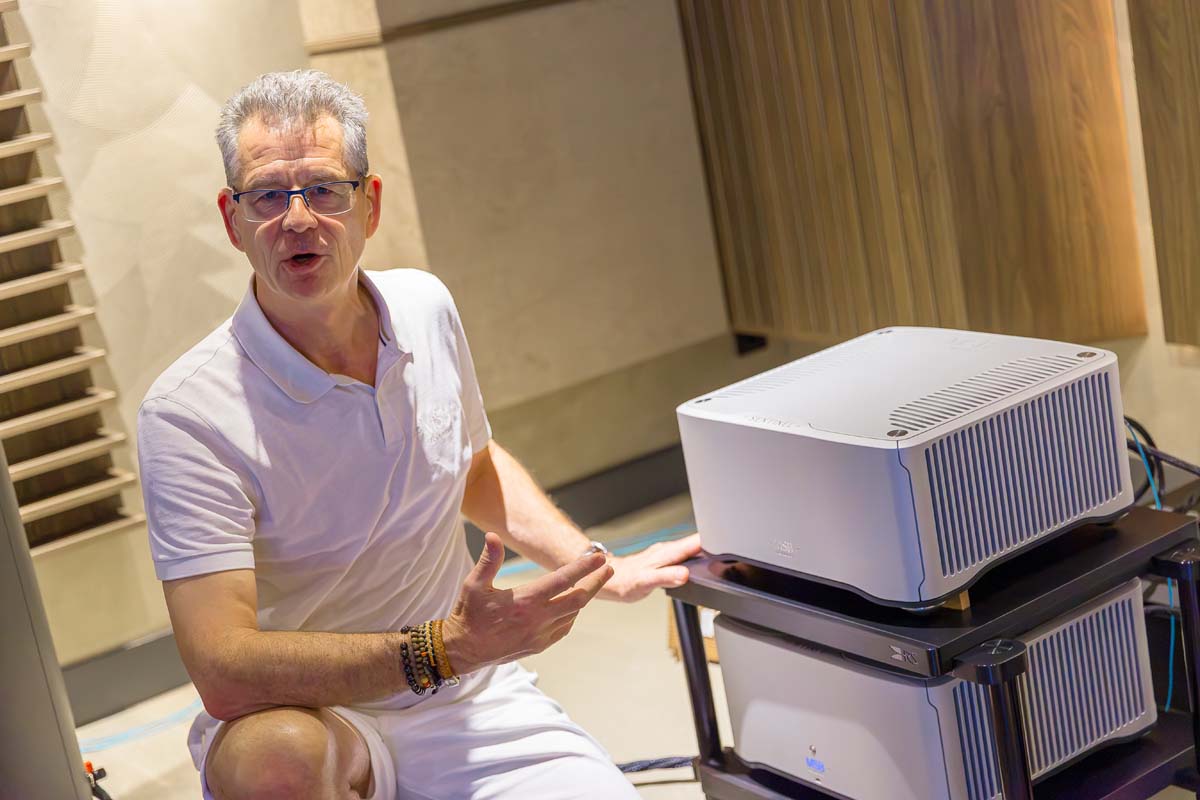
What makes events like these so compelling is not just the listening session itself, but the opportunity to meet the people behind the brands. Represented here by its European sales director, Frank Vermeylen, MSB came across as an approachable company grappling with the familiar challenges of a midsize business. The painstaking milling process highlighted above consumes enormous amounts of time, and even the smaller product lines keep the machines running at full capacity. Since the Californians were adamant about keeping production in-house, a new milling machine was required for the Sentinel family. A machine like this costs around €1.5 million, requires dedicated floor space, trained personnel, and months of fine-tuning. And the daily wear and tear on the milling heads alone could easily buy you a small car. Then there is California’s stringent environmental legislation, which makes building new electroplating facilities economically unfeasible. Anti-corrosion treatment of the enclosures for export to tropical regions – a necessity in those markets – requires tanks filled with highly aggressive acids. Frank Vermeylen explained to the handful of journalists present that MSB is competing with numerous other Silicon Valley companies for access to the last remaining anodizing baths, whose operators have responded to demand with painfully steep price increases. Stories like these can’t fully explain the cost of the components, but together with development cycles that stretch over several years, they offer some insight into the factors that shape the final price.
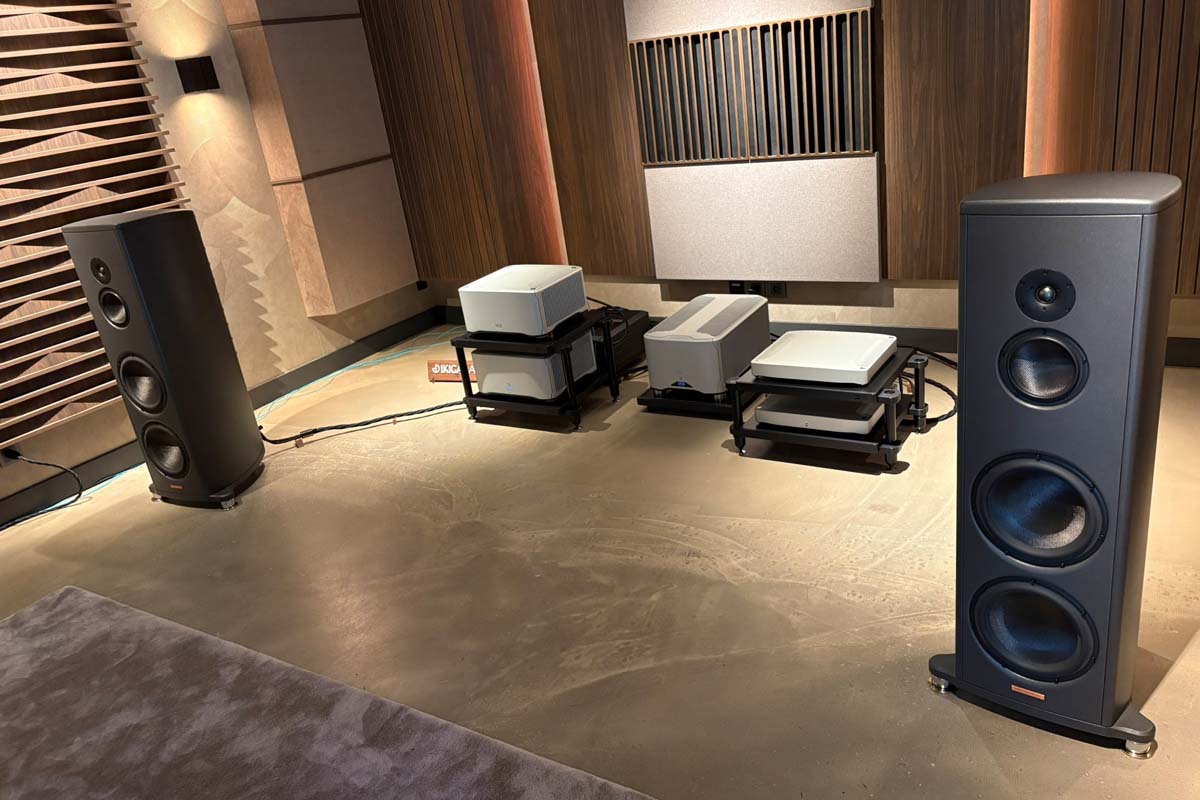
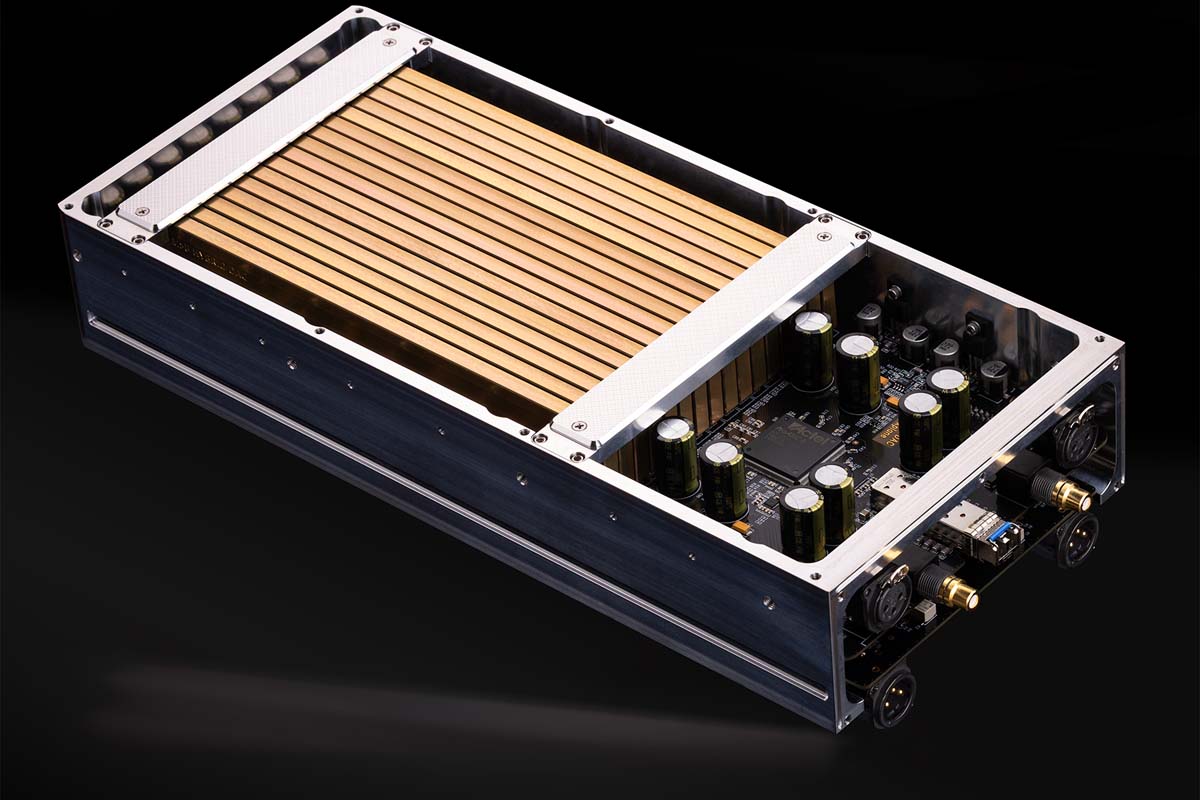
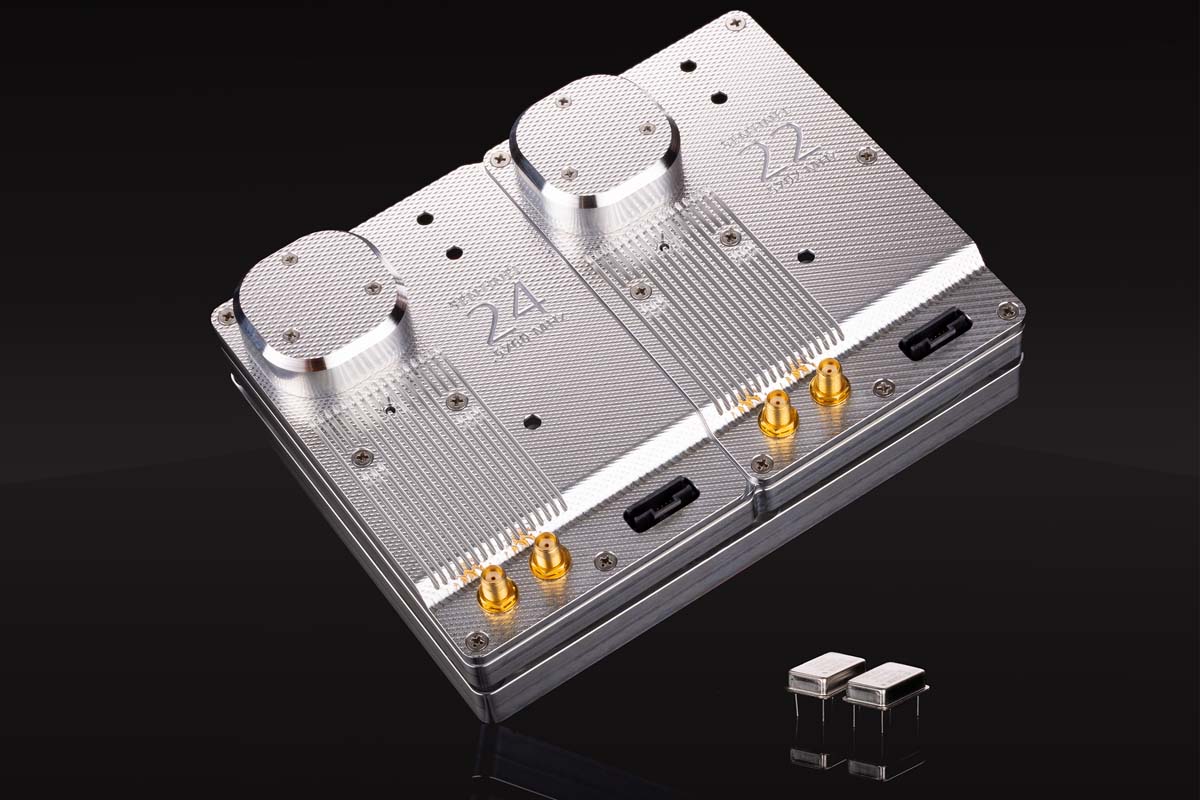
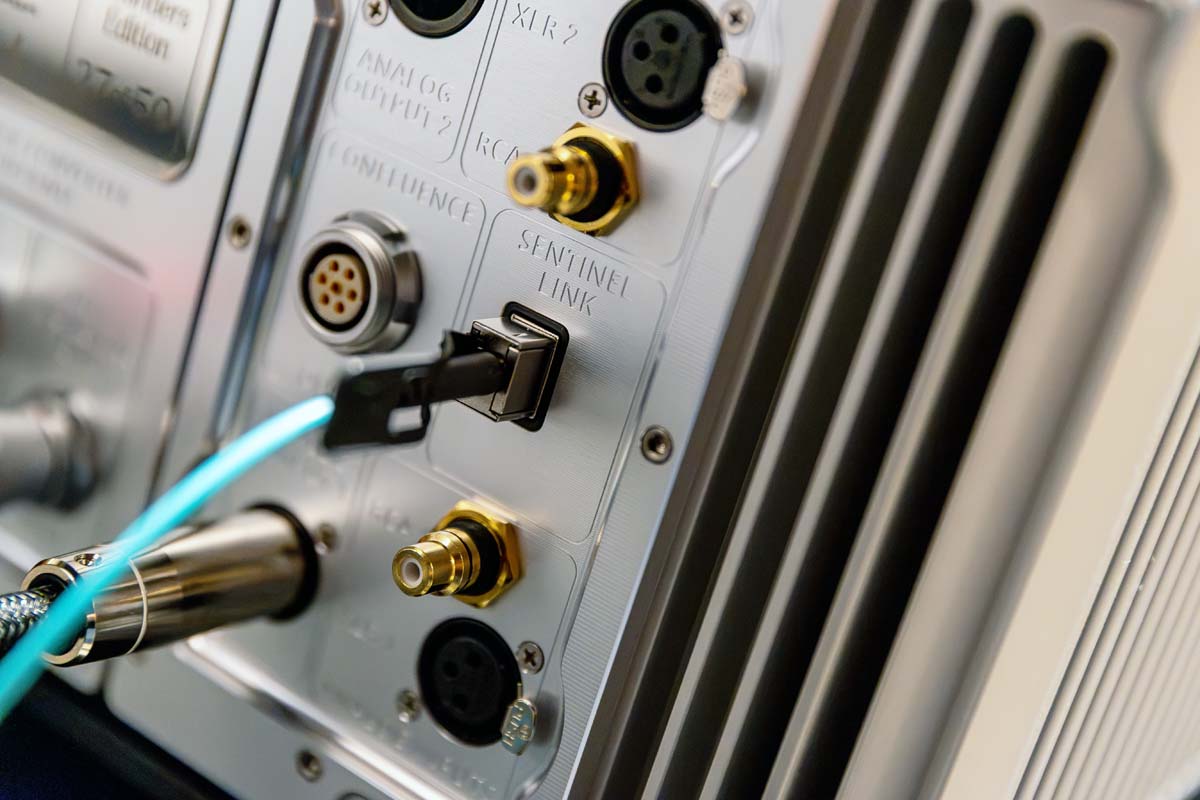
The Sentinel’s discrete converter modules, more specifically the “32 Hybrid DAC MKII” units, share a generously proportioned enclosure. This provides ample room to keep the stereo channels appropriately separated. Each channel, together with its dedicated power conditioning, occupies one of two massive blocks, receiving its impeccably clocked I²S signal via SFP fiber-optic cables. The formidable transformers reside in another enclosure of identical outward appearance. Also on hand as a “spectator” was MSB’s imposing S500 power amplifier, available for a comparatively modest €83,000. To ensure all that power had somewhere to go, the audioXperience team connected a Magico S5 to the other end of the speaker cables.
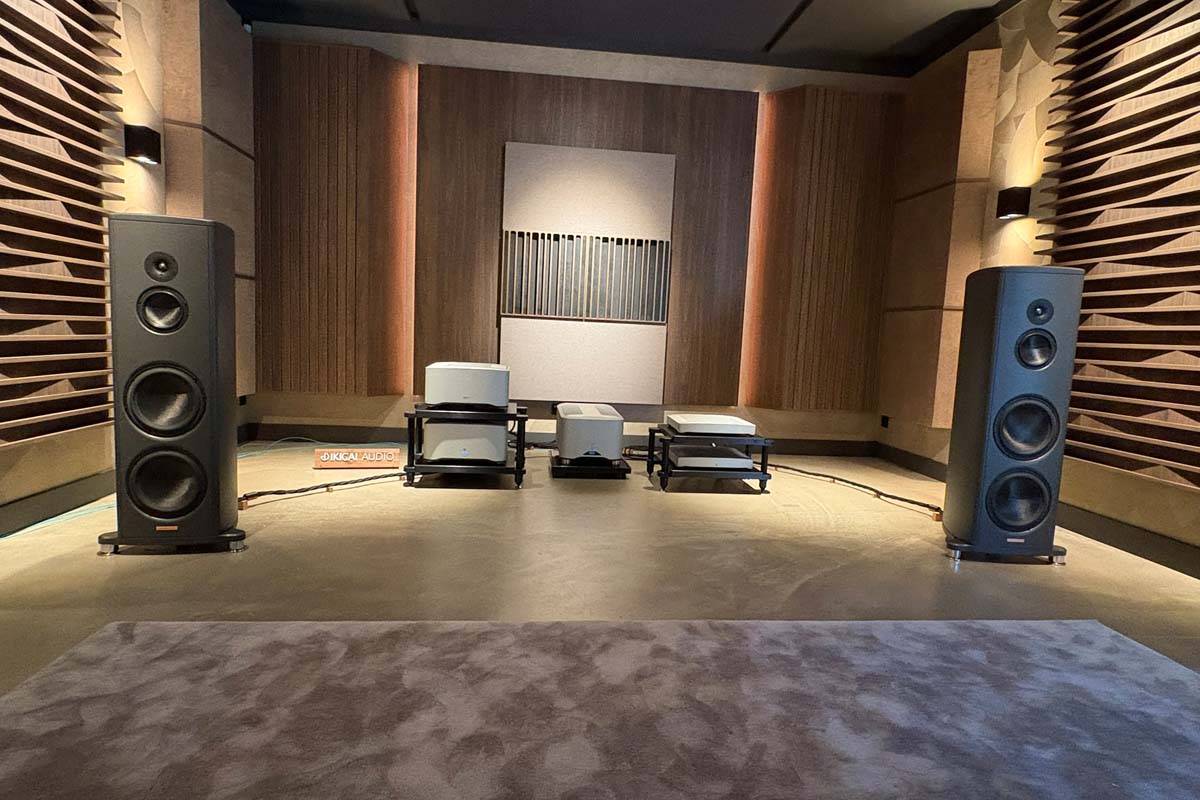
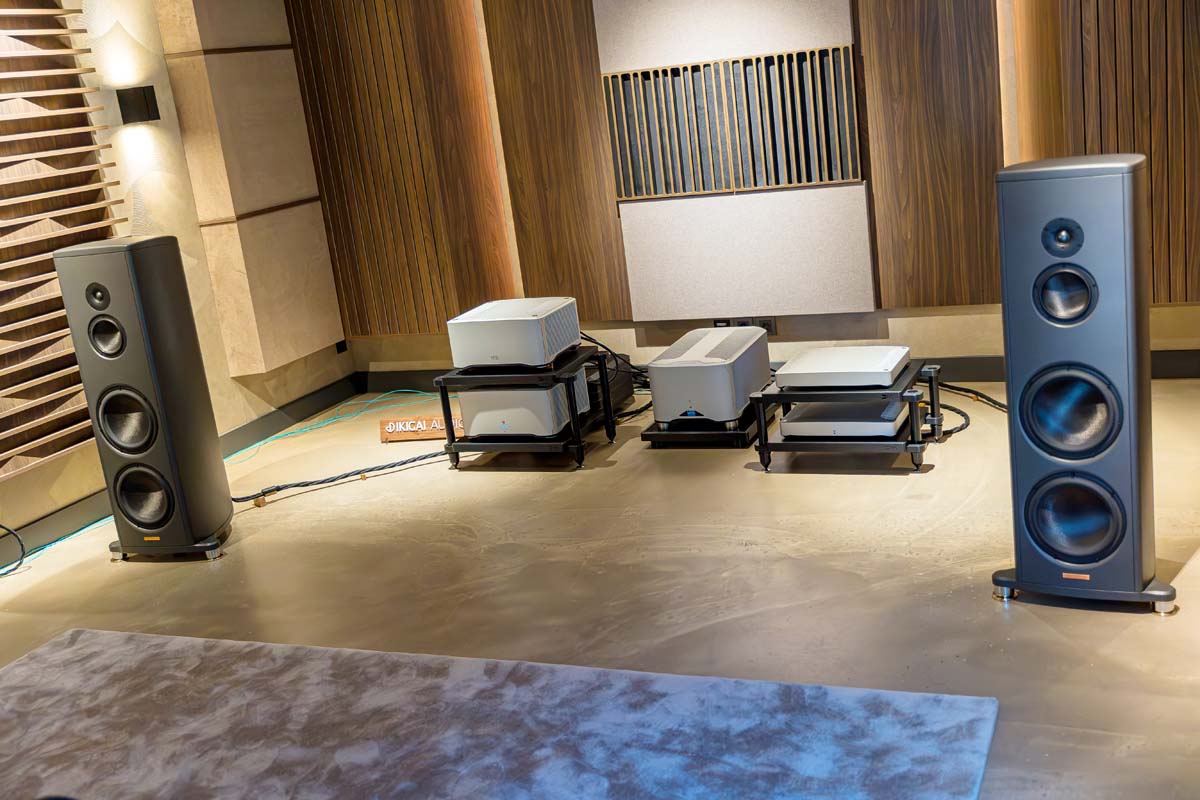
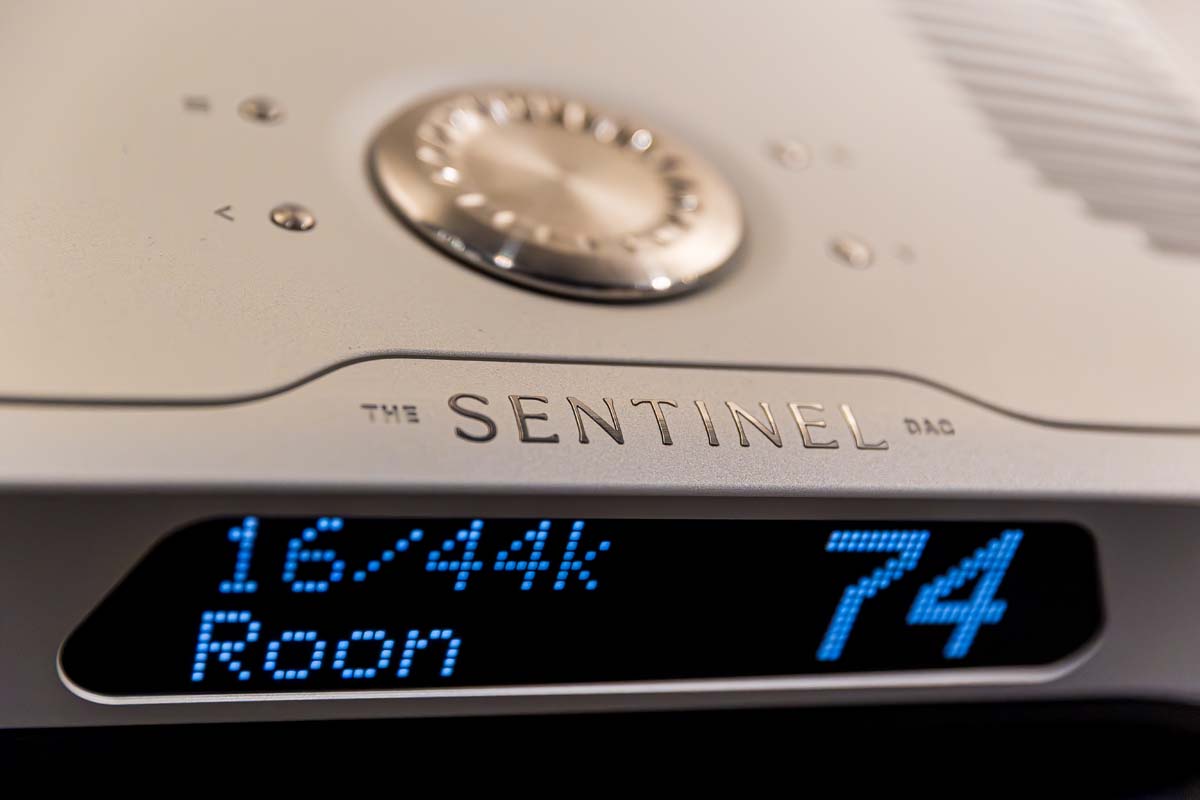
What does a setup like this sound like? In a word: breathtaking! Frank Vermeylen had put together a short listening program that, alongside the audiophile standards, included a touch of Billie Eilish and a tension-filled live version of Yello’s “The Race.” From the very first notes, the room around us seemed to disappear. It was as though there were no electronics at all; the music filled every inch of the space around me. Interestingly, although the Sentinel did have the edge over the Cascade, I would not, at that point, have described the difference as the kind of rout one might have expected. Frank Vermeylen explained that both DACs had been running the same software during the first round, then demonstrated the update process. With its proprietary operating system now installed, the Sentinel sounded noticeably more relaxed and better organized, creating an almost uncanny gulf between the two units – which is all the more impressive when you consider just how exceptional a DAC the Cascade already is. A third pass demonstrated just how precisely the new flagship dissects and illuminates music. Instead of streaming from the local server, which delivered data via Roon’s RAAT protocol, we switched to Qobuz, and the music immediately sounded duller and less colorful – a difference I had never heard so clearly before. Or, to put it another way: a total work of art of the Sentinel’s caliber naturally deserves to be fed the finest source material available …
MSB Technology
German Distributor HiFI2die4
AudioXperience