
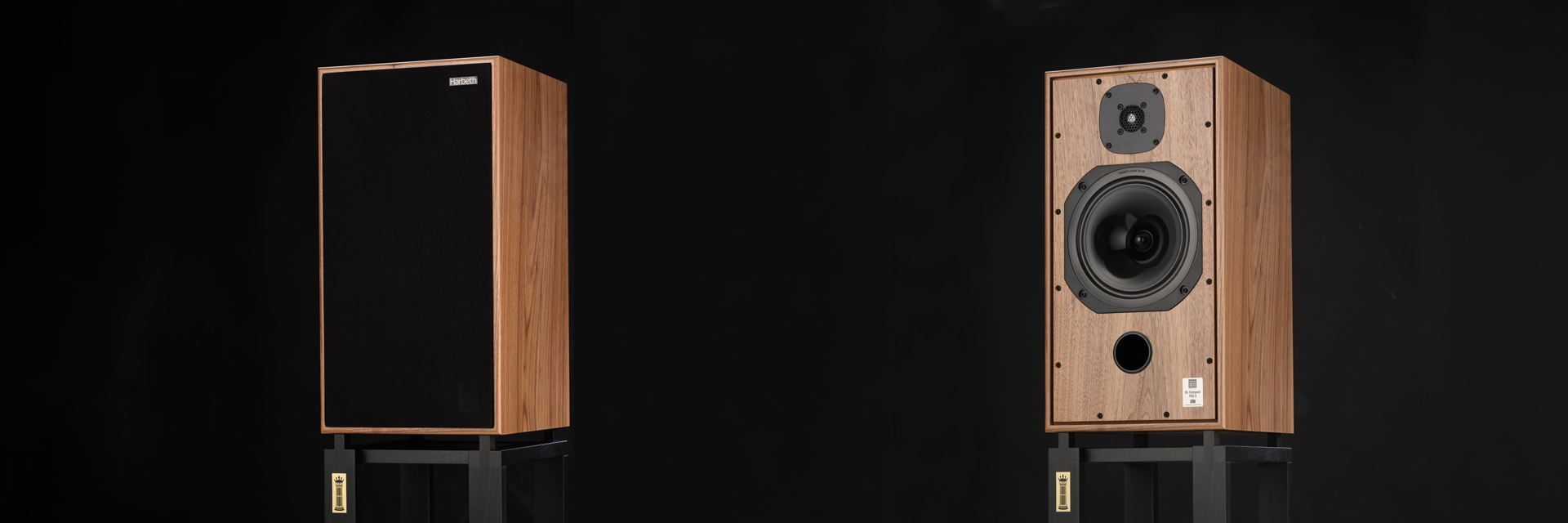
Harbeth speakers have been a familiar sight at hi-fi shows for decades. You might say they have accompanied me throughout my life; they have always been there. Angular in appearance and straightforward in sound, they have never left me in any doubt: this is exactly how they should look and sound – a true broadcast monitor.
What is it that makes Harbeth so fascinating? It’s the combination of its historic BBC heritage and a consistently evolving sonic philosophy aimed at achieving the highest possible degree of naturalness. Dudley Harwood was a longtime engineer and later head of the BBC’s research department. He developed studio monitors renowned for their neutral, natural sound, featuring polypropylene diaphragms. This material offers very desirable vibration characteristics, particularly in the midrange, which is especially critical for vocal reproduction. Compared with the Bextrene (polystyrene) diaphragms used previously, as in the famous LS3/5A, the new material offered better inherent damping and was easier to process. With this innovation, Harwood founded his own loudspeaker company in 1975, following his retirement from the BBC, and introduced his first HL Monitor MK1 in 1977, incorporating his patented diaphragm technology.
Harwood had identified the materials science behind midrange drivers as the key to natural sound reproduction and pursued this insight consistently. Other manufacturers’ loudspeaker designs often stand out for elaborately braced cabinets or exceptionally elaborate crossover networks with heavy-gauge wiring. At Harbeth, the woofer-midrange driver is quite literally the driving force behind innovation. Diaphragm materials inevitably impart their own sonic signatures, which must be carefully controlled. The goal is to strike an ideal balance between minimal mass, controlled resonances with little sonic coloration, and consistent, repeatable diaphragm characteristics in production. Drawing on this legacy and the technological possibilities of the modern era, Harbeth continues to research new loudspeaker materials and technologies to this day, 50 years after its founding and under Alan Shaw’s leadership since 1986. Harbeth is one of the few successful companies whose business model is built around the deliberate development of a functional material – a model comparable to those of 3M, Gore, and Tesa.
Made in the UK
This review focuses on the two-way loudspeaker with the somewhat complicated name C7ES-3 XD2. Its designation reflects the ongoing evolution of a product line that dates back to 1988 and has been available in its current iteration since 2025. In 1990, Harbeth received a British research grant to systematically investigate new diaphragm materials. That project led to the company’s proprietary RADIAL formulation, an acronym for “Research and Development in Advanced Loudspeakers.” XD2 is the latest development of the previous XD series (“Extended Definition”). At the heart of the XD2 range is the new generation of RADIAL4 drivers. Harbeth did not simply select an existing plastic from a catalog. After a worldwide search for suitable materials, the company concluded that nothing commercially available met all its sonic requirements. Alan Shaw’s team therefore developed its own polymer blend, or metal-polymer hybrid material. Because no single material could deliver all the desired sonic properties optimally across the entire frequency range, the team devised a two-component blend that had to be manufactured by injection molding rather than the simpler vacuum-forming process. Now in its fourth round of refinement, the material consists of a glass-polymer blend, with hollow glass microspheres embedded in the polymer matrix.
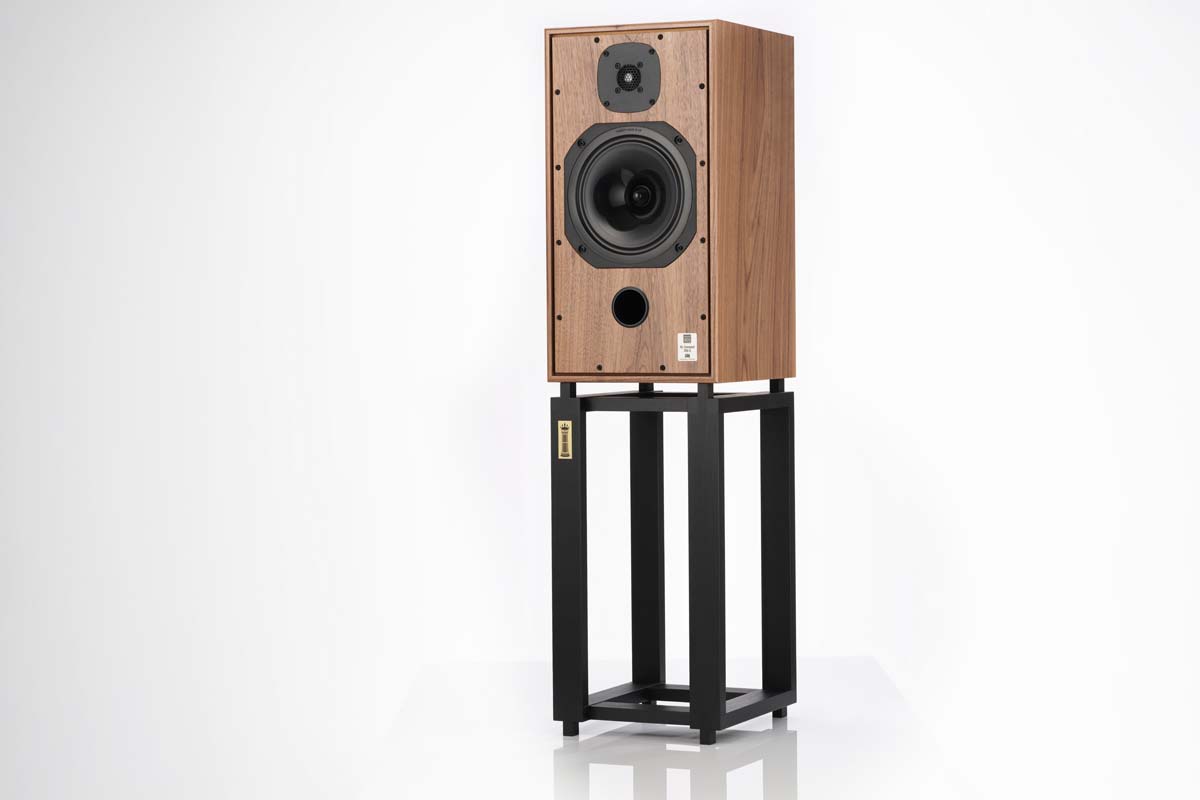
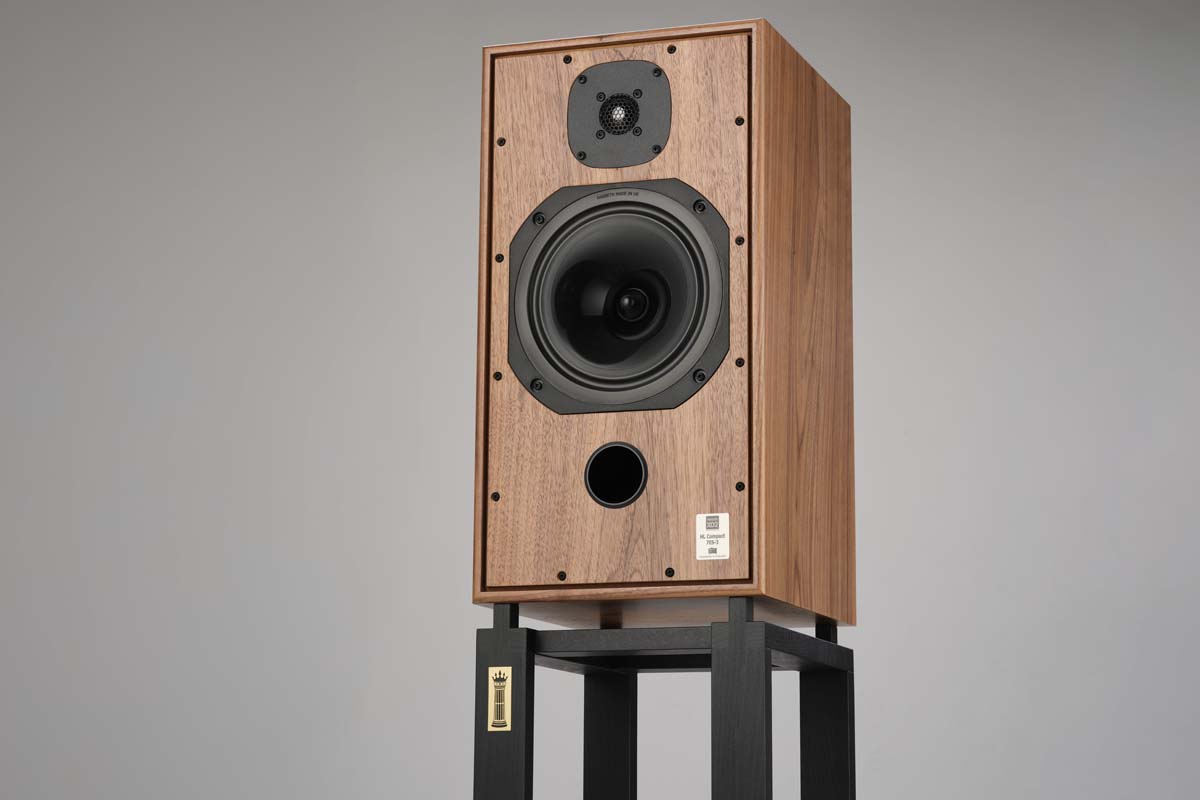
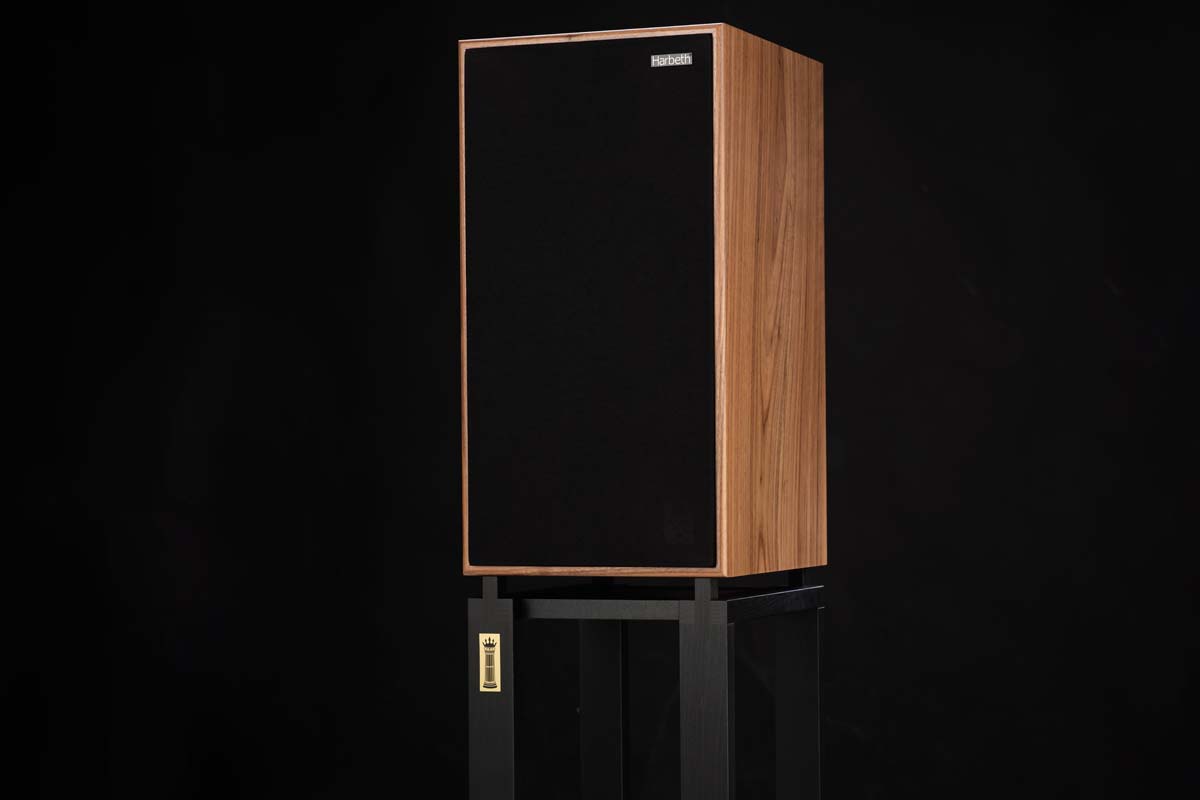
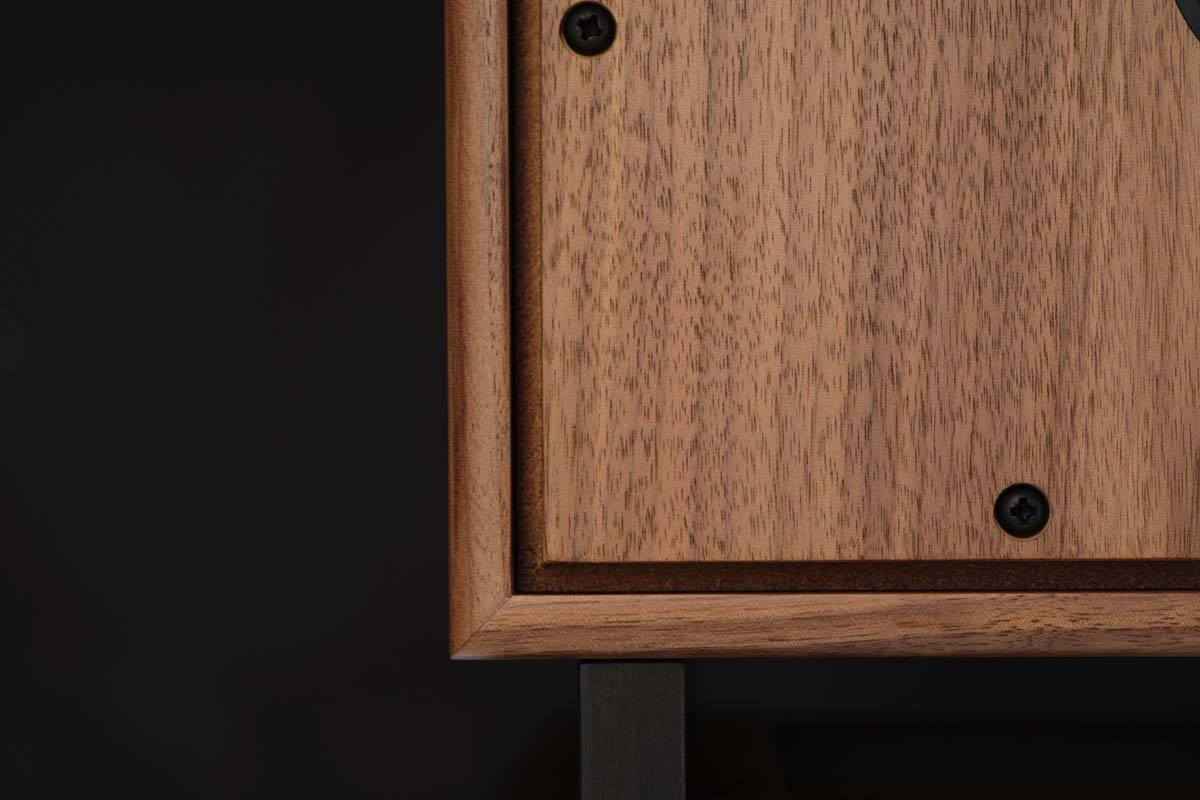
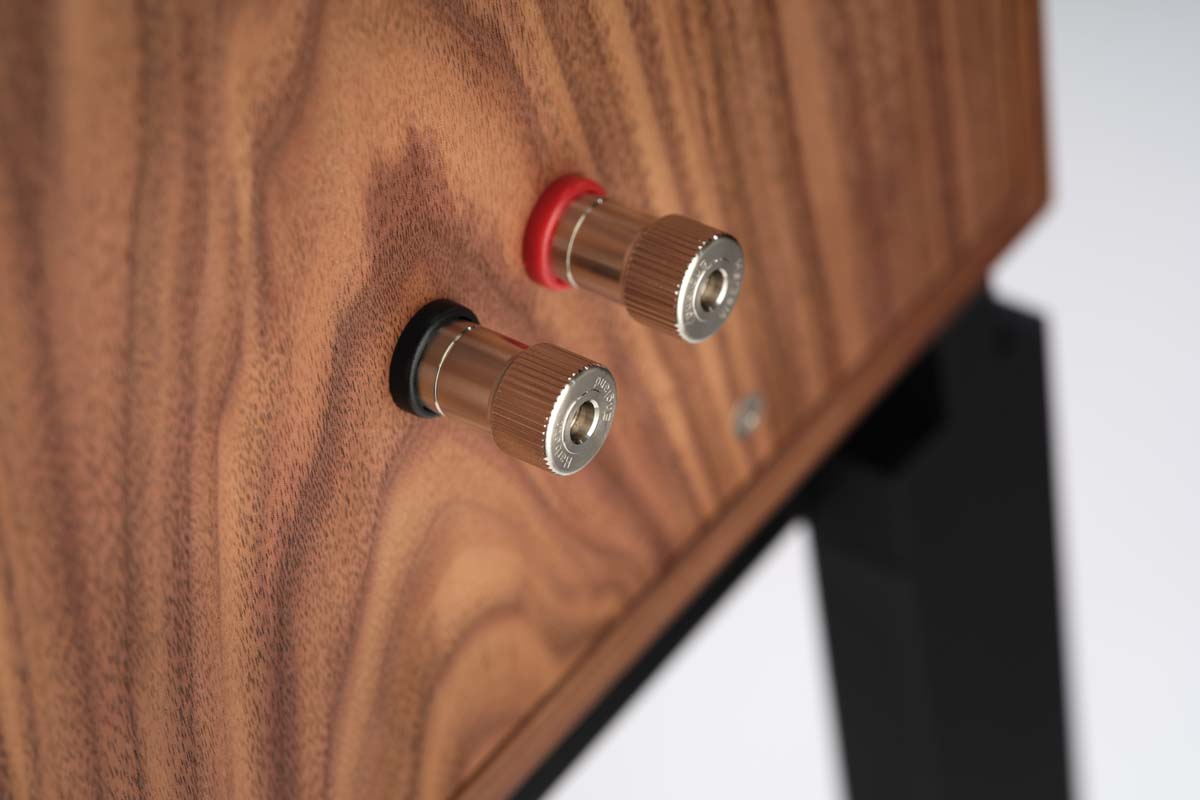
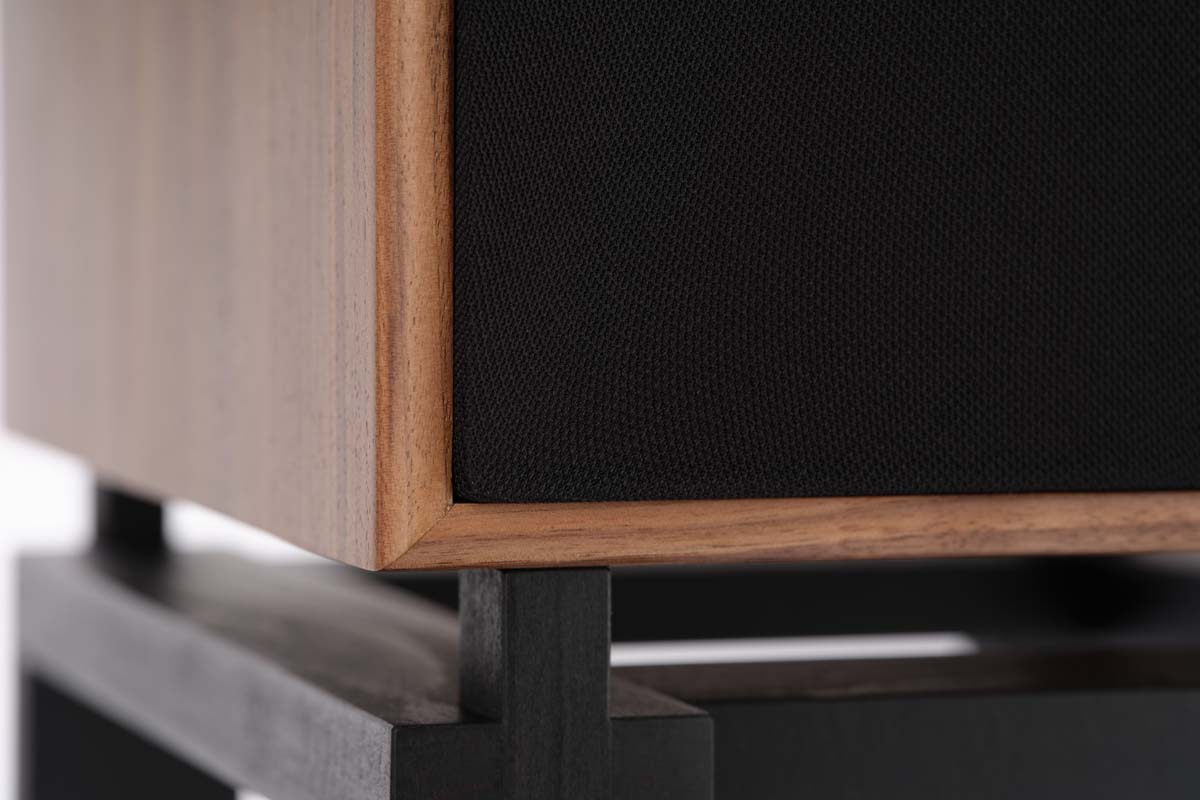
The engineering does not stop there. The diaphragm’s thickness is varied across its cross section during the injection-molding process. Toward the outer edge, where the diaphragm meets the compliant surround, the wall thickness is reduced. The cone section, which handles higher frequencies, is thicker and therefore stiffer. The added rigidity provided by the glass microspheres has made it possible to reduce the diaphragm’s overall thickness and, consequently, its moving mass, further reducing sonic coloration. The improved resolution of the RADIAL4 drivers also necessitated a new crossover design. Harbeth’s stated goals are more harmonious integration between the drivers, even more natural vocal reproduction, and more precise spatial imaging. Injection molding is more complex and expensive than thermoforming, but Harbeth’s competitive advantage lies not in low labor or manufacturing costs, but in its materials expertise, quality control, and distinctive brand identity. According to the company, every driver, crossover, and finished loudspeaker is inspected and tested. Components are also matched in pairs, and extensive traceability data are documented. The manufacturer explicitly describes loudspeaker building as a blend of “art and science.” The same philosophy informs cabinet design: the goal is not maximum rigidity through thick walls and extensive bracing, but rather an optimal balance of stiffness, mass, and damping. The cabinet is allowed to resonate in a controlled manner, much like a musical instrument. The screws on a Harbeth are not merely fasteners; they form part of the overall mechanical system and reflect the BBC monitor tradition. In keeping with this philosophy, the grille is also part of the speaker’s voicing and need not be removed for listening. The speakers are assembled in relatively small quantities in Lindfield, West Sussex, where many production steps are still performed by hand.
Aurora
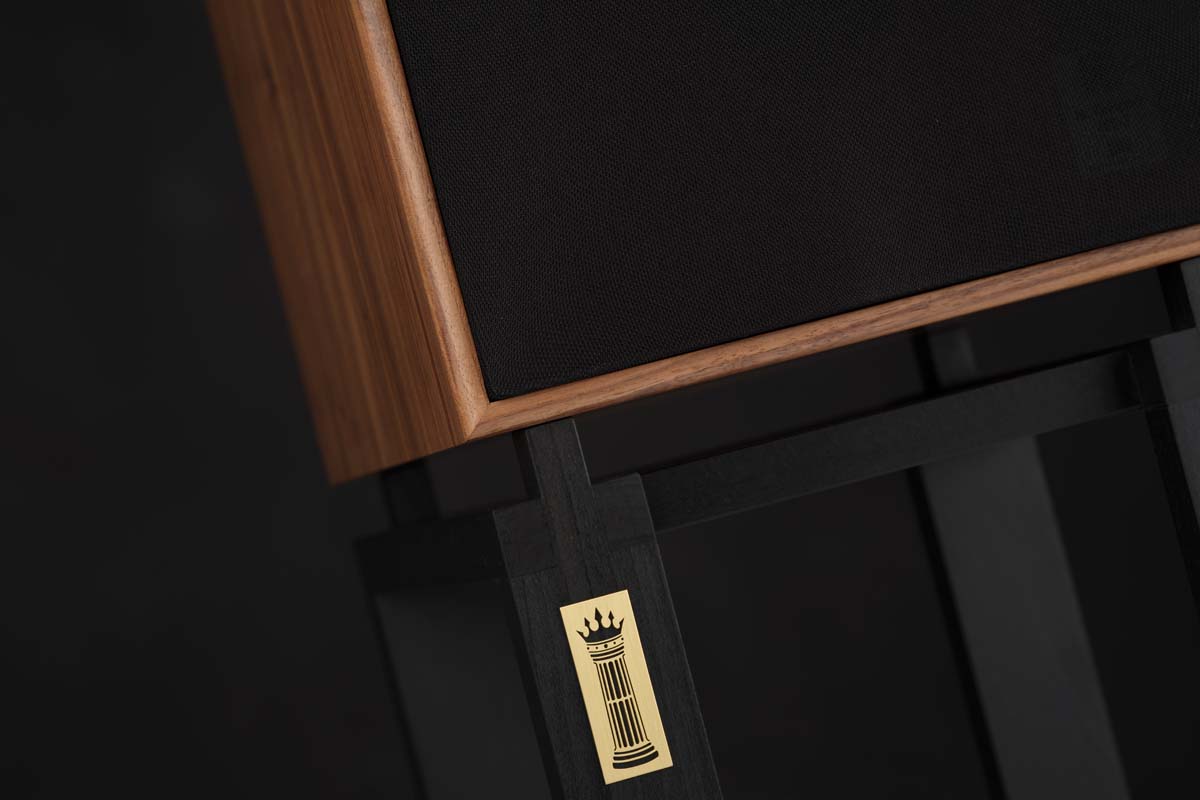
The 8-inch woofer-midrange driver is unquestionably the star of the sonic stage, extending down to 45Hz, while the ferrofluid-cooled 1-inch dome tweeter is “merely” the supporting actor, handling frequencies above 3kHz. The crossover is tuned to make the transition between the drivers as coherent as possible, with the dome taking a relatively understated role in service of a harmonious overall balance. Vocals remain front and center, sounding exceptionally natural thanks to the gentle transitions between frequency ranges. Sonically, many Harbeth enthusiasts regard the C7ES-3 XD2 as the sweet spot of the range: large enough to deliver full-bodied bass, yet compact enough for ordinary living rooms. At 10.6 × 20.5 × 12.2 inches (W/H/D), it is relatively substantial for a two-way design, providing favorable conditions for deeper bass, reduced strain on the driver, and a relaxed presentation. A front-firing bass-reflex port further reinforces the low frequencies and theoretically allows placement close to a wall or even on a bookshelf. BBC research traditionally placed great emphasis on speech intelligibility and midrange neutrality. A sufficiently large cabinet volume helps achieve both by allowing the woofer-midrange driver to operate with less strain. The supplied stands position the tweeter at ear level, benefiting spatial presentation and transparency. The slightly restrained treble response is also an asset, making extended listening sessions less fatiguing.
The first record I play through the Harbeths is My World Is the Sun by Dominique Fils-Aimé, now regarded as one of Canada’s most important voices in contemporary vocal jazz. Fils-Aimé creates a distinctive blend of jazz, soul, blues, and R&B, often using minimalist arrangements that place her voice firmly in the foreground. For the Harbeth, this proves to be a perfect match. The artist has an extraordinarily expressive voice and draws on acoustic instruments including piano, double bass, guitar, and various percussion instruments. These instruments, in particular, thrive on a strong midrange. Excellent recording quality and a wealth of fine dynamic detail come together on this album, and on “The River” especially, the Harbeth C7 excels at vocal reproduction, spatial imaging, and natural midrange portrayal. Rather than dense rock arrangements, the music offers plenty of air between the instruments. This makes it easy to appreciate just how naturally and effortlessly the large RADIAL4 diaphragm and BBC-inspired cabinet design handle voices and acoustic instruments.
For another musical example, I cue up the new Yes LP on my Avid turntable. A Van den Hul stylus extracts the finest details from the grooves, and my Audia Flight FL Three S integrated amplifier proves an excellent partner for the Harbeths. With a sensitivity of 86dB and a nominal impedance of 6 ohms, the speakers call for an amplifier capable of delivering around 25 watts per channel. The Audia Flight is known for its high current capability, excellent bass control, and dynamic presentation, combined with a smooth treble response. It complements the C7’s strengths particularly well: natural midrange reproduction, vocal presence, and a spacious soundstage, all within a slightly warm-neutral tonal balance. Aurora is now Yes’s 24th studio album. Once again produced by Steve Howe, it features orchestral arrangements performed by the Czech National Symphony Orchestra. The combination of Jon Davison’s voice, Steve Howe’s acoustic guitars, and the orchestral arrangements once again plays to the Harbeth C7’s strengths: vocals, tonal color, and spatial presentation. Immersed in this beautifully differentiated sonic universe, I soon forget to jot down any more listening notes. Instead, I lean back and simply savor the rich palette of Aurora.
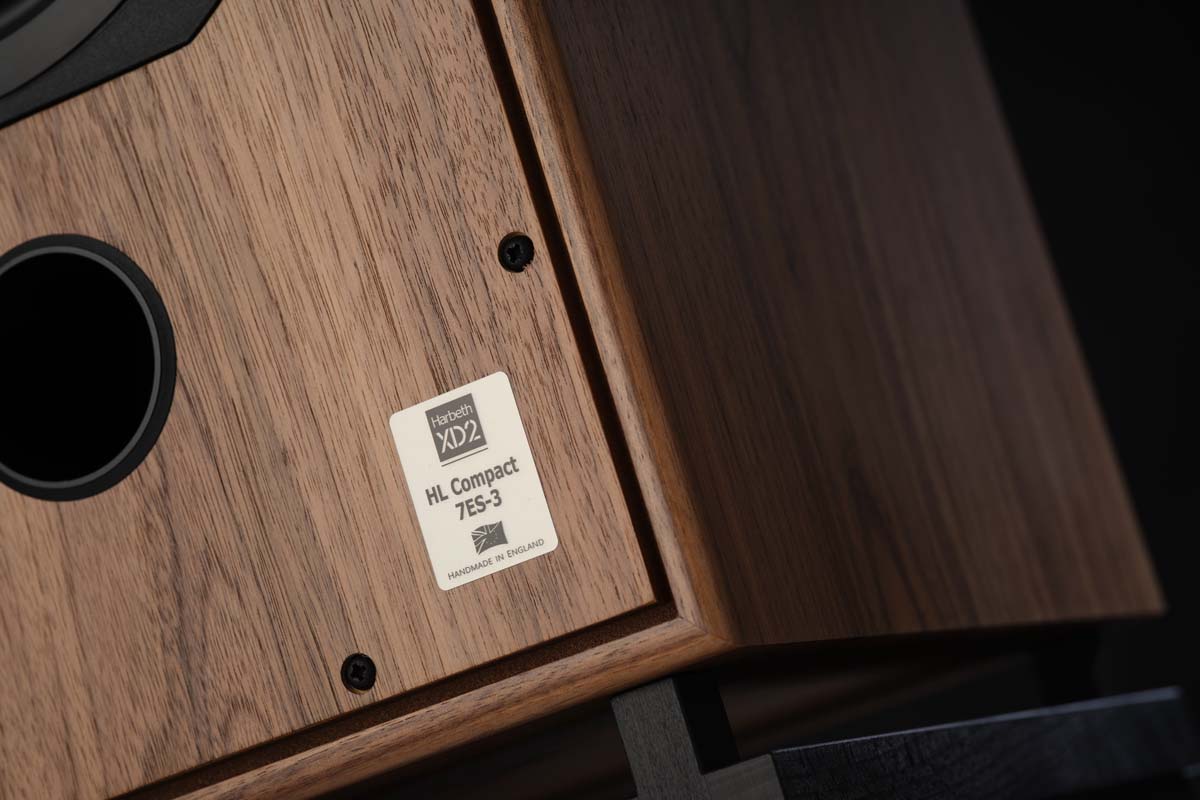
Standmount Loudspeaker Harbeth Audio C7ES-3 XD2
Concept: Two-way standmount loudspeaker (effectively a floorstander-sized monitor on a stand), vented enclosure, proprietary diaphragm formulation | Drivers: 8-inch Harbeth-made RADIAL4 midwoofer, 1-inch ferrofluid-cooled dome tweeter | Crossover frequency: Approximately 3kHz | Frequency response (±3dB): 45Hz–20kHz | Impedance: 6 ohms | Sensitivity (2.83V/1m): 86dB | Recommended amplifier power: 25–150W | Features: Optimized for placement away from walls, stands optional, single-wiring terminals | Finishes: Black Ash (satin), Cherry, Walnut, Oak, Rosewood | Dimensions (W/H/D): 27 × 52 × 31 cm (without stands) | Weight: 13 kg | Warranty: 2 years | Price per pair: Approximately €4,600
Drei H
Kedenburgstraße 44 / Haus D
22041 Hamburg, Germany
Phone: +49 40 37507515
info@3-h.de