
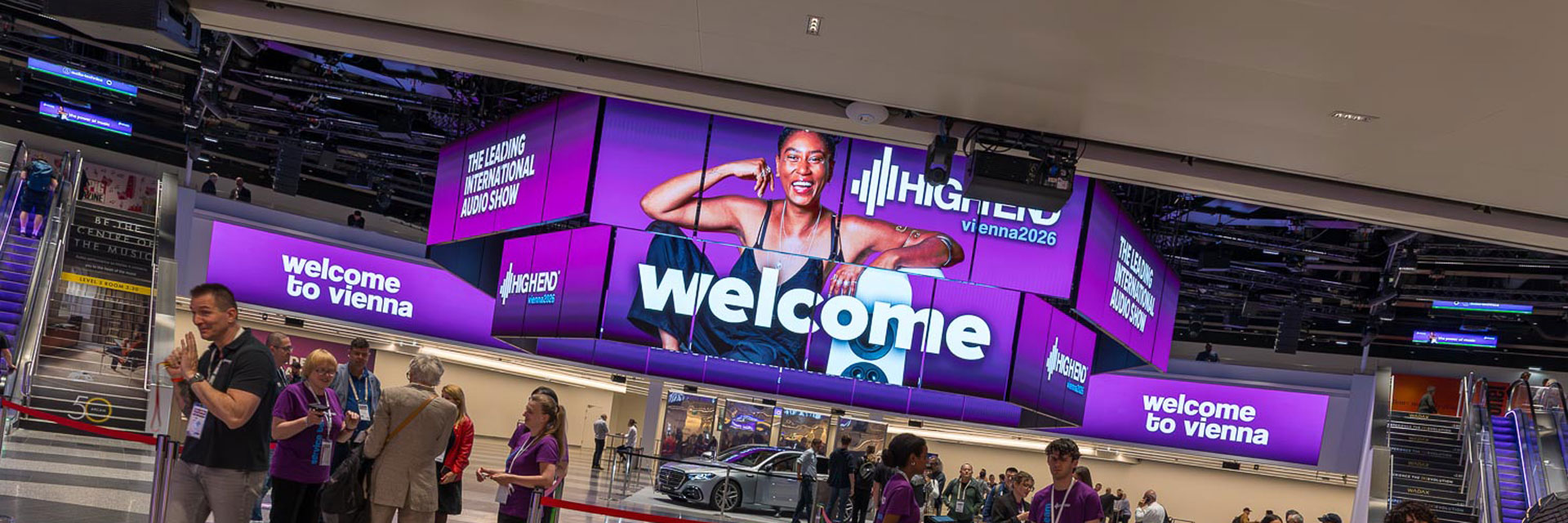
Let’s keep it brief: the first HIGH END in Vienna was a resounding success. There are still a few teething problems to iron out, but overall the show left us eager for more!
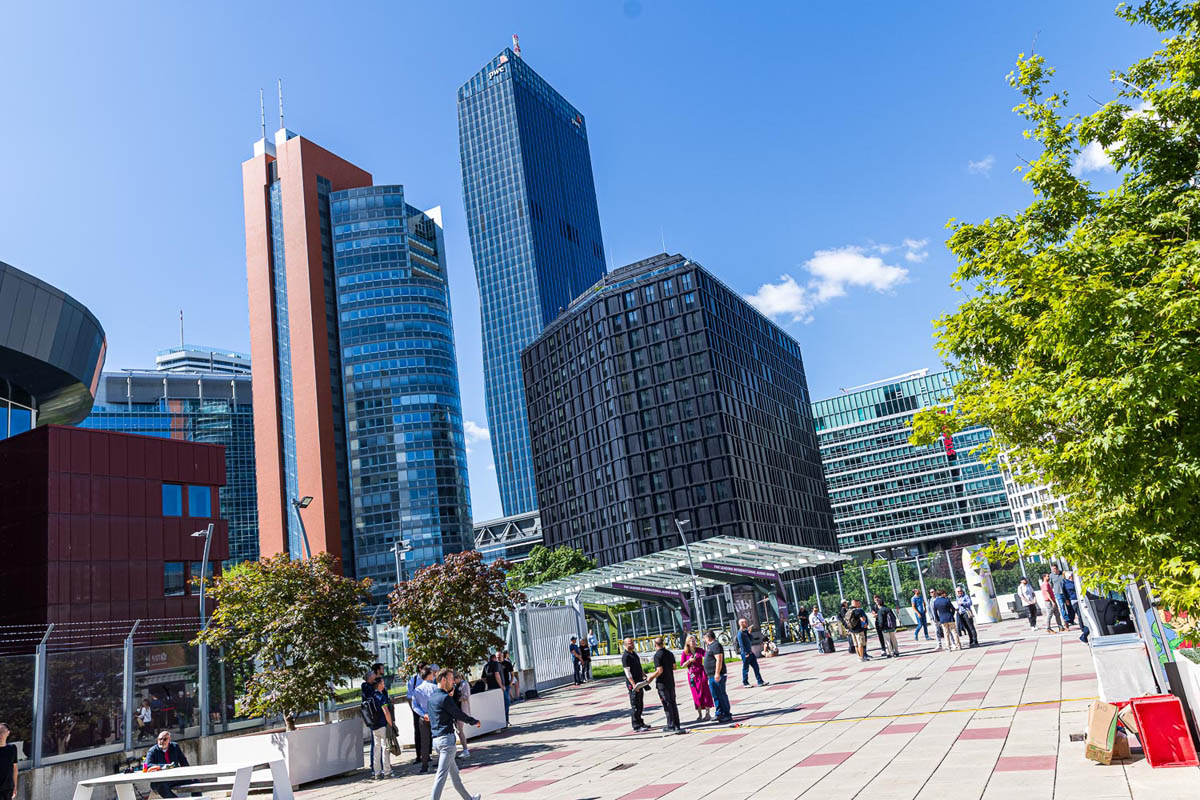
From our perspective, HIGH END had been a home match in the truest sense for the past 22 years. As Munich locals, we’d grab a quick espresso at home before making a short dash to the M.O.C.—where there was still plenty of time for another coffee. The show belonged to the Bavarian capital as much as the Frauenkirche, pretzels, and the rush hour traffic jam on the Mittlerer Ring. Then—shock and horror—two years ago we first heard rumors about the upcoming move to the Austria Center Vienna (ACV) in the Austrian capital. You can imagine that when we traveled to Vienna in early June, we were hell-bent on disliking everything about the new location…
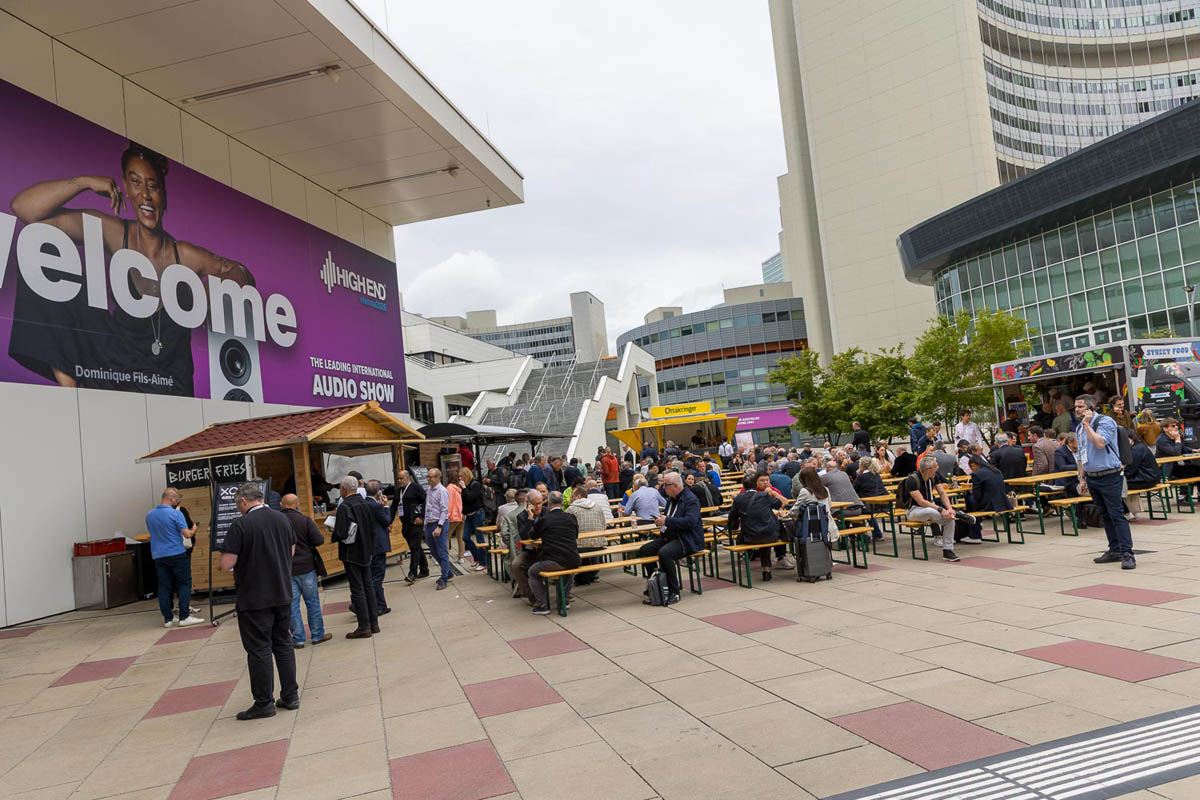
The ACV, however, completely stole our thunder right from the start. The triangular event center sits on the edge of the bustling Donau City (DC). It is framed by the sweeping complex of UN buildings (including the headquarters of the International Atomic Energy Agency), Austria’s two tallest towers (the telecommunications tower and DC Tower), and major corporate headquarters such as that of the STRABAG Group. The infrastructure is equally impressive. Several highway exits lead directly into the numerous parking garages of Donau City, while a subway hub, bus terminal, and taxi stand provide excellent connections to downtown Vienna.
Interlude A: The Austria Center Vienna
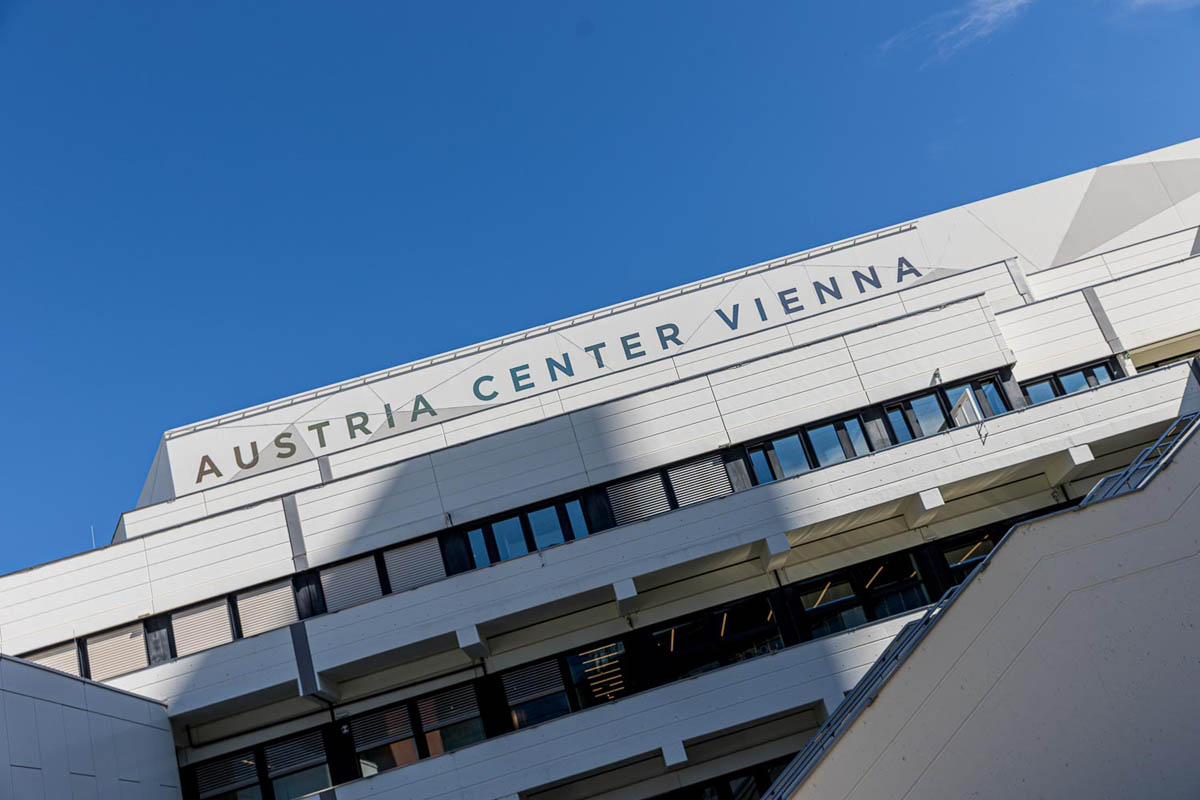
Complicated and delayed construction projects are not unique to Germany. Austria spent many years debating the construction of an international congress and event center. Plans dating back to the 1970s were approved by long-serving Chancellor Bruno Kreisky (SPÖ), but after his resignation in 1983, the newly governing ÖVP attempted to derail the project—only for it to be built anyway following a public referendum. The ACV officially opened in 1987 with a massive TV gala, naturally hosted by Peter Alexander. Since then, the building, with a capacity of up to 23,000 visitors, has hosted countless trade shows, conferences, and concerts.
The reason this 40-year-old complex still feels fresh, modern, and internationally minded today is a major modernization effort in the 1990s. At that time, the UN district was transformed into Donau City, and the “Donauplatte” was added—a large paved platform that created numerous connections and, above all, parking facilities. Beginning in 2022, the ACV itself underwent renovations, including the installation of massive display screens and the expansion of exhibition halls.
An Unmistakable Route to HIGH END Vienna
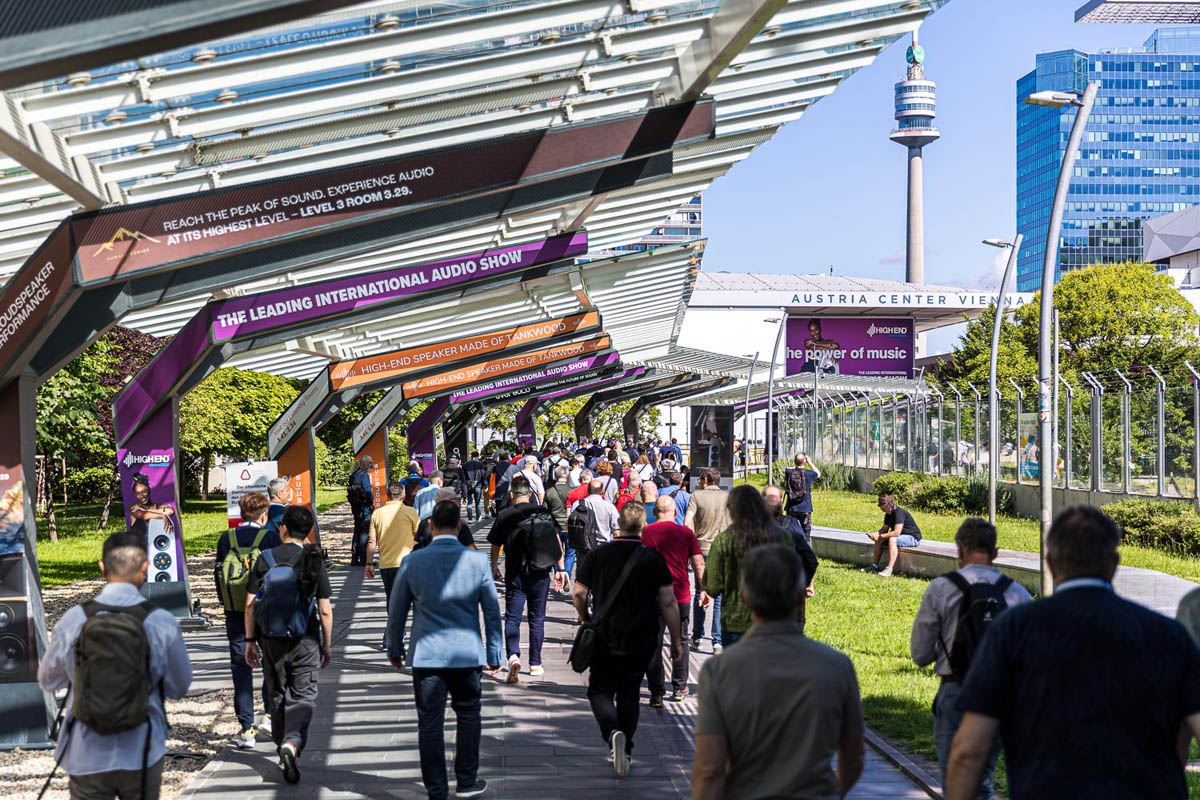
As the new “mascot” of HIGH END Vienna, we identified the covered Aristides de Sousa Mendes Promenade, which allows visitors to walk from the subway station to the doors of the ACV without getting wet. Beautifully designed by its architect and lavishly decorated by the HIGH END Society with signage for the show, the walkway proved to be a magnet for smartphone photographers.
Of course, not everything goes perfectly the first time. Like many visitors, we spent much of the first day simply trying to find our way around. The ACV’s triangular floor plan does not make it easy for newcomers to judge where they are. As an added challenge, small side corridors branch off from the main hallways and are easy to miss. Even on the third day of the show, I discovered new exhibitors on floors I had already explored multiple times.
This is hardly a problem that exhibitors and the HIGH END Society cannot solve. During the show, as we repeatedly learned in conversations, people were already discussing ways to improve visibility and orientation for next year.
Please Don’t Get Lost
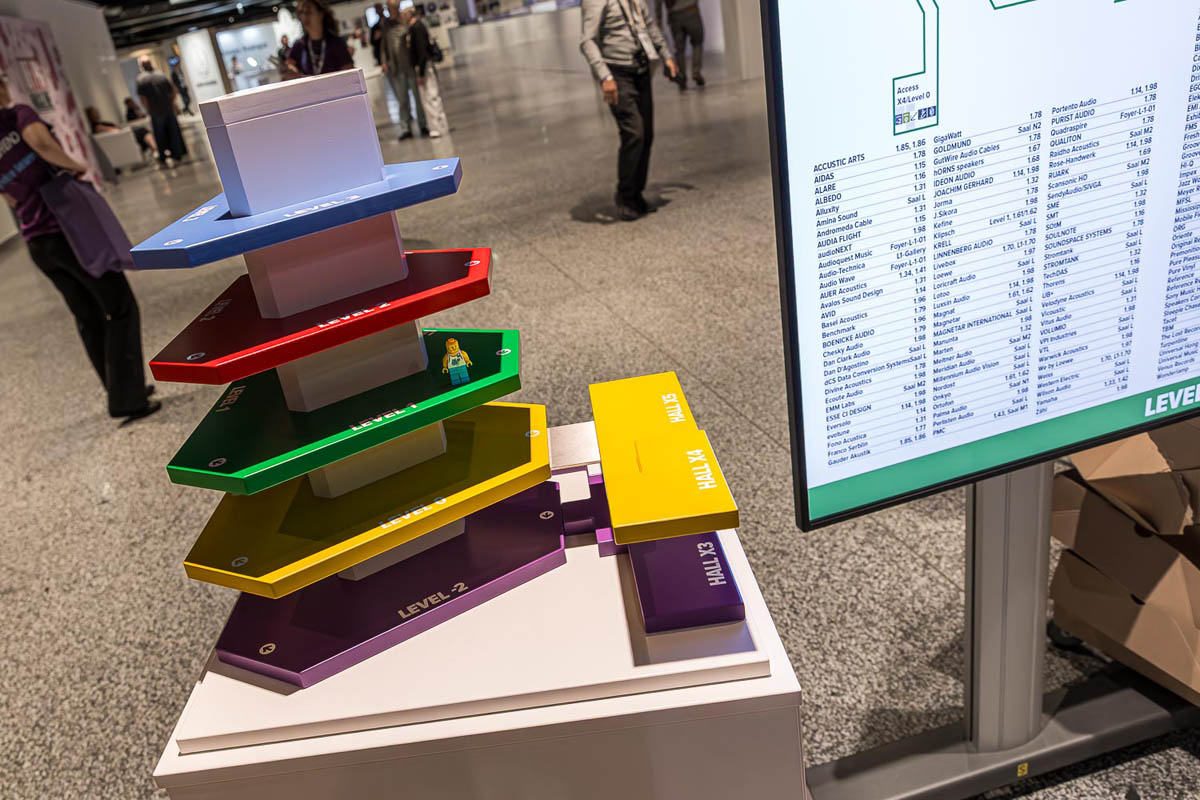
The organizers were, of course, aware of this challenge before the show even began. Dozens of information stands were placed throughout the spacious hallways on the four ACV levels occupied by the exhibition. Models of the building floors (complete with small LEGO figures marking “You Are Here”) provided at least basic orientation. The knowledgeable information staff proactively approached visitors. I was asked several times what I was looking for and whether I needed assistance—a huge compliment to the service team.
Aside from the natural navigation challenges, which became noticeably less problematic as the event progressed, I could not find any significant flaws. The ACV welcomes guests with a massive central area where large screens provide information about the exhibition, upcoming events, and much more. The wide corridors sometimes evoke the atmosphere of an airport and repeatedly open into large piazzas that felt somewhat underused this year. For future shows, however, we could easily imagine restaurants, cafés, or even record fairs filling these spaces. Anyone longing for the cozy atmosphere of a hotel-based audio show could head up to the third floor. In addition to a wonderful rooftop terrace, there are several corridors lined with dozens of exhibitors in relatively small rooms.
Everything Fresh and New at HIGH END Vienna
Besides the impressive venue itself, another factor made HIGH END Vienna feel fresh and exciting. In fact, I had never realized how routine the show in the M.O.C. had become. The same room assignments were paired with the same furniture and room layouts year after year. After all, why would exhibitors change a working formula? For us, the growing uniformity even made it easier to focus on the season’s new products.
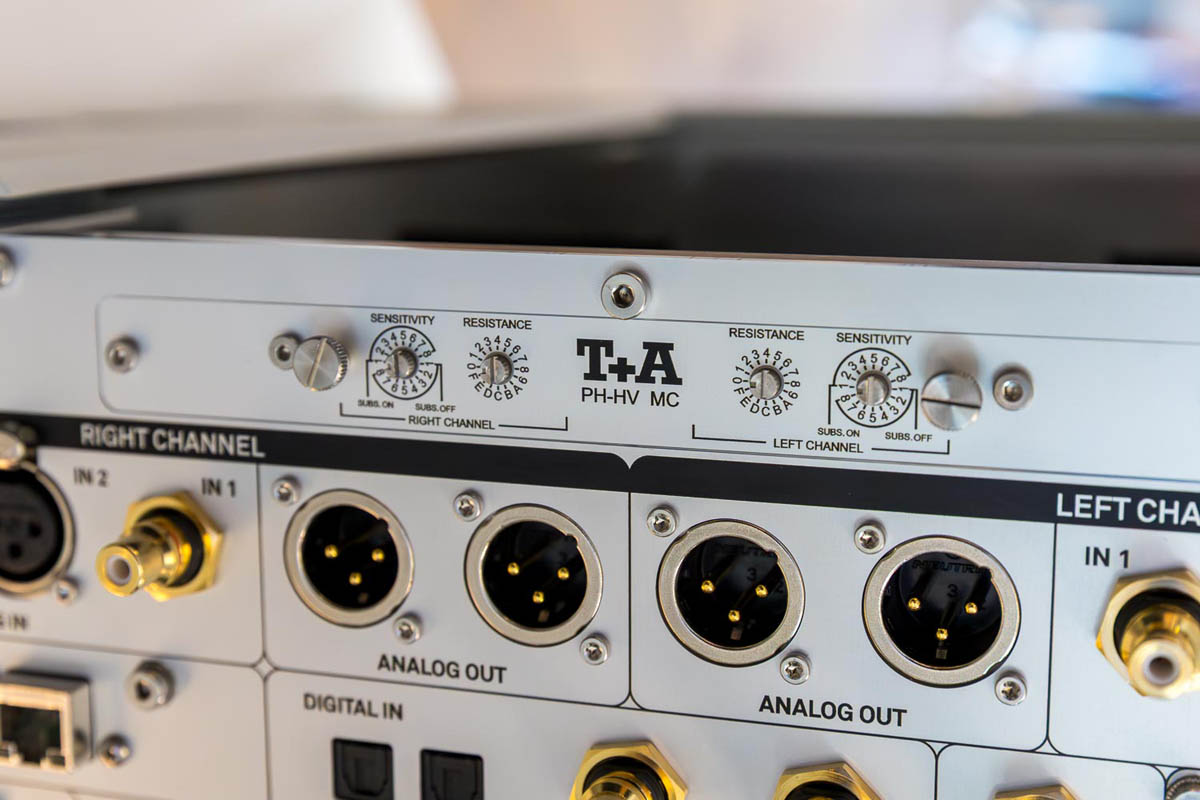
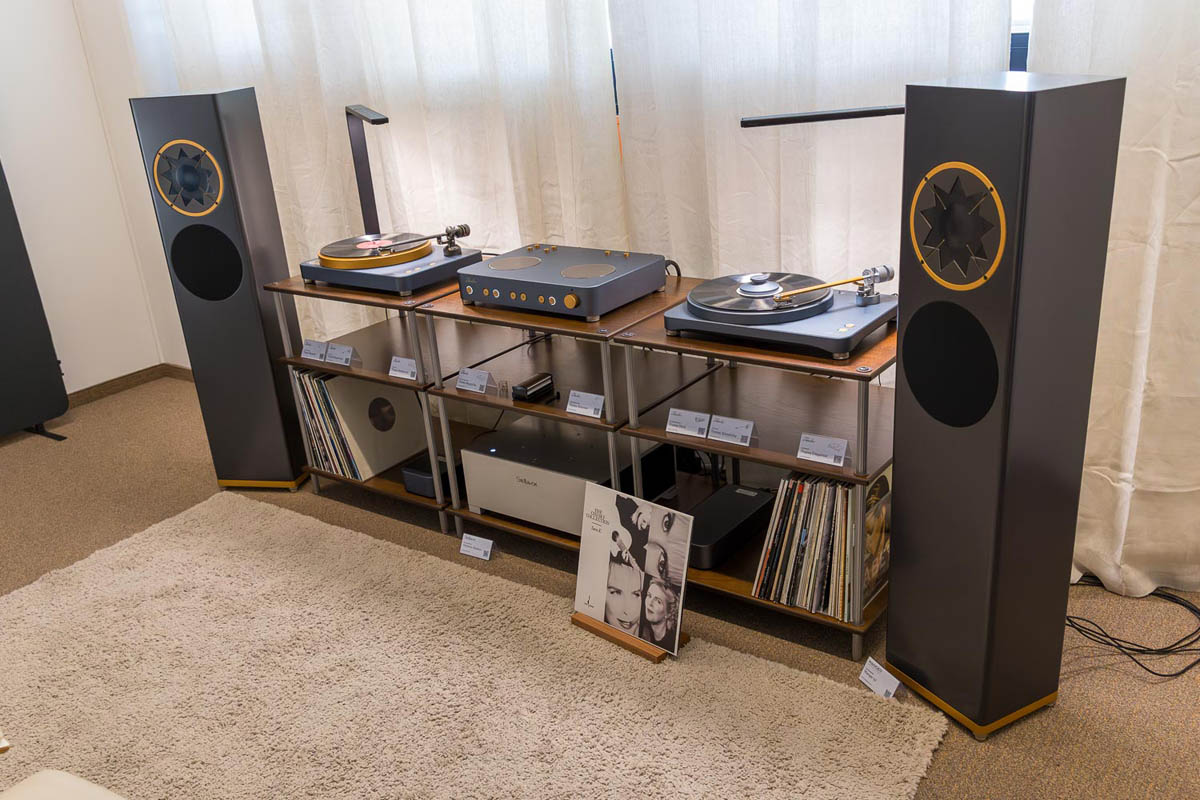
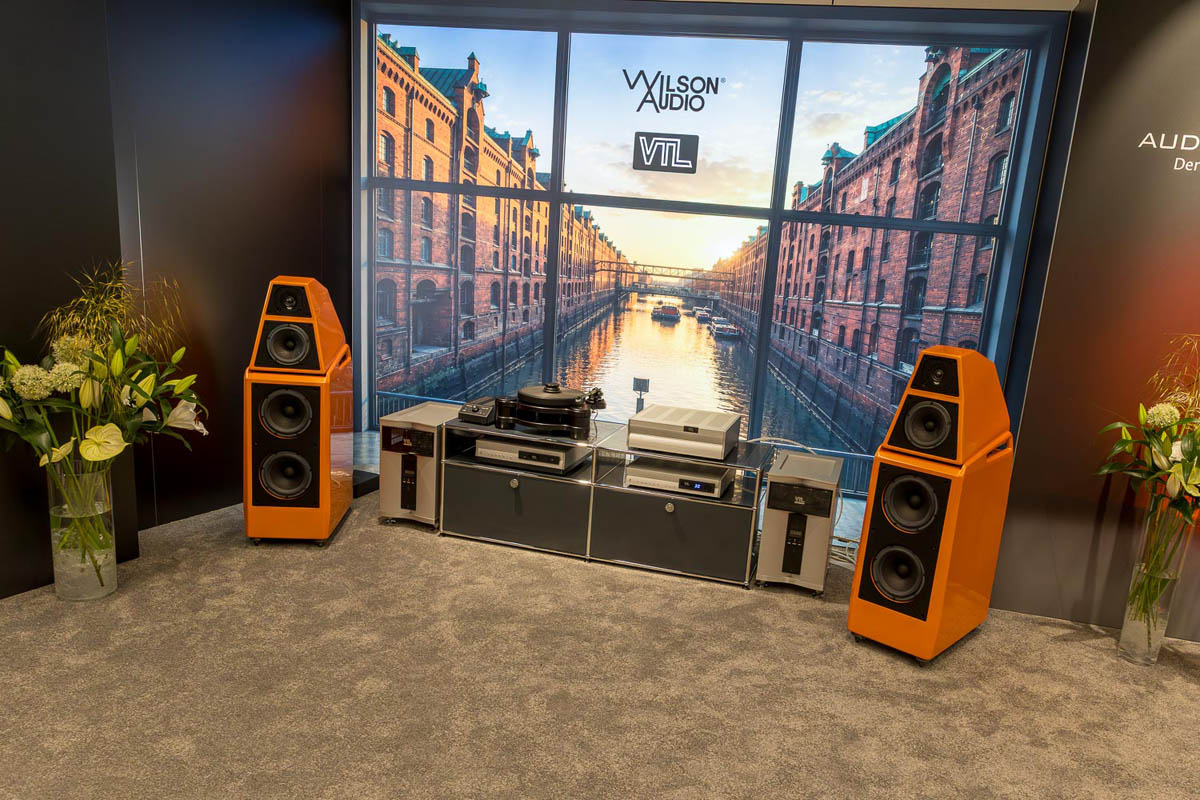
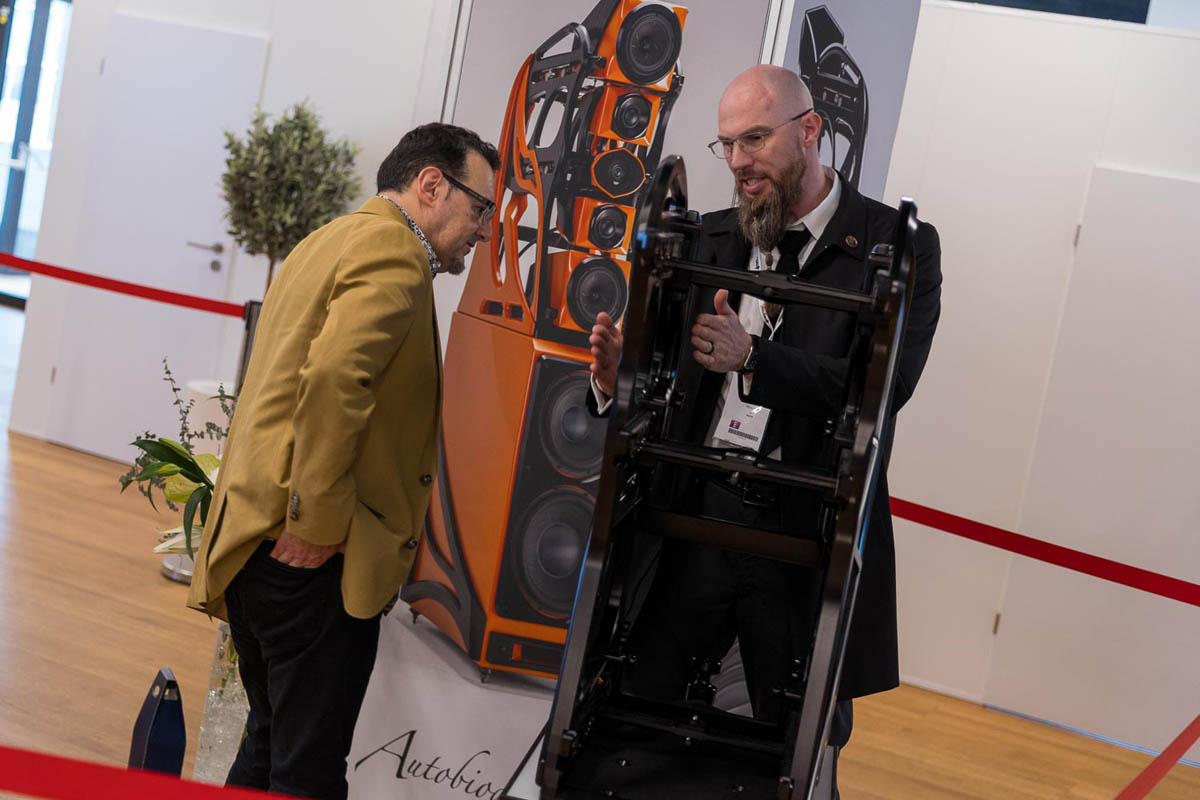
For the 2026 HIGH END in Vienna, virtually every exhibitor had to rethink their presentation. T+A executives Conradin and Siegfried Amft, for example, told me that after all these years they wanted to move away from their traditional two-room setup and instead opted for a dedicated listening room combined with a large open exhibition area. Tobias Tritschler of in-akustik showed me a new display concept based on illuminated cubes. They looked fantastic and can be arranged in countless different configurations. Hamburg-based distributor Audio Reference completed a presentation concept that had already begun in Munich, giving each brand its own distinct showroom atmosphere. Across 1,800 square meters, clearly separated zones featured strikingly colorful presentations, alongside a central area dedicated entirely to Wilson Audio’s enormous Autobiography loudspeaker.
Interlude B: Vienna as a Stage
What’s the big deal about Vienna? Surely you’re not seriously asking that.
After several millennia of scattered settlement by backwoods tribes and, much later, Hallstatt Celts, the Romans discovered the appeal of the area in the first century. They founded Vindobona and established a road network that is still clearly recognizable in today’s city layout. After the decline of Roman rule, Huns, Mongols, and Turks successively knocked on the city’s gates, only to be turned away with essentially the same excuses each time. During the height of absolutism in the 18th century, the Habsburg power center began seriously competing with Paris for the role of Europe’s cultural capital—and did a remarkably good job of it.
Some Parisians may disagree, but Vienna continues to enjoy worldwide significance, particularly in the fields of art and music. The city reached its cultural peak around 1900 during the Vienna Secession and the broader movement of Viennese Modernism, which produced figures such as Mahler, Schönberg, and Freud. In short, because hi-fi is so closely intertwined with music and culture, it is difficult to imagine a better location for the exhibition.
A Touch of IFA Flair
The rooms on the “IFA-esque” lower level stole the show for me. Worth mentioning is the stylish green-lit listening room by Fink Team and Fink Audio Consulting, which caused every camera’s auto mode to go into meltdown. There, visitors could admire the beautiful Spot floorstanding speaker—Star Trek fans may remember Spot as Data’s cat. Also on display was a new affordable Sonoro turntable developed by Karl-Heinz Fink.
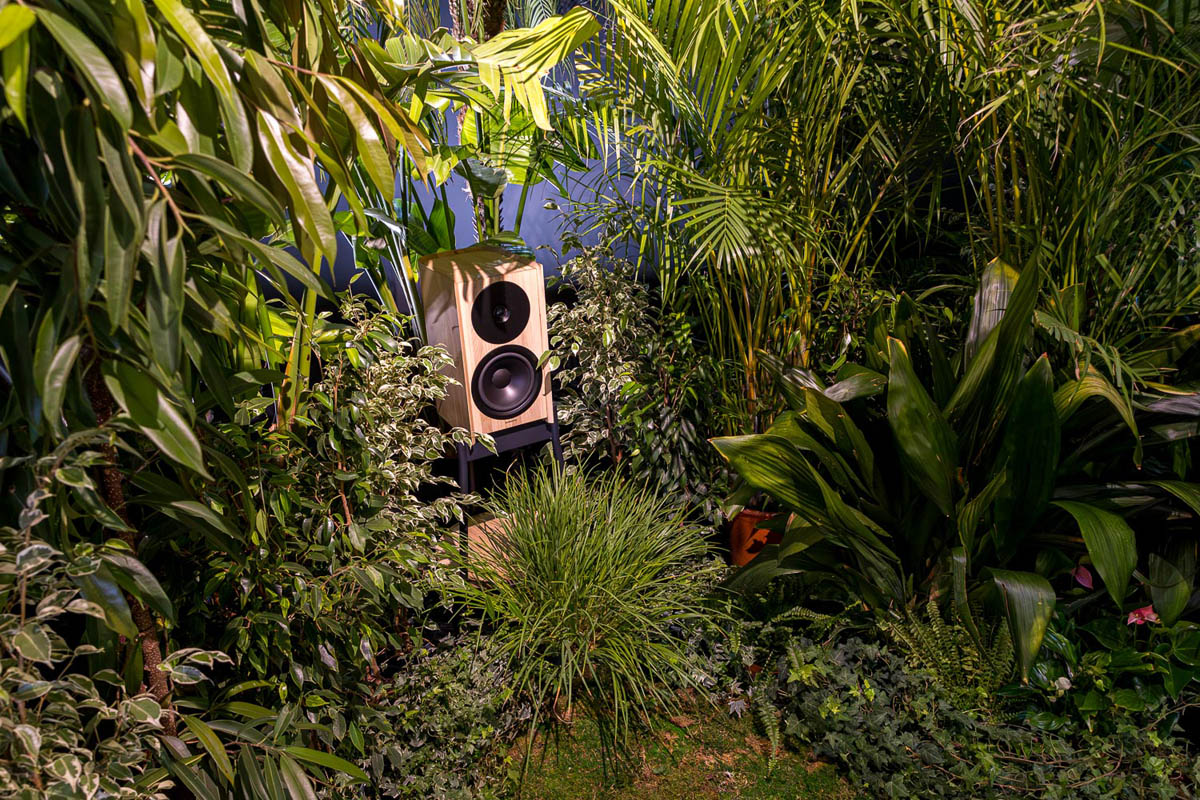
In the subdivided concert hall on this level (the ACV has several of them), exhibitors such as Pro-Ject and its sub-brands, including Musical Fidelity and Guru, presented their products alongside massive systems from companies like ESD and Silbatone. If I could have taken one thing home, it would have been the entrance area of Dynaudio’s exhibit. The Danes brought an actual jungle to Vienna—seriously. Hidden speakers created a matching soundscape. Absolutely brilliant.
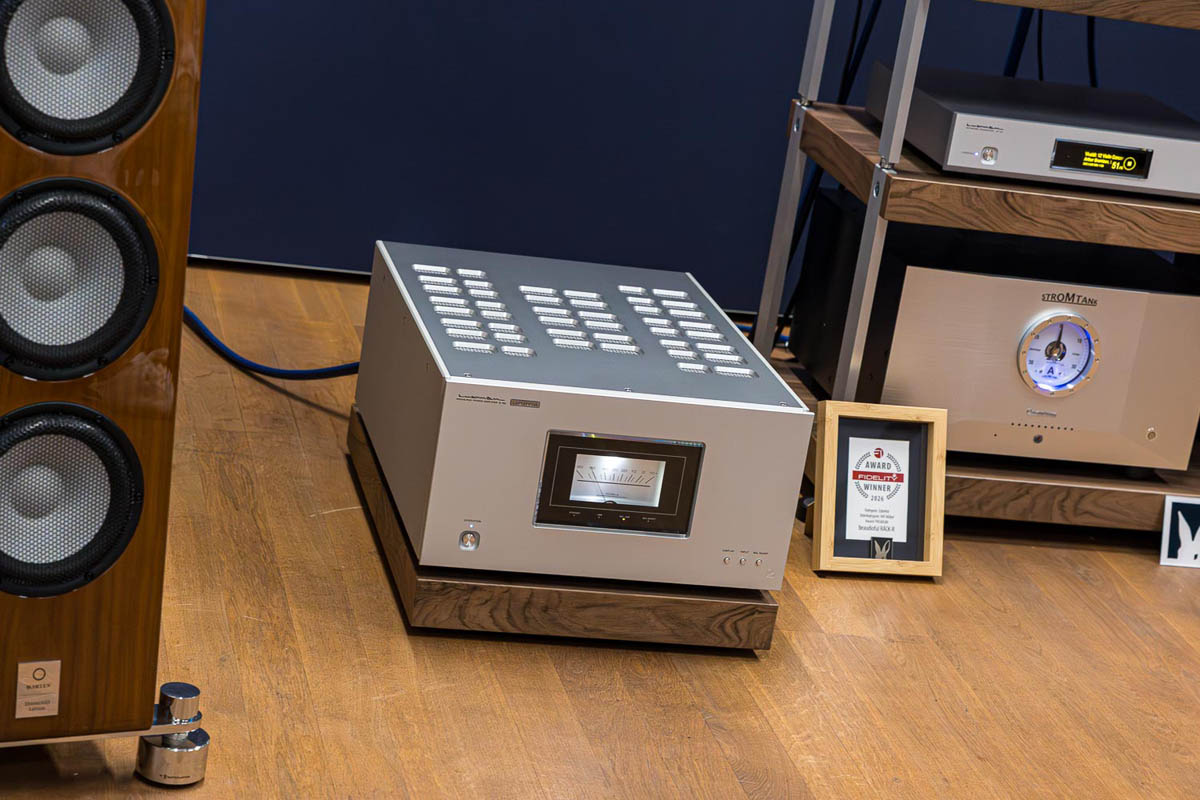
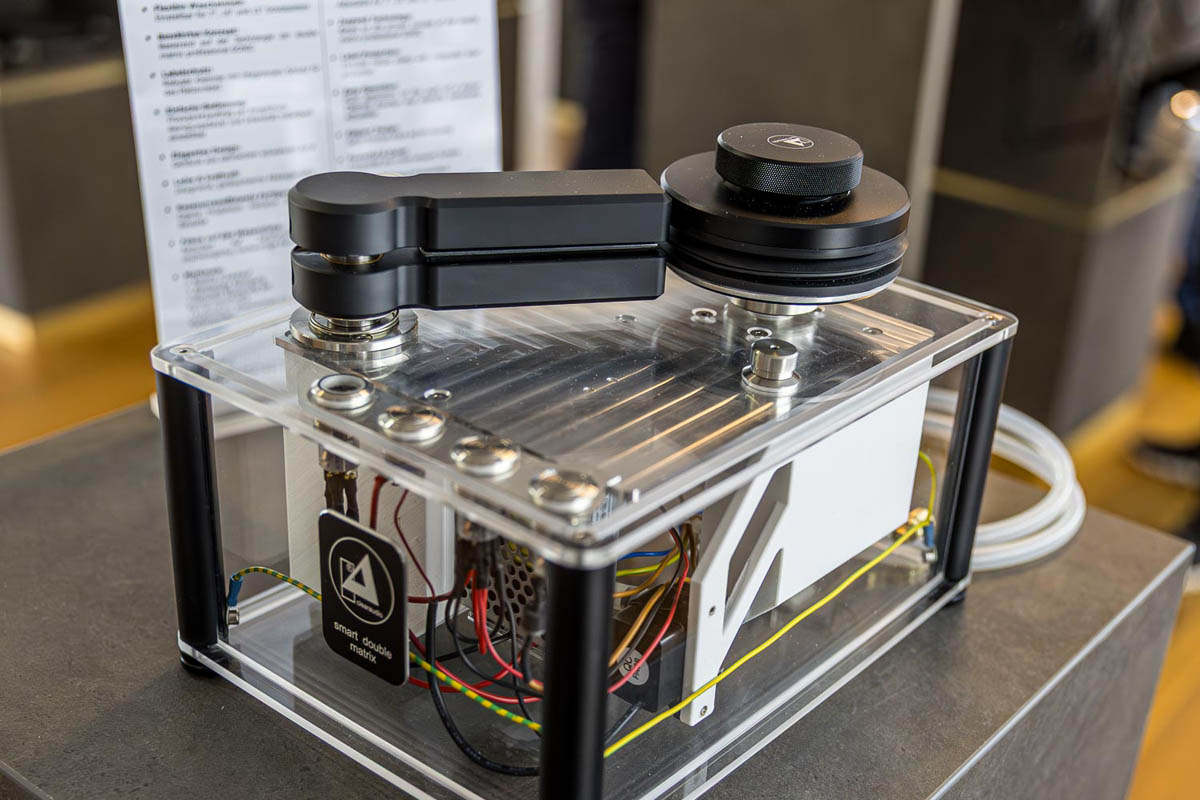
As for the exhibition’s product launches overall, the focus was largely on thoughtful refinement. Alongside impressive products such as Lumin’s comprehensively redesigned X2 streamer (successor to the X1) and a new version of the Transrotor Max—now available as the more affordable “Scala,” capable of accommodating multiple tonearms right out of the box—we noticed a strong trend toward diversification and ecosystem building, if I may call it that.
Complete Product Portfolios Are Trending
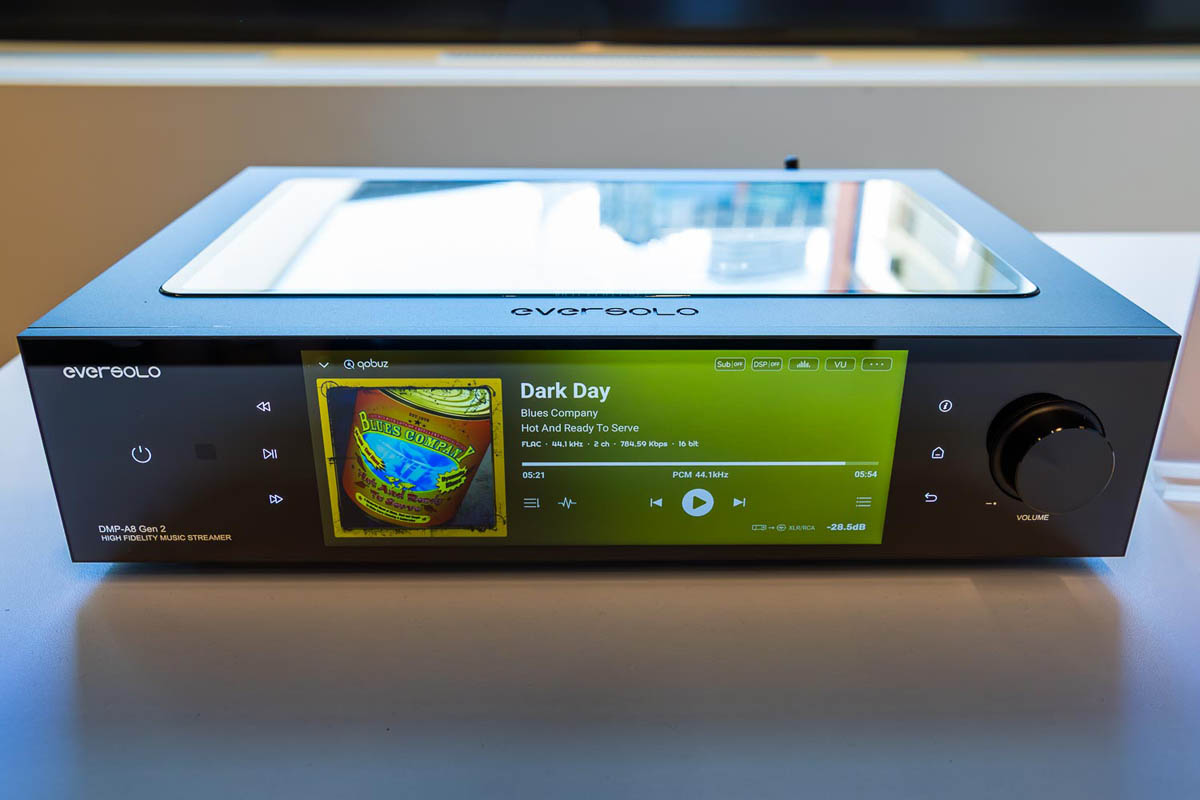
Eversolo, for example, introduced a whole series of new products in its “8 Series.” In addition to the familiar streamer, there are now dedicated bridges (without DACs), standalone DACs (without streamers), external clocks, and more. A new integrated amplifier—with streamer included once again—completes the lineup. If you prefer your amplifier without a built-in source component, a pure amplifier version is also available, delivering tremendous power.
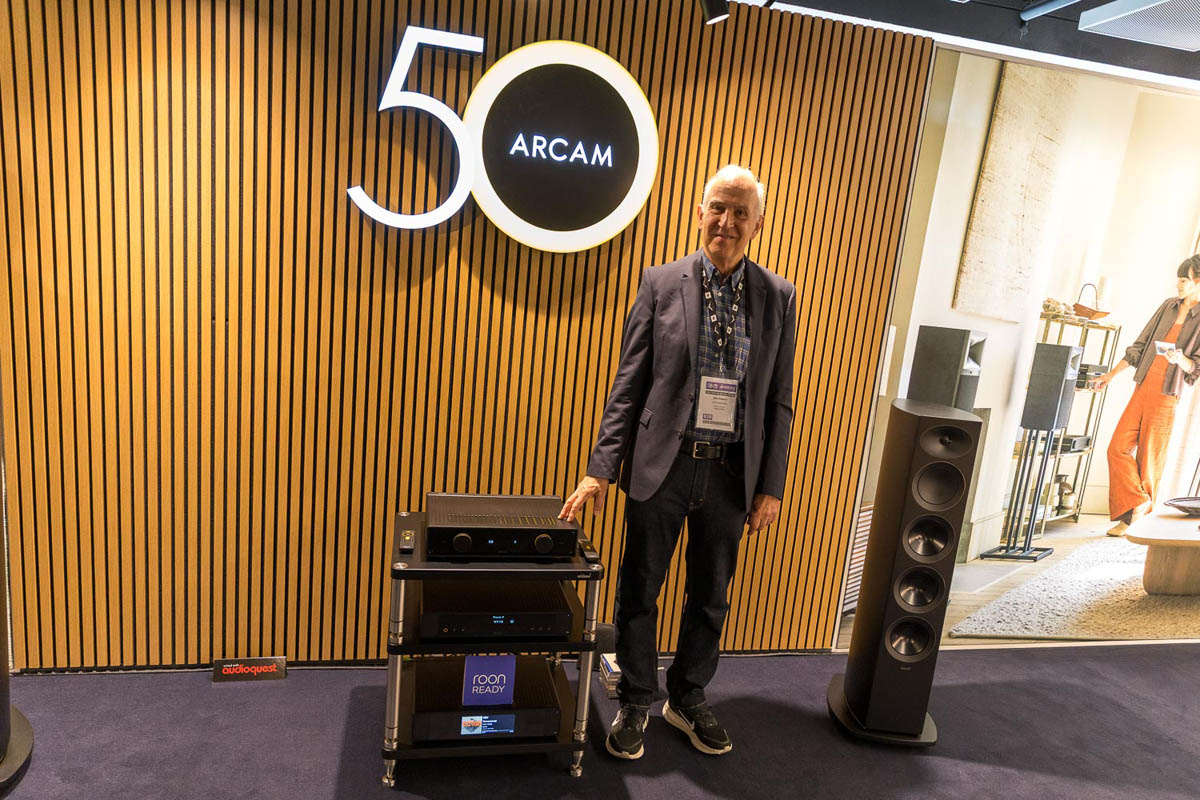
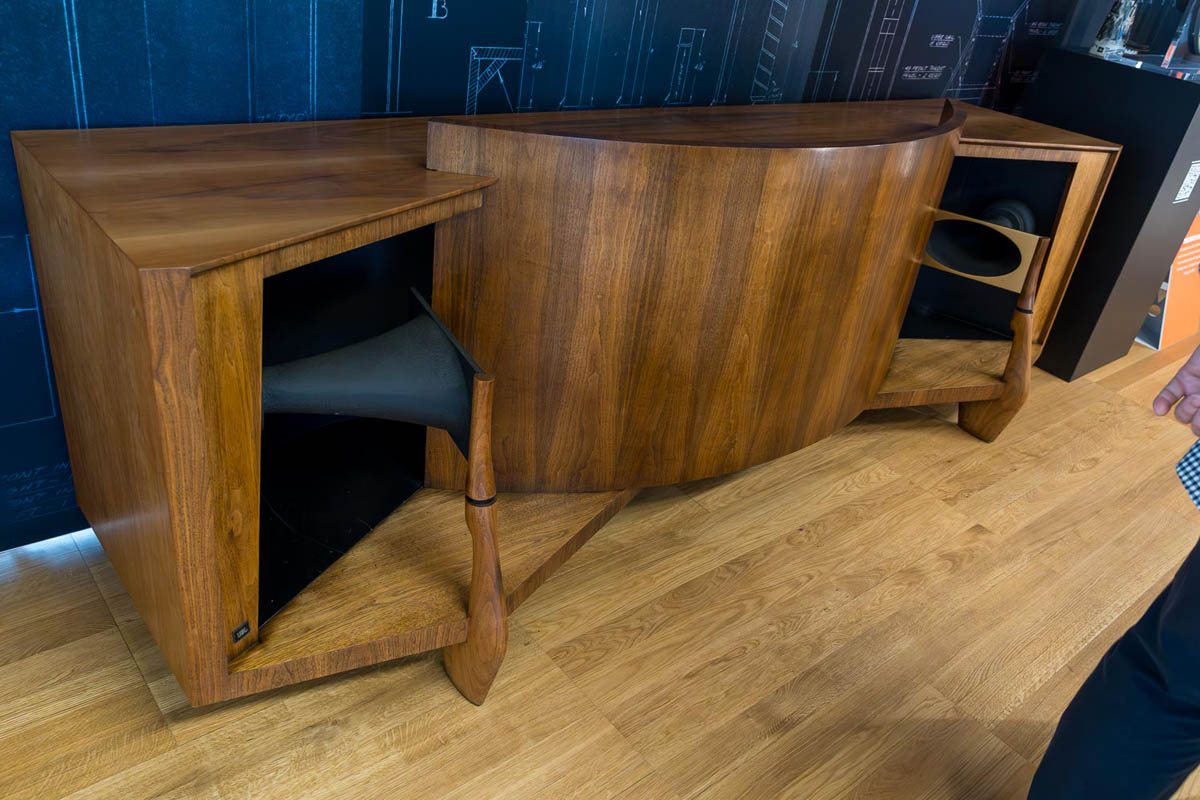
Meanwhile, Arcam celebrated its 50th anniversary with a new commemorative integrated amplifier loaded with features. More quietly—because it is not yet shipping—the company also introduced a family of truly beautiful loudspeakers, further establishing itself as a full-line manufacturer. Right next door, JBL unveiled an updated version of its mighty Summit Everest loudspeaker. The occasion was the legendary brand’s 100th anniversary, celebrated with its own mini company museum.
You’ll find dedicated coverage of all other noteworthy and exciting product launches from the show over the coming weeks in the news section of our website as well as on our Facebook channel… stay tuned!
So, Honestly: How Was Vienna?
What remains after the first HIGH END Vienna is, above all else, the feeling that we’re already looking forward to next year. Even outside Germany, the world’s largest hi-fi trade show makes a good—no, to be completely honest, a significantly better—impression. If at all possible, you should plan a visit in the coming years. The show is worth it, and Vienna is said to be absolutely beautiful in May.
One final note before we forget: future editions will once again take place at the traditional time of year. The move to June was necessitated by the Eurovision Song Contest, which unexpectedly came to Austria after its 2025 victory.
Find the exhibition organizer’s website here.