
Everest Audio Labs Launches Ascent Music Server With Proprietary USB One Card
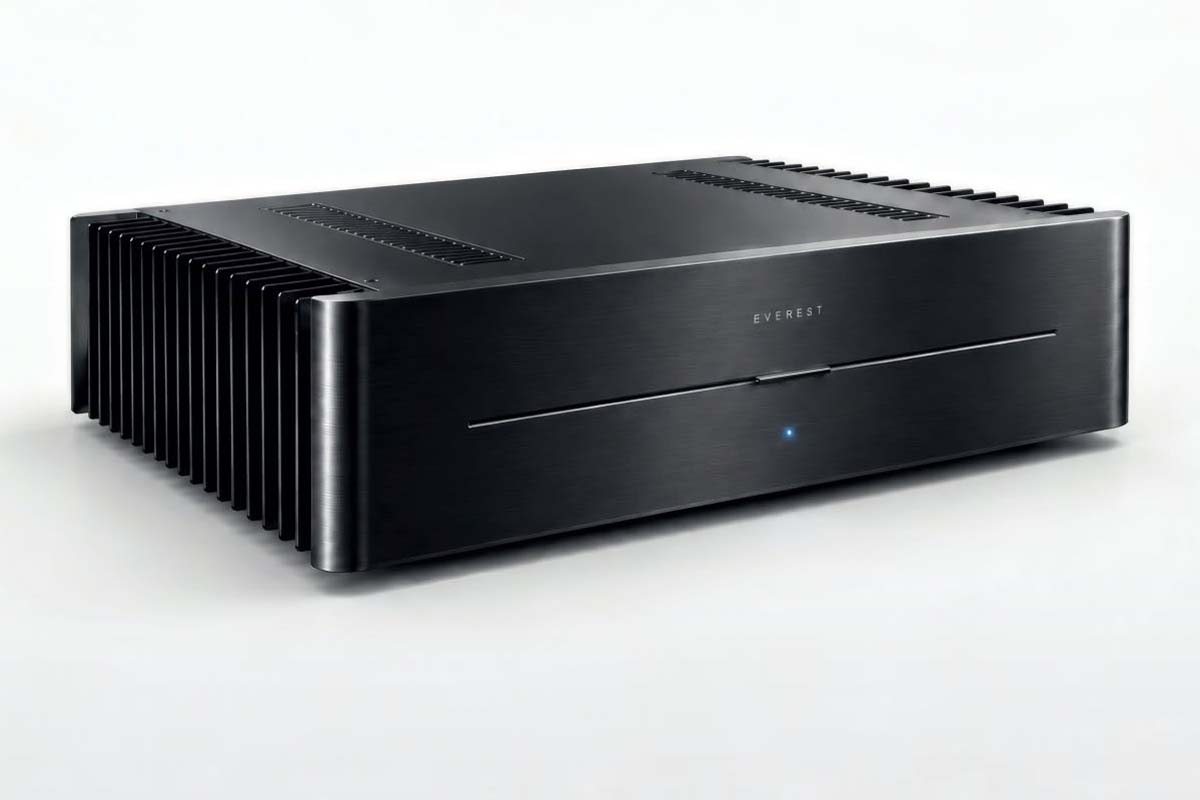
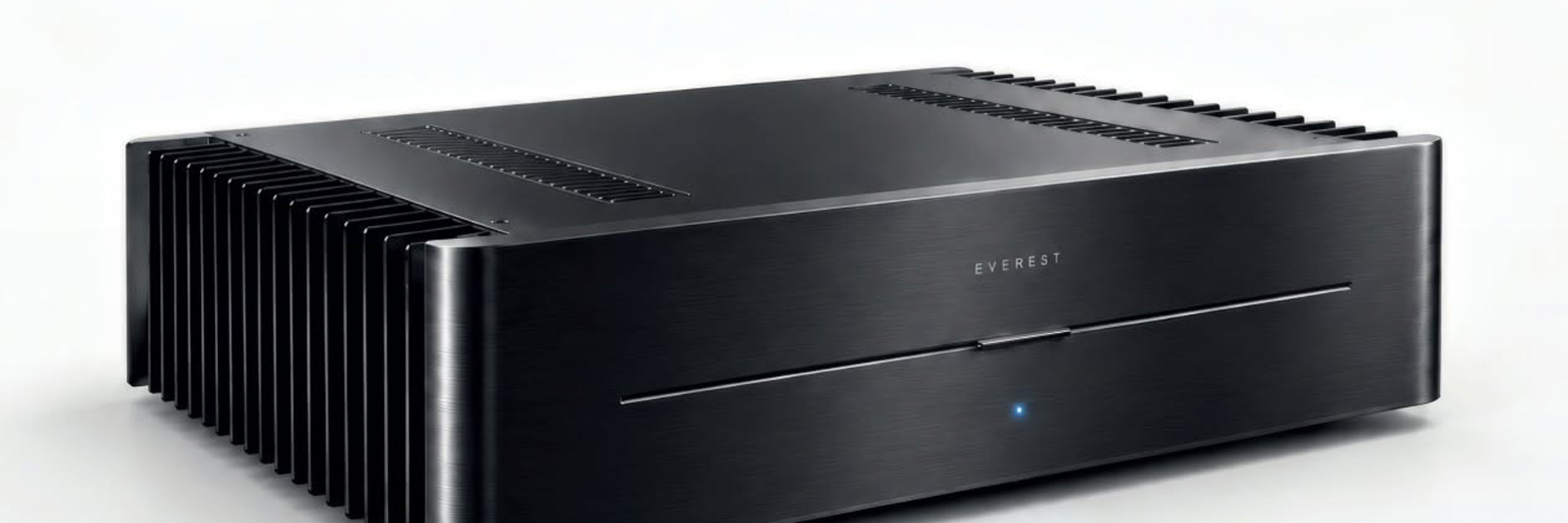
The latest Everest Ascent music server combines a fully linear ATX power supply, a dedicated USB interface and a custom AudioLinux operating system.
Everest Audio Labs has announced the latest version of its Ascent music server, a digital source designed for high-end audio systems. The new model features the company’s proprietary Everest USB One PCIe card as standard, alongside a fully linear ATX power supply architecture and a custom software environment developed specifically for the platform. The new products reflect the company’s approach to digital audio design, with particular attention to power delivery, electrical noise and latency.
A proprietary USB interface at the heart of Ascent
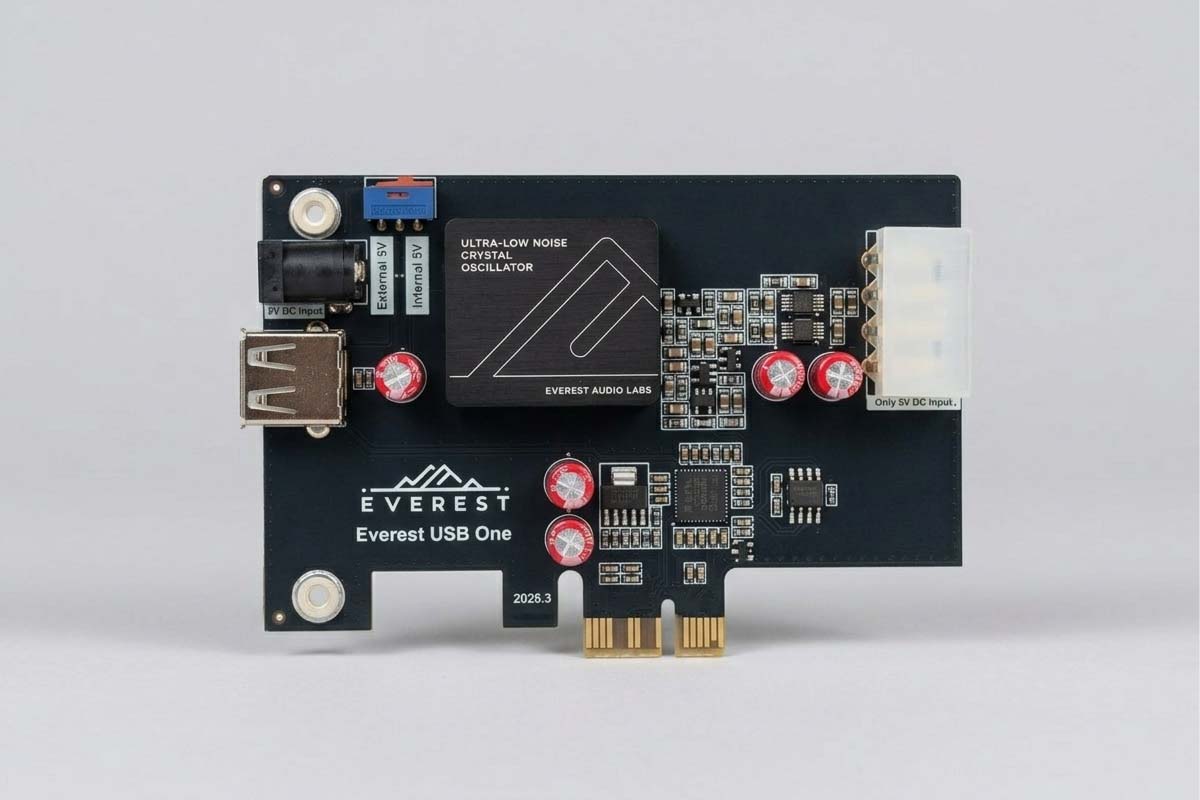
One of the defining features of the Everest Ascent is its integration of the company’s own USB interface. The Everest USB One is a proprietary PCIe USB host controller developed specifically for music servers and computers used as digital sources in high-end audio systems.
Rather than relying on an off-the-shelf interface, Everest Audio Labs has developed the card alongside the server’s power supply and software environment. The company says this integrated approach allows it to optimise the interaction between the computer platform and the connection to an external digital-to-analogue converter (DAC).
In the standard Ascent configuration, USB One receives a dedicated linear power supply supported by a supercapacitor bank. The operating system is also optimised for ultra-low latency.
“We wanted Ascent to make long listening sessions a pleasure, with a very smooth, natural sound, free from digital artefacts. That goal guided its design. Developing our own USB One card gives us the opportunity to refine an important part of the connection between server and DAC. We can develop it alongside Ascent’s power supply and software, then evaluate the result in a complete listening system,” says Adam Mokrzycki, owner of Everest Audio Labs.
Fully linear ATX power supply architecture
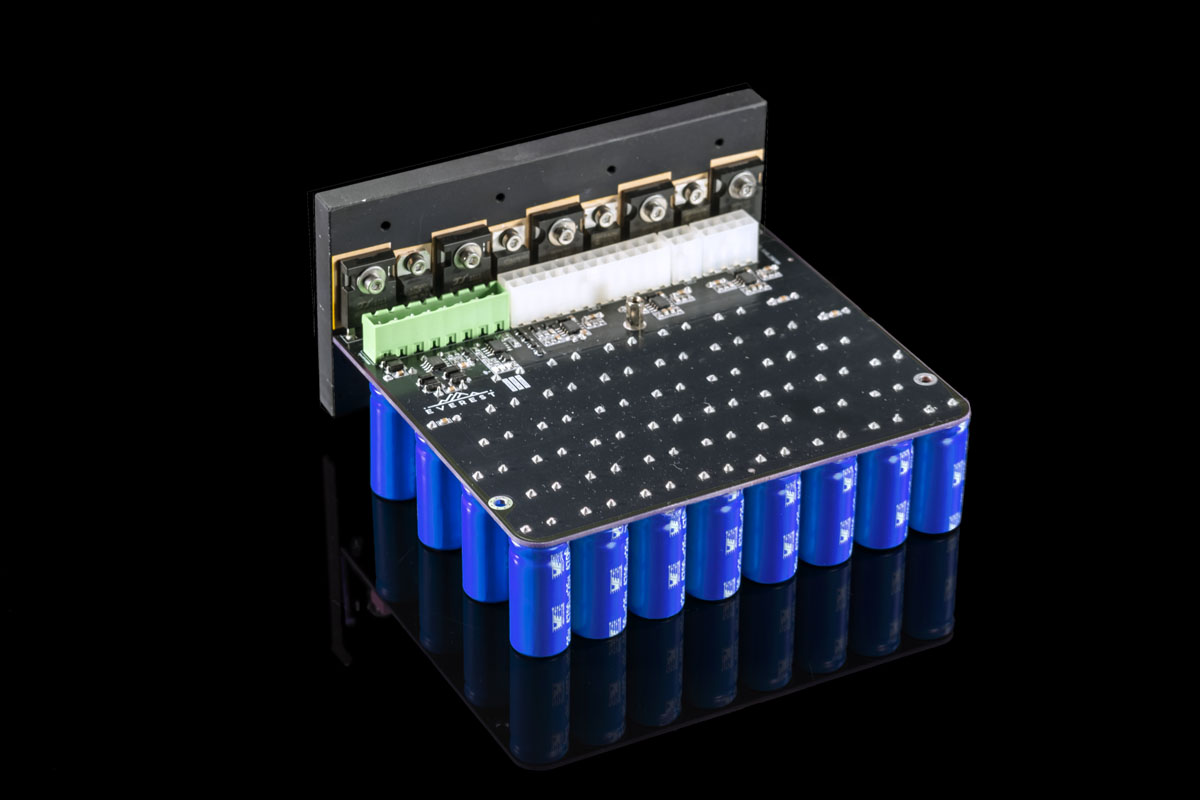
Power delivery is another major focus of the Ascent design. The server uses a fully linear power supply architecture to generate all standard ATX voltage rails: +12 V, +5 V, +3.3 V, +5 VSB and -12 V.
The power supply incorporates seven independent linear regulators, with separate sections dedicated to the storage system and output card. According to the manufacturer, this arrangement is intended to reduce switching noise and allow individual components to receive power tailored to their requirements.
The main power supply is built around a shielded 250 VA transformer and 320,000 µF of filtering capacitance. Storage and the audio interface are supplied through separate sections, avoiding the need to share the same power supply stage.
The company says the architecture is designed to maintain stable operating conditions for the motherboard and the circuitry responsible for delivering the digital signal to the DAC, including under changing loads.
Dedicated USB power supply and supercapacitors
The USB output section has its own 60 VA transformer and dedicated linear power supply, featuring 29,000 µF of filtering capacitance.
Additional energy storage comes from a bank of two 450 F supercapacitors, which forms part of the power supply for the USB One card. According to Everest Audio Labs, the supercapacitors help maintain low source impedance and provide energy as the card’s instantaneous current requirements change.
Separating this section from the computer’s main power supply also allows the company to address the operating conditions of the USB interface independently.
Everest USB One: also available separately
Alongside the Ascent server, Everest Audio Labs has introduced the USB One as a standalone product. The PCIe card is designed for compatible music servers and computers, offering an alternative to standard motherboard USB connections in digital audio systems.
Its technical features include a low phase noise SC-cut crystal oscillator and ultra-low-noise LT3042 voltage regulators. The oscillator provides the reference clock for the USB controller, while dedicated attention has been given to its power supply and operating environment.
The clock circuitry is housed in a separate CNC-machined metal enclosure and treated with a vibration-damping compound. These measures are intended to provide shielding and reduce mechanical influences on the oscillator.
USB One uses the standard 5 V supply voltage found in computers, supporting straightforward integration into compatible systems.
The standalone card allows owners of other compatible music servers to use Everest’s USB interface without purchasing the complete Ascent platform. Within the Ascent, however, the card also benefits from its dedicated power supply and the server’s preconfigured software environment.
Fanless cooling and aluminium construction
The Everest Ascent is based on an Intel N100 platform, equipped with 16 GB of RAM and a 500 GB system SSD. Customers can specify additional storage of up to 8 TB for their music libraries.
Everest Audio Labs says the RAM and system SSD have been selected with ultra-low latency in mind. The system is housed in an aluminium enclosure with side heatsinks, enabling passive cooling without fans. This allows the server to operate in a listening room without noise generated by an active cooling system.
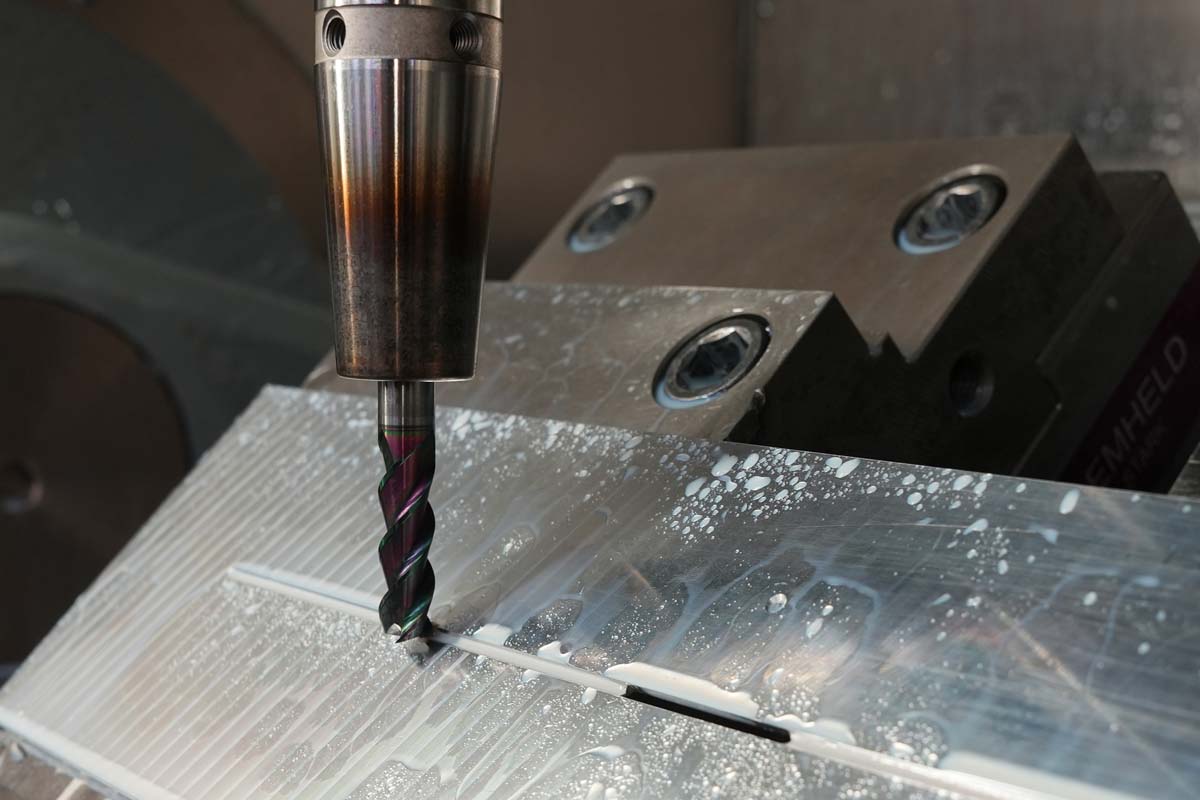
The unit is designed and hand-built in Poland. Both the front and rear panels are CNC-machined from 12 mm aluminium, while the substantial enclosure and side heatsinks provide structural support and heat dissipation. The chassis measures 430 × 353 × 109 mm and weighs 13 kg.
Custom AudioLinux software and playback options
Ascent runs a customised version of AudioLinux developed specifically for Everest Audio Labs. The software environment is prepared for low latency and reduced background activity, forming part of the company’s integrated hardware and software approach.
The server arrives preconfigured, with dealers able to select the appropriate playback software through its configuration menu. Supported options include Roon, Roon Bridge, MPD and HQPlayer NAA. This flexibility allows Ascent to function either as the central music server in a playback system or as a network endpoint within an existing Roon or HQPlayer configuration. The available software options also provide scope to adapt the server to different system architectures without requiring customers to configure the underlying operating environment themselves.
Everest LAN One offers an Ethernet alternative
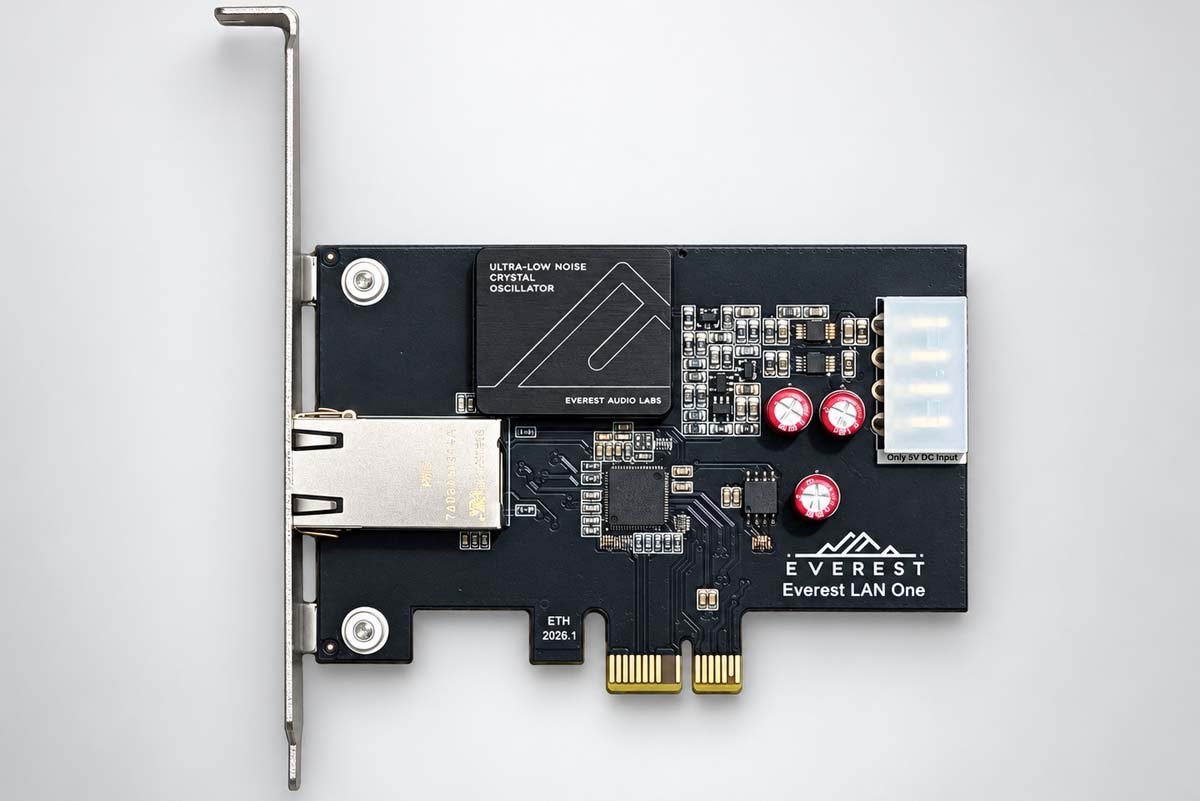
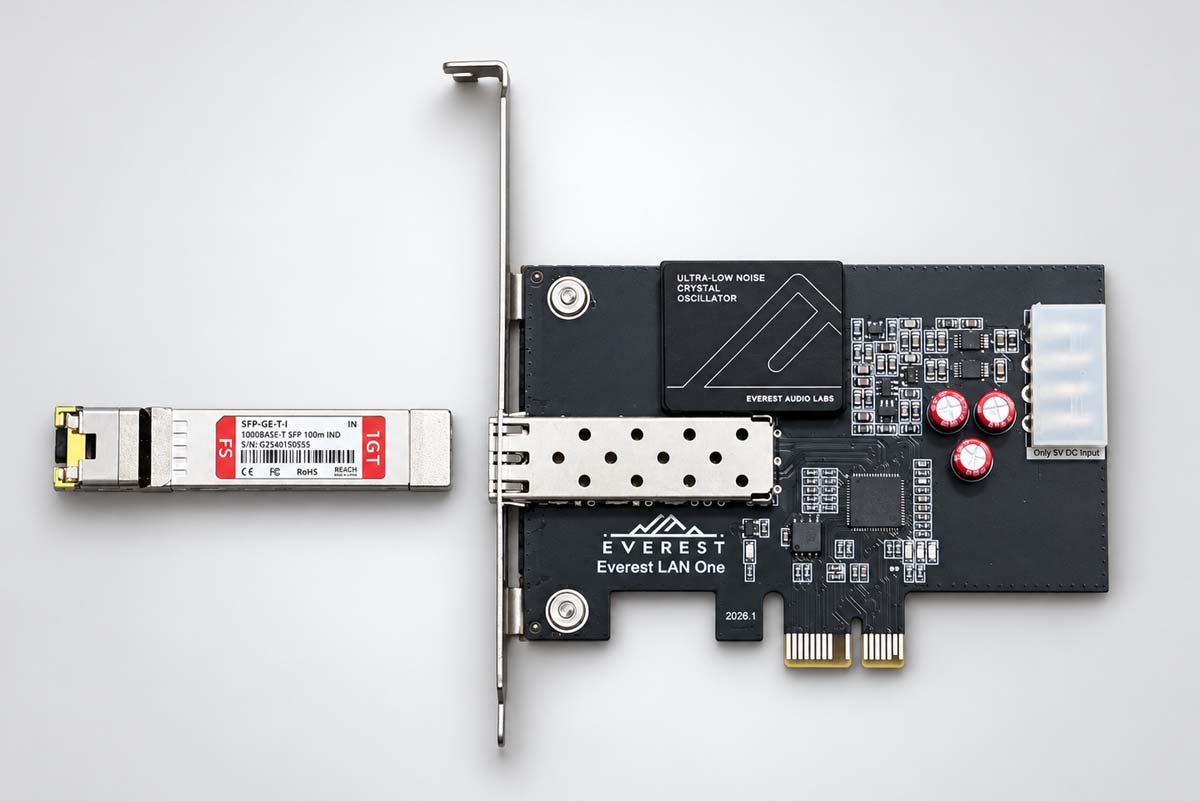
Although USB One is the standard interface supplied with Ascent, Everest Audio Labs also offers the option of configuring the server with its proprietary Everest LAN One card.
This alternative is intended for systems in which the server connects to a DAC or network player over Ethernet rather than USB. The choice of interface therefore depends on the connectivity supported by the receiving component and the wider audio system.
The company also states that the server supports subsequent card replacement and software upgrades, allowing its configuration to evolve as system requirements change.
Everest Ascent Availability and Pricing
The Everest Ascent music server with the USB One card is available now at €8,000 including VAT. The standalone Everest USB One PCIe card is priced at €800 including VAT.
Everest Audio Labs lists a standard lead time of three weeks for both products. Sales are handled directly worldwide and through authorised dealers.
Both the Ascent and USB One come with a 24-month manufacturer’s warranty. Further information about the Everest LAN One configuration and other available options can be obtained directly from Everest Audio Labs or its dealers.