
Progressive rock entails tempo changes, classical and jazz reminiscences, extensive instrumental parts and surprising instruments. But all of this is hard to fit into a three-minute song – which is why epics exist.
The song takes its time. The opening sound collage lasts almost two minutes, featuring synthesizers, birdsong, percussion sounds from woodblocks, chimes, tubular bells, and an effects-laden guitar that seems to wander aimlessly. This introduction conjures up an atmosphere. No wonder, since the song is about Xanadu, the mysterious, magical place somewhere in Mongolia, a symbol of dreams coming true. The enchanted palace of Xanadu was once a popular subject in pop music. Dave Dee, Dozy, Beaky, Mick & Tich scored a No. 1 hit with “The Legend of Xanadu” in 1968, as did Olivia Newton-John in 1980 with her disco song “Xanadu.” Both songs, of course, are about love. Not so with Rush: their “Xanadu” is a philosophical, myth-inspired fantasy. Neil Peart, the band’s drummer and lyricist, drew inspiration from a poem by Coleridge. Many of the song’s lyrics were already laid out in Coleridge’s poem: “the sacred river Alph,” “the caves of ice,” and “the milk of Paradise.”
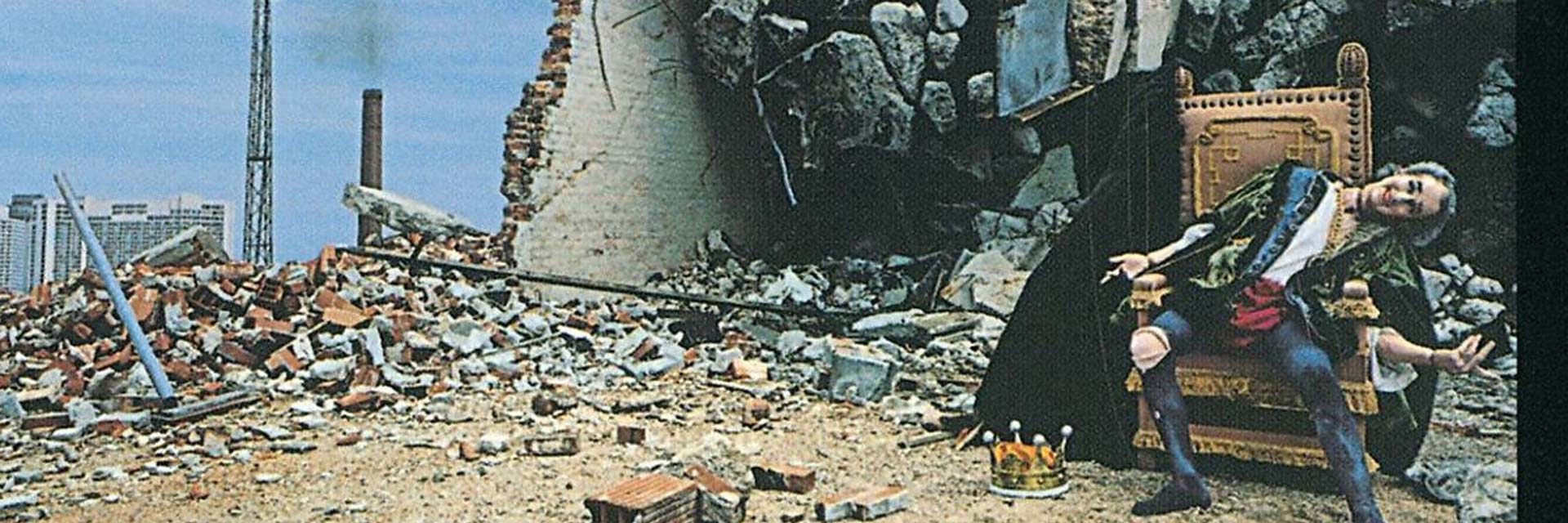
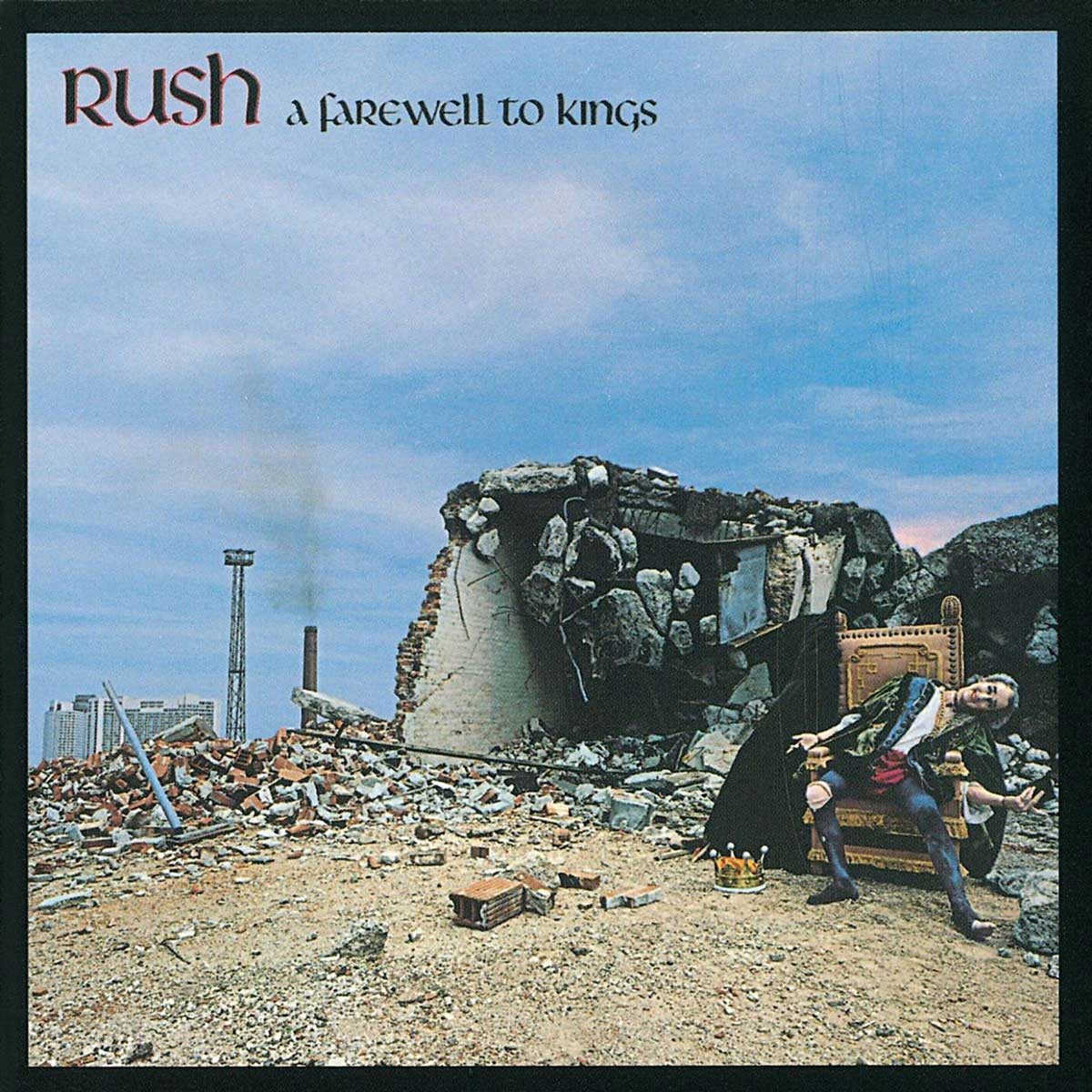
Rush’s repertoire simply couldn’t be without fantasy and science fiction. The three musicians believed that such lyrics were an important element of progressive rock. It’s rather funny: the Canadian trio decided to become a prog-rock band just as prog rock was already dying out in England. They expanded their musical palette with new instruments, including a glockenspiel and a Minimoog, double-neck guitars, and synthesizer pedals. They cited Yes and King Crimson as their major influences and even traveled to Britain to record their album A Farewell to Kings there. The album was mixed at a London studio where Yes and ELP had also mixed their records.
Big melodies were never really Rush’s forte. Their strength lay in compact riffs, which they could string together seamlessly, one after another—often in off-kilter, interlocking patterns and odd time signatures, including 7/4. As a result, it takes a full five minutes before Geddy Lee begins to sing: “To seek the sacred river Alph…” His high-pitched voice (even higher than Jon Anderson’s) may or may not be to your taste, but one thing is certain: at that register, he never gets in the way of the instruments. Just a few bars later comes another tempo change, followed by another shift in style. The three-note motif “Xa-na-du” brings the first verse to a close (5:50). Synthesizers, tubular bells, and glockenspiel then usher in the first full chorus (starting at 6:15). Before the second verse, there’s another instrumental passage, with a new tempo and a new motif (7:00–7:40). As mentioned, this band was never short on riffs and rhythms. After the chorus returns, the harmony shifts once more (9:12), and Alex Lifeson plays a beautiful, laid-back guitar solo. One final tempo change (10:15), followed by a brief closing motif featuring guitar and glockenspiel.
“Xanadu” was “the most complex and multilayered piece” Rush had recorded up to that point, according to Neil Peart. After the band played through it just once in the studio to set the microphones and adjust the controls, they nailed the recording of the eleven-minute epic on the very first take, without any tape edits. The song remained part of their live set for many years and became a fan favorite. Rolling Stone ranks it sixth among the band’s best songs. Rush also opened their comeback tour in Los Angeles on June 7, 2026, with “Xanadu.”