
A call from the editorial office. The voice on the line informs me that they have news for me. “The bad news first: the device we had planned is unfortunately not available. The good news: we have an integrated amplifier from Audio Note for you. Interested?”
Of course I was interested! After all, I’ve had the opportunity to hear various complete systems from Audio Note UK at the annual Analog Forum of the Analogue Audio Association (AAA), and I was always very impressed by their sound at these hotel-based exhibitions. In fact, I usually stayed longer in the Audio Note demonstration room than I had originally intended. One reason was that, in my opinion, typical trade-show demonstrations far too often rely on the same overplayed “demo records” by Pink Floyd, Dire Straits, Diana Krall, and so on, which by now only leave me feeling fatigued. Another reason was that demonstrations of sometimes breathtakingly expensive systems were so heavily optimized for detail retrieval that I often found it difficult to perceive the music as a cohesive whole. Figuratively speaking, I couldn’t see the forest for the trees. Audio Note UK demonstrations were always different. Typical demo records were rarely used, and the components consistently managed to present the music in a holistic manner – if you’ll forgive the overused adjective.
Regular readers of FIDELITY certainly need no introduction to Audio Note UK. Equipment from the English town of Partridge Green (Horsham District, West Sussex) has visited our editorial offices many times. Nevertheless, allow me a few words about the British manufacturer’s product portfolio. Alongside Rega and Linn, Audio Note is one of the few full-range manufacturers capable of offering everything from cartridges to loudspeakers from a single source. Audio Note is deeply committed to the system approach (“The result is more than the sum of its parts”). It is also noteworthy that many components that are essentially identical – or at least very similar – are offered in different grades and versions. The Oto integrated amplifier is no exception. It is a genuine classic that has been in production since 1991. It is available in four variants, each offered either without (“Line”) or with (“Phono”) an integrated input for moving-magnet (MM) cartridges. The range begins with the Line PP and extends all the way to the Phono SE Silver Signature. “PP” stands for “Push-Pull,” while “SE” stands for “Single-Ended.” These designations refer to the output-stage topology employed. Naturally, Audio Note’s in-house transformers are always used. Unfortunately, further details about the circuit design are just as closely guarded as the pricing structure. Even dealers are instructed not to publish price lists. What I can reveal, however, is that the various Oto versions range in price from the high four-figure to the five-figure level. Accordingly, within Audio Note’s internal hierarchy, the push-pull Oto models are designated as “Entry Level” or “Level 1,” while the single-ended versions already reach Level 2. Incidentally, Audio Note’s current pinnacle is represented by Level 5 components.
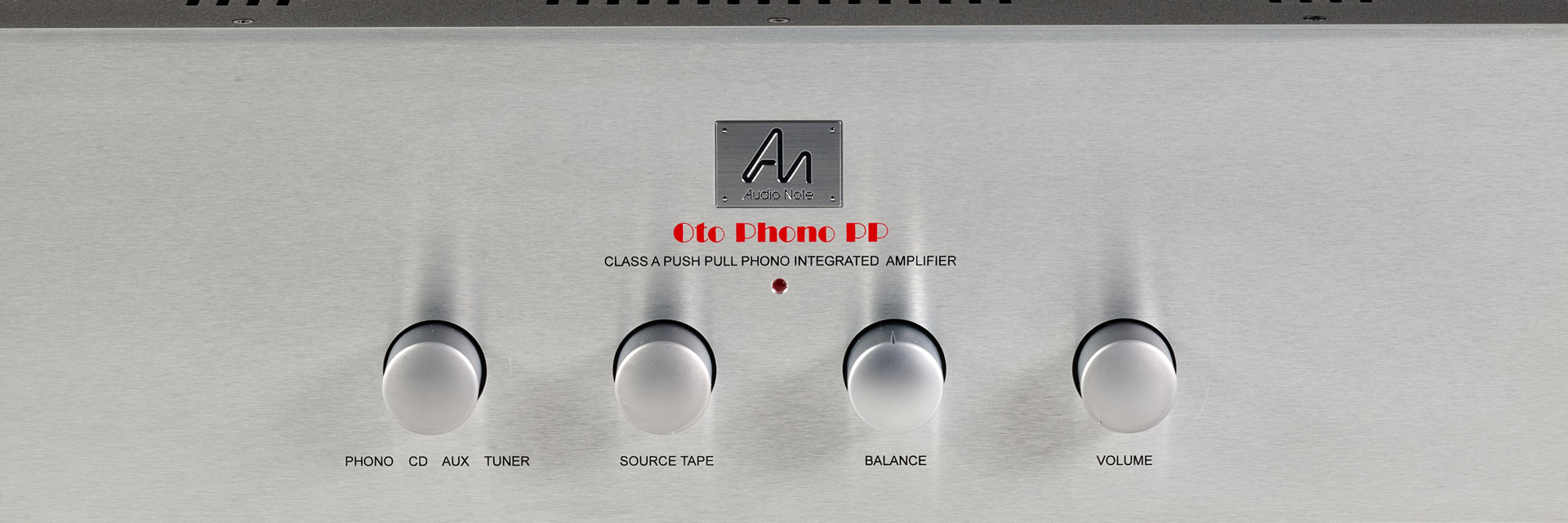
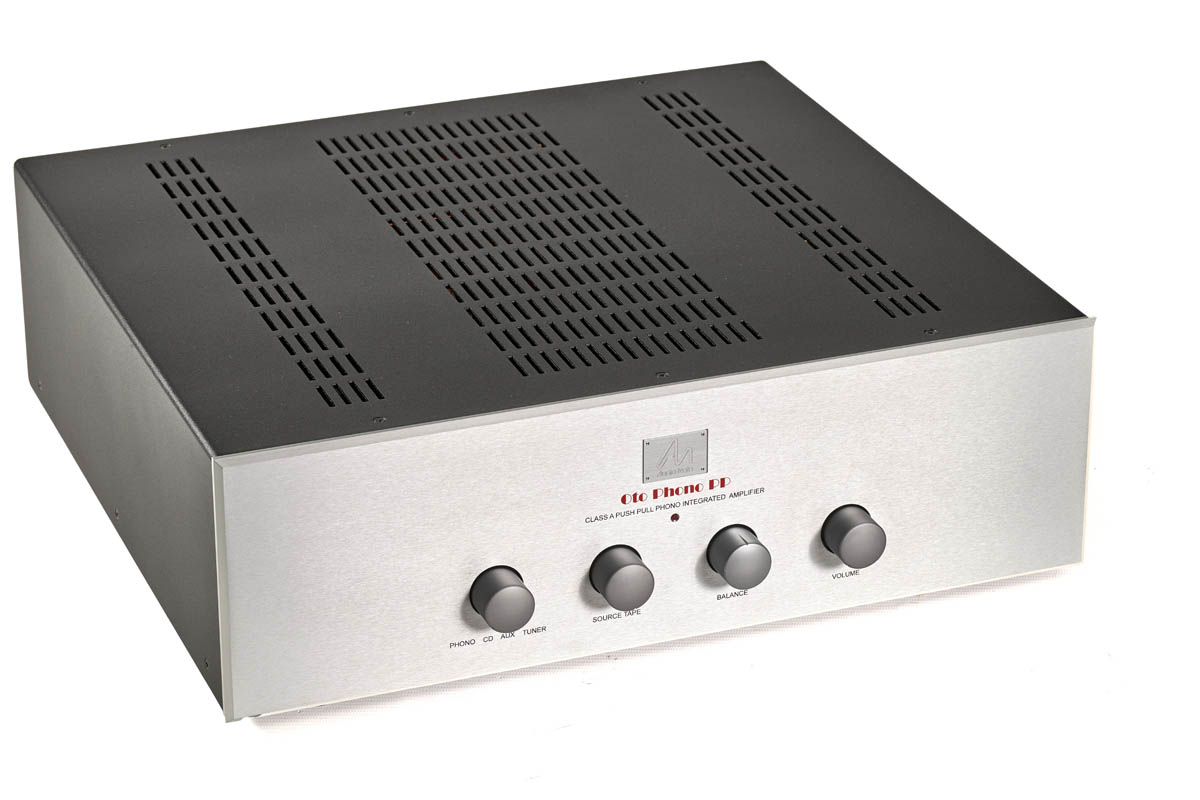
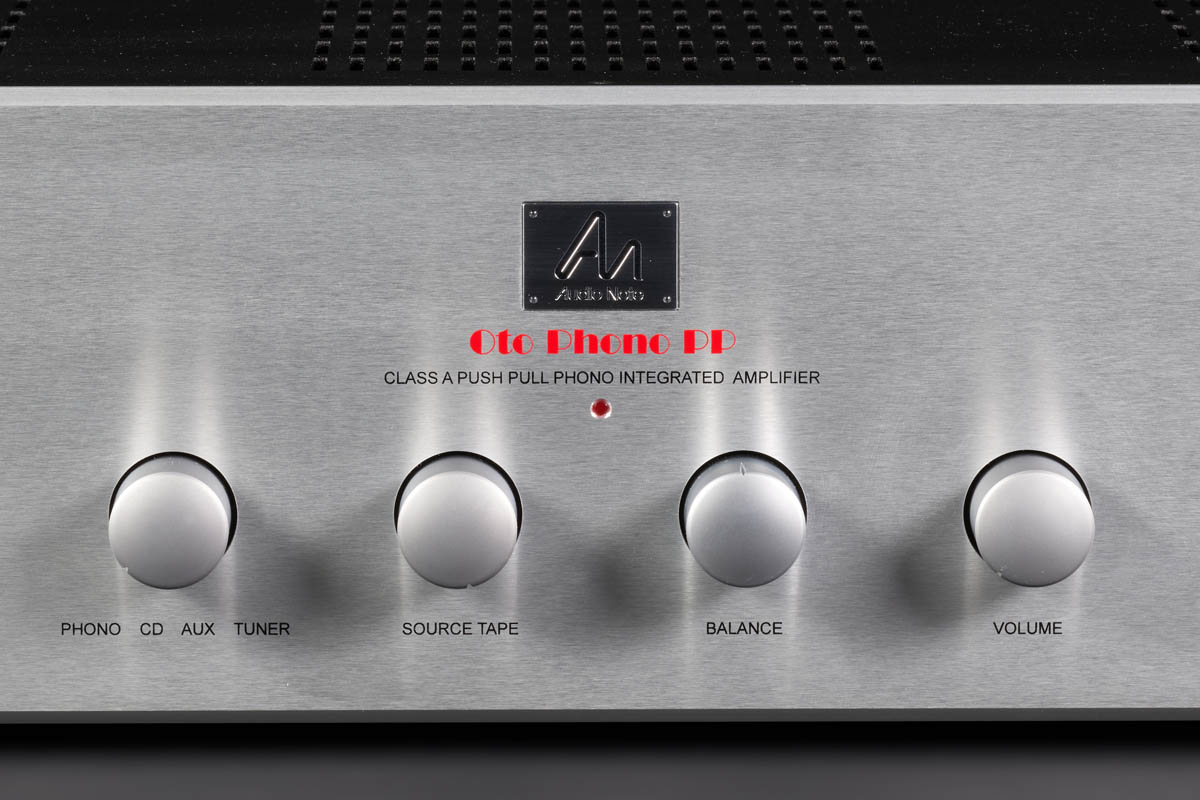
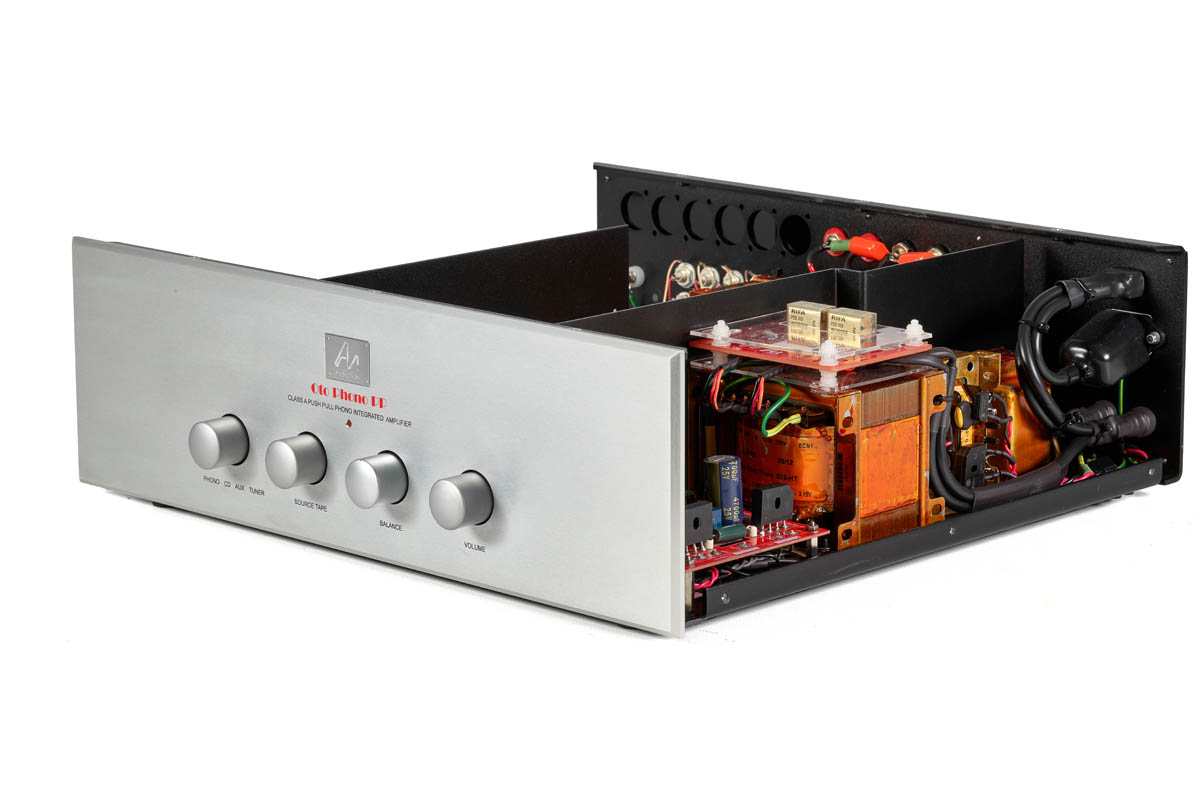
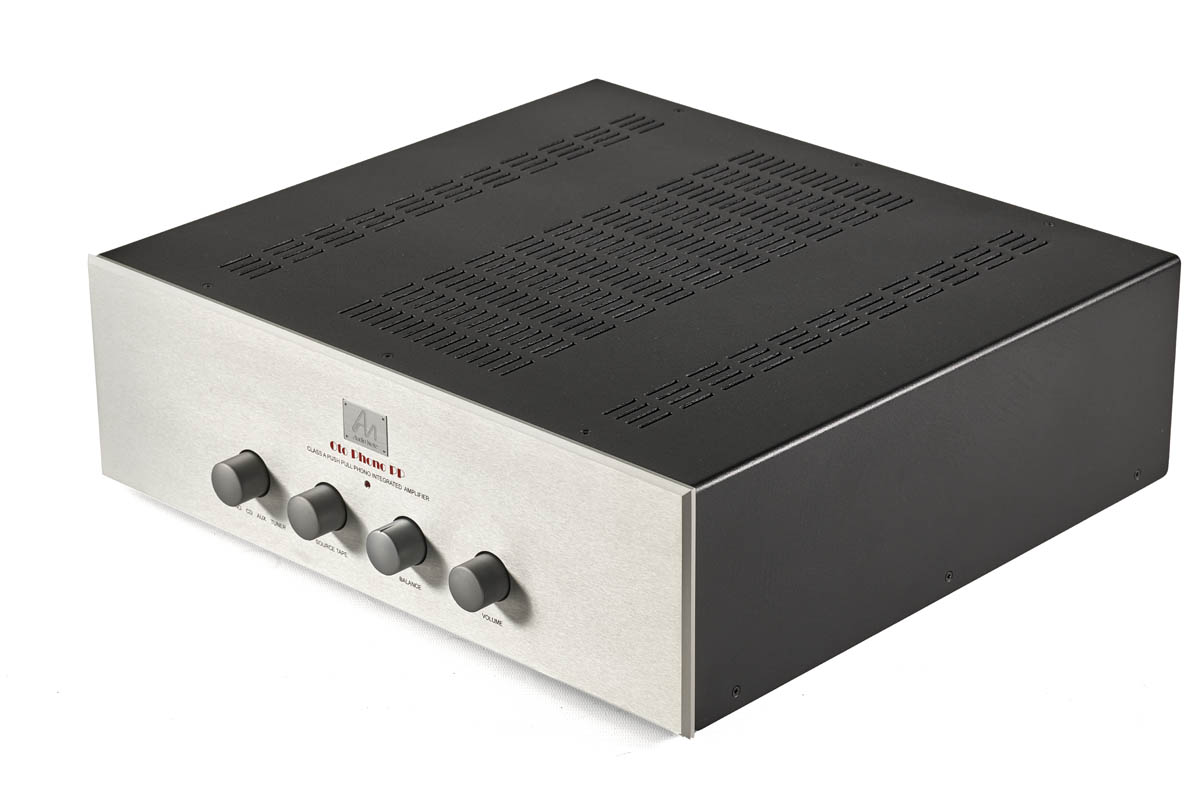
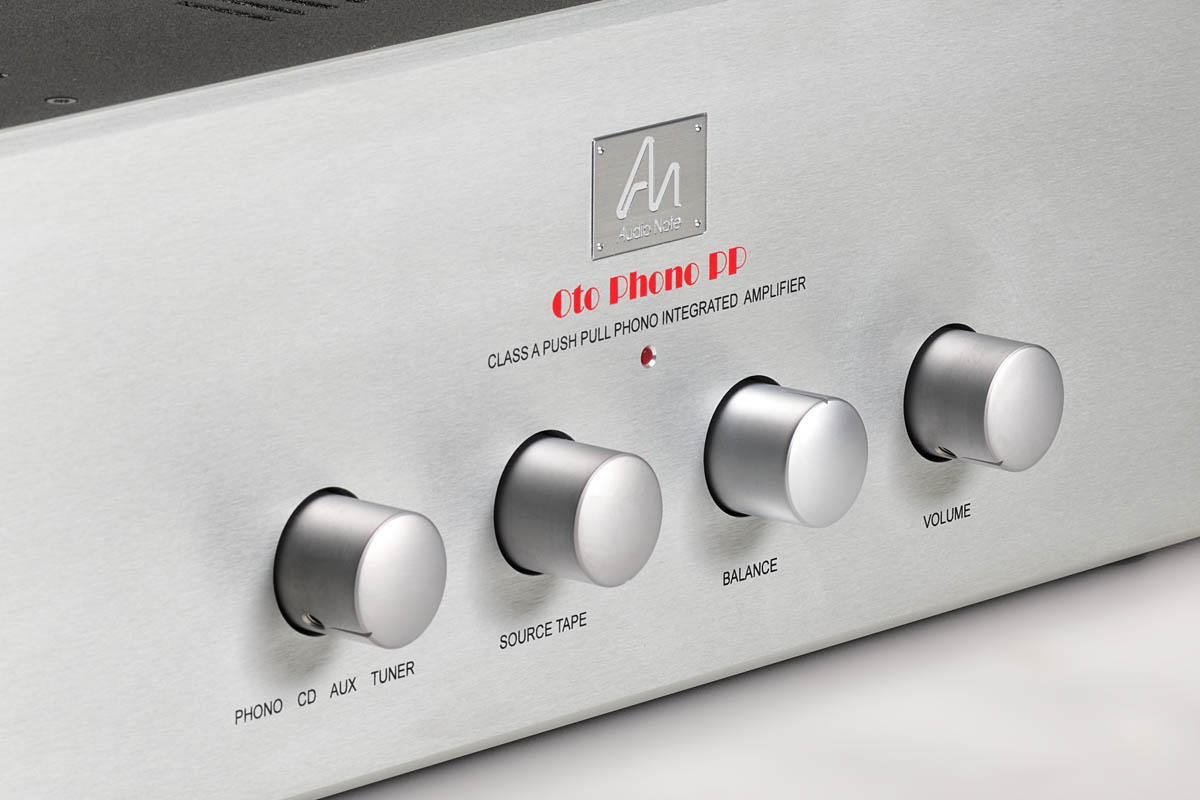
So what do you get for the nearly €5,000 required for the Oto Phono PP? First and foremost, a remarkably substantial component that, together with the space needed for the cables connected at the rear, requires a shelf at least 50 centimeters deep. The transformer and output transformers bring the weight up to a respectable 12 kilograms. Because of the considerable heat generated, ample ventilation must be provided on all sides. Nevertheless, the visual impression remains understated and refined; the build quality is excellent but by no means ostentatious. The four rotary controls on the front panel are made of metal and handle input selection, tape loop operation, balance, and volume.
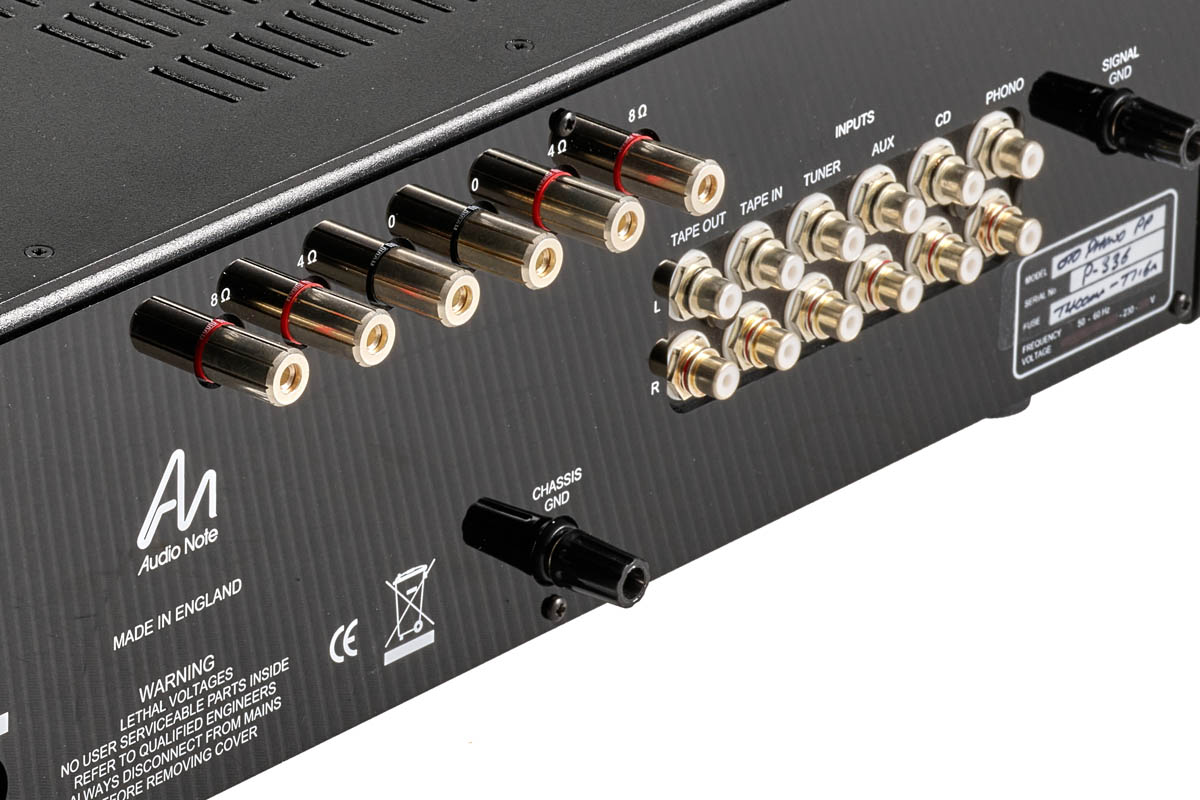
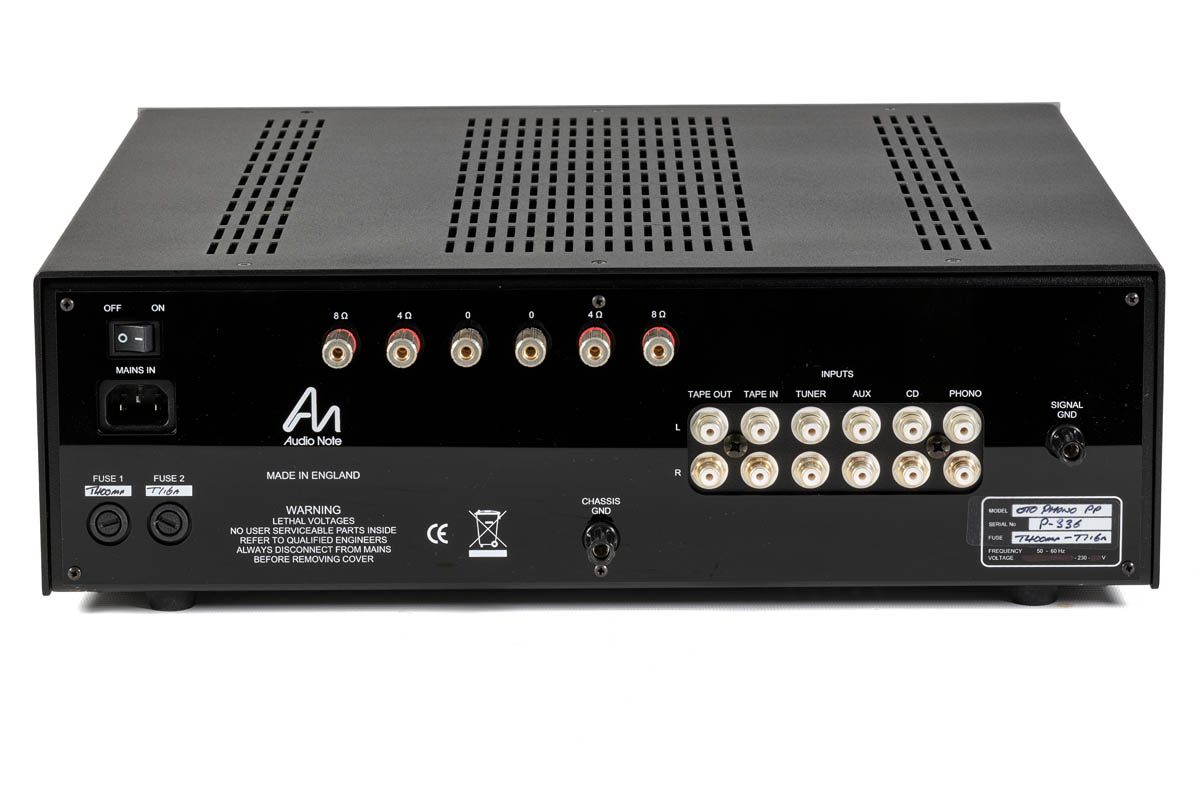
What is unfortunately missing from the front panel can be found on the rear: the power switch. There are also high-quality RCA connectors for up to five devices. One of them accommodates the recently revived cassette deck. Another provides the appropriate connection for a turntable equipped with a moving-magnet (MM) cartridge, complete with the obligatory ground terminal. Those wishing to connect a moving-coil (MC) cartridge can use the step-up transformers also offered by Audio Note. The speaker terminals are equally impressive, providing secure connections for bare wire, spade lugs, and banana plugs. Users can choose between 4-ohm and 8-ohm outputs. The English-language owner’s manual encourages experimentation with both options; preference should be given to whichever provides the more balanced tonal presentation and greater dynamics. In today’s world, where nearly every device can be controlled via an app, some may miss a remote control. However, the lack of remote operation is a long-standing Audio Note tradition.
If the modest rated output of nine watts seems surprising, it is worth noting that, as Alexander Aschenbrunner correctly explained in FIDELITY 82 (6/2025), it is entirely sufficient for comfortable music listening. This becomes especially clear when one considers how loud 70, 80, or even 90 decibels actually are in enclosed spaces. To put it roughly: the Naim Credo loudspeaker I used has a sensitivity of 89 dB (W/m) and a very tube-friendly impedance curve that never drops below six ohms. In practical terms, this means that a single watt of electrical power already produces a very loud 89 dB sound pressure level at a distance of one meter. During my thoroughly enjoyable listening sessions, I never reached – or wanted to reach – that level. Of course, anyone who regularly wishes to share their music with the neighbors and drive large multi-way loudspeakers with complex crossover networks will find that the Oto Phono PP is not the ideal choice. Quite simply, it was not designed for that purpose. Unsurprisingly, it pairs especially well with Audio Note loudspeakers. However, speakers from the Klipsch Heritage Series, the Heco Zweiklang, and its successor, the Heco Direkt Premium, also come immediately to mind as appealing partners for the Oto.
The ideal source component proved to be the Linn Adikt MM cartridge. One reason is that, like Audio Note’s IQ I through IQ III moving-magnet cartridges, the Adikt is fundamentally based on the Goldring 1000 series and therefore shares identical electrical characteristics: 570 millihenries of inductance and 660 ohms of impedance. Even though the phono input only supports MM cartridges, I never missed my MC cartridges for a single second. That is also because the Oto’s internal phono preamplifier ranks among the finest I have ever heard.
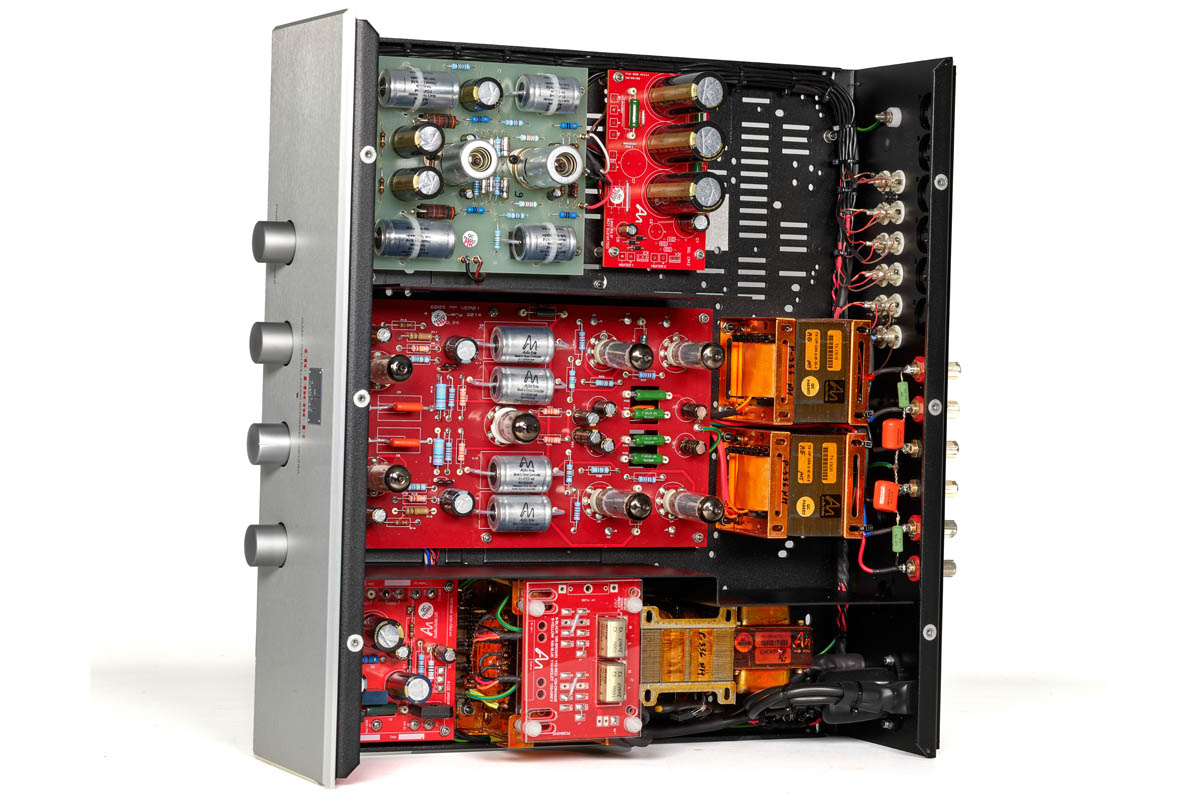
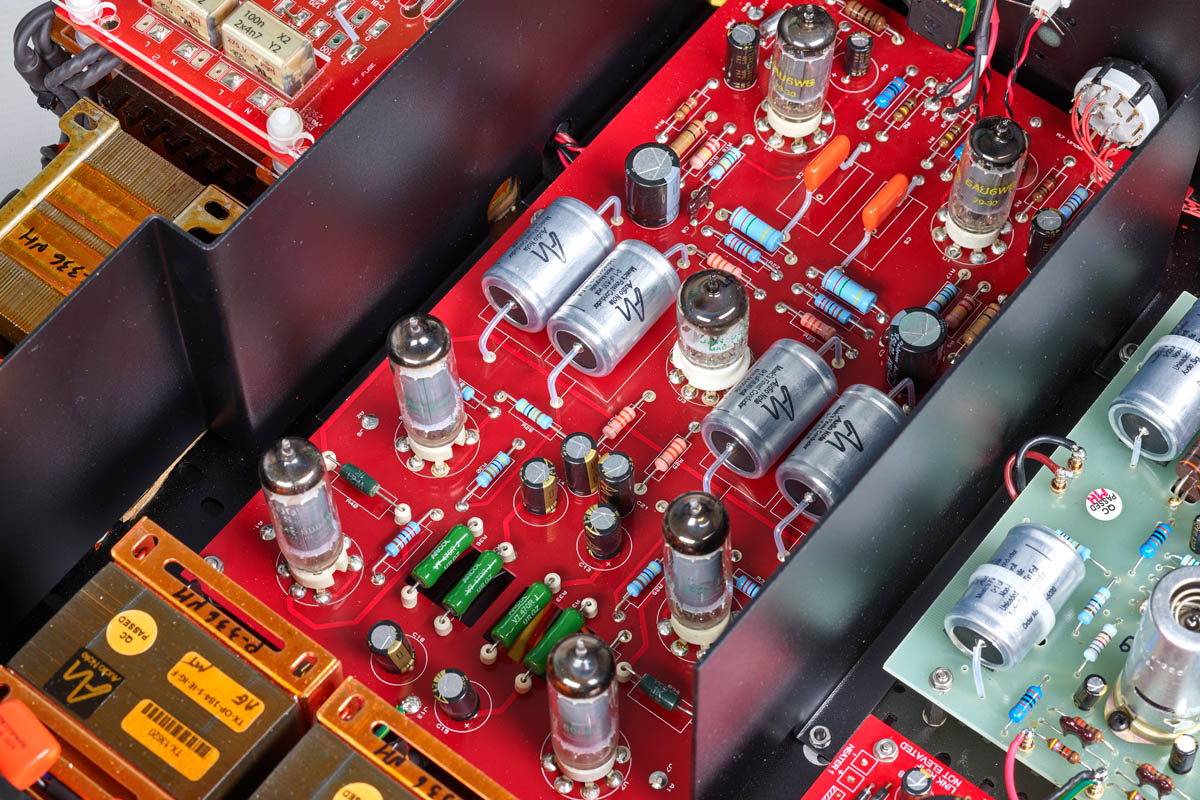
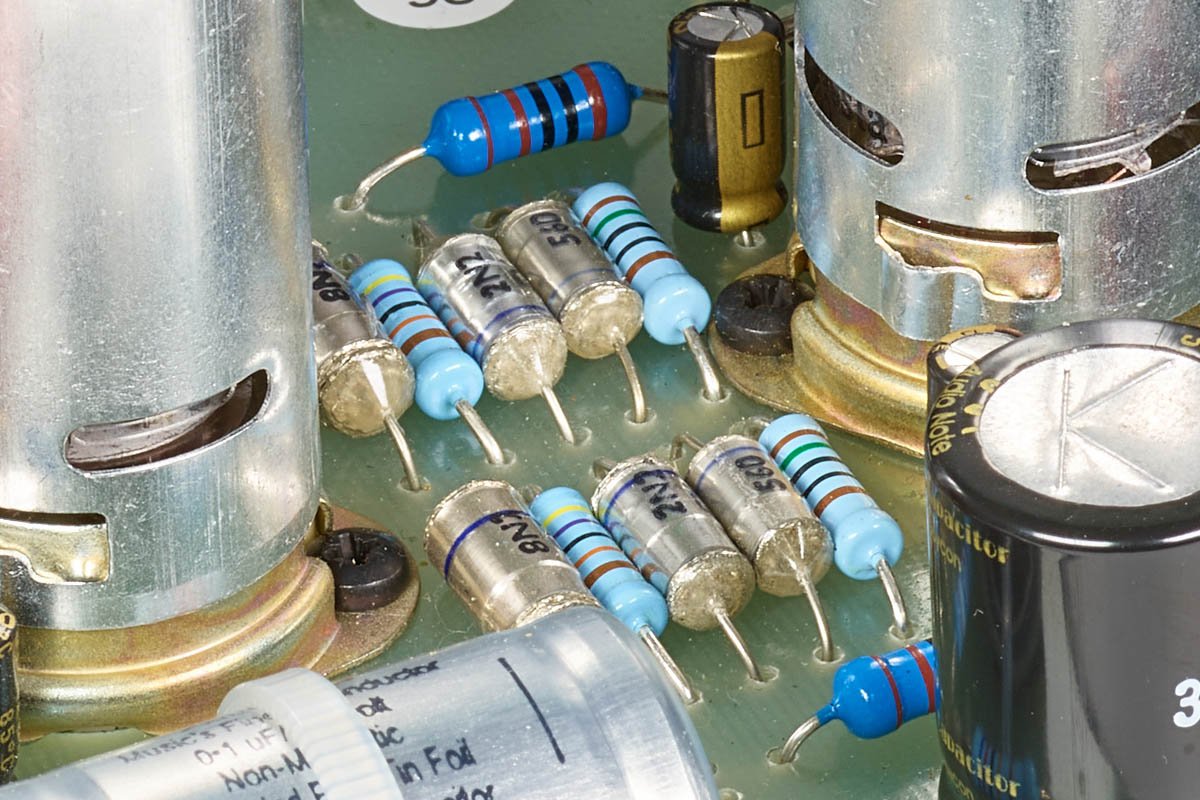
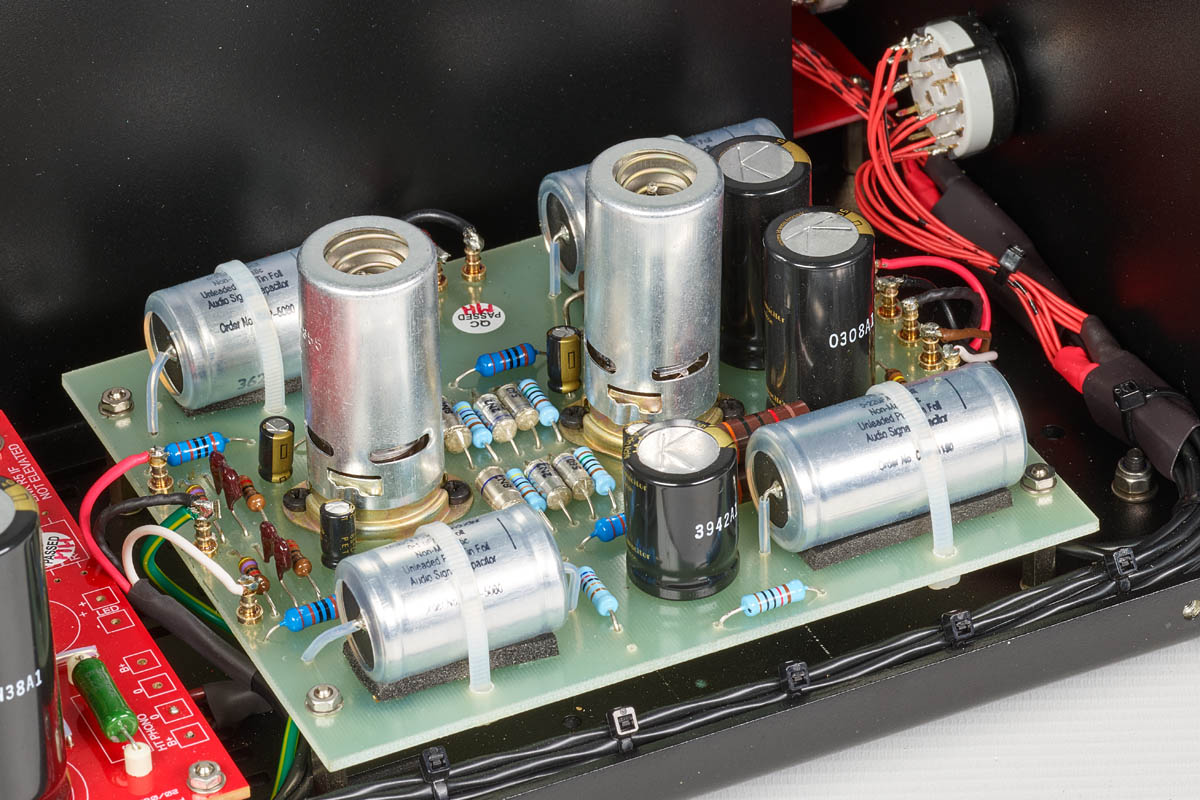
The rest of the circuitry has obviously been voiced with exceptional skill as well. There is no other explanation for why the Audio Note delivers music in such a coherent and – well – musical fashion. To experience this, one does not need the usual 180-gram audiophile demonstration records. In fact, while the Oto was in my system, I spent my time digging through my record collection for treasures I had not listened to in years, only to rediscover them through the Audio Note. Listing them all would be pointless, but one particular example deserves mention. It is the soundtrack to the cinematic masterpiece Amadeus by Miloš Forman, which vividly portrays the life and work of Wolfgang Amadeus Mozart – though not always with complete historical accuracy. Included is the Concerto for Two Pianos, K. 365. Although the two pianos were somewhat spotlighted during post-production, something the Oto does not conceal, they nevertheless integrate harmoniously into a virtual acoustic space that is fully illuminated. In other words, the little Audio Note sacrifices none of the details of spatial reproduction.
The Oto’s dynamic capabilities also surprised me. One tends to assume that large-scale musical forces and wide dynamic swings are the exclusive domain of massively powerful amplifiers. Yet these nine watts are entirely capable of impressing a listener when paired with carefully chosen speakers in a moderately sized room. A perfect illustration is the aria “Ah, tutti contenti” from The Marriage of Figaro (Act 4, Finale): despite the large ensemble, the Oto remains composed at all times, granting the soloists the space they deserve while simultaneously displaying a richness of tonal color that is characteristic only of truly fine tube amplifiers.
According to Audio Note UK’s apparently very strict criteria, its capabilities qualify only as “Level 1”? My advice would be not to take that classification too seriously. What the Oto Phono PP delivered in my home – even in an environment outside its natural habitat – was anything but entry-level performance. If it were physically possible, the musical abilities of this stripped-down, essentials-only integrated amplifier would make more expensive and significantly more powerful competing products break a sweat.
Tube Integrated Amplifier Audio Note (UK) Oto Phono PP
Concept: Tube integrated amplifier | Special features: Integrated phono preamplifier (MM), Class A push-pull design | Analog inputs: 3 × Line, 1 × Tape, 1 × Phono MM | Input impedance: 100 kΩ (line level), 47 kΩ (phono) | Tube complement: 1 × 5670, 2 × 6UA6, 4 × 6005 (phono section: 1 × ECC83, 1 × 6DJ8) | Speaker outputs: 2 × 3 (4 Ω/8 Ω), accepts banana plugs, bare wire, and spades | Output power (4/8 Ω): 9 W / 9 W | Power consumption: 100 W | Finish: Silver (aluminum) or black (acrylic) | Dimensions (W/D/H): 44 / 41 / 14 cm | Weight: 12 kg | Warranty: 2 years | Price: Around €4,980
Mafico Pro
Dorsvloerweg 897
2661 MN Bergschenhoek
Netherlands
Phone: +31 10 4148426