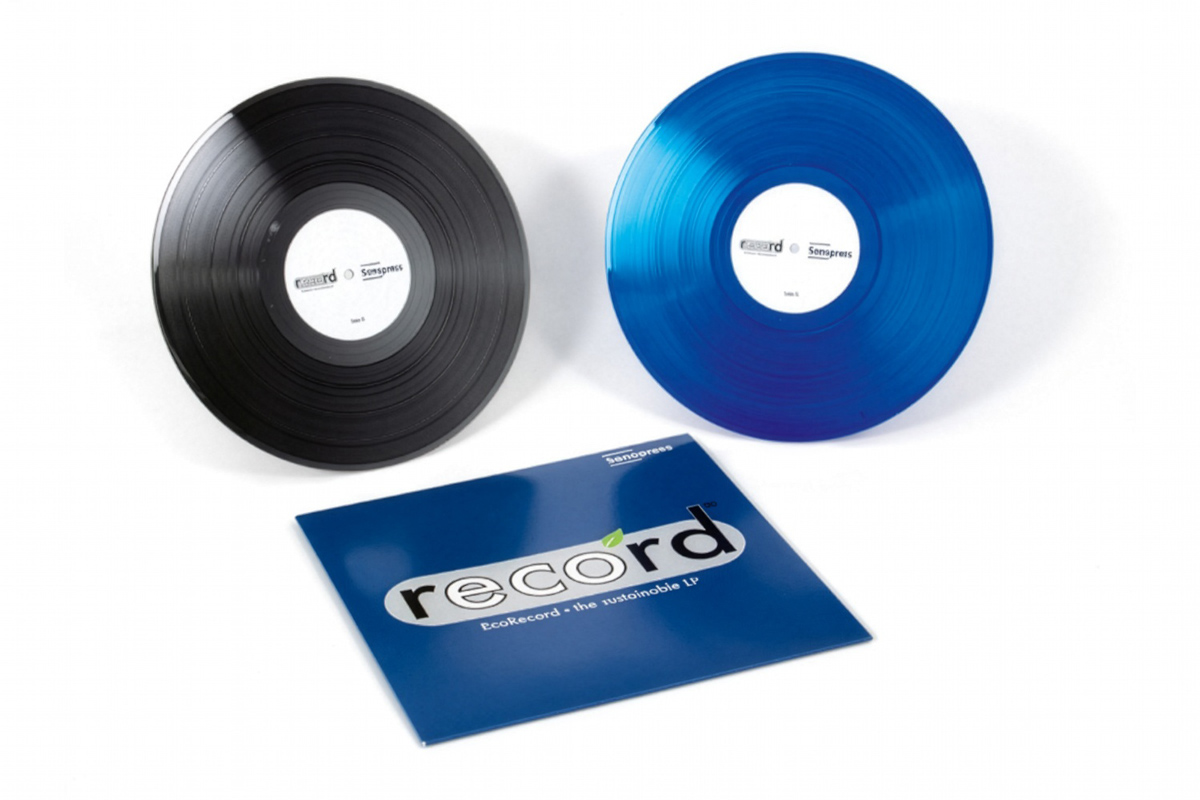
Wait, what – another eulogy for the much-loved vinyl record? The parallel to the phrase “The king is dead – long live the king!” is hard to ignore.
But the statement is only partly true: it’s correct with regard to the material, not to the LP as a medium – thank goodness! Vinyl is a material; the LP is an object (usually) made from it. So let’s not conflate things and clarify some terms and definitions lest any “experts” start spreading nonsense like “PET vinyl.”
As is well known, vinyl is a synthetic material consisting primarily of the polymer polyvinyl chloride (PVC), which has been used for many years to manufacture records. Strictly speaking, in chemical terms the word refers to the building block (monomer) ethene, also known as ethylene. When PVC is pressed into records, various additives and dyes are also used – vinyl isn’t naturally black. Traditional vinyl presses require enormous amounts of energy and raw materials, which also helps explain the rising cost of this much-cherished audio format.
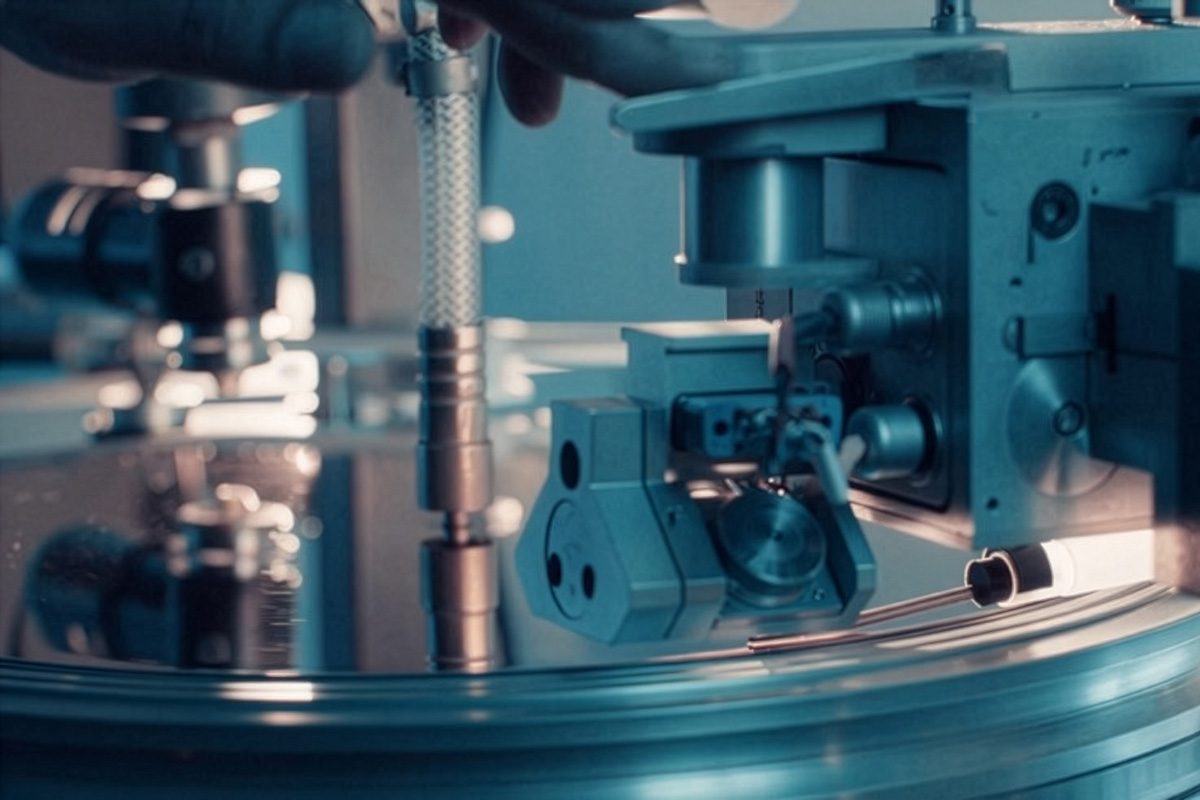
Sonopress GmbH in Gütersloh, a wholly owned subsidiary of Bertelsmann and a global leader in media production, began producing media called EcoRecord more than two years ago – the world’s first LPs made from recyclable PET polymer. PET? That’s right – the material we all know from the vast number of beverage bottles in circulation. By using this packaging material, the PET LP marketed under the EcoRecord brand helps the music industry achieve comprehensive climate and sustainability goals. The PET LP is recyclable and eliminates the need for natural gas and steam in the production process. As a result, CO₂ emissions during manufacturing can be reduced by up to 85 percent compared to conventional vinyl LPs. A study found that 69 percent of vinyl buyers would increase their consumption if records were produced sustainably, and 77 percent would even be willing to pay a premium for environmentally conscious formats.
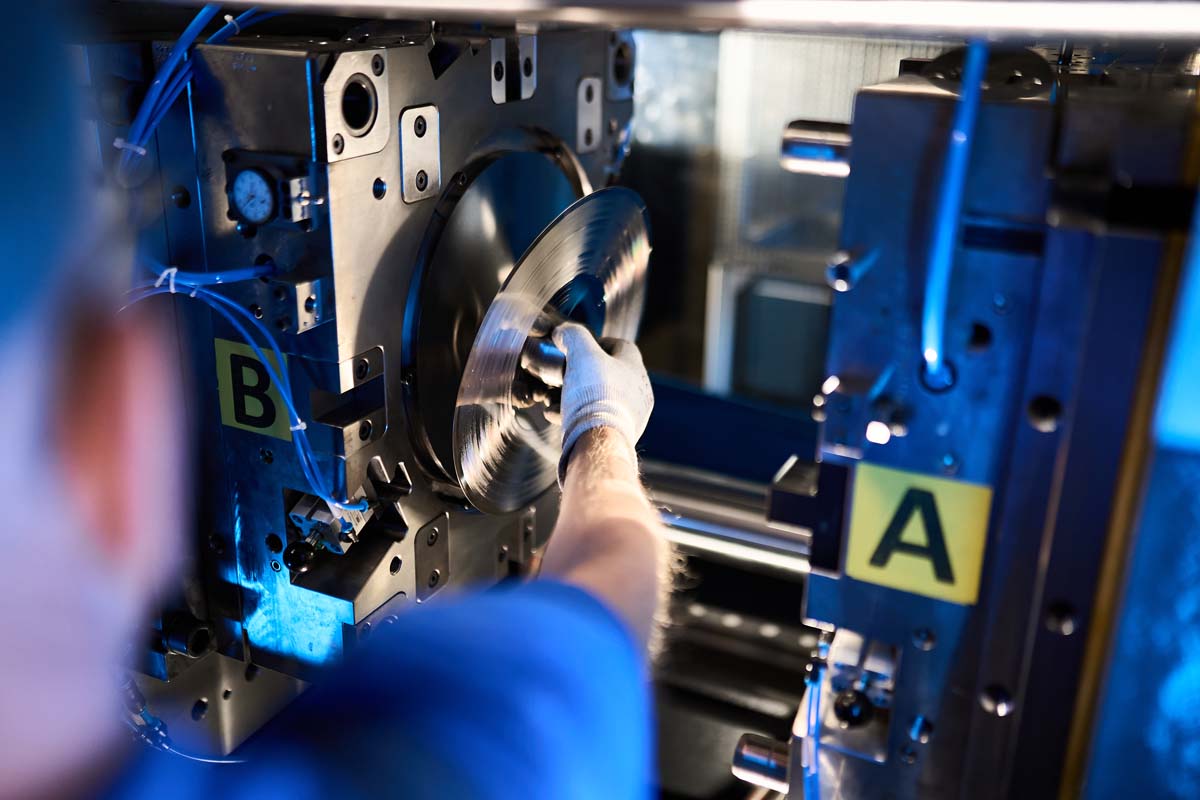
As sustainability becomes increasingly important across all industries – including entertainment – the EcoRecord offers a significantly more environmentally friendly manufacturing alternative for labels and artists worldwide. The material was specifically tailored for Sonopress’s advanced injection-molding machines, originally developed to produce optical media such as CDs, DVDs, and Blu-ray discs. Sonopress is no newcomer to the LP business – until 1992, the Gütersloh facility produced vast quantities of traditional vinyl records. However, demand dropped so sharply in the 1990s that production was no longer economically viable and was ultimately discontinued.
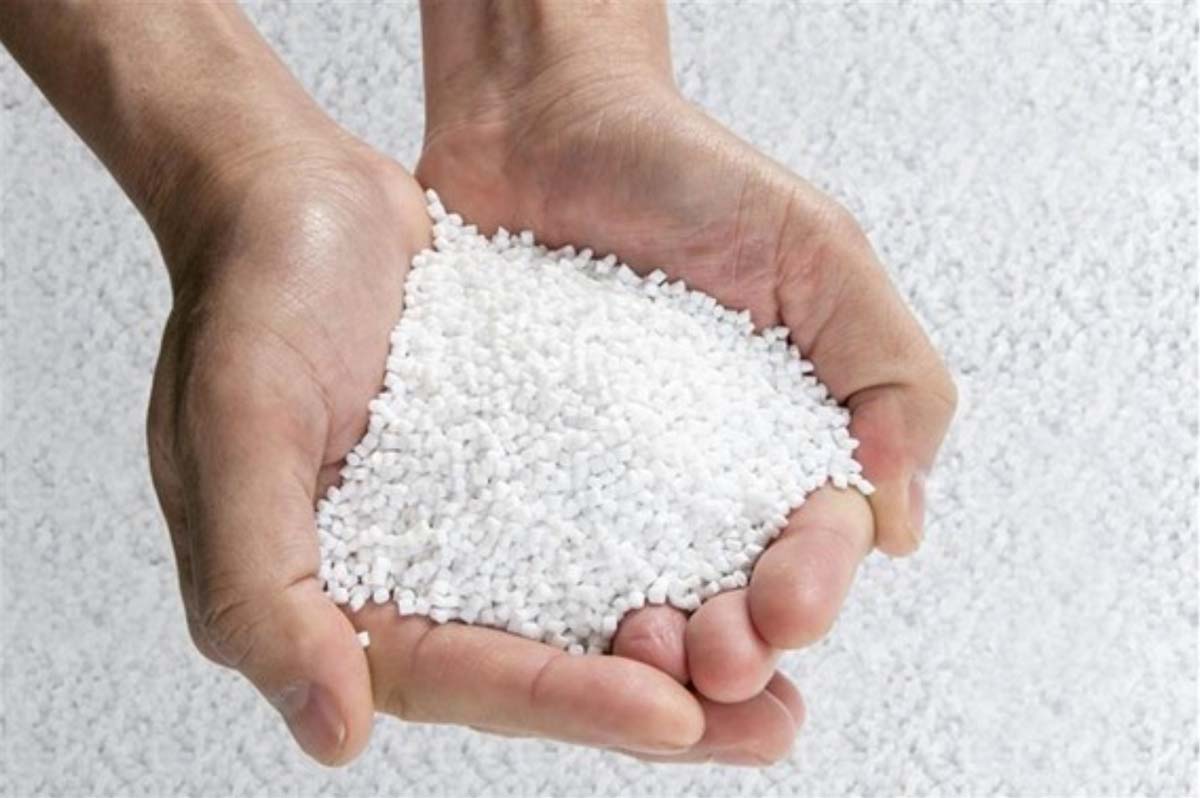
EcoRecord Production
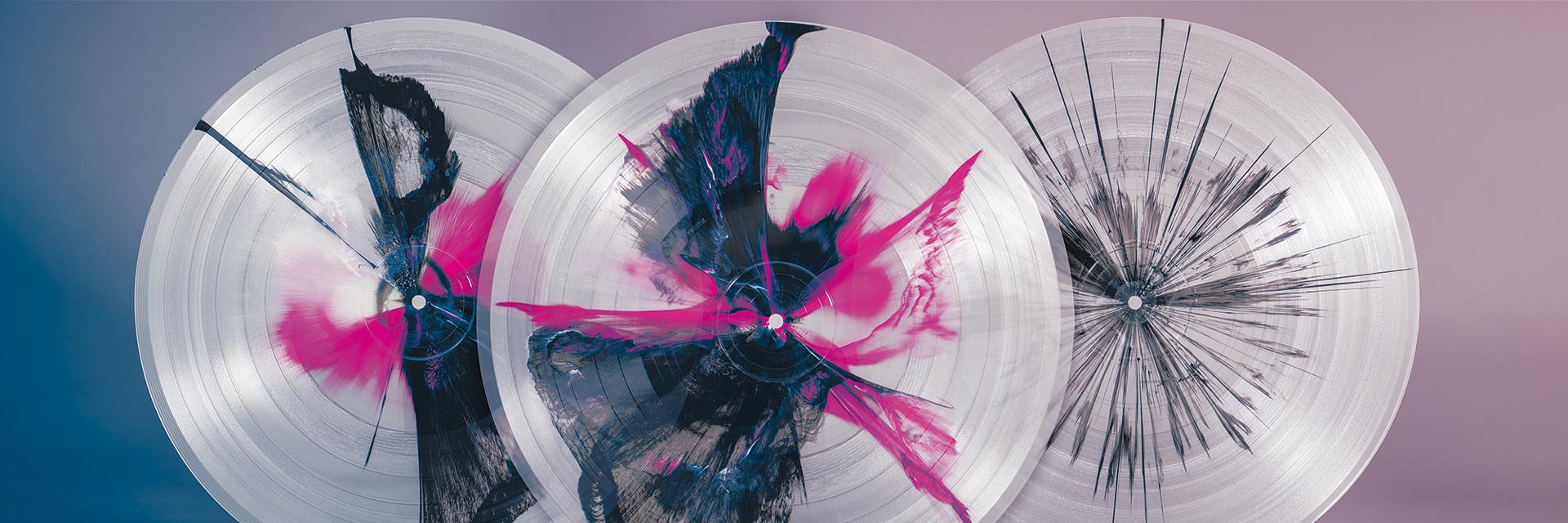
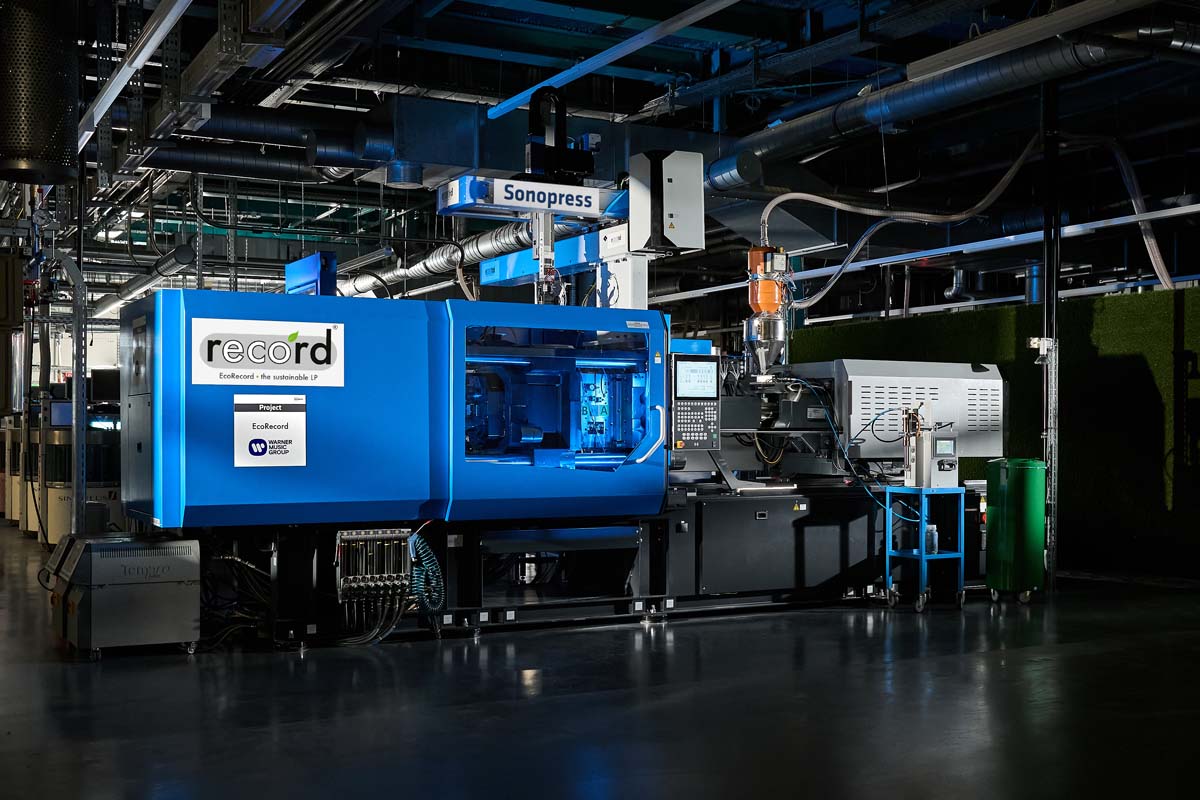
Today, three large injection-molding machines stand in the production hall in Gütersloh, manufacturing EcoRecord from recyclable polyethylene terephthalate (PET) at high speed and with clamping forces of up to 300 tons, in virtually any desired color. Customers can choose the color of their records – and almost anything is possible. “With our Inkplosion process, color pigments are individually blended into transparent PET, allowing customers to select from a wide range of colors, with effects ranging from bright and vivid to translucent and subtle,” explains Sales Vice President Jörg Pollmeyer. For precise yet creative implementation, Sonopress has developed a novel automation system that controls the mixing of colors and pigments while still allowing room for individuality. As mentioned, energy consumption is 85 percent lower than with conventional vinyl production. The 100 percent recycled PET – or alternatively virgin material (new, non-recycled plastic) – also delivers outstanding sound quality, putting every mastering engineer’s skills to the test. No more quick-and-dirty mixes thrown together on a laptop and checked on tiny studio monitors – those won’t cut it anymore. If you deliver a muddy mix, that’s exactly what you’ll hear. But those who put in the effort and have the necessary skills will be rewarded with top-tier sound.
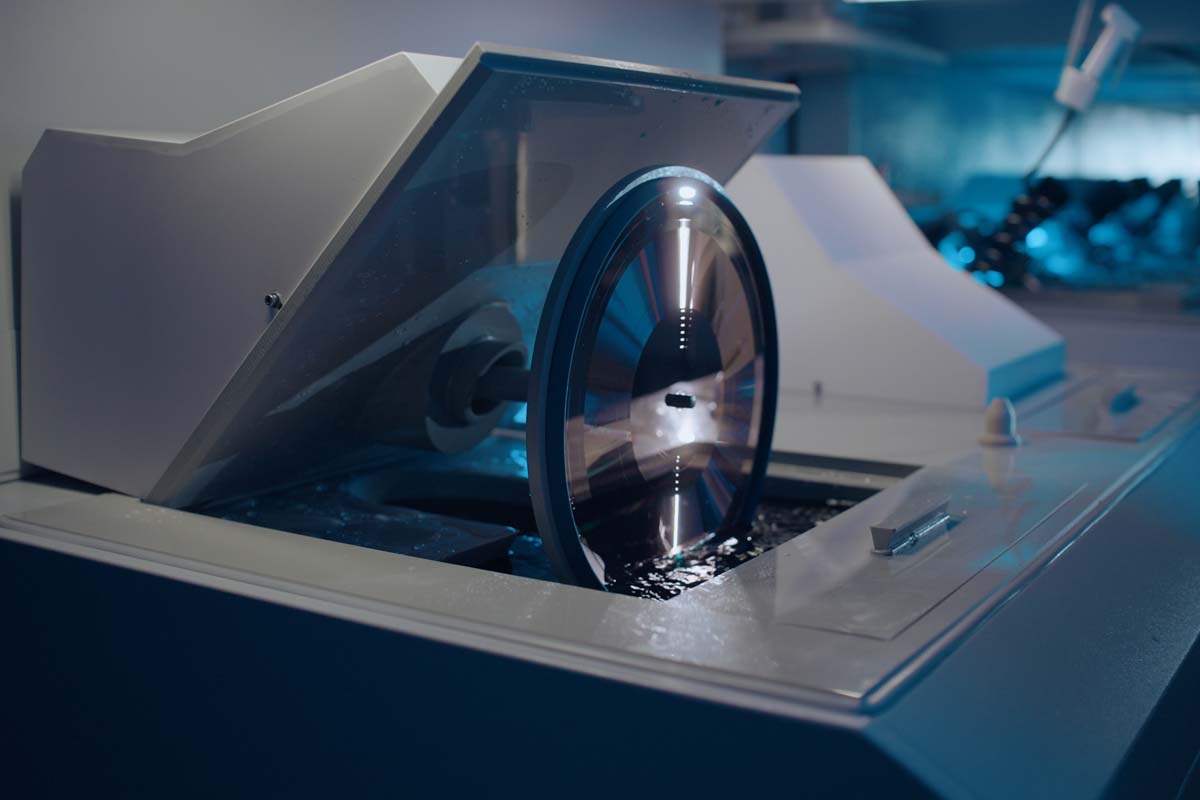
We were sent two PET EcoRecord LPs for listening: Prehension, a release by Dutch composer and pianist Joep Beving on Deutsche Grammophon, and a jazz album – a live recording by Dexter Gordon from 1981, More Than You Know. Both records are black and, first things first, went into my record-cleaning machine. As soon as the Beving LP hit the platter of my main turntable, the remarkable smoothness of the perfectly flat record (!) immediately drew me into a very focused listening experience.
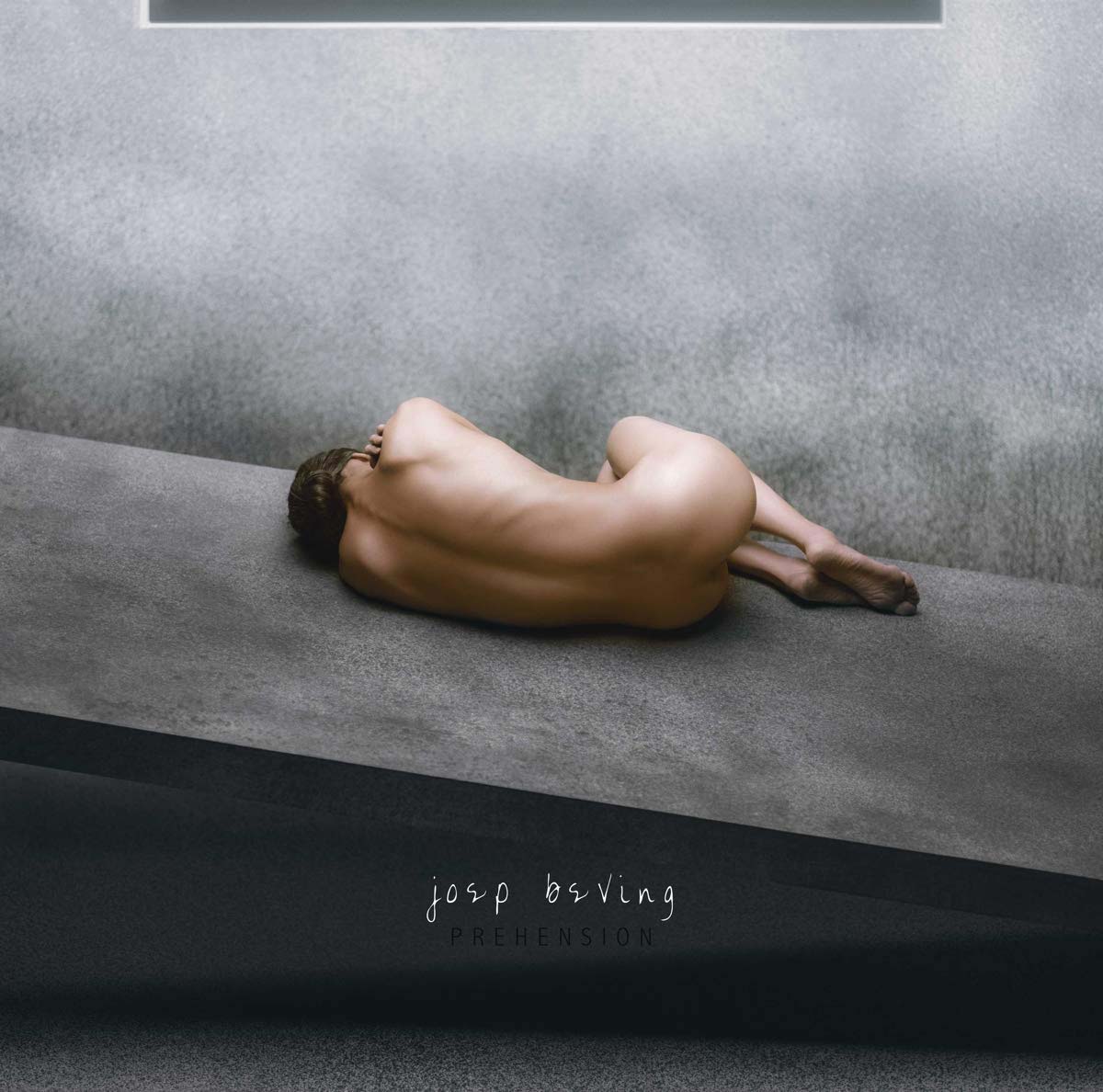
While playing the PET LP by the Dutch pianist, I initially noticed dissonant background noises I couldn’t quite place. Then it hit me – it was the piano’s hammer mechanism, audible as the keys were struck! The recording engineer had probably (out of habit) placed a microphone a bit too close to the instrument’s mechanics – and the new PET medium reveals it instantly. Excellent – finally an LP material with superb sonic properties that can also be produced in an exceptionally sustainable way.
With the jazz record, it was immediately clear that it had been recorded and mixed in a classic analog fashion back in 1981. This new LP material reproduces sound sensationally well, and for a precise evaluation I now need an outstandingly recorded LP.

You can always find something like that at Stockfisch Records… As luck would have it, the label released Katja Werker’s new album An seidenen Fäden this month, and this recording showcases the excellent sonic capabilities of PET EcoRecord in a uniquely engaging way that left me thoroughly impressed – but that’s a story for another day.