
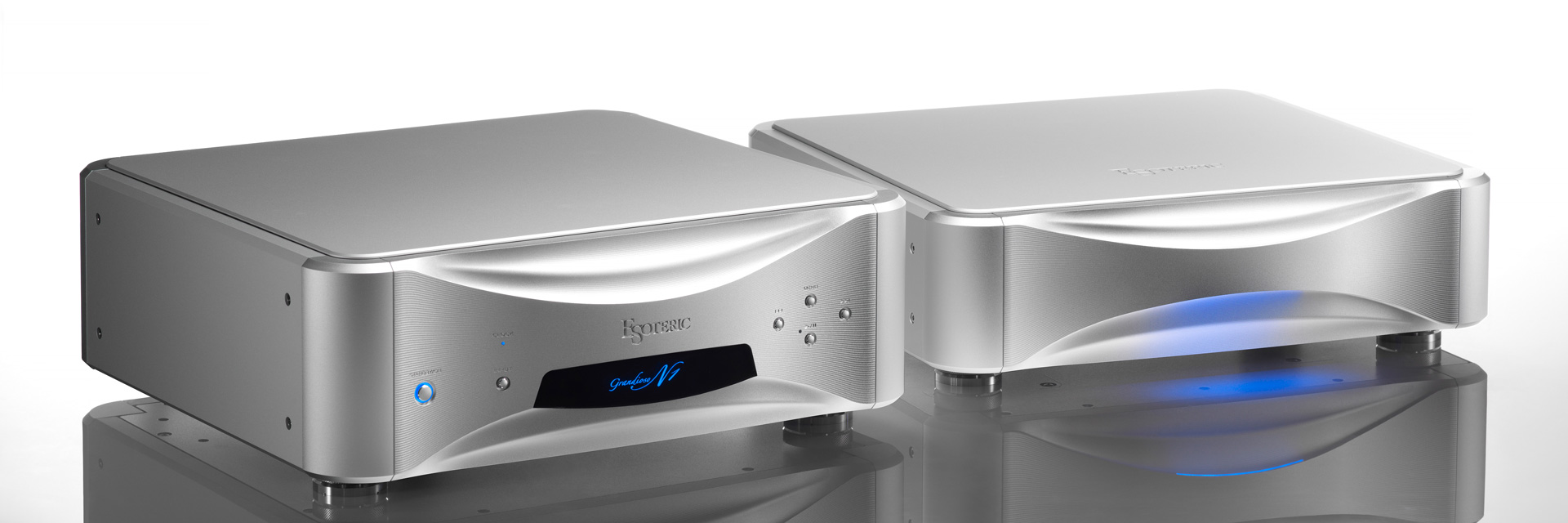
Esoteric’s Grandioso N1 network player demonstrates what luxury means in the digital age.
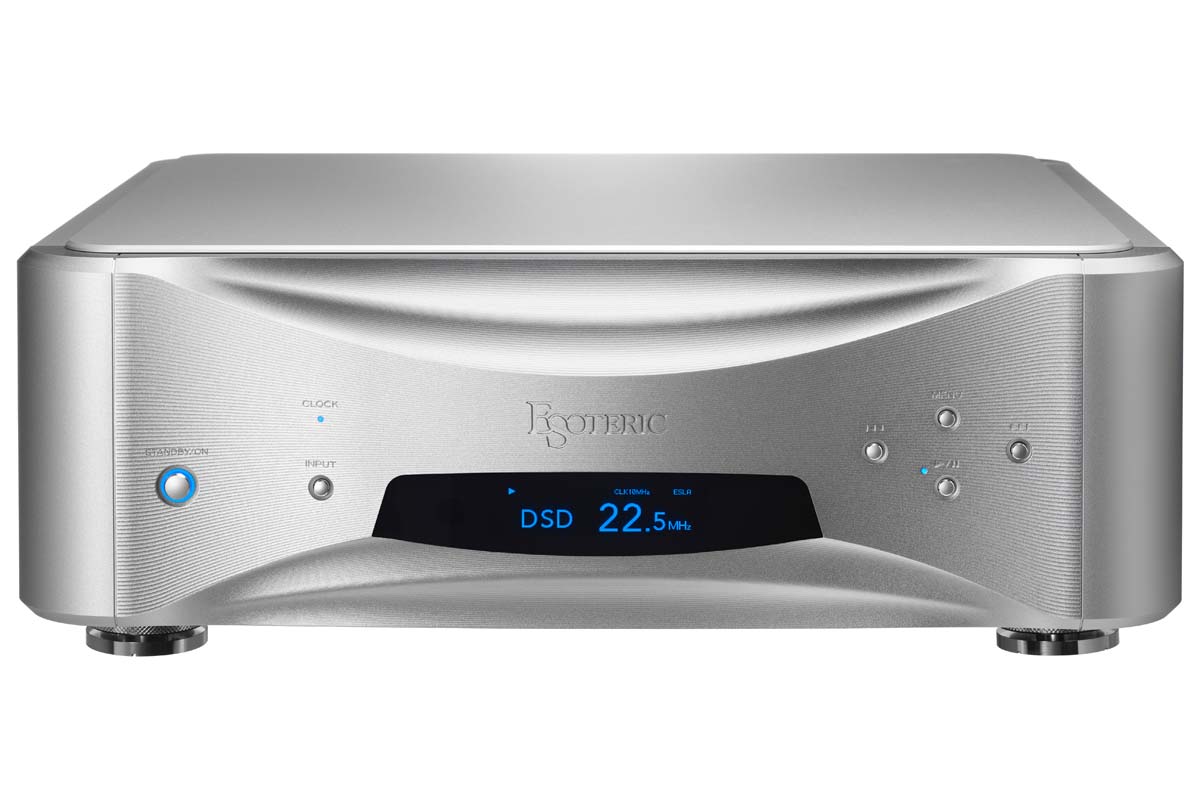
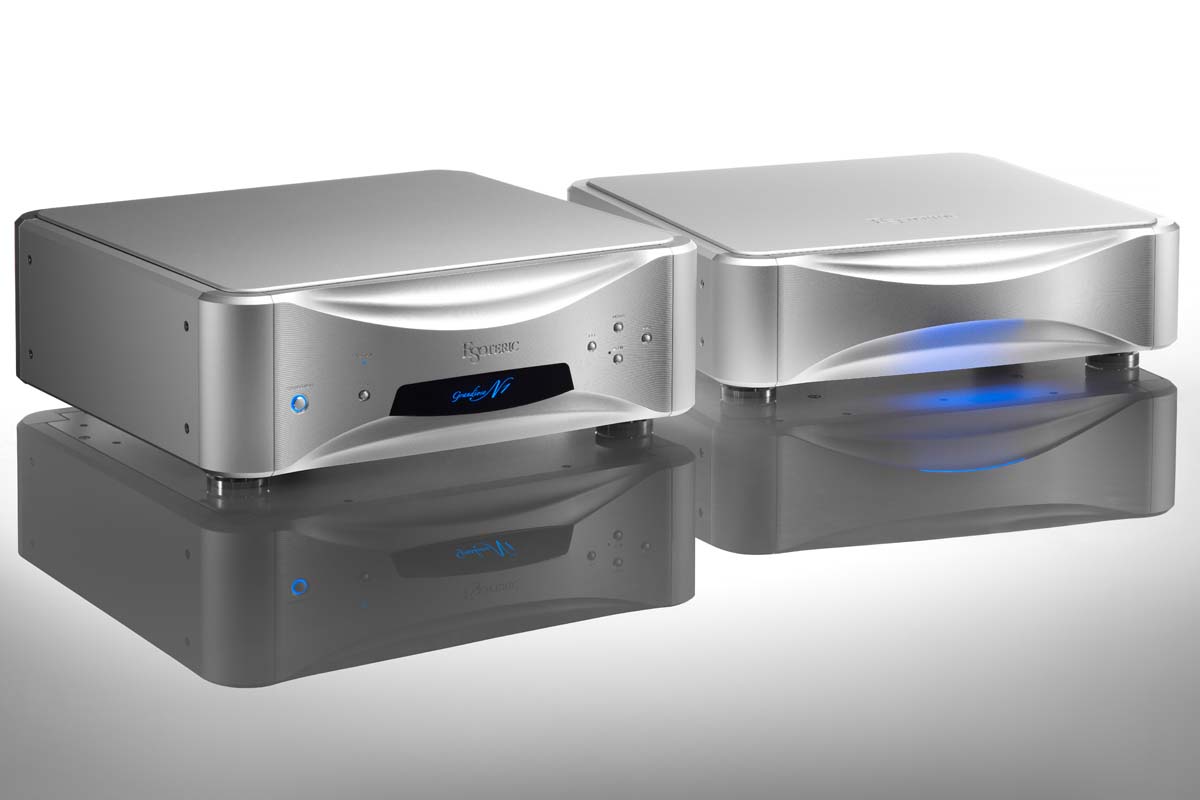
Yes, this is what a digital high-end component should look like! No computer-like appearance, no Cupertino-inspired design, but a vault-like edifice that reassures us our digital music files are in the safest possible hands. By now, we’ve grown accustomed to streamers that look more like gadgets than high-end audio components, sport colorful graphics on their displays, and conceal countless submenus beneath the hood. Against that backdrop, the Esoteric Grandioso N1’s nearly 30 kilograms of sheer physical presence come as a welcome relief. With its imposing mass, it seems to murmur with unshakable conviction: No need to get worked up; outstanding music reproduction requires nothing more than a focus on the essentials. And to help us quickly get acquainted with those essentials, Esoteric gives us something so rare these days that I consider it genuinely worth mentioning: a printed, multi-page, stapled owner’s manual written in clear, comprehensible language. In an age of ubiquitous QR codes and poorly translated quick-start guides, I believe this deserves a sentence of its own.
Intelligent Engineering
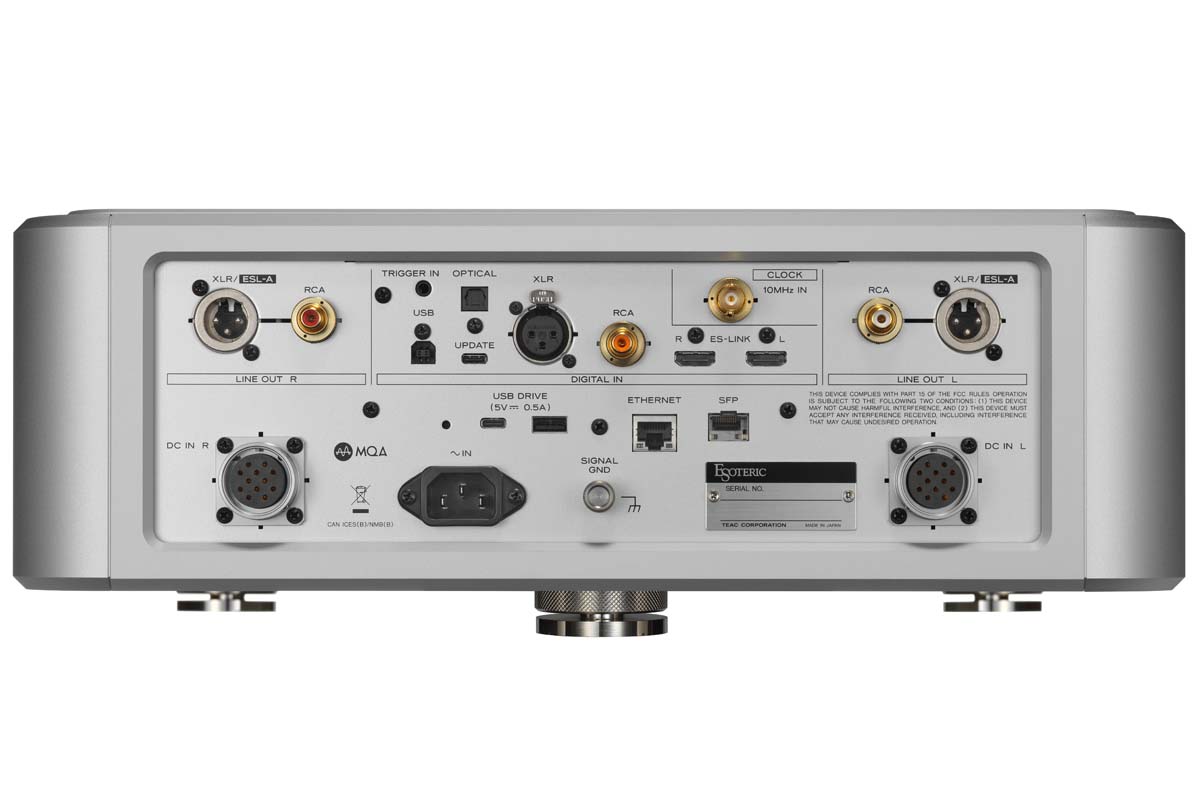
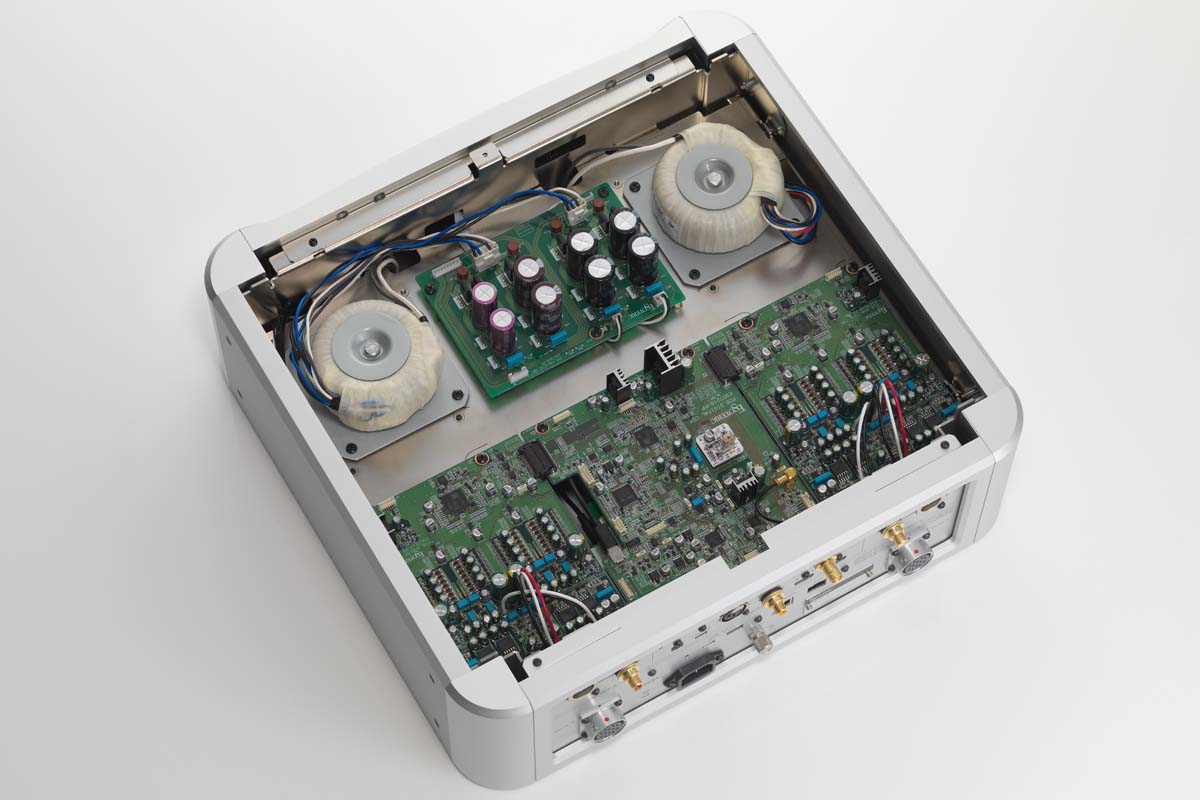
A look at the N1’s design reveals no real surprises, just state-of-the-art engineering of a kind that has become increasingly rare in the fast-moving streamer market: A multilayer chassis shields the individual circuit sections from one another. The semi-floating top panel complements the mechanical architecture, while specially developed isolation feet are designed to minimize the effects of external interference. A detailed discussion of the extensive connectivity would exceed the scope of this article. Besides, we’re primarily interested in the sonic performance of this Japanese powerhouse, so we’ll keep things simple: network cable in, balanced analog XLR cable out, straight into the active Lyravox Karlos speakers. Done! The player is controlled via Esoteric’s Sound Stream app, which deserves all the praise one can give it, especially if, like me, you use a NAS drive at home as your primary music library.
Integrating the player into the network is quick and trouble-free, the interface is clean and intuitive, and access to individual albums and tracks is fast. I wouldn’t bother listing these seemingly self-evident virtues if I hadn’t already installed numerous control apps on my tablet, many of which have proved considerably more temperamental and, in some cases, downright dysfunctional.
Everyday Listening for the Discerning Audiophile
I firmly believe that digital source components must prove their sonic worth straight out of the box, using their standard settings and without resorting to filter experiments, upsampling and oversampling options, or conversion tricks. After a brief warm-up, I therefore fed the N1 a few unassuming, if carefully chosen, 16/44 files. Black Saint and Soul Note are two Italian jazz labels that played particularly important roles in avant-garde, free, and modern jazz. Founded in 1975, Black Saint was associated primarily with experimental, radical forms of the music, while Soul Note, launched in 1979 as its sister label, pursued a somewhat broader and occasionally more accessible approach. Both labels have one thing in common: Their LPs remain coveted collector’s items to this day, thanks to their exceptional dynamic range and sonic richness. Their entire back catalogs are now available in digitized form on Bandcamp, albeit only in 16/44 resolution. What the N1 coaxes from these files without any upsampling makes the hunt for original vintage LPs seem entirely unnecessary. Whether Billy Harper’s ferocious tenor saxophone threatens to overwhelm you or Don Pullen’s cascading keyboard figures remind you that a piano is, in a sense, also a percussion instrument, the music emerging from these ones and zeros unfolds with complete naturalness, without even the slightest suggestion of intrusive digital artifacts. The Esoteric N1 makes a compelling case for the notion that a streamer’s true quality is revealed not by its ability to reproduce supercharged hi-res files, but by how convincingly it handles the everyday fare of minimally processed recordings.
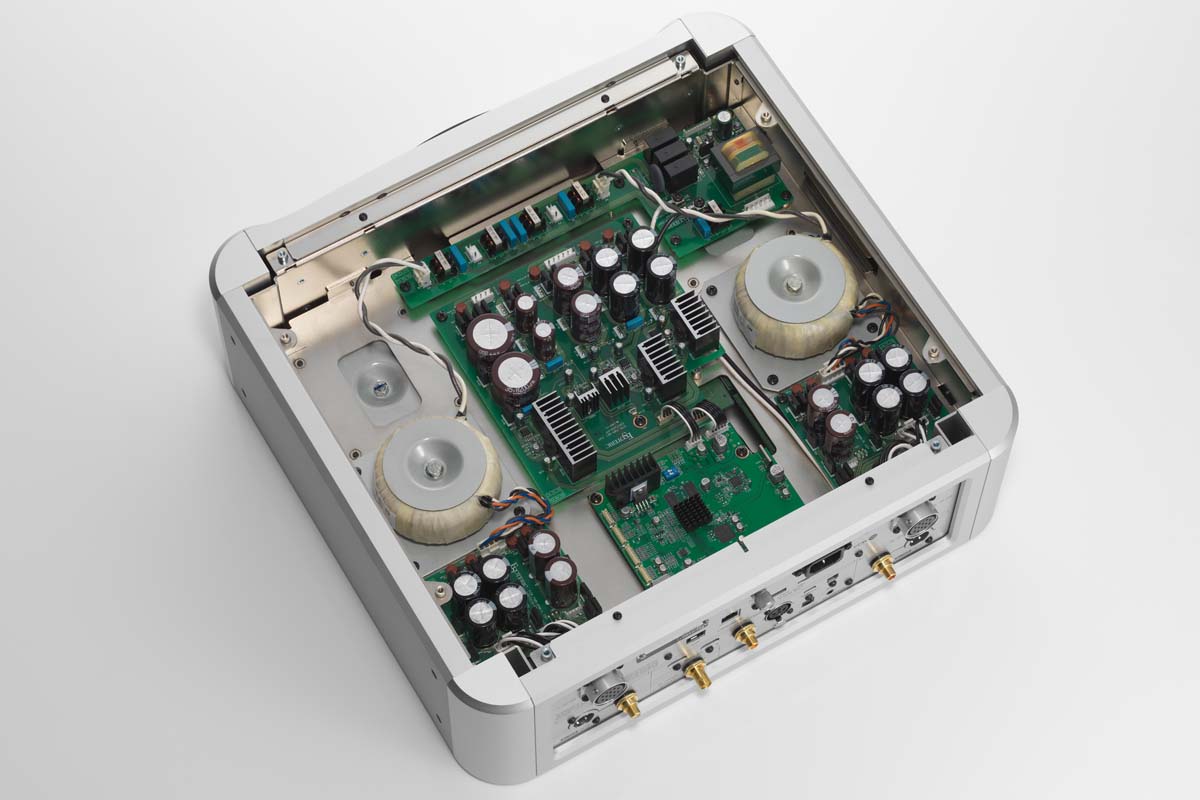
But what, technically, accounts for this involving performance straight out of the box? Esoteric’s distributor is quick to point to the Grandioso series’ fully in-house design, including the proprietary development of every technical detail, all in keeping with the company’s guiding philosophy: Why settle for less? At the heart of this machine is the Esoteric Network Engine G4, the company’s fourth-generation proprietary network platform. It supports native DSD up to 22.5 MHz and, alongside its LAN connection, offers an SFP port for optical data transmission, galvanically isolating the player from the home network. Digital-to-analog conversion is handled by the Master Sound Discrete DAC G2. Esoteric builds this FPGA-based multilevel delta-sigma converter entirely from carefully selected components. The manufacturer applies a comparable level of attention to the power supply: Five independent linear power supplies separately feed the dual-mono DACs, network module, digital audio section, and microcomputer. There is also a discrete DC voltage regulator with low negative feedback.
For those seeking to take things further, the Grandioso N1 can be paired with the external Grandioso PS1 power supply. Esoteric also adheres to its longstanding preference for proprietary solutions when it comes to clocking. The internal Master Sound Discrete Clock serves the digital player section, while the Grandioso N1 additionally supports 10 MHz clock synchronization and operation with the Grandioso G1X master clock. It should come as no surprise, then, that the N1 handles just about every format the digital universe has to offer: DSF, DSDIFF, FLAC, ALAC, WAV, AIFF, MQA, MP3, and AAC, along with Tidal, Tidal Connect, Qobuz, Qobuz Connect, Roon, and Spotify.
No Gimmicks – Just Music
Esoteric also avoids unnecessary bells and whistles, which can do little to disguise shortcomings in the underlying engineering and serve only to distract the true connoisseur from the pursuit of musical enjoyment. Need an example? Here you go: Are you still fiddling with filters, or are you actually listening to music? Borrowing the slogan of a Scandinavian furniture retailer, that might be an apt way to frame the trials and tribulations of digital filtering. It’s not uncommon to see audiophiles in utter despair cycling through half a dozen filters, even though their relative merits are rarely apparent in quick comparisons and tend to emerge, if at all, during extended, largely unconscious listening sessions. Esoteric takes a refreshingly sensible approach, offering just two modes: its proprietary RDOT filter, which proved genuinely useful with certain recordings, and a less conspicuous FIR filter. For my part, it quickly became clear that RDOT was the one to leave engaged for everyday listening. The frequency extremes of digital playback often call attention to themselves, particularly on many remasters released over the past 10 to 15 years. With RDOT filtering engaged, the files take on a more integrated character. The bass, in particular, blends more naturally with the rest of the sonic picture, sounding a little smoother and less like a distinct, blocky element. One colleague summed it up this way: “Sounds like vinyl.” Perhaps that impression goes a little too far, but at least, in that moment, the question of how we’re listening to music – digitally or analog – is rendered entirely irrelevant. We’re simply immersed in the here and now of the music. Anyone still pondering the technicalities of playback at that point probably needs a little help reconnecting with the music itself. For those who are curious, Esoteric describes this filter as employing a gently sloping response and a specialized analog interpolation method. The option to convert PCM signals to DSD also proved useful, occasionally imparting a certain SACD-like quality. As with any digital conversion process, filtering technique, or other intervention, however, there’s an important caveat: No blanket conclusions can be drawn. The results always depend on the specific files in question and, above all, on the system as a whole.
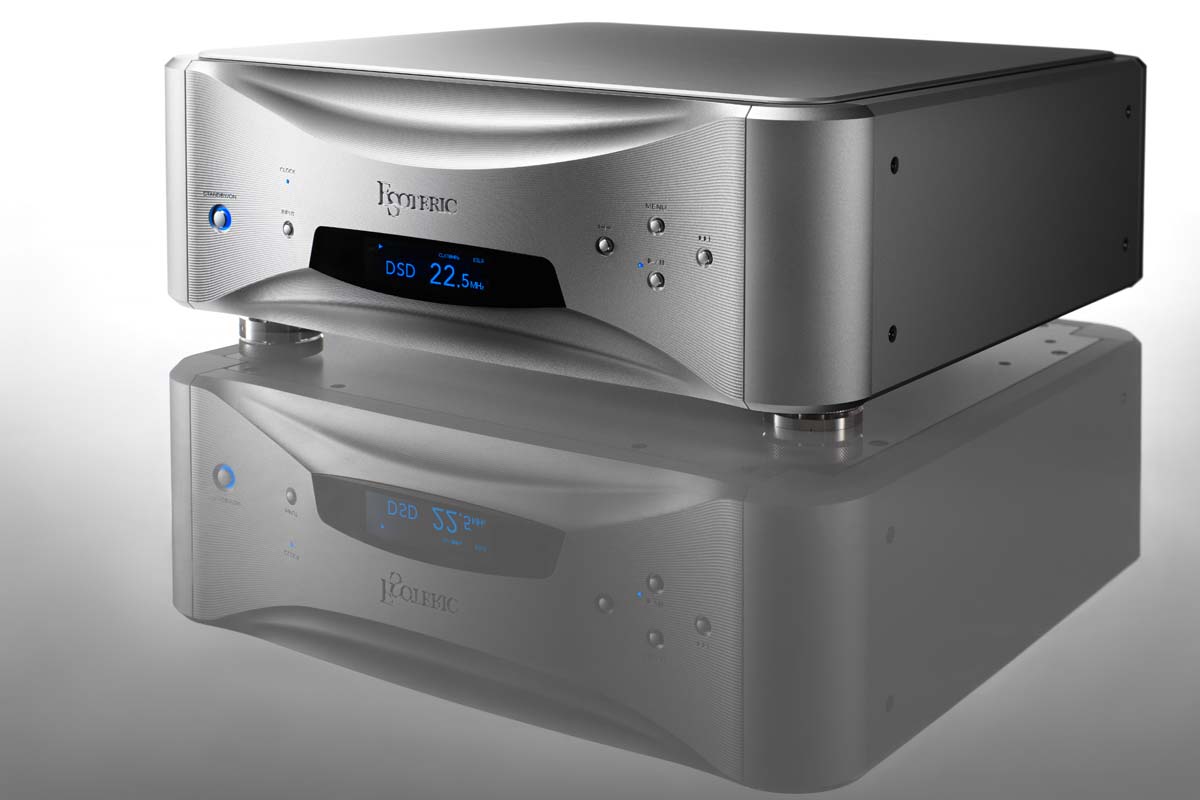
As with the F-01 integrated amplifier, Esoteric’s Grandioso streamer embodies the company’s take on the “supercar principle.” Uncompromising in its build quality and sound, technically state of the art, yet straightforward to operate, it combines sleek styling with an overall aesthetic that remains reassuringly traditional and substantial. After several weeks of listening, the Grandioso N1 leaves us with a clear conclusion: Yes, it still exists – luxurious high-end audio for the old-school connoisseur.
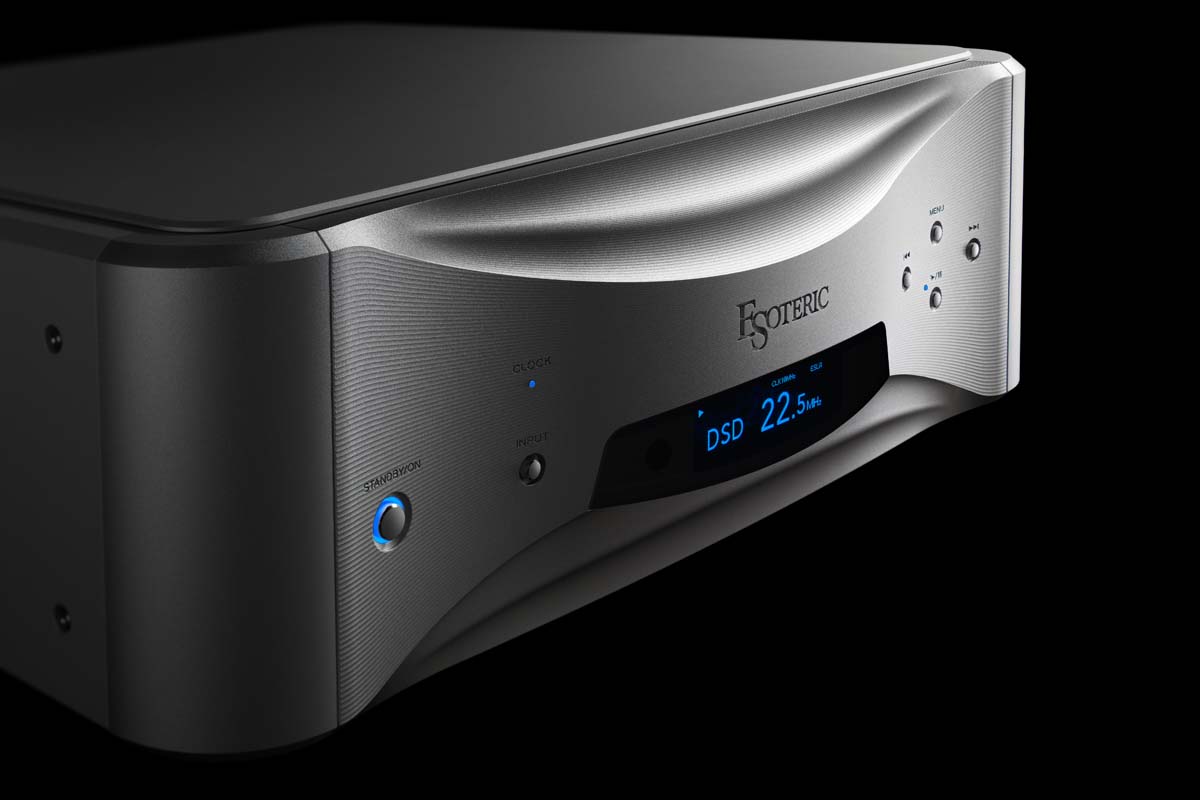
Network Player Esoteric Grandioso N1
Design: High-end network player with uncompromising construction and integrated D/A converter | Supported File Formats: FLAC, ALAC, WAV, AIFF, MQA, DSF, DSDIFF (DFF), DoP, MP3, AAC | Sampling Rates: 44.1 to 768 kHz at 16/24/32 bits (PCM); DSD from 2.8 to 22.5 MHz | Network: Ethernet, SFP | Digital Inputs: ES-Link, XLR (AES/EBU), RCA (S/PDIF), optical (Toslink), USB | Analog Outputs: XLR, RCA | Power Consumption: 38 W (standby: 0.3 W) | Finish: Natural aluminum | Weight: 27.8 kg | Dimensions (W/H/D): 45/16/45 cm | Warranty: 2 years | Price: Approximately €43,000
Distributor in Germany: Aqipa
Möslbichl 78
6250 Kundl
Austria
Phone +43 5332 723000
info@aqipa.com