
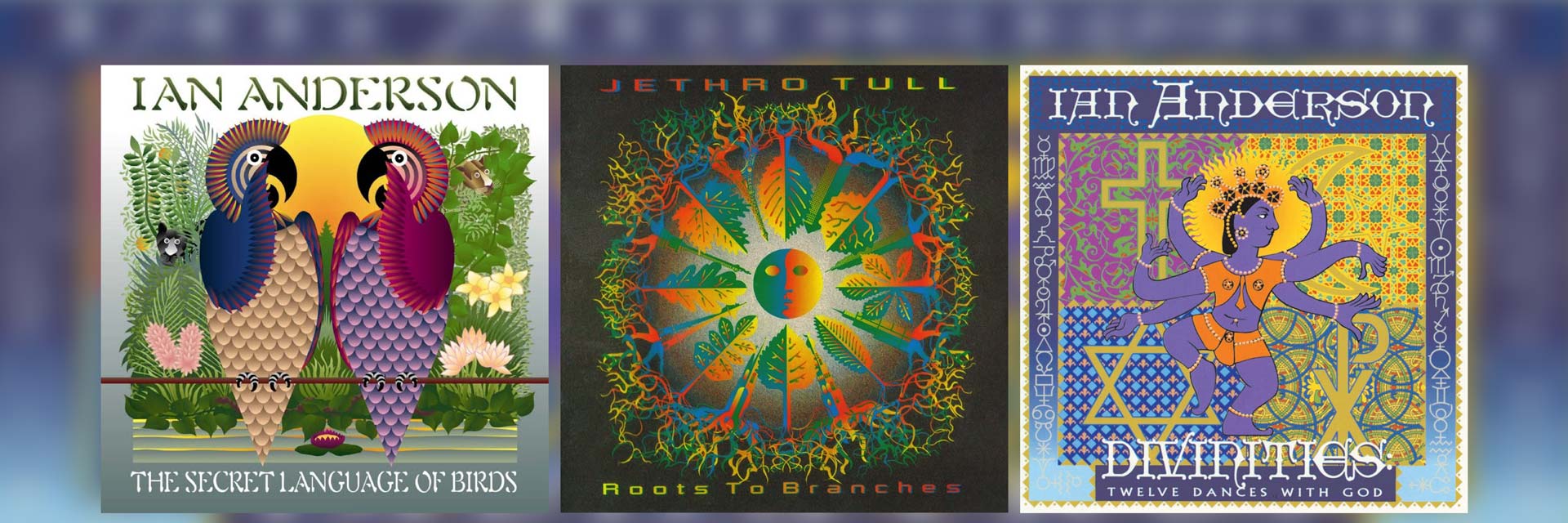
The band Jethro Tull became famous for the instrument he played: the flute. Since 1968, Ian Anderson has been the “Pied Piper” of the rock world. But in the mid-1990s, he reinvented himself once again.
Originally, he played electric guitar – but not well enough to meet his own standards. “When I heard Eric Clapton, I knew I could never compete with him,” Ian Anderson recalls. “And I didn’t want to be a third-rate guitarist. I’d rather do something that was a little unconventional.” So he simply picked up another instrument – almost by chance, a flute. At first, Anderson says, he couldn’t produce a single sound on it. But once, after several months, he finally figured out how to blow into it properly and managed to produce the first five notes, he immediately used the flute in concert. In 1968, his band Jethro Tull was the only blues and rock band around with a flutist in its lineup. And the notes Anderson couldn’t yet play, he simply sang, sputtered, or hummed – “that also sounded more powerful and aggressive.” Thus his very own flute style was born: “I played the flute as if it were an electric guitar. It worked because I had never had any flute lessons.”
More than 20 years later, Anderson’s daughter learned to play the flute at school. She pointed out to her father, the world-famous rock flutist, that he wasn’t using the correct fingerings. Some time later, while sitting alone in a hotel in Mumbai, Anderson decided he should finally take a look at a flute fingering chart – he had one faxed to him from London. “I realized that half the fingerings I was using were incorrect. I had been playing the flute wrong for 25 years.” Anderson had some time to spend in India and taught himself the correct fingerings. He then learned to play all of his songs – hundreds of them! – using the new fingerings. And because he had been impressed by the Indian bansuri players, he subsequently switched to a concert flute with open holes (ring keys). “They give me the ability to bend and slide between notes, the way Indian flutists do.”
At 45, rock star Ian Anderson reinvented himself completely as a flutist. The first people to recognize this were those in EMI’s classical music department. They commissioned Anderson to make a flute-oriented recording that would fit into their classical catalog. The result was Divinities (EMI, 1995), Ian Anderson’s first instrumental album.
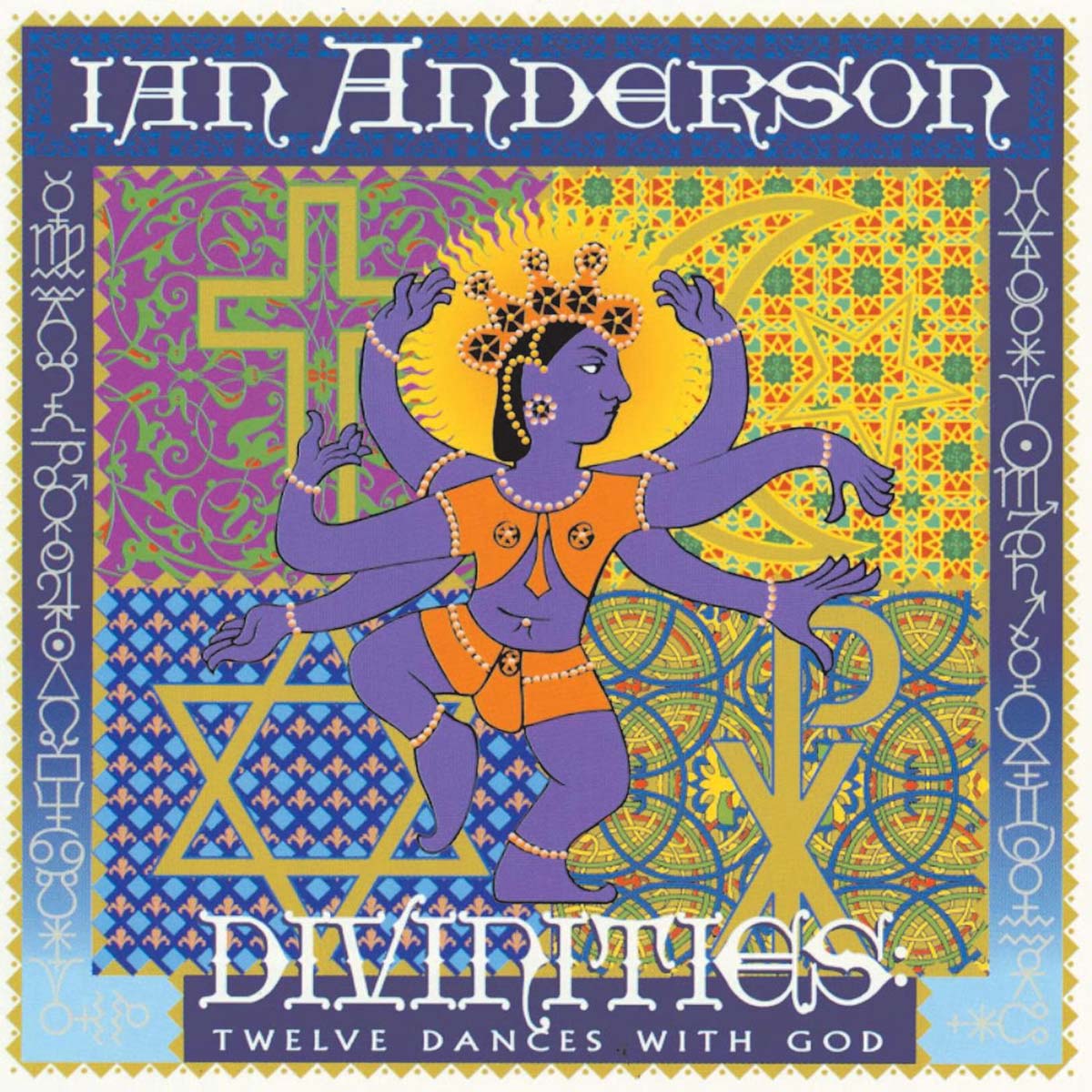
He admits that it made him a little nervous to put the flute so much at the center of the music – and to add the expectations of a classical production. He recorded twelve pieces inspired by various religions and musical cultures. The music draws on Celtic, Middle Eastern, Indian, African, and Spanish traditions. Andrew Giddings plays all the keyboard instruments as well as a synthesized, digital “orchestra.” There are also several guest soloists on violin, cello, harp, oboe, and so on. The whole thing is a reasonably tasteful mishmash of world music, New Age, and pseudo-classical music. But that radiant, virtuosic flute! Could this really be Ian Anderson?
Just four months later, a new album by Anderson’s rock band Jethro Tull appeared: Roots to Branches (Chrysalis, 1995). And there they were again: the exotic Indian influences and the dominant, dazzling flute!
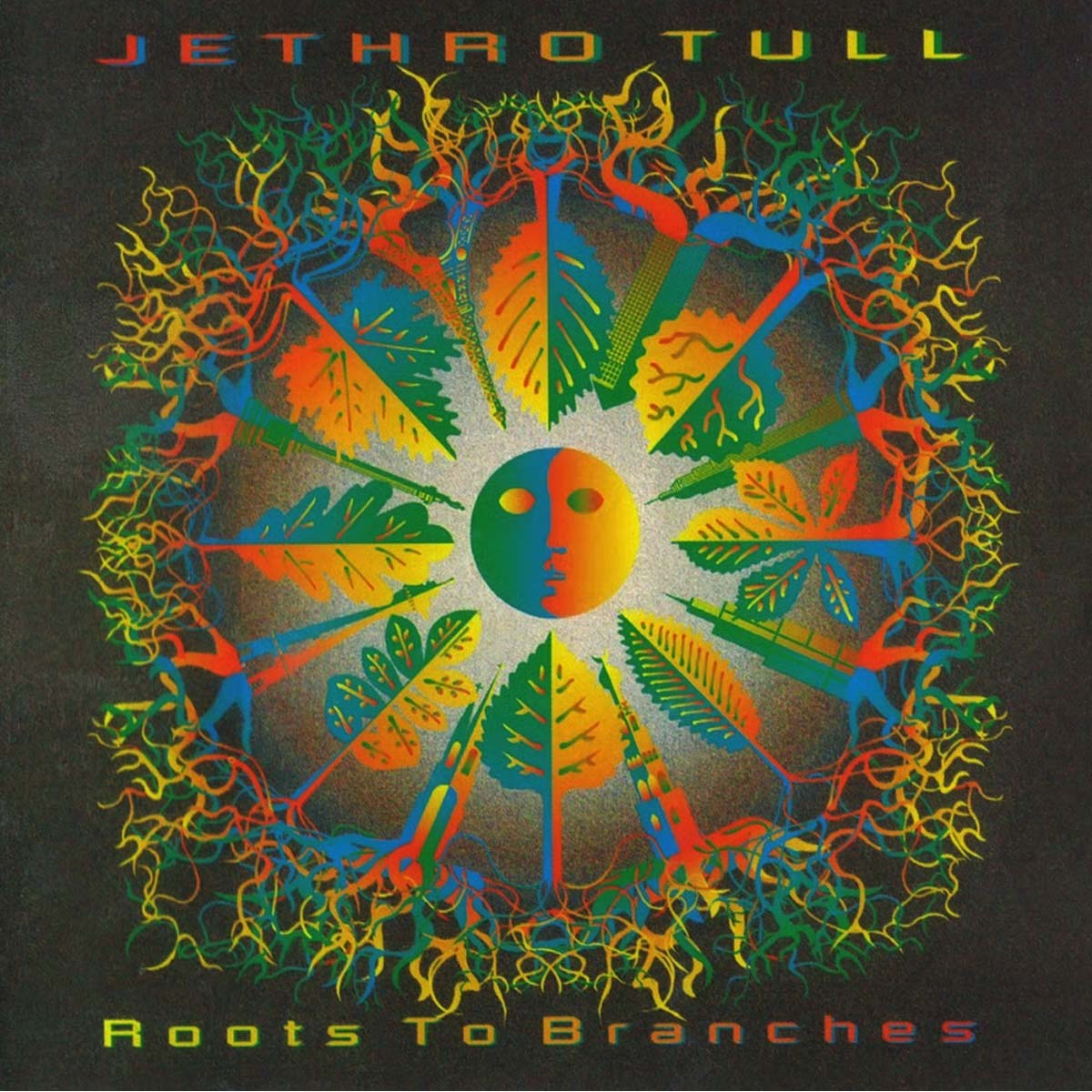
There are Middle Eastern-inspired vocal melodies and rock riffs, along with “imitated” Bollywood strings, exotic percussion, and Ian Anderson playing several different “open” flutes. His playing sounds brighter and cleaner than ever, technically elegant and ornamented with intricate microtonal flourishes. Critics spoke of his “new vision” and called it an “Indian Songs from the Wood” (Songs from the Wood was Jethro Tull’s 1977 folk-rock album). Ian Anderson preferred to call the new album “the ’90s version of Stand Up,” the early Tull classic. “There were Eastern influences even back then.”
Compared with the rock-infused Roots to Branches, Ian Anderson’s solo album The Secret Language of Birds (Roadrunner, 2000) is a much more intimate, acoustic affair.
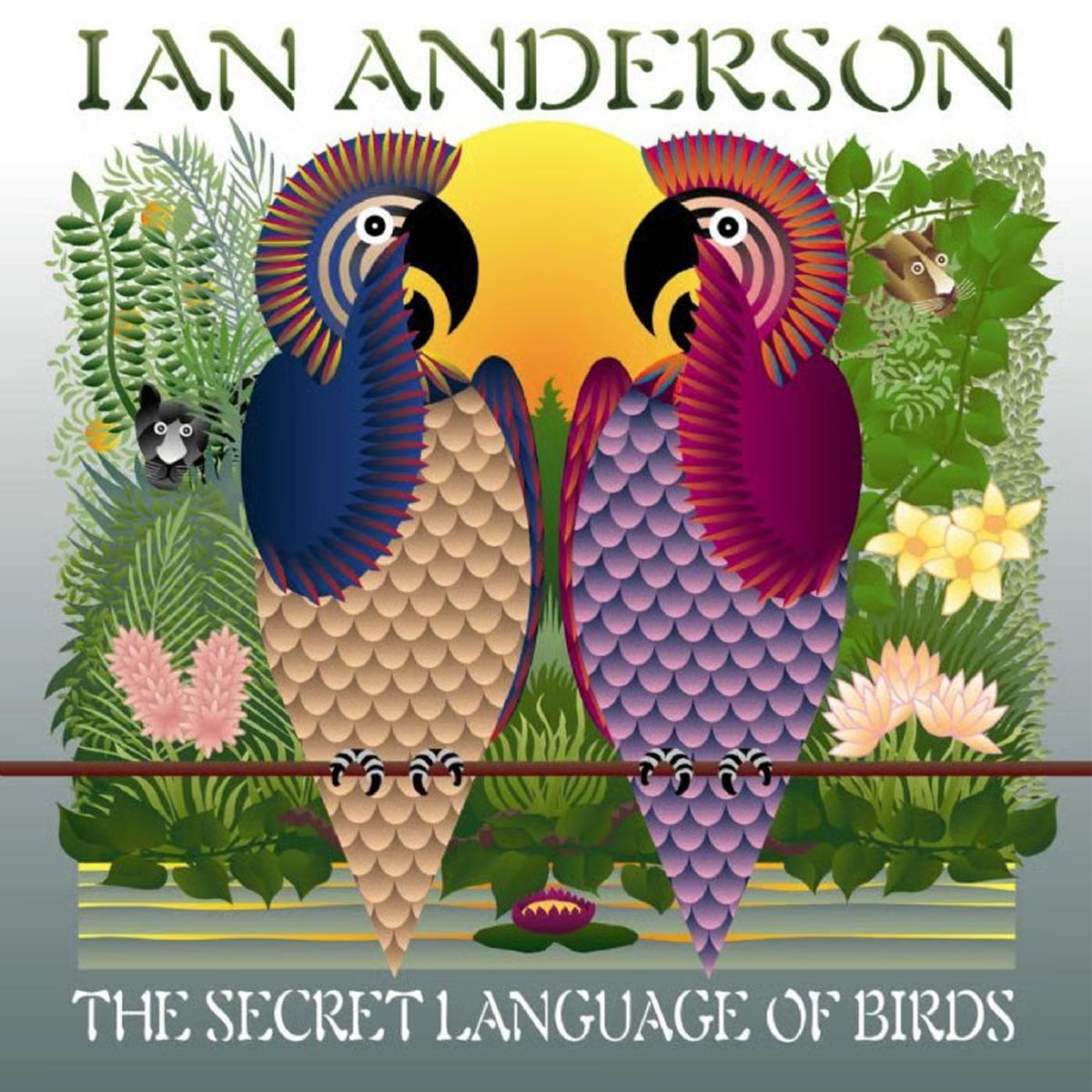
Yet this side of Ian Anderson had always been part of Jethro Tull’s style as well: poetic songs featuring plenty of acoustic guitar, bouzouki, or mandolin – and, of course, the flute. The lineup here is essentially Jethro Tull, only without the heavier rock elements. Celtic and Middle Eastern influences flow into one another. Fifteen melodically mature songs and some triumphant flute playing. No wonder Anderson feels close to the language of birds on this album.