
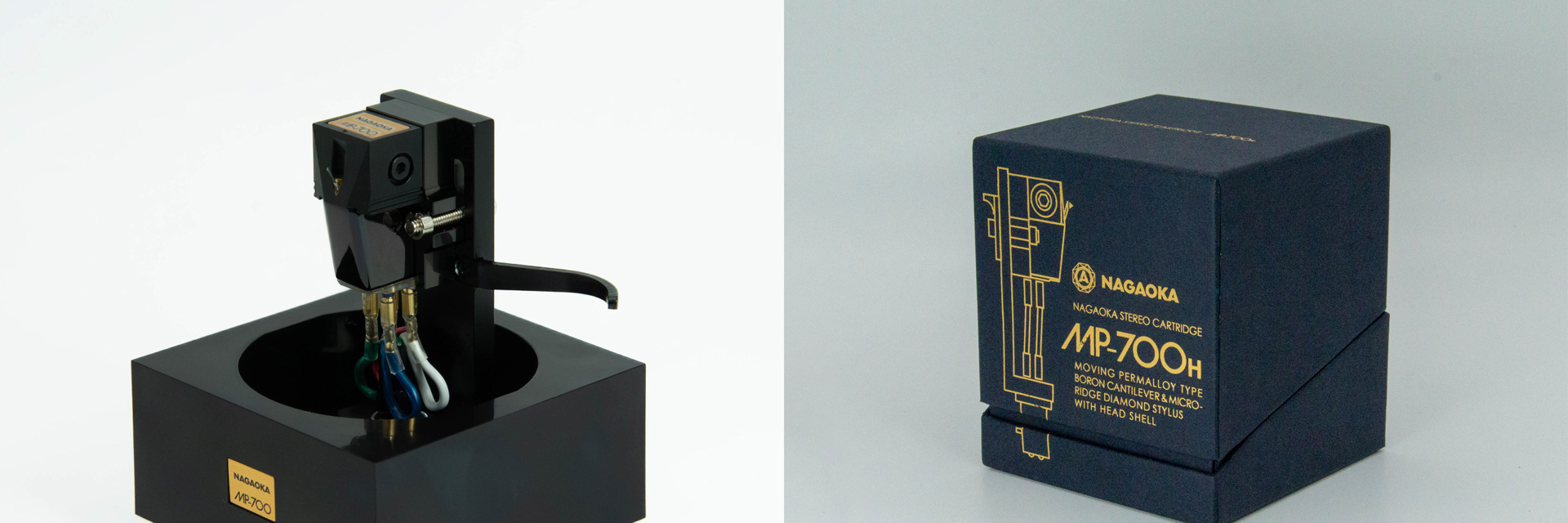
With its sharp diamond blade, the Nagaoka MP-700 effortlessly tracks even the wildest grooves, extracting the finest sounds.
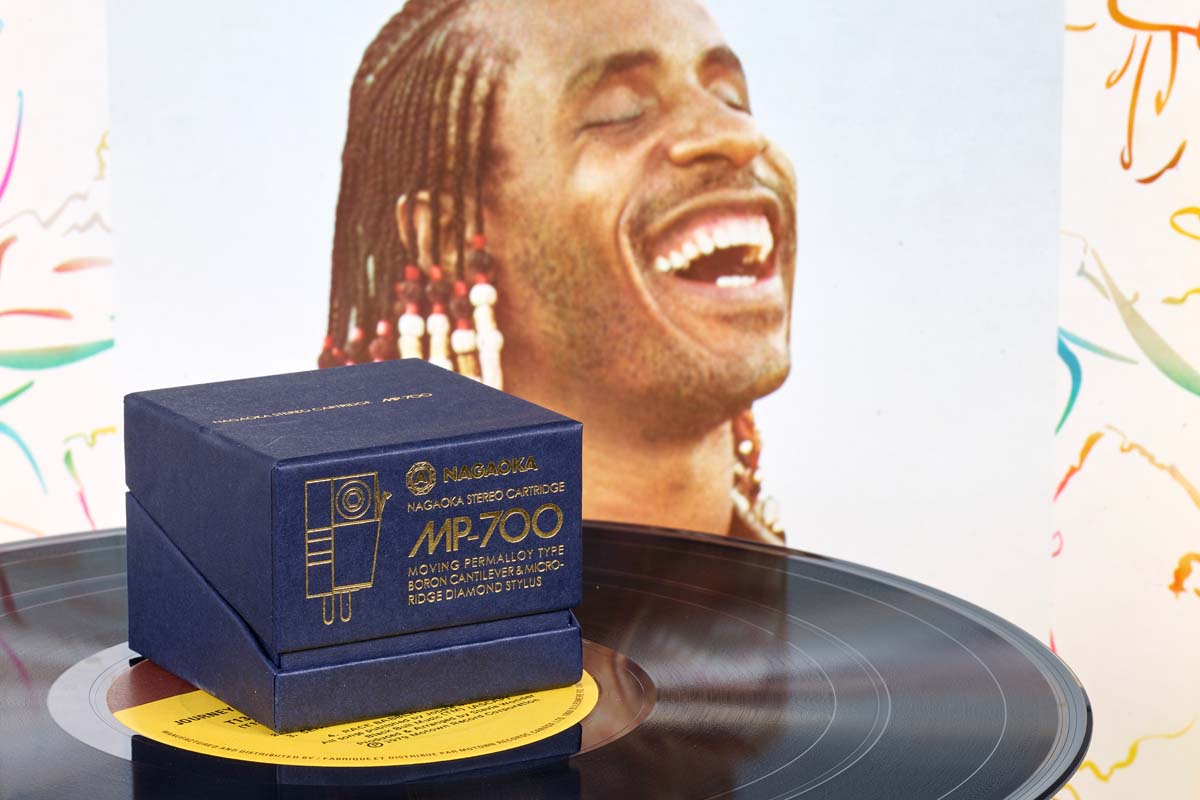
Cartridges are among the most interesting test objects for me. Tasked with converting mechanical movement into electrical signals, they sit right at the beginning of the playback chain. Just like the loudspeaker at the very end, they react very sensitively to their environment. Small changes in tracking force, misalignment during setup, and the characteristics of the tonearm and turntable all become clearly apparent. I also enjoy the slight thrill of installing these delicate and costly gems. The Nagaoka MP-700, announced for the manufacturer’s 85th anniversary, piqued my interest, as I had been very fond of the previous top model, the MP-500, which was part of my analog setup for some time.
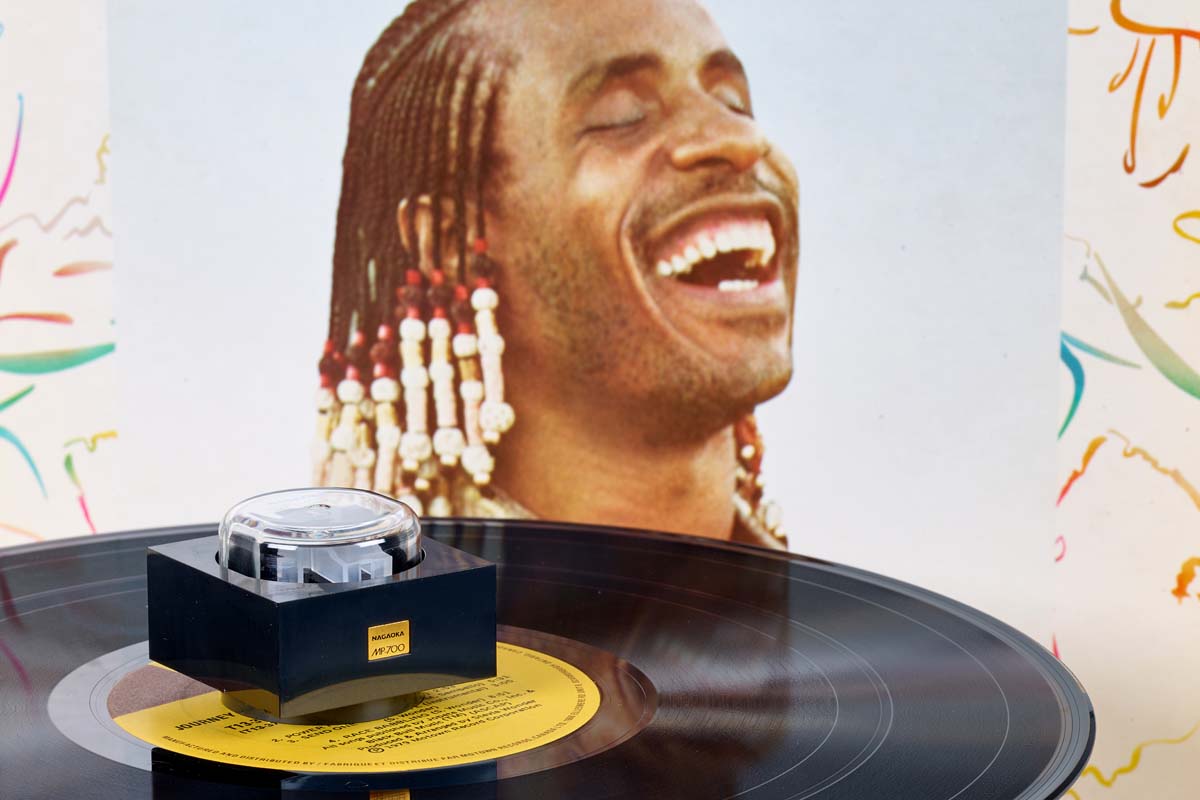
Founded in 1940 as “Nagaoka Clock Parts Manufacturing,” the company specialized – and still does – in machining extremely hard materials such as precious stones and diamonds, among other things for the watch industry. For vinyl aficionados, however, the division responsible for cartridge production is of greater interest. Also active as an OEM supplier, Nagaoka is one of the few – if not the only – companies that manufactures all of its cartridges entirely in-house. Gerion Hackfort, responsible for Nagaoka distribution in Germany and Austria, told me during the “Sound Days” event at Auditorium that no single “high priest” is responsible for cartridge development.
Instead, emphasis is placed on ensuring that success results from the collaboration of the entire team. This – and continuous quality control – may also explain the excellent consistency across production runs. So far, I have not encountered a single cartridge with an improperly installed cantilever.
Nagaoka is one of the few manufacturers to use the MP principle. In this design, a tiny piece of mu-metal (permalloy) attached to the end of the cantilever moves between coils and magnets fixed within the cartridge body. It is the same principle as in an MI system, except that the pure iron used there is replaced by lighter mu-metal. At least in theory, this combines the advantages of the lightweight cantilever of an MC system with the higher output voltage of an MM system. Both in design and measurement, this has been very successfully realized in the new MP-700.
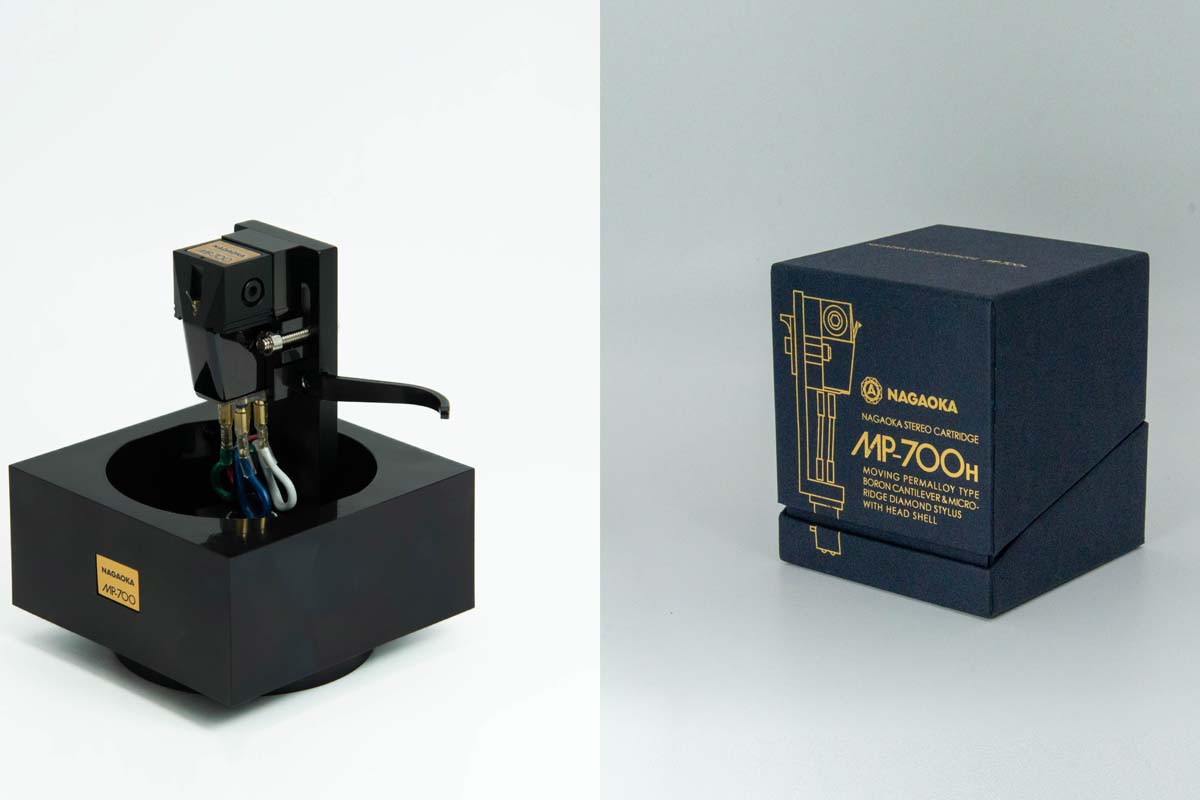
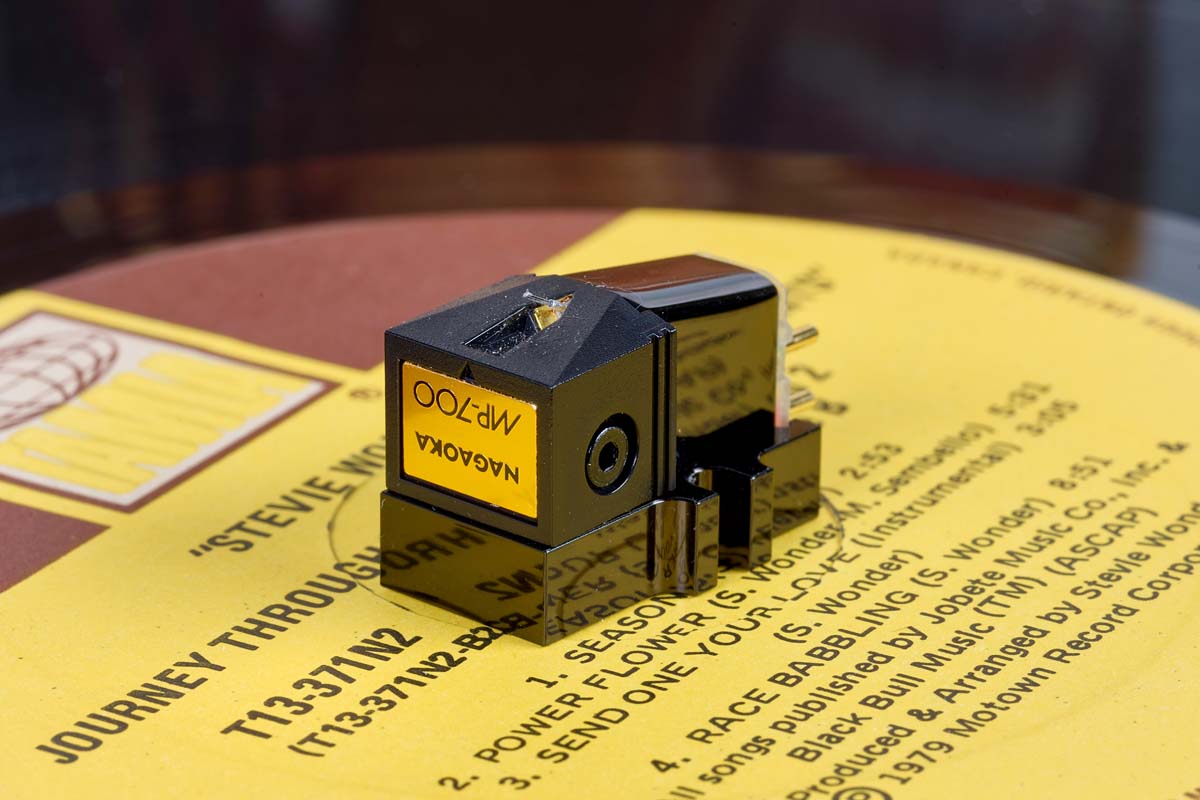
Externally, it differs mainly in its color scheme. The luxurious gold-colored body of the MP-500 has been replaced by an elegant black coating. This consists of nickel, black tin, and an insulating protective layer that, according to the manufacturer, reduces electrostatic charge. The cartridge body, made of ultra-duralumin, gives a robust impression. The generator is a new development, increasing the output voltage to 4 millivolts. The already excellent channel separation of the MP-500 has been improved by another 3 decibels to 30 decibels.
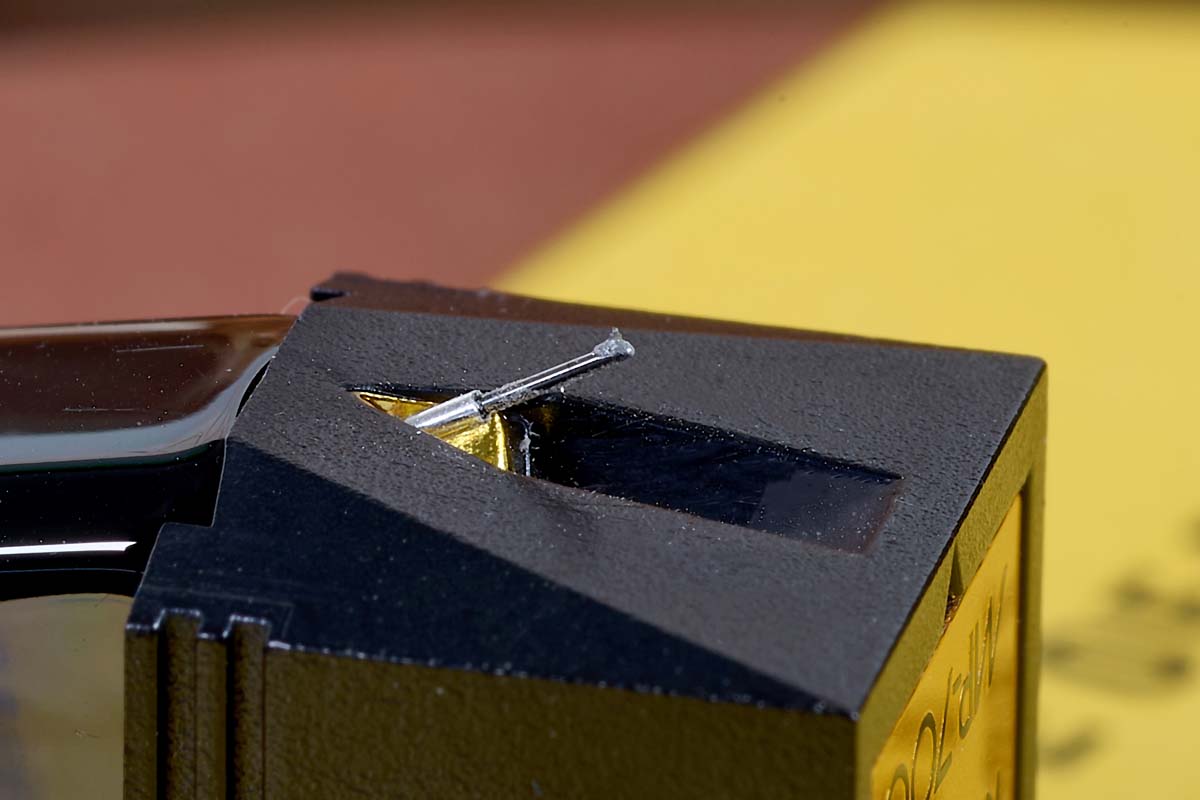
If one believes the measurements of an American colleague, these manufacturer specifications seem very conservative – his own measurements showed significantly better figures. The pickup assembly has been given a softer damper; the resulting higher compliance allows use with light to medium-mass tonearms. The diamond with a micro-ridge profile on a boron cantilever is among the finest available and is also used in much more expensive cartridges.
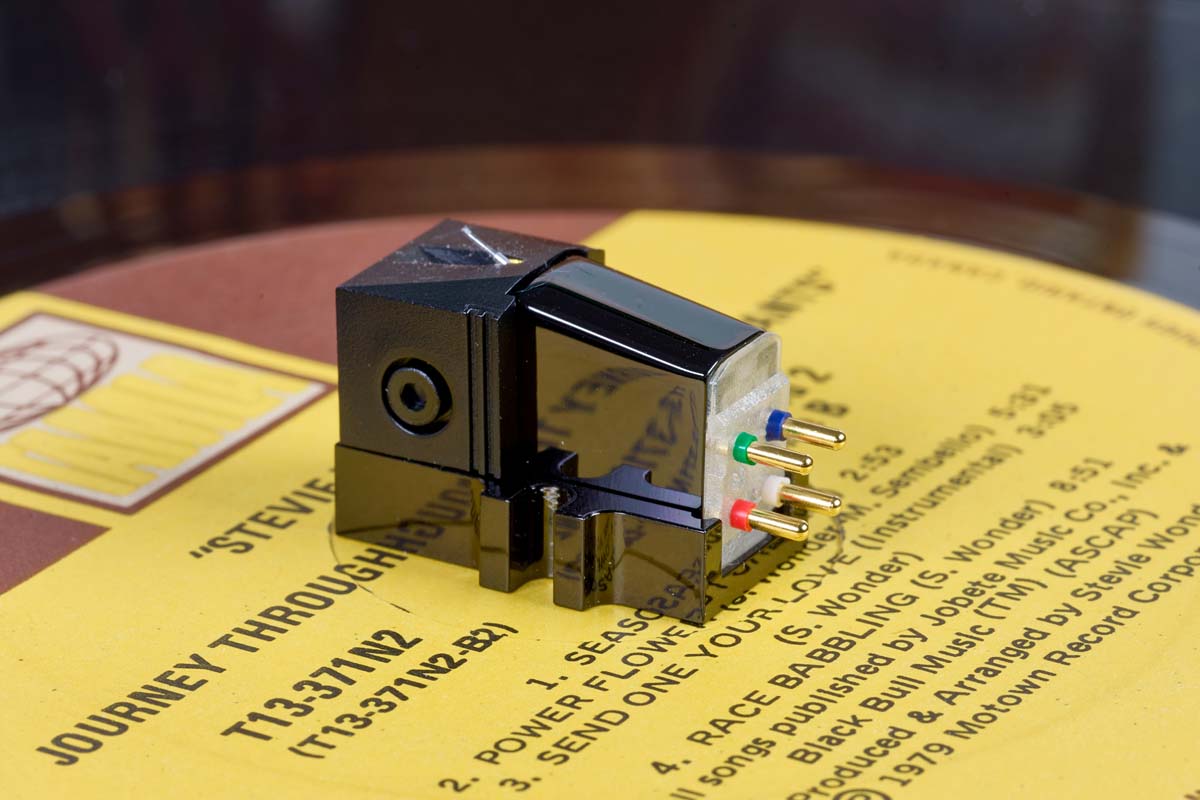
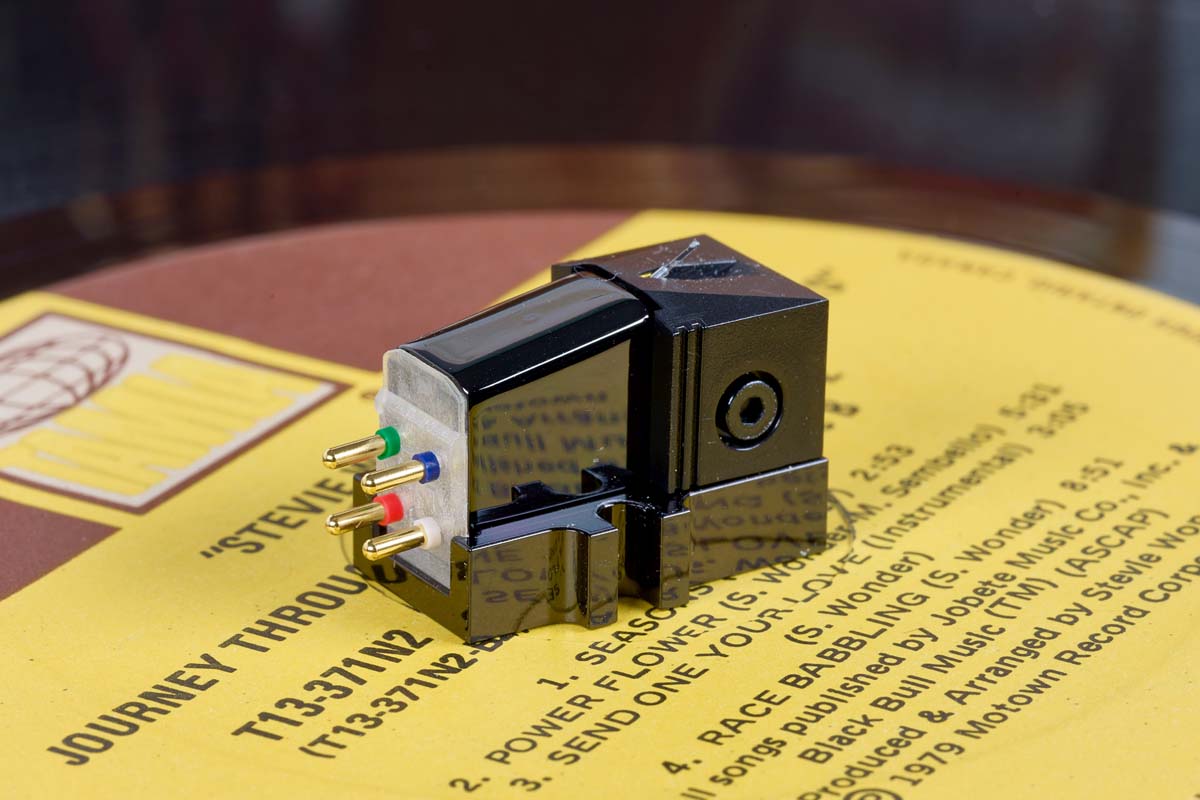
This list of exquisite ingredients raised my expectations. I mounted the system on my TW 9.5 tonearm with an effective mass of about 12 grams – this should work. And it did, spectacularly so! I do not find the continued use of open-slot mounting with tiny round threaded inserts ideal, as it makes installation somewhat fiddly. Otherwise: everything is excellent! Owners of a tonearm with an SME connection can alternatively opt for the MP-700 H with headshell; since it comes fully pre-mounted, it only needs to be plugged in and secured. I took the recommended tracking force of 1.4 grams as a starting point, set the anti-skating to “just a little,” and aligned the tonearm parallel to the record surface. I configured the phono preamp with 38 dB of gain according to the recommended values: 100 picofarads capacitance (low + cable capacitance of 40 pF), 47 kilo-ohms impedance. Experiments with other values proved counterproductive in my setup.
Using the Ortofon test record, the Nagaoka MP-700 easily achieved 80 microns – a superb tracking ability. After cartridge alignment, I always play Esther Ofarim’s Esther (ATR Mastercut Recording from 1979). This recording, already popular as a test record back then, mercilessly reveals misalignments and cartridge limitations. And the MP-700? It takes this challenge in stride. Completely quiet in the lead-in groove, sibilants are clear without harshness, and loud vocal passages remain entirely distortion-free. Gerion Hackfort recommended breaking in the cartridge for a few hours – after a week, I began the testing phase.
Faced with the dark gray autumn sky hanging low over the Rhineland, I needed a counterbalance. It seemed fitting to put Nick Cave’s Push the Sky Away on the platter. The MP-700 opened up an immense soundstage; the singer materialized solidly in the center, slightly in front of the speaker plane. The sustained organ melody emerged from the deep horizon of the stage, with the choir clearly outlined somewhere in between, and the sensitive rawness of the voice reproduced with goosebump-inducing realism. A cinematic experience. It didn’t cure the autumn gloom, though.
A more successful attempt was to counter it with lush tonal colors. Rimsky-Korsakov’s Scheherazade went on the turntable, and I enjoyed the opulent instrumentation of the second movement. The MP-700 differentiated the natural tonal character of the instruments with extraordinary precision. Within the immense depth of the stage, the orchestra was spread out widely, rendered perfectly in size and placement. It also handled dynamic swings in a way that made me flinch more than once. Most astonishing, however, was the openness and ease with which the orchestral work was transported into my listening room. It required no effort or conscious concentration to follow the music. Everything was simply there – and right.
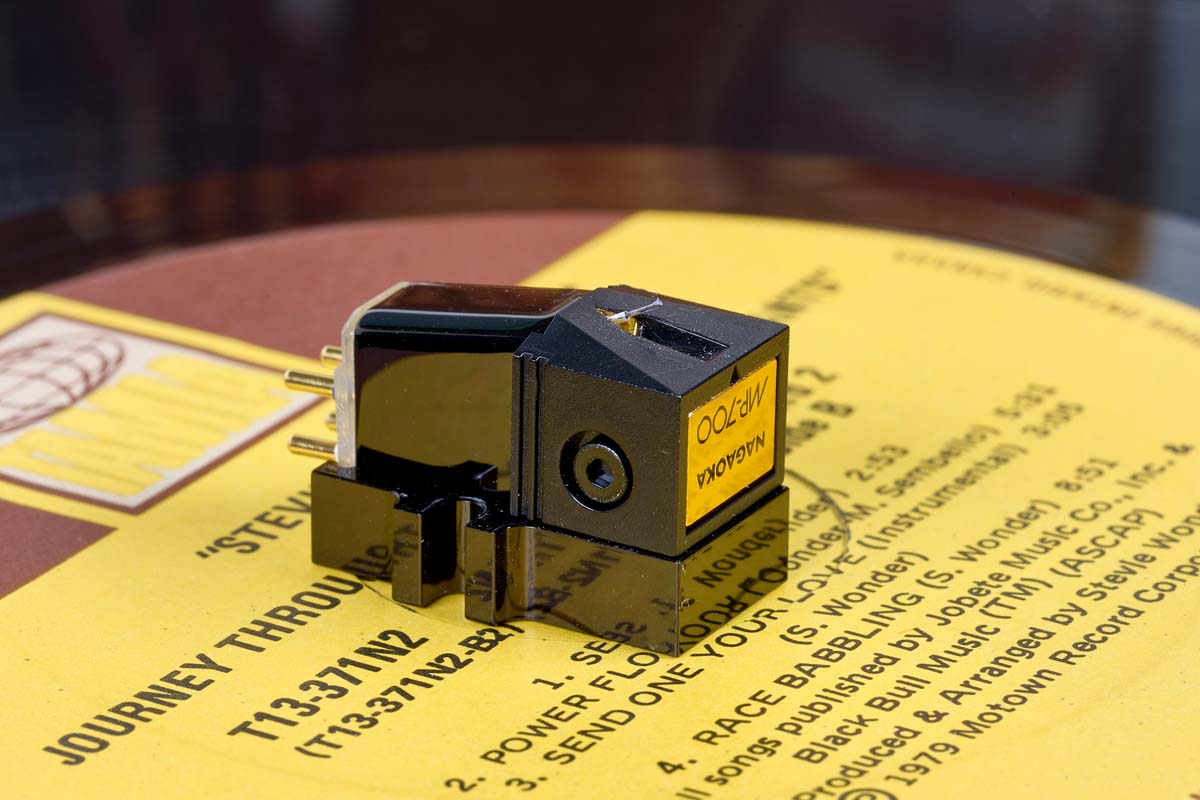
Fela Kuti’s LP Black President sounded as if it had undergone a rejuvenating treatment. The Nigerian musician, often regarded as the founder of Afro-jazz, recorded the 1981 LP with a band of nearly 30 musicians. The lineup – including eleven brass players, six guitars, and two drummers, along with various percussion instruments, electric piano, organ, and more – hints at the complexity the MP-700 had to handle. Yet it showed no weakness. I could effortlessly follow all rhythmic patterns and melodic lines. Detailed yet never losing coherence, the diamond stylus plowed through grooves lasting up to 16 minutes. The gradually building intensity of the tracks filled the listening room, and the gray autumn mood disappeared completely.
The list of “aha” moments I experienced during often hours-long vinyl sessions could go on indefinitely – and this was true even with rather average recordings and across very different musical genres.
For its 85th anniversary, Nagaoka has achieved a major success with the MP-700. This comprehensive capability, meeting all audiophile criteria, is exceptional. The fact that the stylus assembly (relatively affordable) can be easily replaced when needed makes the investment in the not inexpensive but, considering its qualities, remarkably well-priced MP-700 even more attractive.
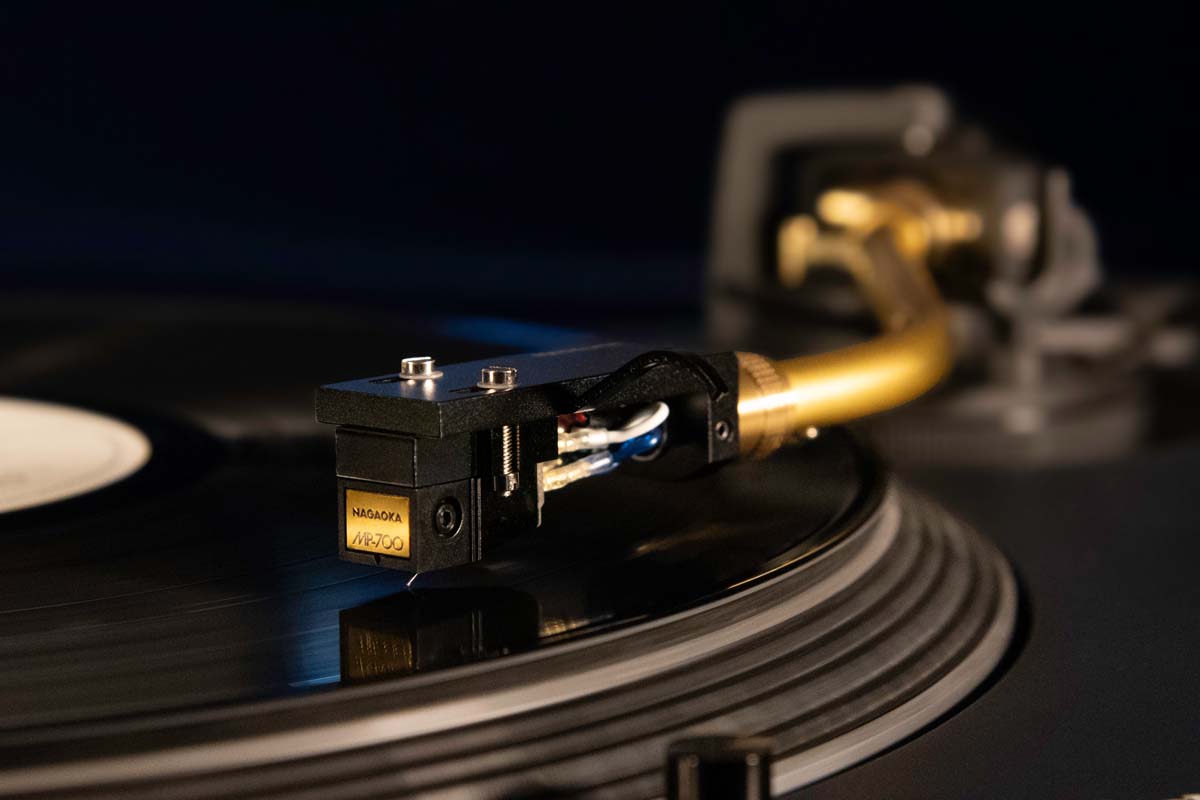
Cartridge Nagaoka MP-700
Concept: MM cartridge Principle: MI (Moving Iron); in this case MP (Moving Permalloy) | Output voltage (1 kHz, 5 cm/sec): 4 mV | Frequency response: 20 Hz to 27 kHz | Channel separation (@1 kHz): 30 dB | Channel balance at 1 kHz: 1.0 dB | Recommended load impedance: 47 kΩ (compatible with standard phono preamps) | Recommended load capacitance: 100 pF | Vertical force (recommended tracking force): 1.4 g | Cantilever: high-quality boron | Stylus type: nude diamond with micro-ridge profile | Dynamic compliance: 10.2 x 10⁻⁶ cm/dyne | Included accessories: stylus guard, mounting screws, screwdriver, user manual (English) | Weight: 8 g | Warranty: 2 years | Price: approx. €1300 (MP-700 H approx. €1400, replacement stylus JN-P700 approx. €730)