
Analog Tone Factory shows just how vibrant analog sessions can sound these days.
Anyone who looks into Analog Tone Factory quickly encounters a production approach that is neither nostalgically romanticized nor deliberately opposed to modernity. Instead, it’s about a way of working that takes its time, respects the messiness of the moment, and doesn’t treat interplay as raw material for later optimization. Jerome Sabbagh and Pete Rende didn’t establish the label to revive old myths from the tape era, but to create a framework in which musicians can once again perform together in the same acoustic space. It’s an attitude that doesn’t need posturing, because it grows out of everyday studio experience and from the observation that certain musical subtleties only emerge when they’re not overly controlled.
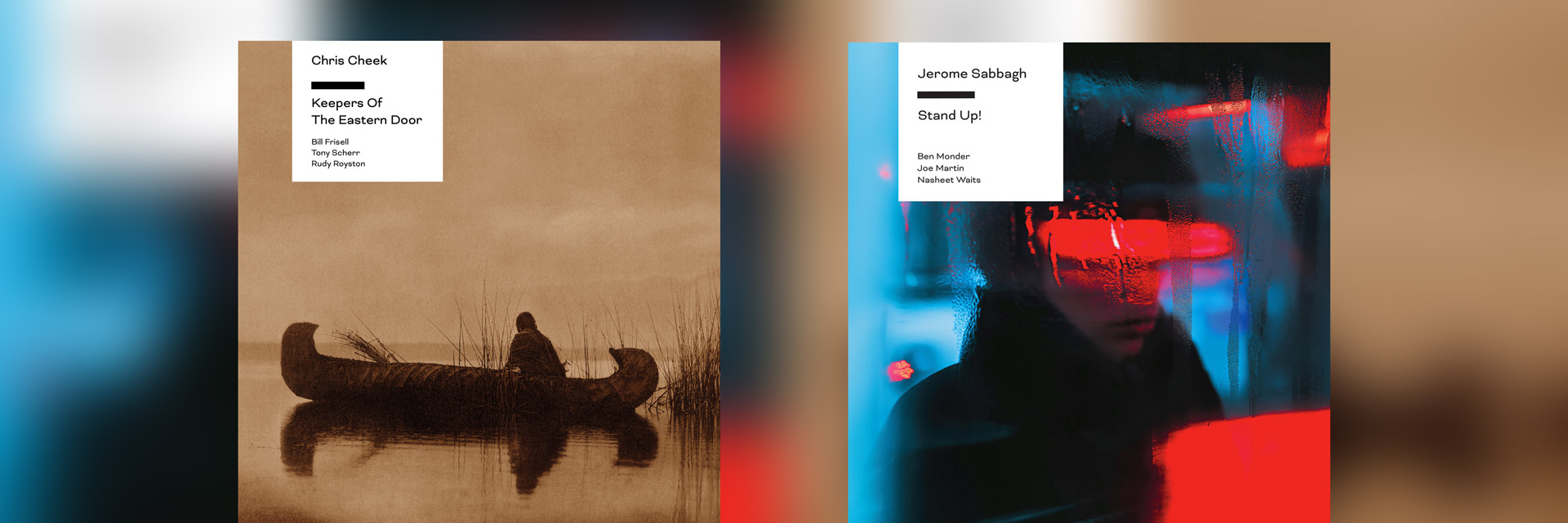
This approach shapes the label’s two new LPs, which capture the range of this analog philosophy in striking ways. Chris Cheek’s Keepers Of The Eastern Door features a historical image on the cover, but the album isn’t defined by that motif – it’s defined by the atmosphere created at New York’s Power Station Studio.
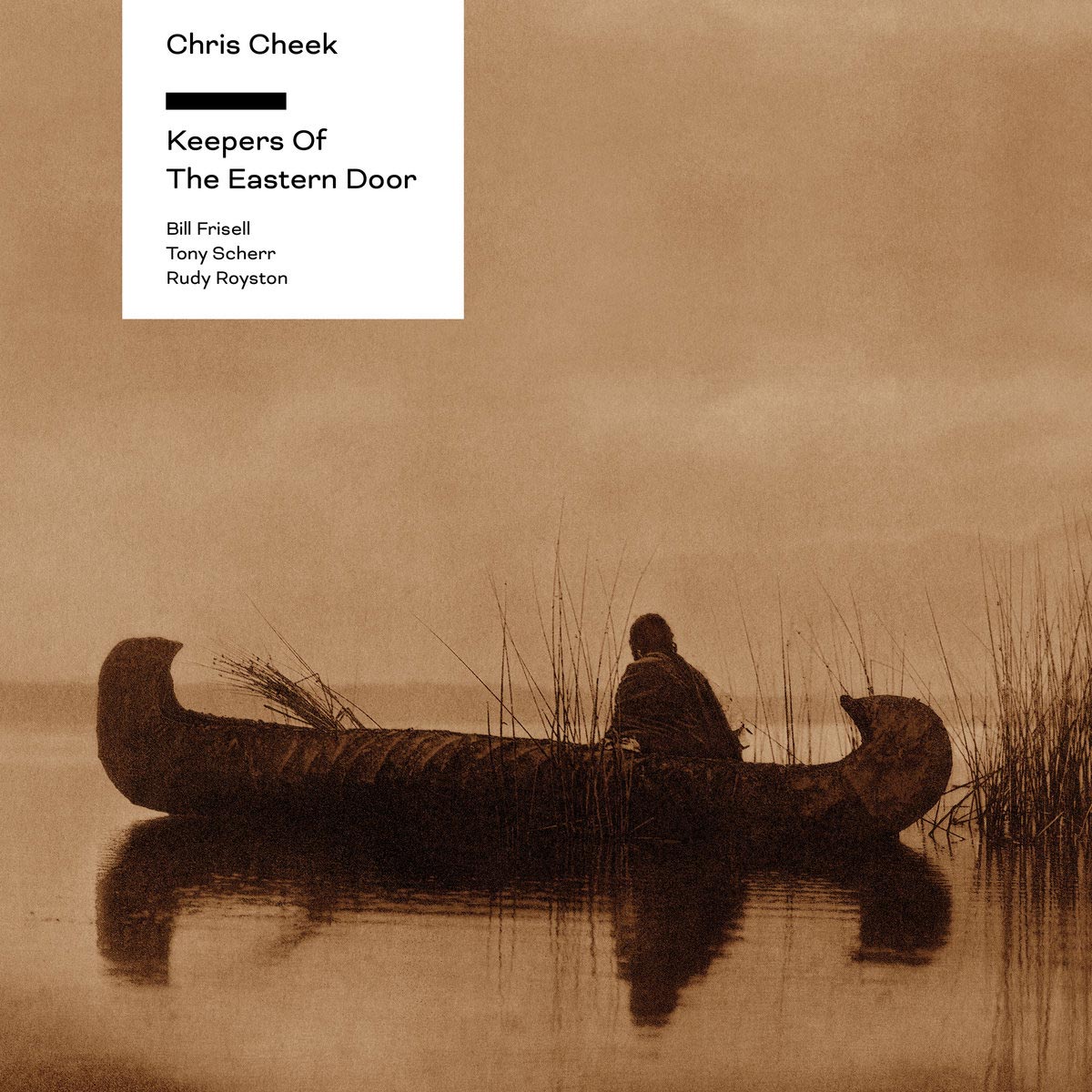
Cheek and guitarist Bill Frisell are among those musicians who don’t need grand gestures, because they shape their material with a calmness and melodic awareness that immediately come to the forefront without ever becoming overbearing. Frisell’s guitar lines sometimes hover like small sketches in the air – almost hesitant at times, then suddenly clear and decisive – while Cheek glides over these frameworks with a tone that feels centered yet remains open to spontaneous shifts in direction.
With his quartet, Cheek moves through a repertoire ranging from Purcell to the Beatles, but the appeal isn’t the breadth – it’s how effortlessly these contrasts sound. A Purcell melody isn’t treated as a historical artifact; it’s handled with the same natural ease as a pop classic from the 1960s. Tony Scherr anchors the music with bass playing that stays deliberately understated while taking every harmonic nuance seriously, and Rudy Royston adds subtle rhythmic accents that keep any moment from feeling static. Cheek’s three original compositions blend in so organically that at times you forget where tradition ends and original material begins. The fully analog production by James Farber and mastering by Bernie Grundman emphasize one thing above all: the physical closeness of the four musicians and the audible architecture of the studio itself.
Sabbagh’s Stand Up! takes a different, more personal path. The album consists of dedications, but there’s no pathos or nostalgic exaggeration. Instead, Sabbagh uses each piece to translate relationships, influences, and encounters into sound, and you can feel that the music isn’t backward-looking – it’s constantly reshaping itself.
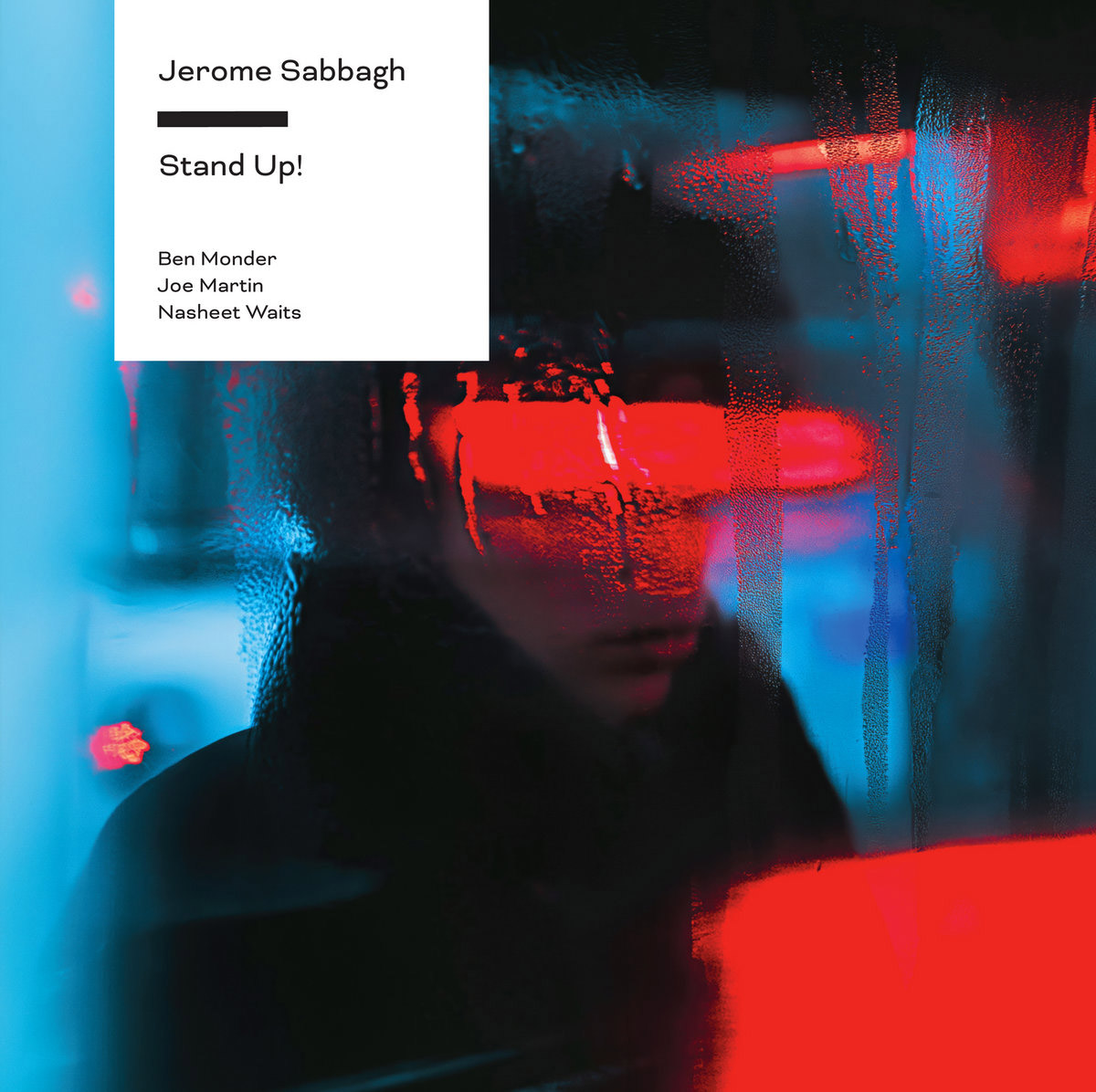
“Lone Jack” opens the record with a light country-blues feel reminiscent of Ray Charles, yet without resorting to stylistic imitation. Ben Monder contributes accents that shift between floating tonal color and sharp-edged density. Joe Martin and Nasheet Waits form a rhythmic axis that holds the album together while allowing just enough instability to give the pieces a natural tension.
That openness becomes especially clear in “Mosh Pit,” Sabbagh’s nod to Trent Reznor. Here, the band moves with an energy reminiscent of rock and metal, yet without abandoning the quartet’s identity. Monder lays down a texture of rough, almost cutting guitar layers, while Waits responds with a mix of precision and impulsiveness. In this context, Sabbagh’s lines feel remarkably focused, showing how adaptable his tone can be when it rubs up against unfamiliar sonic terrain. Quieter pieces like “Michelle’s Song” or “Vanguard,” by contrast, highlight intimate communication and remind you just how transparent this ensemble can sound. It’s especially in these softer moments that the impact of the analog recording space becomes tangible, because every small decision by the musicians remains audible.
Both albums were pressed on heavyweight vinyl and, in addition to standard editions, released as One-Step pressings that reveal even more detail. These versions sound slightly more dynamic thanks to a more elaborate process that shortens the path from master to finished record. The result isn’t flashy in an attention-grabbing way – it’s simply more immediate, more open, closer to the source of the session. Anyone listening on headphones or through a system capable of reproducing such subtleties will quickly notice how the soundstage expands and individual instruments stand out more clearly without losing cohesion.
As different as the two LPs are musically, they demonstrate in similar ways how crucial it can be for an ensemble to work together in the same room rather than relying on later corrections. This way of working creates a sense of presence that doesn’t sound old-fashioned or self-consciously “analog,” but rather like a deliberate choice about how music should be experienced. Analog Tone Factory doesn’t position itself as a counterpoint to modern production methods, but as an alternative – one that becomes especially compelling for musicians who want to document their own voice without filters.
Analog Tone Factory Releases
Chris Cheek – Keepers Of The Eastern Door
Cheek, Frisell, Scherr, Royston
Label: Analog Tone Factory
Format: LP (180g vinyl), also available as a One-Step pressing
Jerome Sabbagh – Stand Up!
Sabbagh, Monder, Martin, Waits
Label: Analog Tone Factory
Format: LP (180g vinyl), also available as a One-Step pressing