

The fact that these planar magnetostatic speakers throw music into the listening room with such plasticity despite their slender physical form seems almost otherworldly … all the more so because their pricing is anything but unreasonable.
At this year’s Analog Forum in Moers, sales manager Jürgen Reichmann demoed the legendary Platine Verdier turntable with Musical Fidelity electronics and Magnepan planar speakers. When I entered the room and caught sight of the rather impressive 2.7i, I was instantly reminded of my first encounter with planar speakers back in the 1980s – floor-standing, square-meter-sized walls driven by a gigantic, boiling-hot power amplifier. I was deeply impressed at the time, but until now I had never had an opportunity to get to the bottom of the sonic myth surrounding this type of speaker. This time, too, the large crowd prevented me from getting a meaningful listening impression, but that didn’t bother me much since a review was already scheduled. After I explained the geometry of my listening room to Jürgen Reichmann at the show, he suggested the Magnepan MG-0.7, the second-smallest model in the lineup. I immediately approved of its manageable dimensions and agreeable weight of just twelve kilograms.
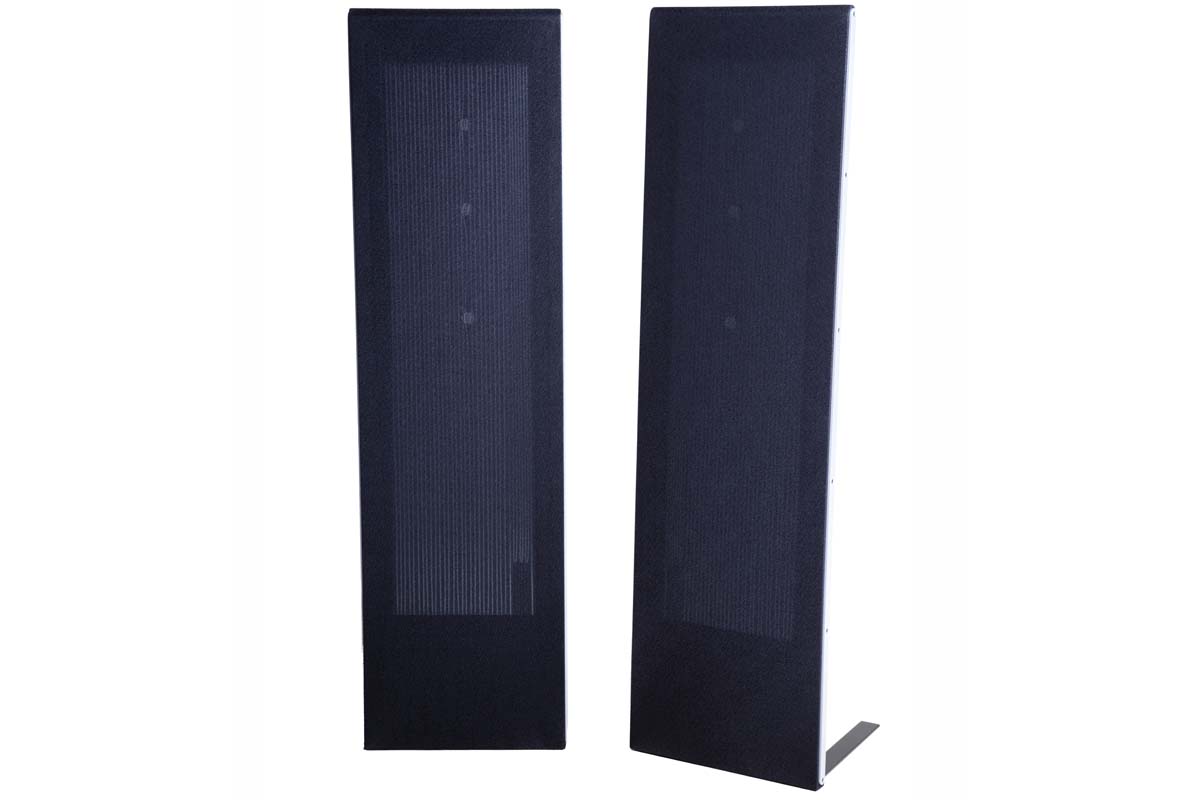
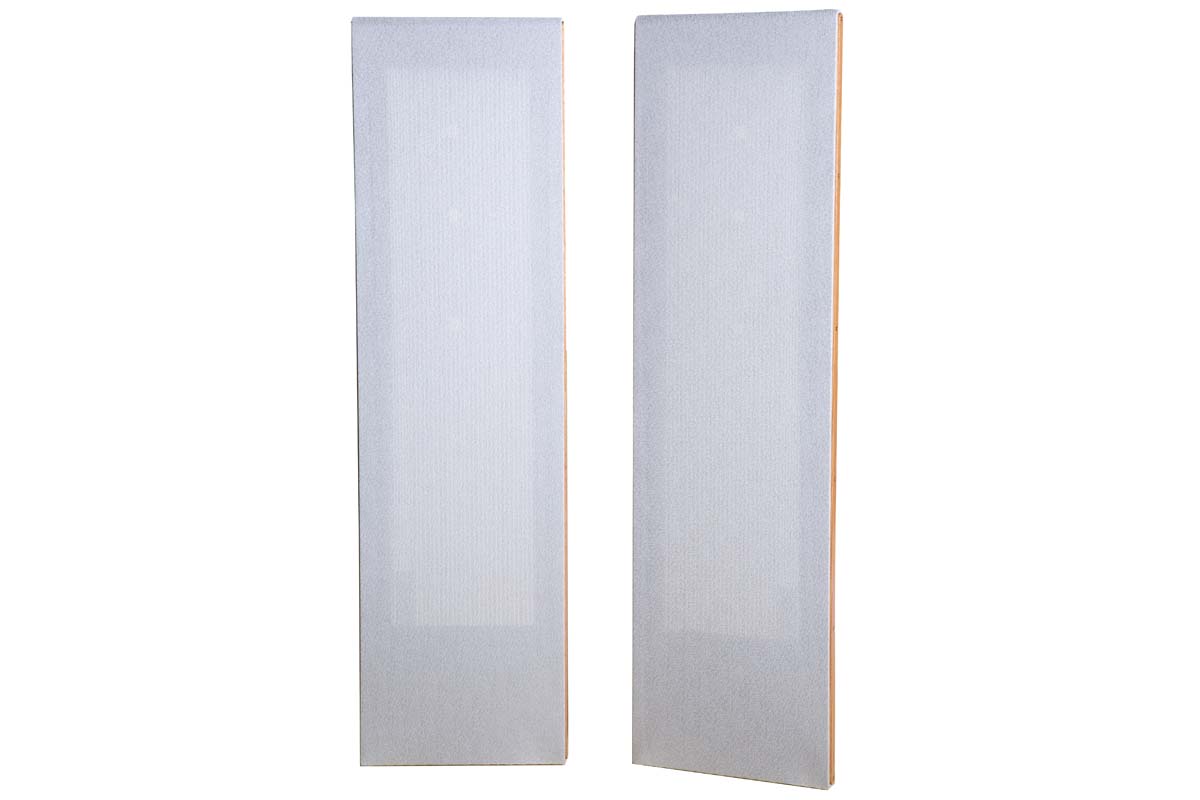
Barely a week later, a long, narrow box was sitting in the hallway. Like all “Maggies,” the MG-0.7 is a planar magnetostatic speaker. Ultra-thin plastic film is covered over its entire surface with closely spaced aluminum conductors. In the narrow section responsible for high-frequency reproduction (this is a genuine two-way system), these conductors are finer and more closely spaced. Permanent magnets positioned behind the diaphragm cause the entire assembly to vibrate in time with the music as the alternating currents pass through the conductors. Since the diaphragm excursions are considerably smaller than those of “normal” dynamic speakers, a substantially larger surface area is required to reproduce low frequencies with sufficient sound pressure. This large diaphragm is stretched across a narrow frame. Because of its open construction, the sound energy is radiated forward and backward in a 60/40 ratio. This makes the MG-0.7 a dipole planar speaker. Visually, the flat, slightly transparent construction resembles a small room divider. This sets it dramatically apart from conventional speaker “boxes,” which use dynamic cone or dome drivers.
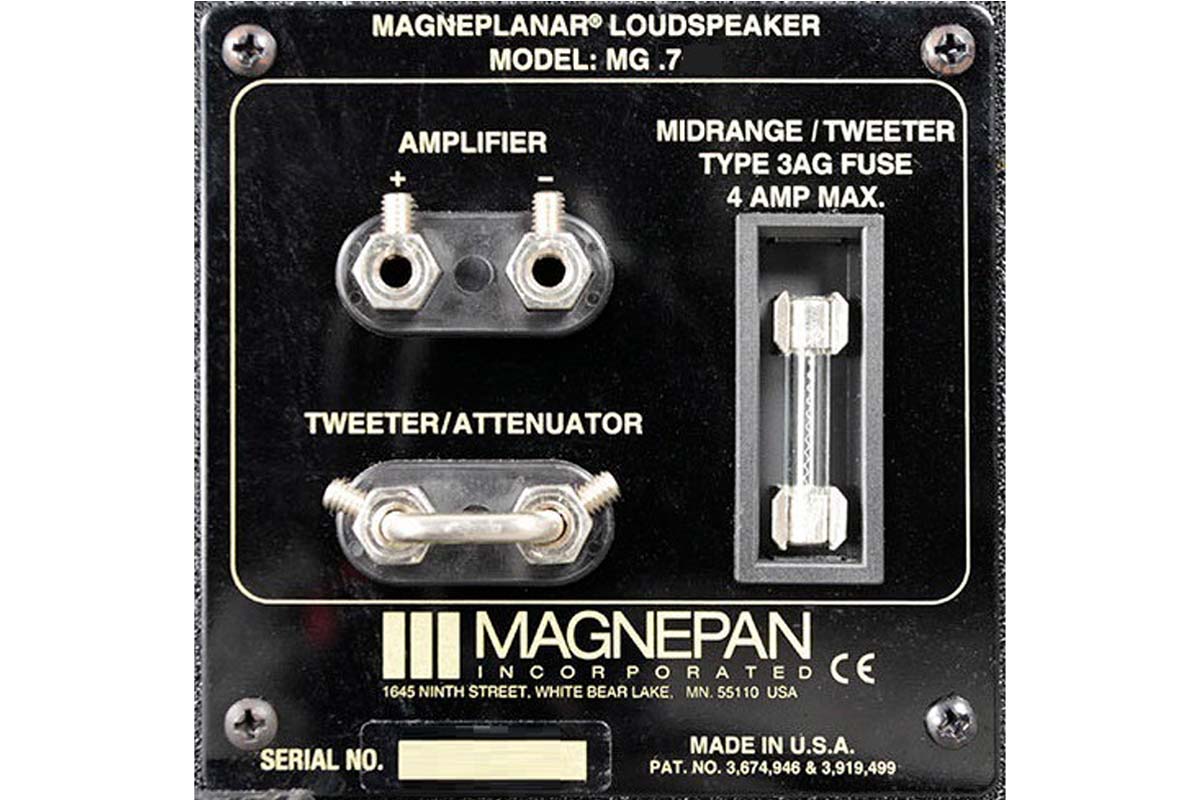
Setting up the speakers is extremely simple. The panels should first be placed face down on a padded surface (a wool blanket in my case); this makes it easy to screw on the supplied feet, which are made of angled flat steel. The connection terminal is equipped with sturdy binding posts for banana plugs, but they can also accommodate bare wire, which can be secured with threaded screws. Below this is an option for reducing the high-frequency level. The package includes a resistor that reduces the level by 1 decibel. Increasing the resistance value allows for a greater reduction. In my well-damped listening room, no reduction was necessary. The third element on the terminal is a fuse that protects the tweeter against overload.
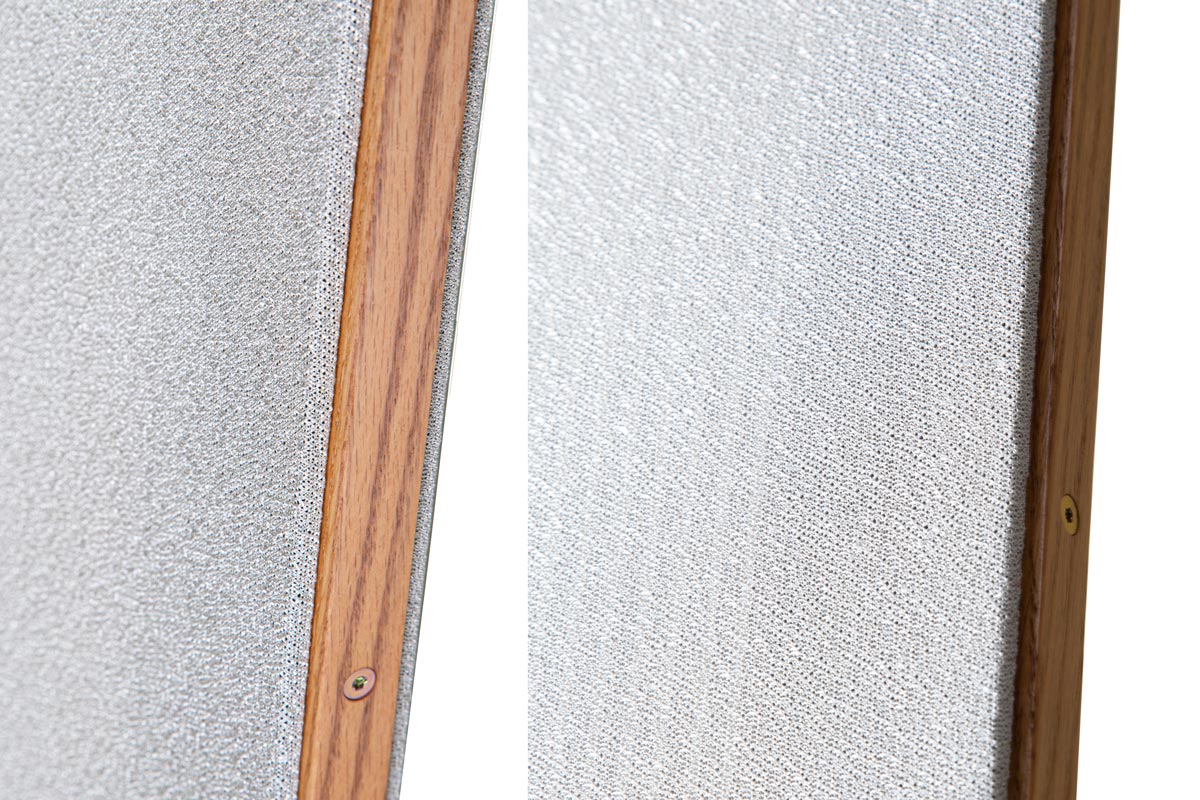
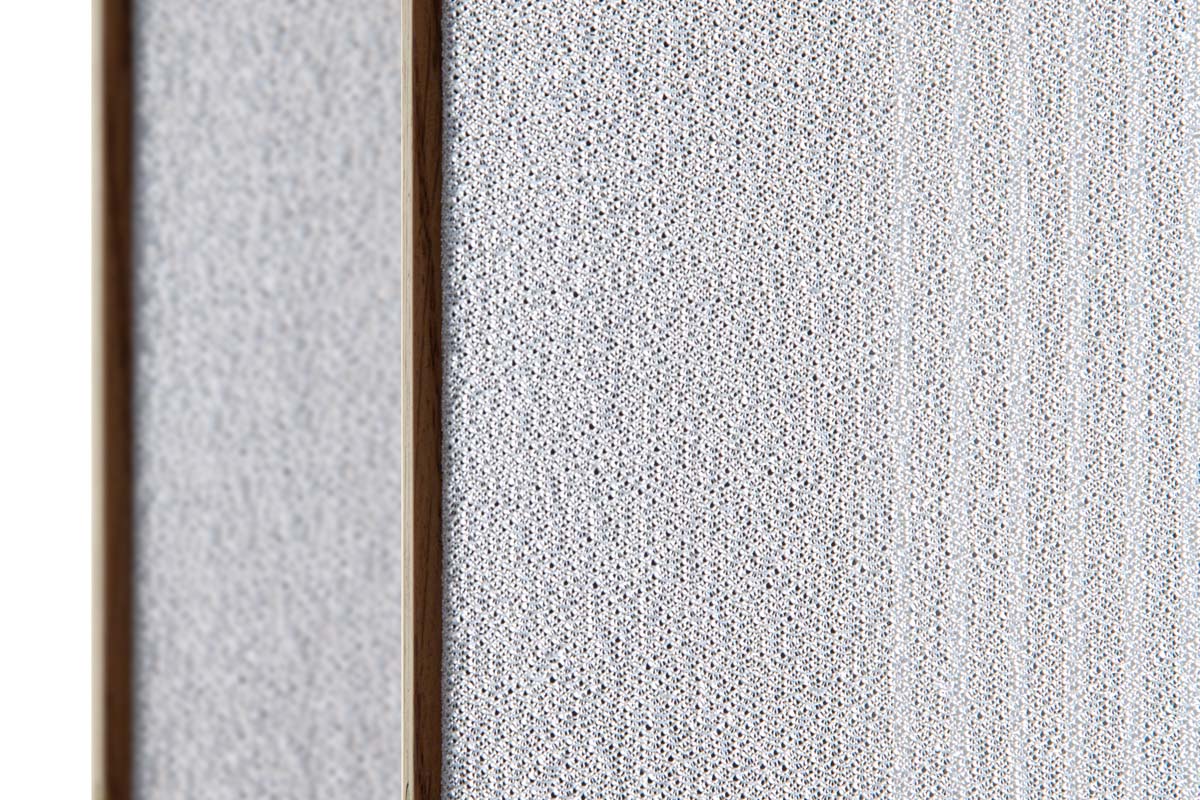
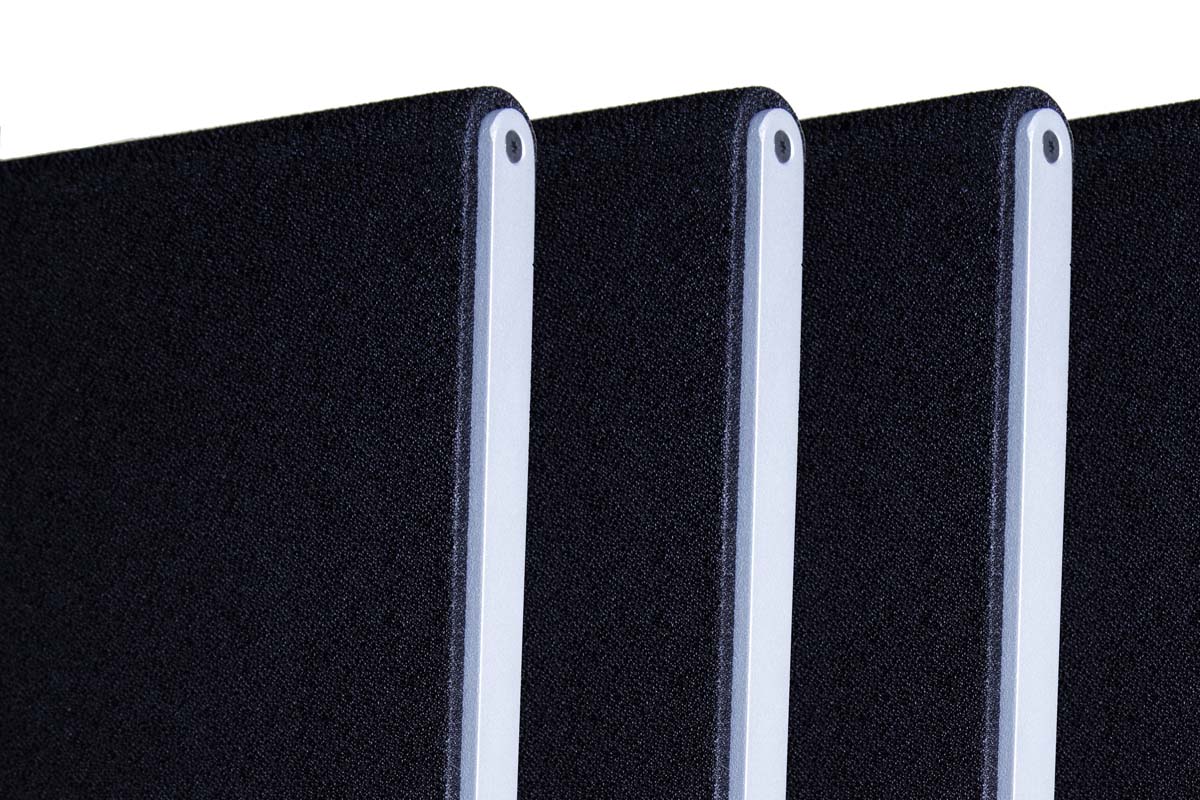
As a starting point for the subsequent fine-tuning, I positioned the MGs one meter in front of the rear wall, approximately two meters apart, and only slightly toed in. Because of their considerably larger front surface compared with my standmount speakers, I was skeptical about whether the MG-0.7s would fit visually into my listening room, especially since the review pair before me was finished in black. Surprisingly, they integrated harmoniously into the living environment. The rearward tilt determined by the feet, the slight transparency of the slender panels, and the surrounding grille cloth, interrupted only at the sides by neatly recessed trim strips, create an overall impression of airy elegance.
The distributor had warned me beforehand that the speakers had barely been broken in and that the diaphragms of planar speakers in particular require some time to fully loosen up. Despite their rather low efficiency, amplifier selection was said to be uncritical. Since the impedance remains consistently between four and six ohms and the crossover doesn’t exhibit phase shifts, even experiments with reasonably high-output tube amplifiers would be viable.
During the first week of testing, the sonic character was already beginning to emerge, although the bass range was still relatively indistinct, and there was still little sign of the legendary spatial presentation attributed to the “Maggies.” I experimented with positioning, particularly the distance from the rear wall, the degree of toe-in, and, to a lesser extent, the distances between the speakers and the side walls. The latter was constrained by the room geometry. The speakers are supplied as mirror-image pairs, so the high-frequency section can be positioned either on the outside or on the inside. I tried both configurations several times as well, which was easy thanks to the relatively low weight of the speakers. It sounds more cumbersome than it actually was. After about two weeks, the break-in process and the associated optimization of the positioning were essentially complete. In the end, the planar speakers had an average distance of 1.15 meters from the rear wall and stood 1.95 meters apart. With the high-frequency sections on the inside and 20 degrees of toe-in, the soundstage locked perfectly into place. The care taken with positioning was rewarded with a listening experience of a special kind. I found myself thinking that these weren’t speakers playing music, but rather that the room itself was being breathed into with music. Admittedly, it’s a somewhat strange description, but the longer the Magnepan MG-0.7s stayed with me, the more fitting I found this characterization. I’ll try to translate my impression into the usual audiophile vocabulary.
The high resolution extending down into the lower midrange and the fast response to transients are likely responsible for this open presentation. Combined with the virtually unlimited (not in the sense of excessive) sense of space and tonal colors differentiated down to the finest nuances, the result is the impression that the music is being created completely free from the room. “Unobtrusively lively” comes to mind. Individual instruments and voices were positioned steadily on the soundstage with tremendous three-dimensionality. Although this did not happen with ultimate edge definition, it benefited the coherence of the presentation. I particularly appreciated how realistically proportions were reproduced in all dimensions. Many good speakers manage this in the X and Y axes, but the extent of the Z axis – meaning, among other things, the size of the vocalists – I have rarely experienced so lifelike in my listening room. The same applies, figuratively speaking, to the vocal presence of the performers. Nothing is exaggerated or omitted. Or, put simply: I found the reproduction exceptionally natural.
Dipole planar speakers are sometimes said to have a certain weakness in reproducing low frequencies. This is essentially due to incorrect positioning or positioning that has not been determined with sufficient care. The distance from the rear wall and the degree of toe-in have a decisive influence on bass reproduction. Of course, this is basically true of conventional “boxes” as well, but small deviations from the ideal are not as noticeable there. The procedure clearly and simply described in the owner’s manual leads to success relatively quickly – the result is detailed reproduction of low frequencies. This is wonderful to experience and enjoy with the double-bass intro on Mingus Mingus Mingus Mingus Mingus by Charles Mingus. Even as Mingus and his band build toward the big-band sound, the 0.7 always maintains its composure. Thanks to its excellent imaging characteristics and tonal accuracy, I can follow the increasingly complex music with ease. The preservation of proportions makes the presentation sound very realistic.
These exact qualities also bring large symphony orchestras into my listening room with astonishing realism. Maurice Ravel’s Rapsodie Espagnole, performed by the Orchestre de la Société des Concerts du Conservatoire Paris under André Cluytens, places considerable demands on the playback chain, and especially on the speakers. The varied instrumentation and the associated diversity of tonal colors, along with the powerful accents and sudden dynamic contrasts, are what make this recording particularly compelling. The Magnepan 0.7 effortlessly transports the performance, along with the concert hall, into my home. I also enjoyed listening to music from more popular genres through the planar speakers. Despite the relatively low efficiency of the drivers, I never reached their volume limits. The specified lower frequency limit of 45 hertz also seems realistic. What pleasantly surprised me was the 0.7’s ability to make poorer recordings sound better than usual.
So, is the Magnepan the ideal speaker? Anyone with a room suitable for optimally positioning the 0.7 and who can live with the relatively small sweet spot inherent in the design can climb quite high on the high-fidelity ladder with the 0.7. The Magnepan delivers most audiophile virtues at a level of quality that elsewhere is found only at considerably higher price points. For someone who leans more toward the enjoyment side of listening and places less value on party-ready sonic power, the Magnepan 0.7 could actually be the last speaker they ever need.
Planar magnetostatic speaker Magnepan MG-0.7
Concept: fully magnetostatic 2-way speaker | Sensitivity (1 W/m): 86 dB | Frequency response: 45 Hz to 22 kHz | Nominal impedance: 4 Ω | Finishes: side panels in black or silver aluminum, black or natural oak, or cherry; grille cloth in Off-White, Black, or Anthracite | Dimensions (W/H/D): 39/138/3 cm | Weight: 12 kg | Included: stand feet, resistor for high-frequency adjustment, owner’s manual | Warranty: 2 years | Pair price: approx. €3,000
Reichmann AudioSysteme
Graneggstraße 4
78078 Niedereschach im Schwarzwald
Telefon +49 7728 1064