
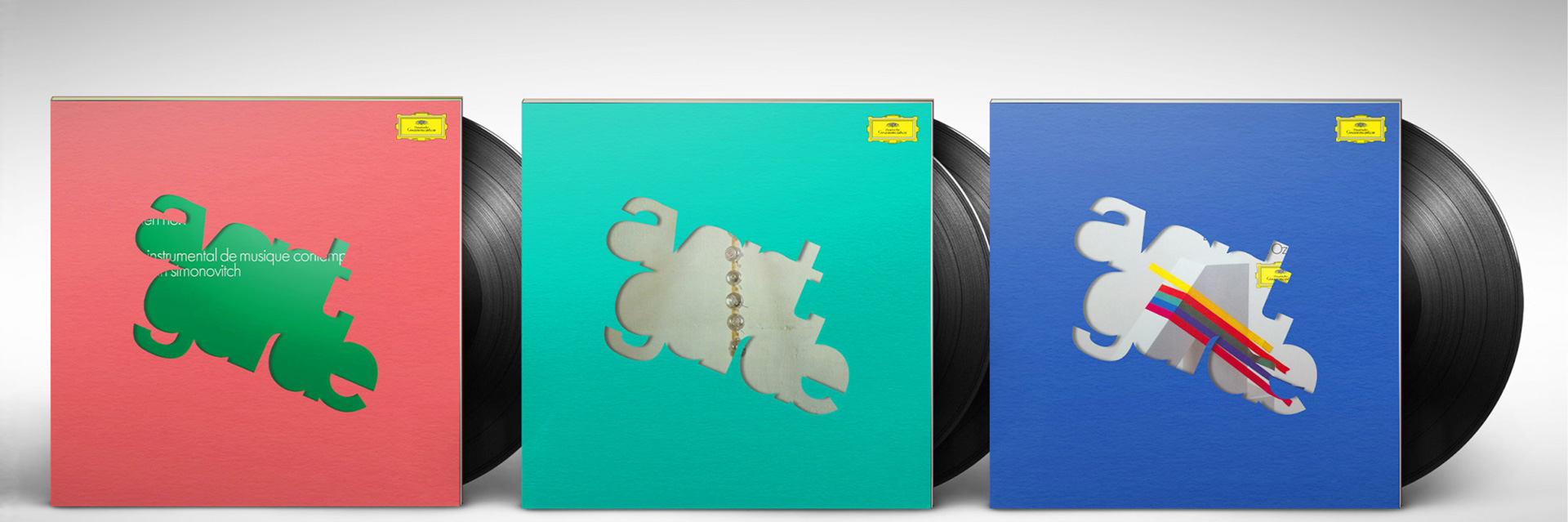
Deutsche Grammophon is opening its avant-garde archive and sending its discoveries to the Emil Berliner Studios for a spectacular restoration and reissue.
The year is 1968. The world is undergoing profound change – not only politically, but above all culturally, even if the two are sometimes difficult to separate. This upheaval was something the major classical record companies, with their firmly bourgeois core repertoires, couldn’t escape either. Nor could Deutsche Grammophon, the guardian of classical-Romantic aesthetics and home to politically compromised conductors such as Karl Böhm and Herbert von Karajan. And so Deutsche Grammophon’s “Avantgarde” series was born, marking a break with the label’s established self-image.
While the label’s regular programming remained focused on the classical repertoire, the “Yellow Label” opened itself up through this edition to a field that had previously been barely represented on records in any systematic way: radical contemporary music. Deutsche Grammophon was not alone in broadening its programming, however. Other major labels also responded to the aesthetic shifts of the era. Philips Records deserves particular mention, having launched the similarly ambitious “Prospective 21e Siècle” series, which likewise devoted itself to the international avant-garde.
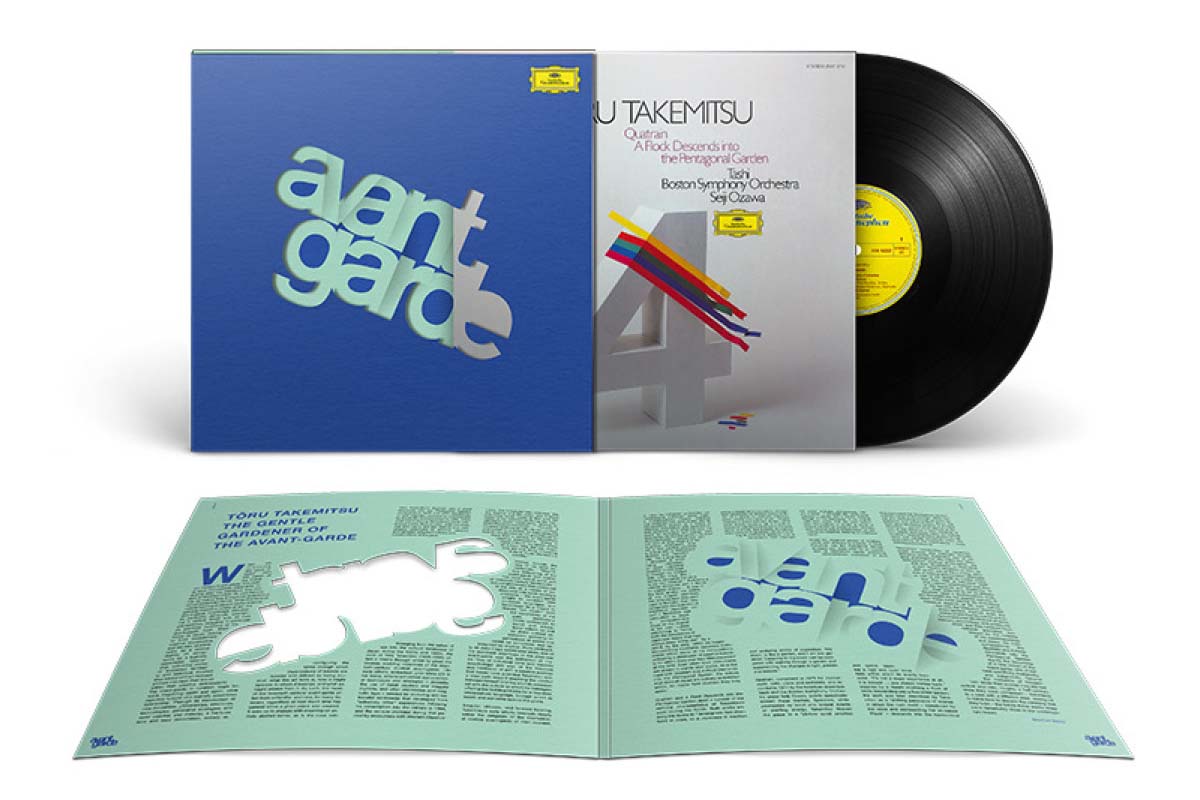
The DG series ultimately comprised around 24 LPs, later organized into four six-LP box sets. One of the series’ defining features was its visual design by graphic artist Holger Matthies. His clearly structured, typographically pared-down, and boldly colored cover designs gave the series a consistent appearance and established a visual identity closely connected to the character of the music.
In terms of content, the “Avantgarde” series deliberately refused to fit neatly into any one category. It encompassed European, American, and Asian avant-garde music and represented a wide range of movements, including post-serial composition, electronic music, tape productions, performance, and improvisation. The series thus documented an enormous spectrum of compositional approaches, while for its bourgeois audience one question always seemed to hover in the background: Can you still call this music?
In 2023, Deutsche Grammophon launched an experiment, releasing a limited-edition CD box containing all the recordings from the series. To the label’s surprise, the entire edition sold out within a single month. Requests for reissues from those golden avant-garde years are actually not all that uncommon. Encouraged by the success of the “Original Source” releases, the label has now taken the bold step of commissioning Richard Maillard and Sydney C. Meyer to produce vinyl reissues as well.
After all, the original LP editions remain highly prized among music lovers – both sentimentally and financially. And judging by what we know of Maillard and Meyer’s magic touch, the new editions may well make the originals look pale in comparison in terms of sound quality.
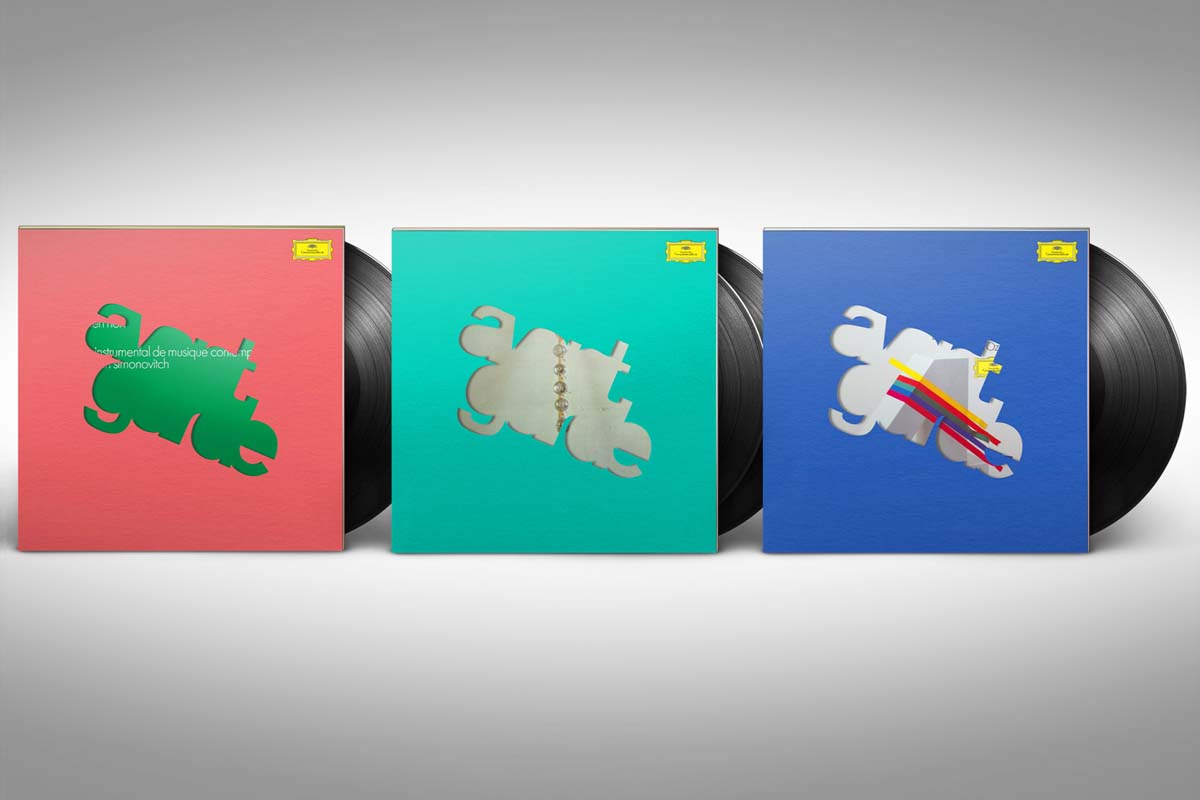
The first bundle of the reissue series showcases the full breadth of the musical avant-garde between 1968 and 1980, both musically and culturally.
Luc Ferrari’s Presque Rien No. 1 and Société II, for example, focus on an approach that deliberately works with environmental sounds and everyday noises. His compositions occupy the boundary between documentary sound material and musical design, revealing connections with experimental radio drama. Mauricio Kagel takes a different approach in Acustica, where instrumental, performative, and electroacoustic elements are interwoven. Here, it is not merely sound production that becomes the subject of the work; the very practice of performance becomes an object of reflection.
By contrast, works by Tōru Takemitsu such as Quatrain and A Flock Descends Into the Pentagonal Garden are characterized by dense orchestral soundscapes while incorporating influences from Japanese aesthetics. Takemitsu expands the traditionally Western notion of the avant-garde through a transcultural perspective, bringing different sonic traditions together. At the same time, he creates an almost cinematic sound world that makes contemporary music considerably more accessible.
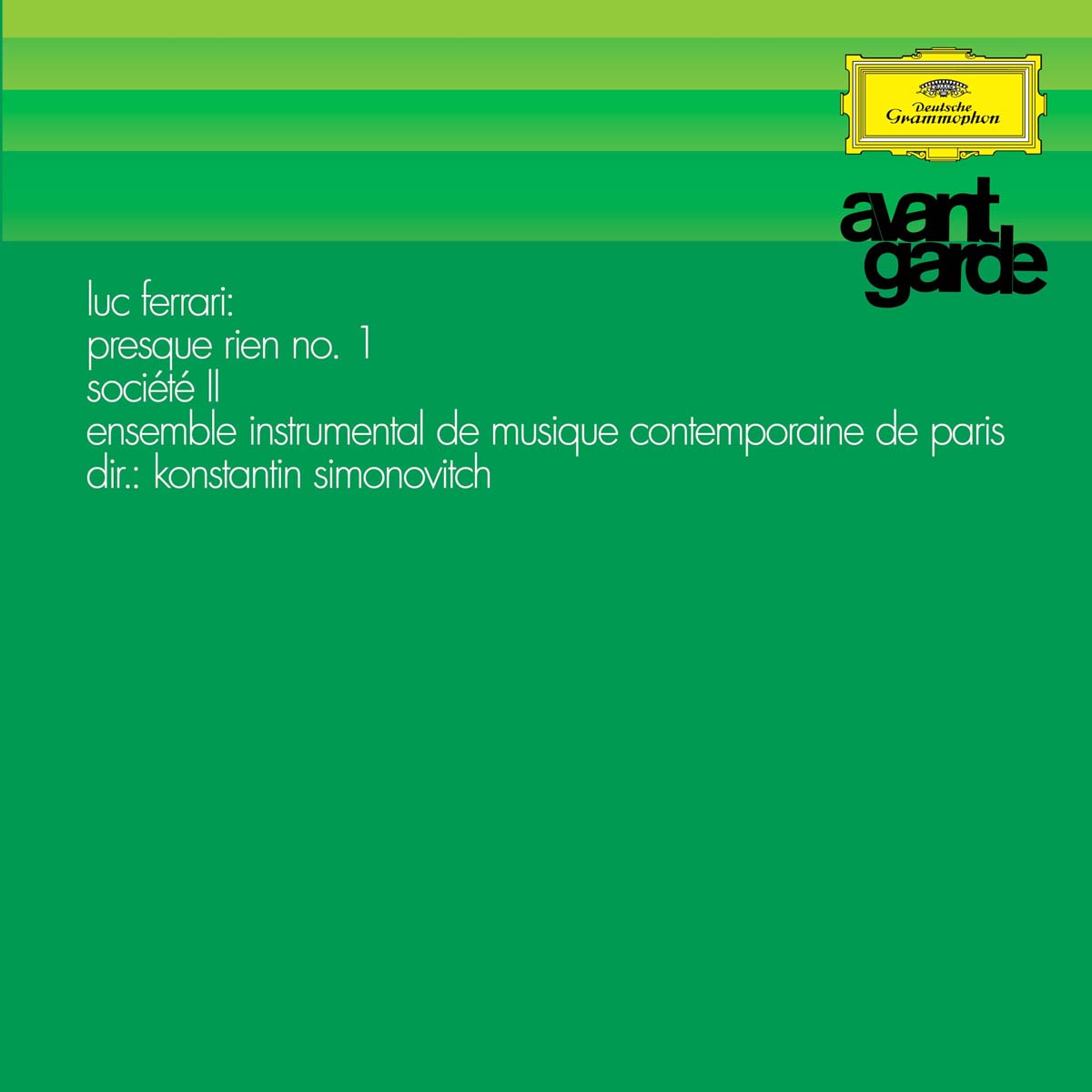
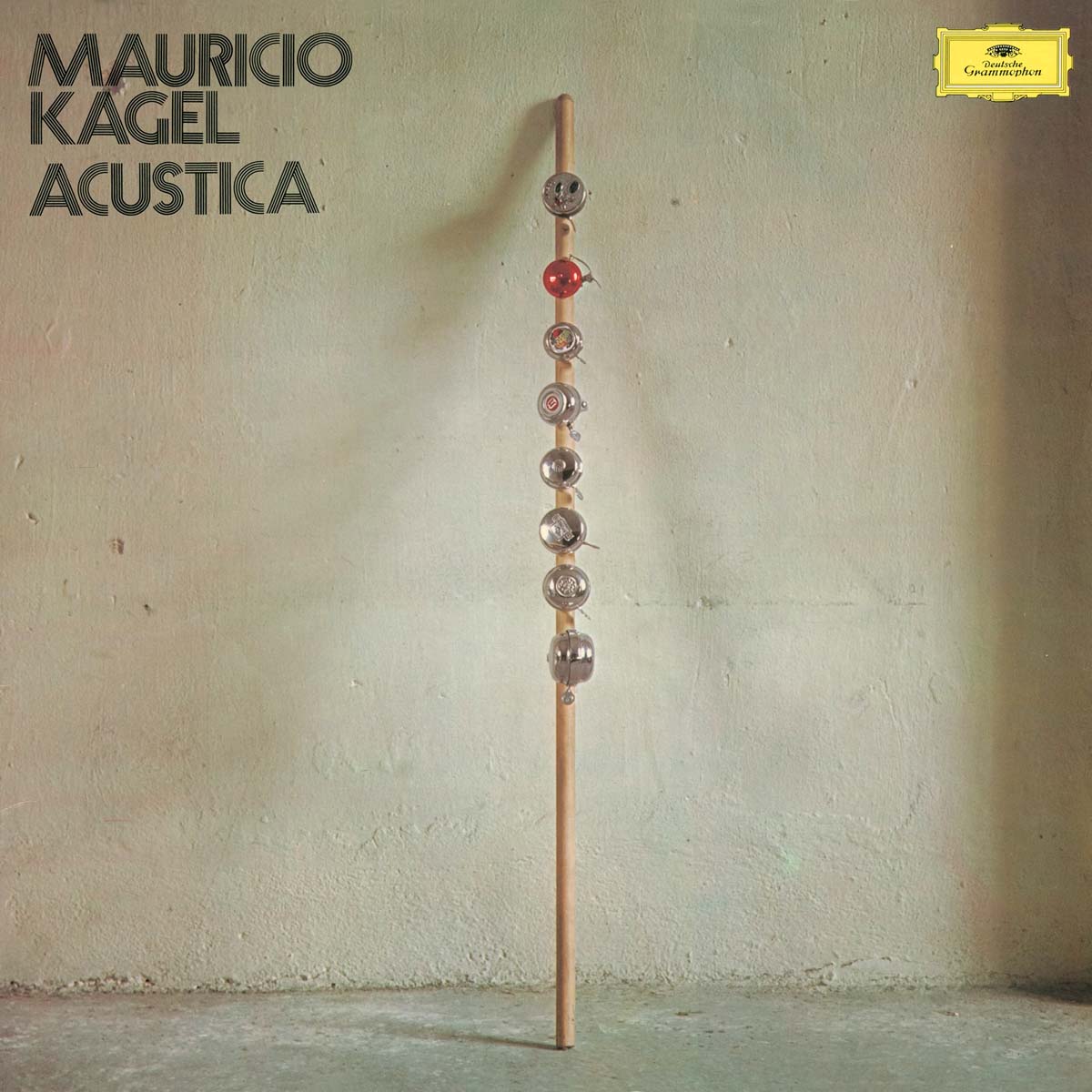
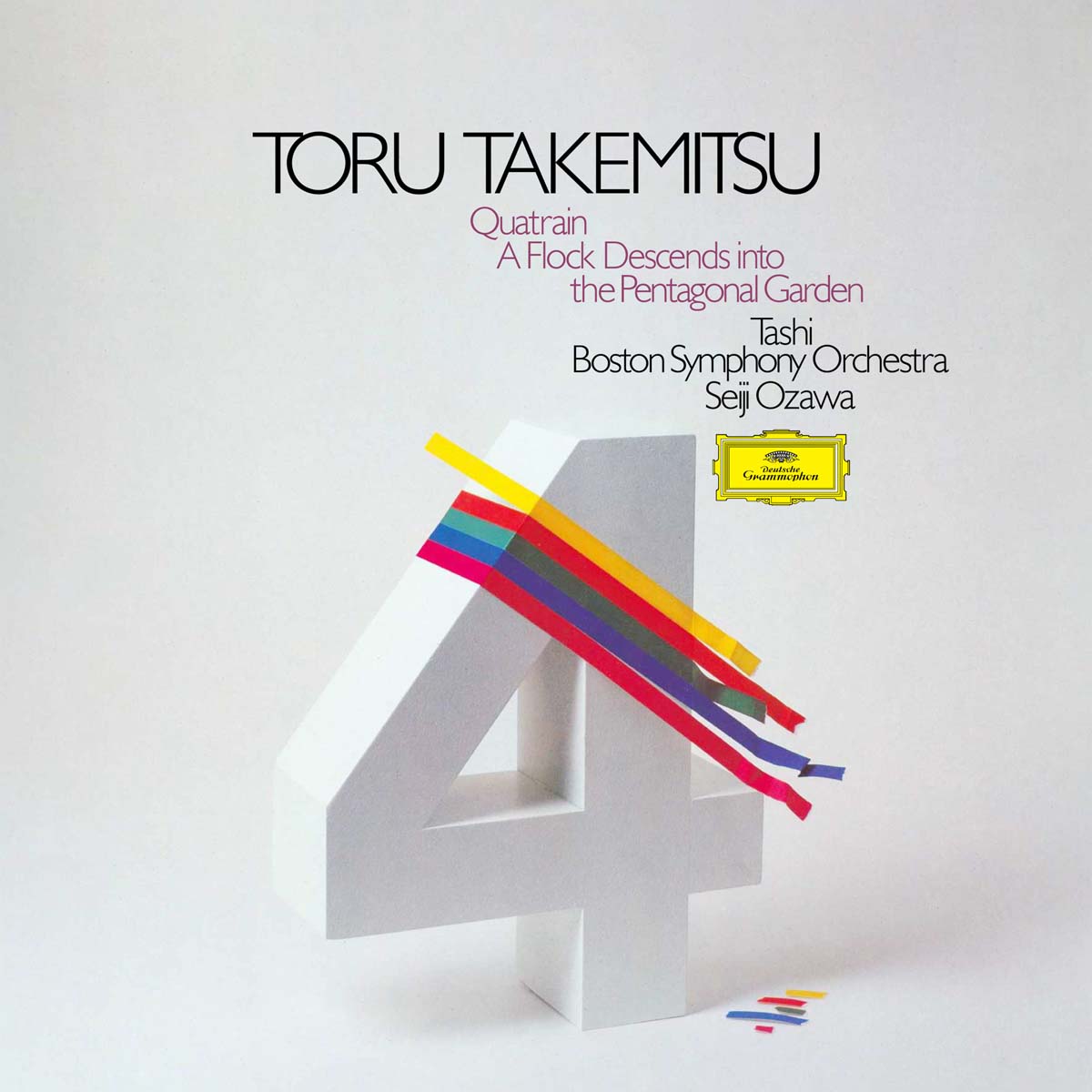
From an editorial standpoint, the first bundle offers a surprise right away: two of the three releases come from productions of new music that Deutsche Grammophon was regularly issuing alongside the “Avantgarde” series at the time. Only Luc Ferrari’s works originate from the original series. Mauricio Kagel’s Acustika and Tōru Takemitsu’s floating, atmospheric orchestral compositions, by contrast, were released as entirely “normal” DG productions.
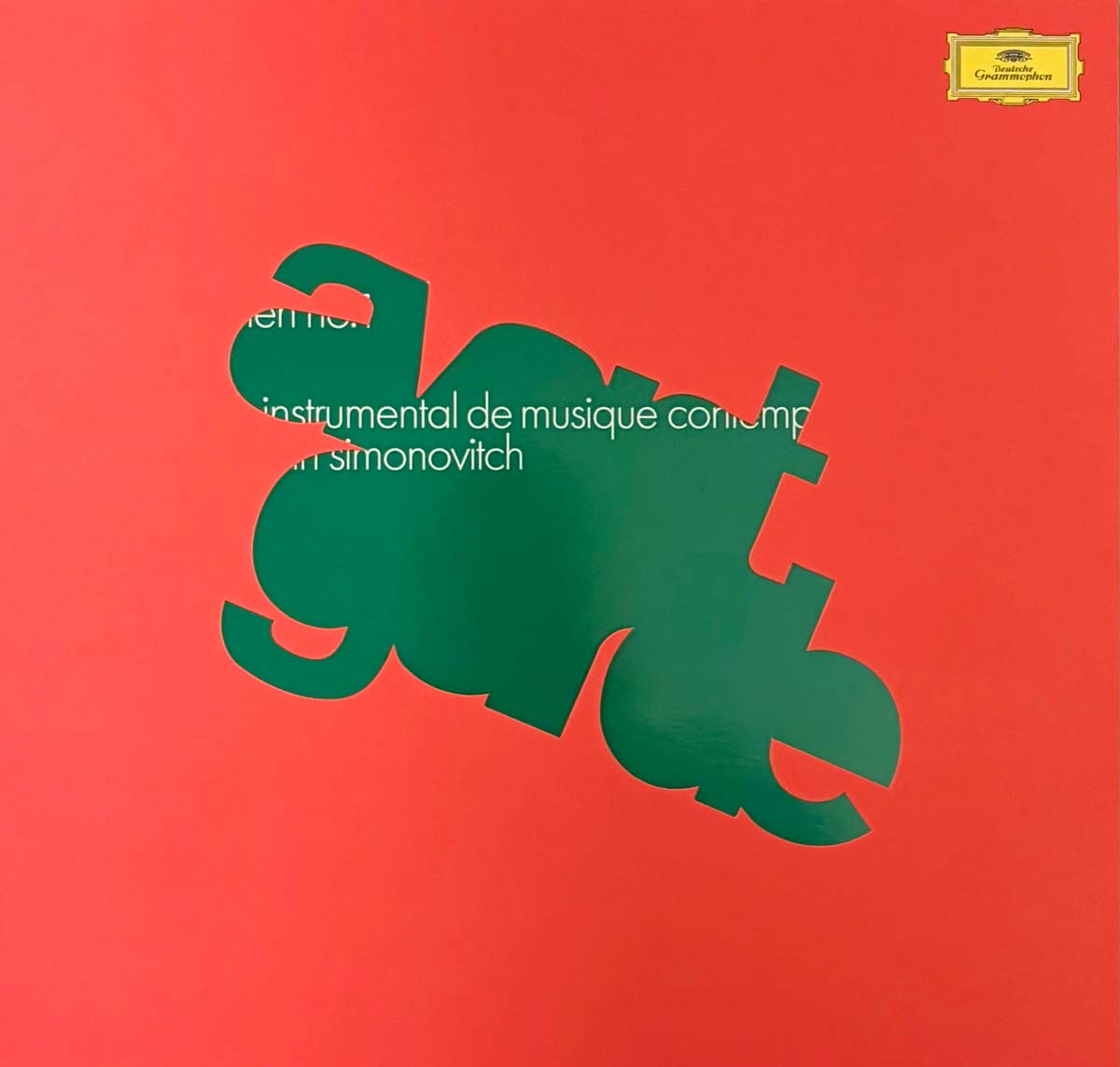
In their design, the new editions clearly take their cues from the historical originals. The covers, back covers, and labels have been reconstructed largely true to the originals, and the liner notes from the period have once again been made available. At the same time, there is a deliberate design intervention that harkens back to the series’ striking visual style of 1968–71. Each LP is accompanied by an oversized obi, drawing on elements of Op Art to create a distinctive visual accent.
Particularly noteworthy are the new liner notes. This editorial addition makes perfect sense: although the music was originally presented under the label “contemporary,” it is now being heard from a historical distance of, in some cases, more than five decades. Against this backdrop, the edition aims to provide not only the original context but also a contemporary perspective.
For this purpose, Bradford Bailey was brought on board, an author widely recognized within the scene as an authority on the subject. The combination of sonic restoration, updated design, and new accompanying texts makes it possible to experience these recordings both as historical documents and as artistic statements that remain relevant to listeners today.
Anyone interested in “music between worlds” should definitely take the plunge.
Deutsche Grammophon Avant-Garde Remasters
Mauricio Kagel – Acustica
Kölner Ensemble für Neue Musik, Mauricio Kagel
Label: Deutsche Grammophon
Format: 2 LPs
Tōru Takemitsu – Quatrain, A Flock Descends Into the Pentagonal Garden
Ensemble Tashi, Boston Symphony Orchestra, Seiji Ozawa
Label: Deutsche Grammophon
Format: LP (45 rpm)
Luc Ferrari – Presque Rien No. 1, Société II
Luc Ferrari, Ensemble Instrumental de Musique Contemporaine de Paris
Label: Deutsche Grammophon
Format: LP