
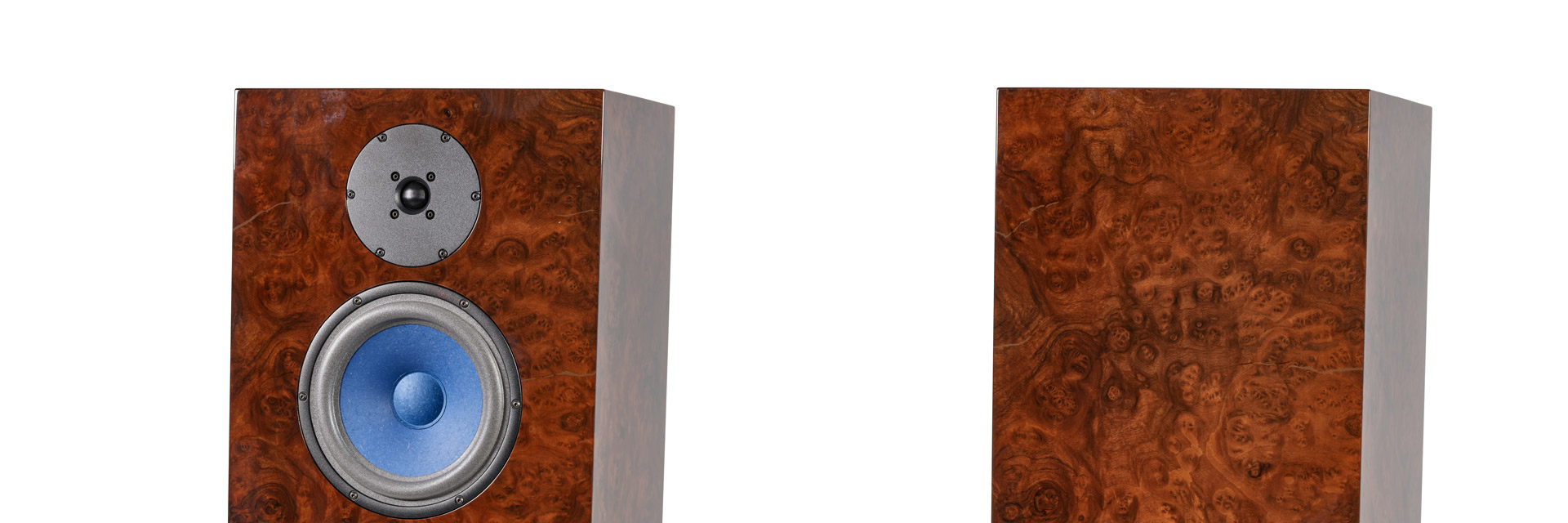

Conventional loudspeaker drivers operate according to a principle that is as simple as it is effective: the amplified signal is fed to a voice coil positioned within the circular gap of a permanent magnet. Electromagnetic interaction sets the coil in motion, causing the diaphragm to move. About a century ago, however, sufficiently powerful permanent magnets did not yet exist. Instead, designers relied on field coils. Rather than using a permanent magnet, these employed a second coil supplied with constant current to generate the required magnetic field. Naturally, this means the loudspeaker requires its own dedicated power supply. The additional complexity is worthwhile: whereas a conventional magnetic driver continues to ring ever so slightly after a transient, a field-coil driver stops the diaphragm almost instantaneously, yielding an extra degree of precision and control that translates into a surprisingly profound improvement in real-world listening.
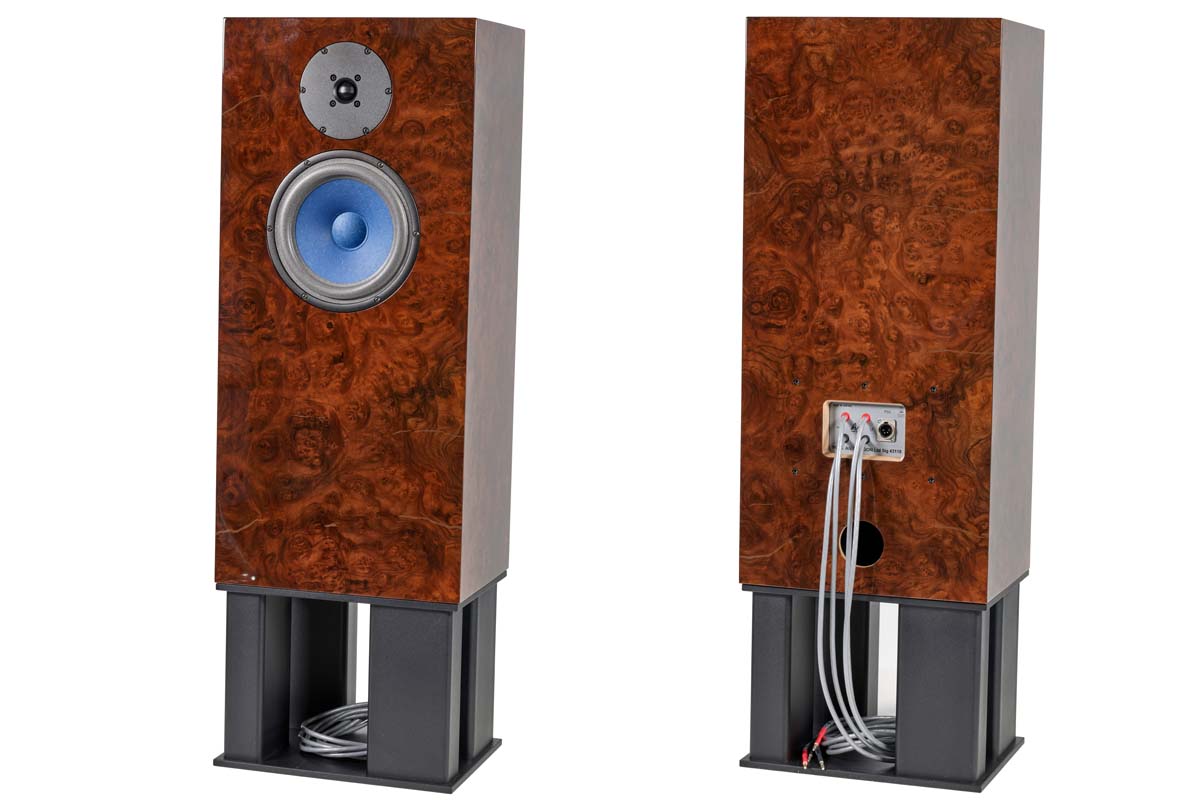
When Audio Note decided many years ago to develop an in-house field-coil driver for the flagship AN-E, chief designer Andy Grove could hardly have imagined the journey ahead. Because the interacting magnetic fields are influenced by virtually every metal component in their vicinity, the British team had to experiment with countless materials and manufacturing processes, reverse-engineer historic designs, and rediscover long-forgotten knowledge before the driver reached its current level of refinement. The effort proved more than worthwhile. Alongside countless fascinating stories from the development process, it resulted in a new generation of the AN-E/SPx that plays with greater naturalness, lower distortion, and more emotional involvement than ever before – and that’s saying something for a loudspeaker that already sounded positively sublime.
Back to FIDELITY Awards 2026 main page.