
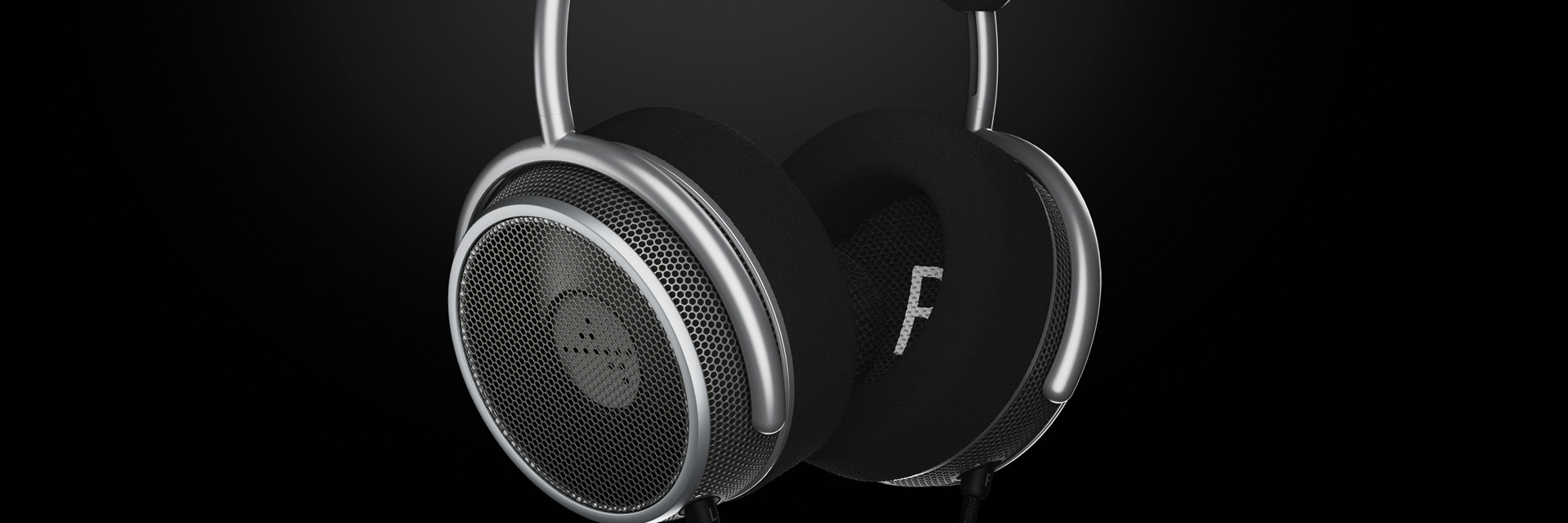
The folks at Grell don’t rely on old headphone traditions, but on scientific research, creating the OAE2.
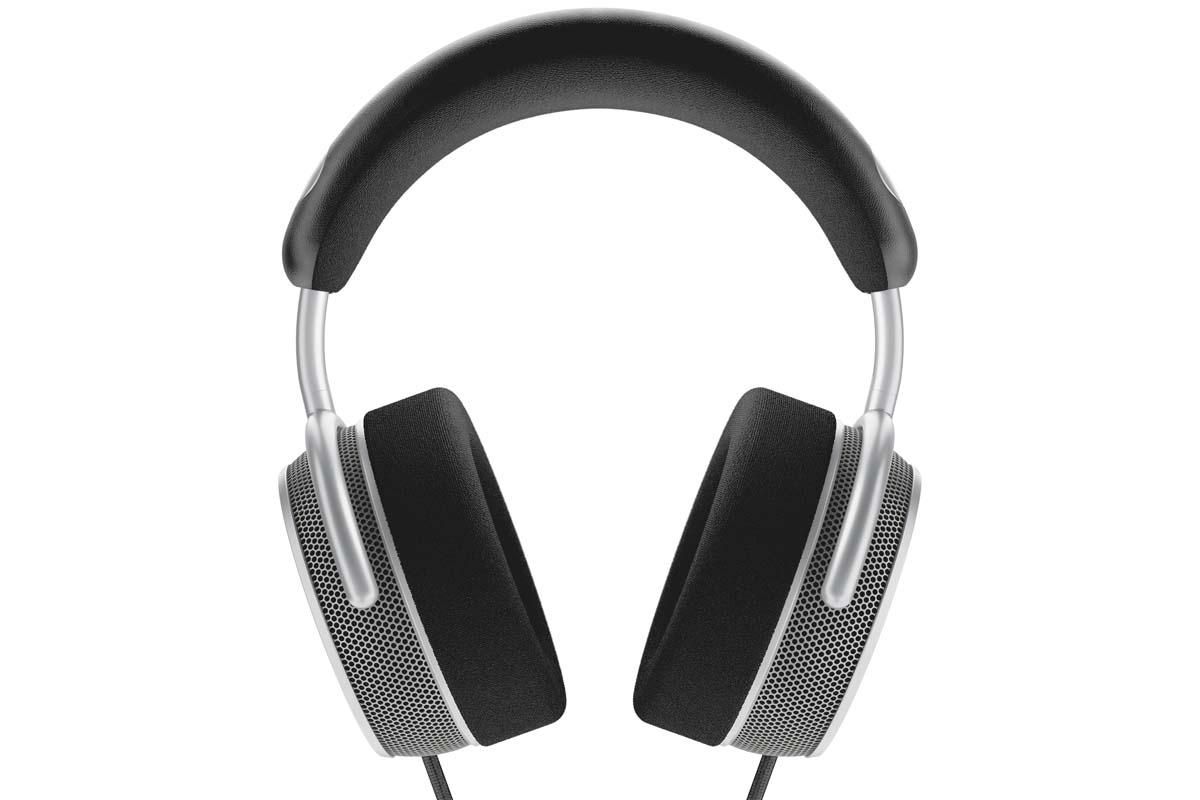
If there is one segment of the audio market that has been booming continuously for well over a decade, it is the headphone market. Exhibition spaces at the relevant trade shows are becoming increasingly expansive, and the price curve is rising steeply – two unmistakable signs of an ongoing success story. All the more intriguing, then, when a product arrives on the domestic market that not only promises technical innovations, but also comes with an attractive price. Even more intriguing when you learn that behind its development is not some newcomer with get-rich-quick ambitions, but an established industry professional.
Axel Grell has been one of the defining figures in the high-end headphone segment for decades. As a key developer, he was involved in a wide range of models that achieved reference status among both enthusiasts and professionals. Among the best-known products created with his expertise are the Sennheiser HD 600, HD 800, and HE 1, the Neumann NDH 30, and the Heavys H1H. Grell has been working as an independent consultant since 2019 and collaborates with several internationally renowned pro-audio brands. In 2020, he also founded his own brand, Grell, under which he continues to develop his acoustic concepts into independent products.
The Ear as a Starting Point
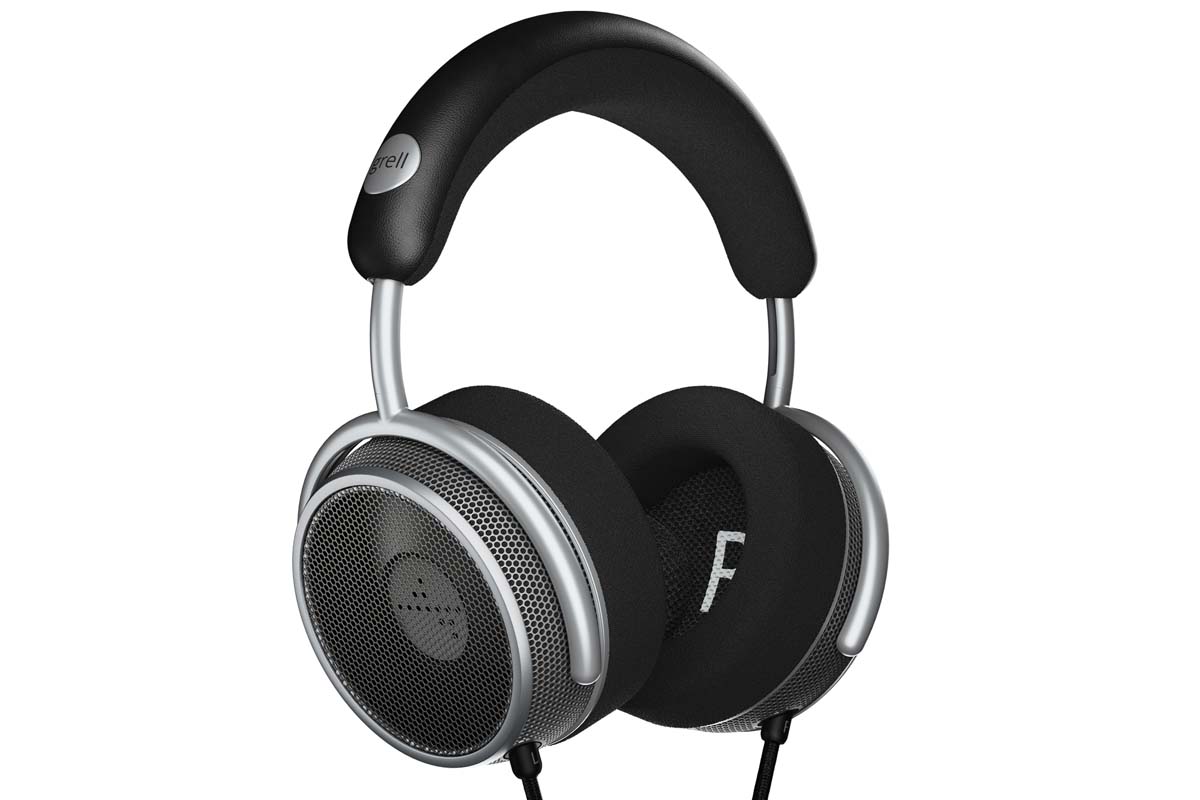
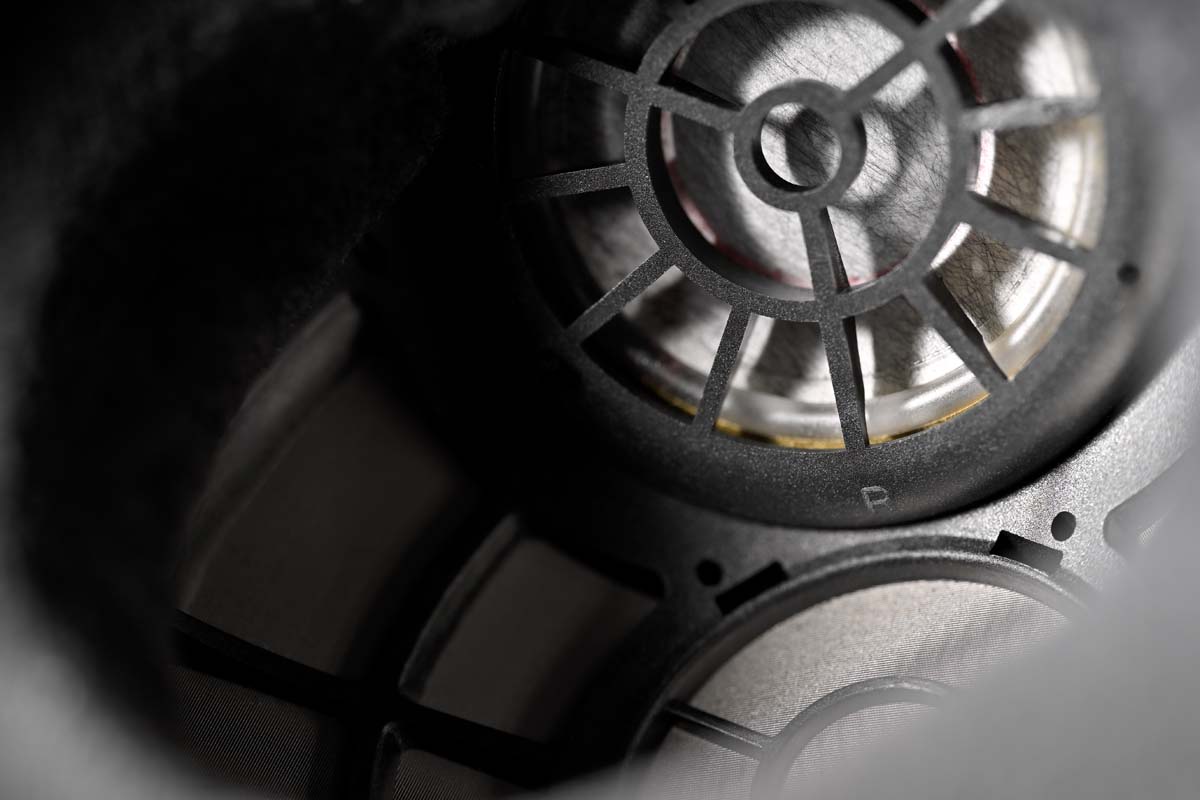
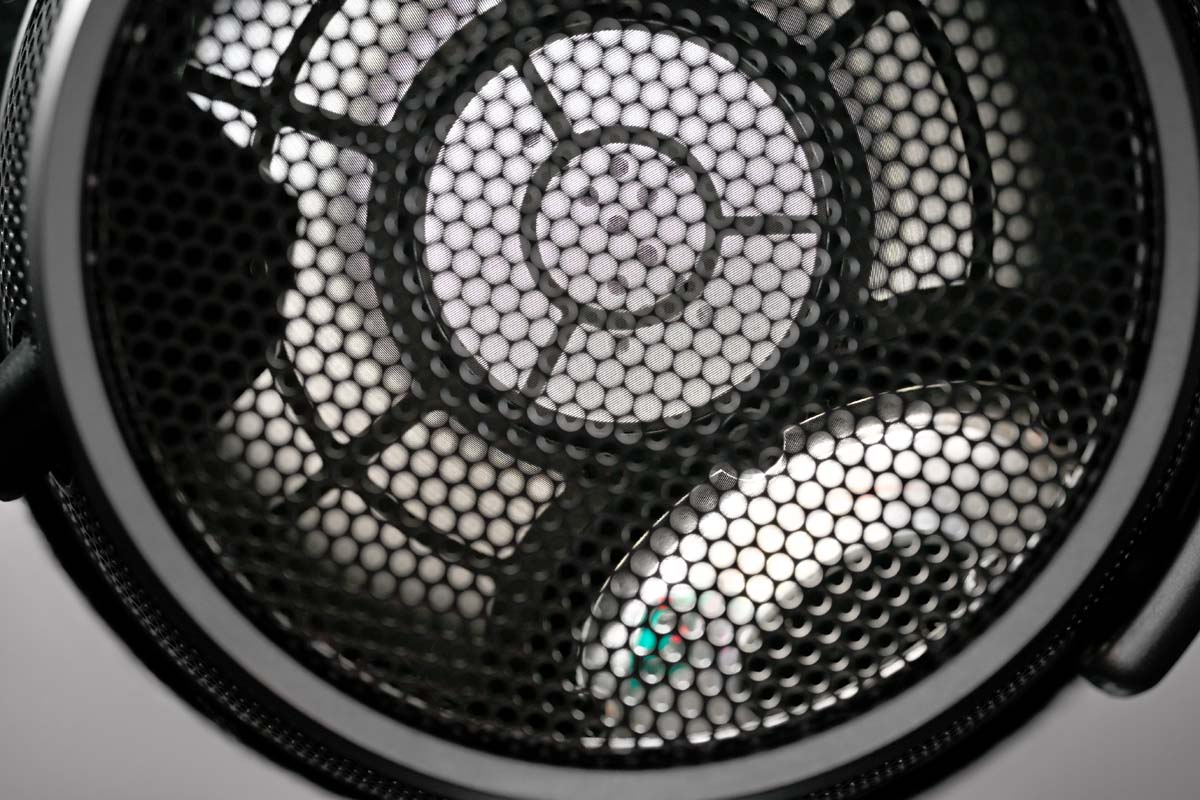
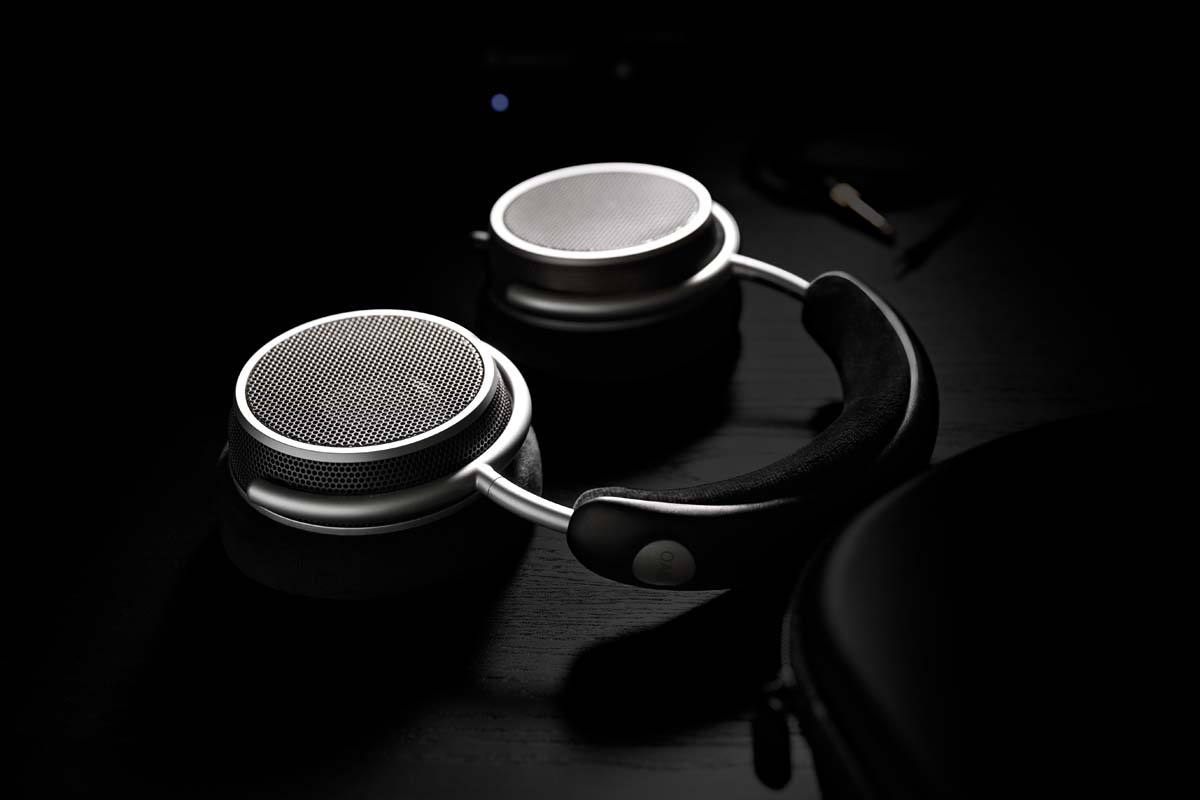
With the OAE1 and OAE2 models, Grell is pursuing a design approach that differs from conventional headphone concepts. The focus is not solely on the driver or a particular voicing, but on deliberately incorporating individual ear geometry into the acoustic design. The starting point for these considerations is the observation that, in everyday life, humans predominantly perceive sound from the front – at concerts, in conversation, or when listening through loudspeakers. Accordingly, the acoustic concept is based on so-called front-side sound field modulation (FSFM), in which the transducers are positioned at an angle in front of the ears rather than to the sides. Whereas conventional headphones radiate sound directly from the left and right, creating a lateral sound field, FSFM technology projects sound waves as though they were coming from a source positioned in front of the listener. This recreates natural hearing behavior: the ear processes sound from the frontal direction particularly efficiently because diffraction and reflections around the outer ear, head, and upper body are incorporated into perception. Since every ear has an individual shape and the frequency response at the eardrum varies from person to person, this approach aims to make constructive use of anatomically determined influences and enable the most uncolored, detailed reproduction possible, particularly in the midrange and treble.
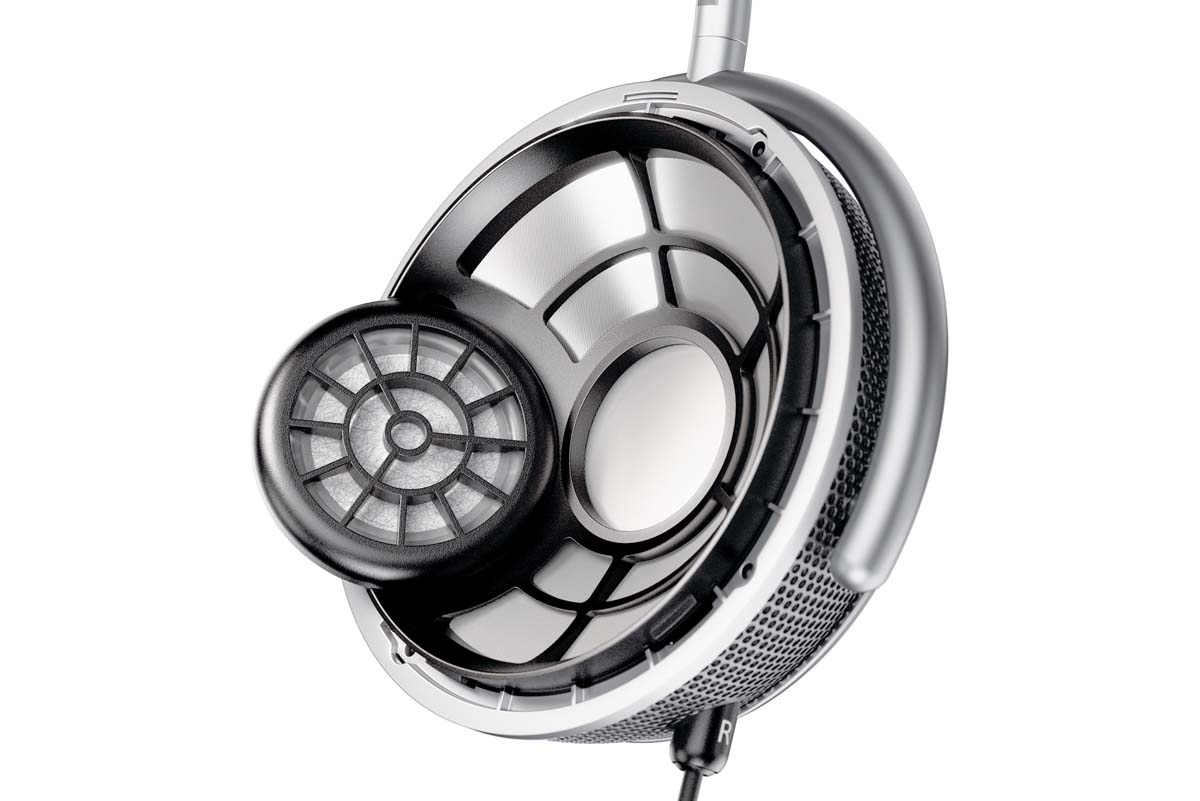
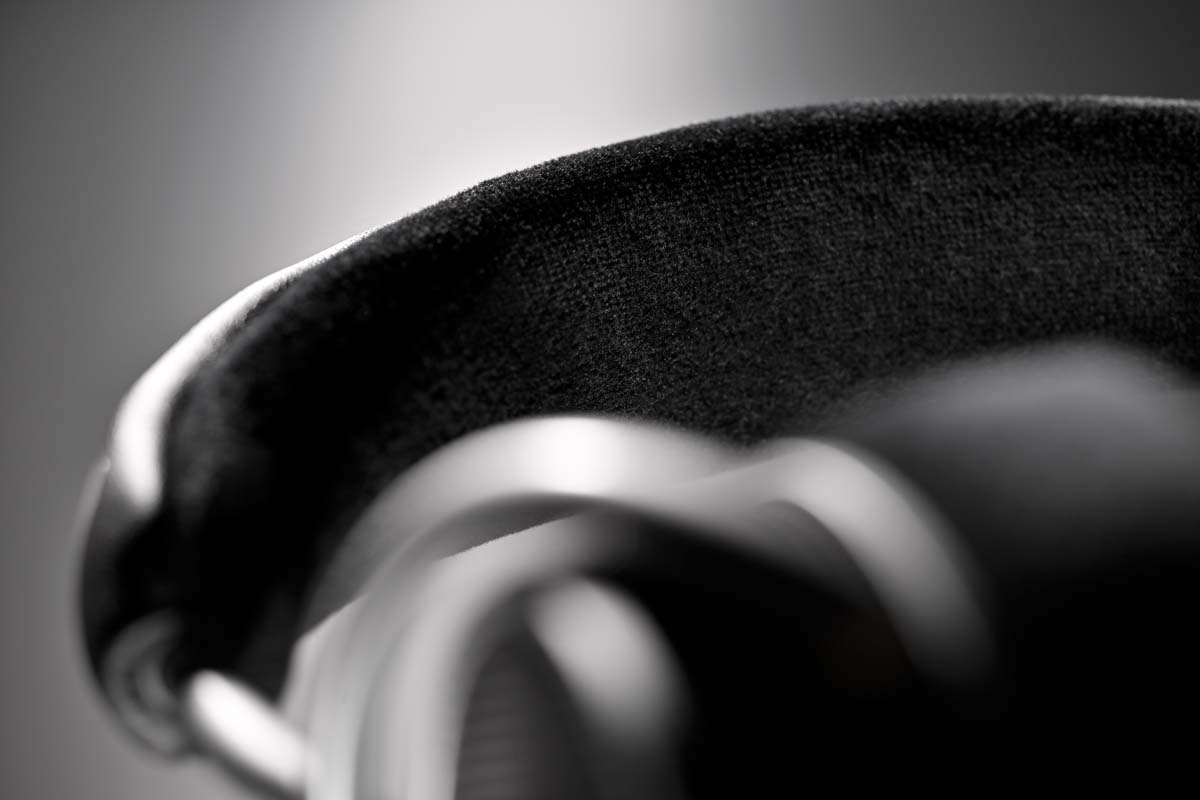
Building on this fundamental approach, the larger OAE2 model features an enhanced damping concept based on extensive analyses of various acoustic materials. The goal was to combine the openness of the design with controlled low-bass reproduction while specifically minimizing resonances. A carefully considered combination of mechanical elements and selected materials – including fabric, specialized plastics, zinc, and stainless steel – provides the foundation for the concept, while the technical implementation is itself part of an ongoing research process. Grell assumes that human hearing doesn’t function like a standardized measurement microphone, but is strongly influenced by individual anatomical differences. Diffraction and reflections from the body, head, and especially the outer ear have a significant impact on how sound is perceived – particularly when the sound source is positioned very close to the eardrum. Against this backdrop, the company is working on new transducer concepts, materials, and manufacturing methods to deliberately incorporate the natural geometry of the ear into the acoustic design. In collaboration with the Institute of Communication Technology (IKT) at Leibniz University Hannover, the “Krispiphy” project is investigating questions surrounding individual hearing in greater depth. The findings gained there feed into the further development of the products and underscore the goal of combining technical innovation with research into hearing physiology.
A Different Kind of Listening
So how does the whole thing sound, and do you actually have to get used to it? Or, to put it more provocatively: Has our listening experience with conventional headphones ruined our perception to the point where Grell’s design, geared toward “natural” hearing behavior, will completely throw us off? I can reassure you right away: No, there’s no need for any kind of training to get along with these headphones, even though they can certainly be surprising the first time around. First of all, there is a very nimble, open, and transparent voicing that, in some respects, reminds me quite a bit of Sennheiser’s large 800-series models. What is particularly striking, however, is the price at which this is now possible. But when you consider that the Grell OAE2 was invented, but not made, in Germany, the agreeable price starts to make sense.
Let me describe the overall sonic impression in greater detail using two very different albums. With Mozart’s Violin Concertos featuring Isabelle Faust and the period-instrument ensemble Il Giardino Armonico, the headphones display a remarkable lightness: the strings sound agile, spreading almost like a buzzing swarm of bees around the head without losing their structure. Isabelle Faust’s solo part is cleanly and distinctly delineated, never swallowed up by the orchestra. Woodwind entries are clearly accented and precisely placed. Overall, the OAE2 conveys a very transparent, slightly bright tonal character that never becomes sharp or piercing. The soundstage feels wide and open, almost like being in a spacious concert hall – an impression that remains even during extended listening. There is no sense of confinement or claustrophobia, even after lengthy sessions.
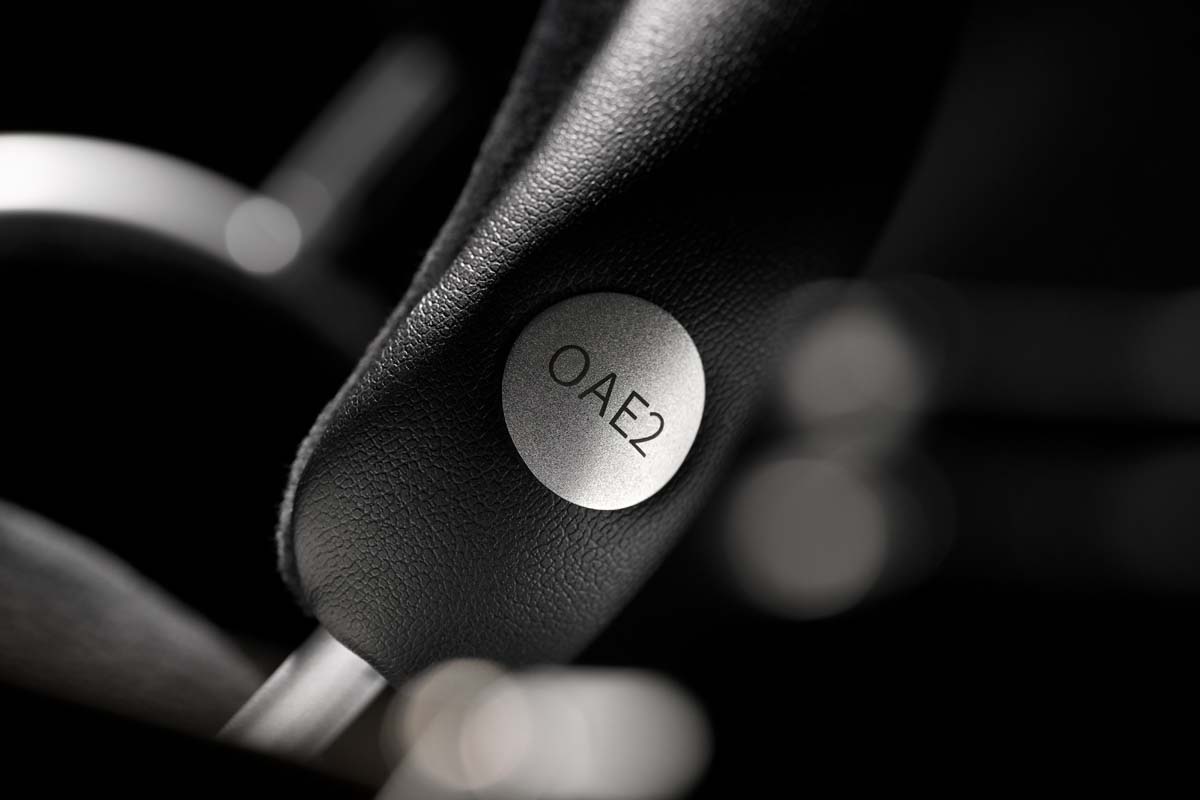
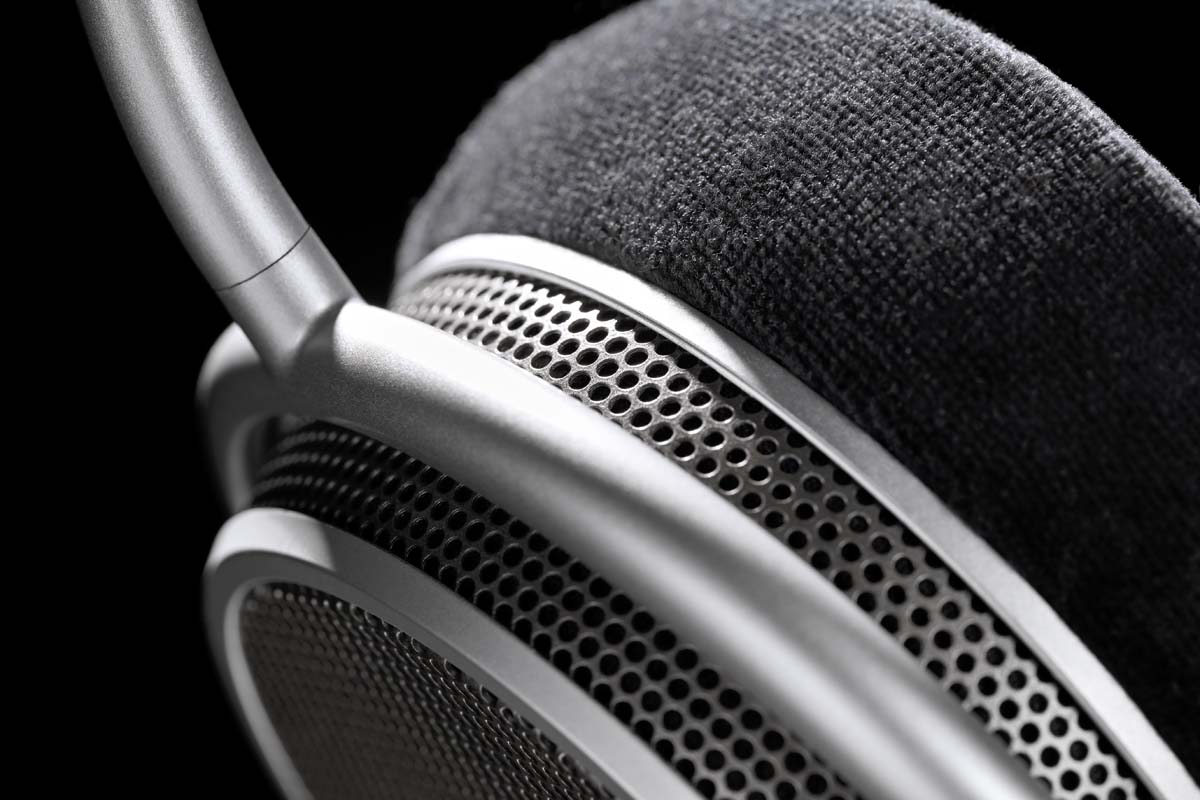
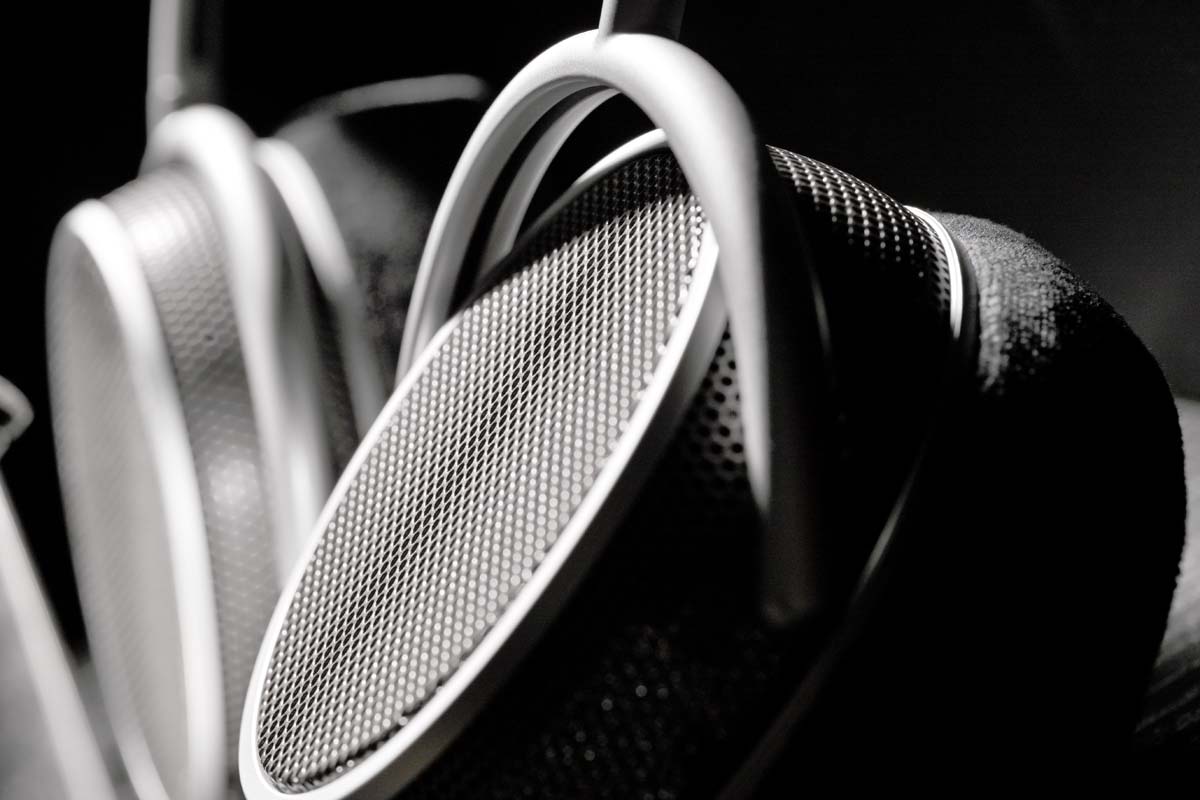
The OAE2 enters completely different territory with Trentemøller’s The Last Resort. Here, it surprises with a deep-reaching, powerful bass foundation whose substance almost resembles that of closed-back systems. At the same time, the mids and highs remain airy and well differentiated – the transparency that already impressed with the Mozart recordings continues in the electronic context as well. Rather than creating a hard-hitting club sound, the result is more of a high-resolution, audiophile presentation with clear structure and depth. But make no mistake: this does not mean the OAE2 is bass-shy, quite the opposite. This headphone simply does not push itself to the forefront; instead, it remains integrally woven into the presentation with electronic music. Overall, the OAE2 presents itself less as an effects device designed for a quick wow moment and more as a headphone with lasting enjoyment value.
Power for the Fun
Finally, there is one point worth keeping in mind when you first encounter Axel Grell’s current headphone. Although the specifications – with an impedance of 38 ohms – suggest a headphone that is fundamentally easy to drive, testing with several headphone amplifiers revealed that the OAE2 can certainly benefit from a little extra “kick in the ass.” Your headphone amplifier should not be overly gentle and should, in principle, be designed to drive headphones with medium or even high impedance as well – then you will definitely be on the safe side and discover that, alongside all its high-end qualities, the OAE2 also brings a considerable amount of fun to the experience.
Headphones Grell OAE2
Concept: Over-ear headphones, open design without crossfeed | Drivers: Wideband transducer with biocellulose diaphragm | Frequency response (−3 dB): 12 Hz to 34 kHz | Impedance: 38 Ω | Sound pressure level (@1 kHz/1 V): 100 dB | Maximum input power: 500 mW | THD (@1 kHz): 0.05% | Features: rugged, durable construction; modular design with replaceable components; front-side sound field modulation (FSFM) | Included: carrying case; silver-plated OFC cable with 3.5 mm plug (including 6.3 mm adapter), silver-plated OFC cable with 4.4 mm plug for fully balanced operation | Weight: 378 g (without cable) | Warranty period: 2 years | Price: around €500
Sieveking Sound
Plantage 20
28215
Bremen, Germany
Phone +49 421 6848930
kontakt@sieveking-sound.de