
Latin jazz, rock jazz, gypsy jazz… we’ve seen it all back in the last century already. But in recent years, a new style has been gaining ground – one that spices up jazz with heavy metal elements. Perfect for listeners without blinders on.
Jazz is an octopus. Even in its early days around 1915 in New Orleans, it was a multicultural mix of African, European, and Latin American elements. And jazz has never stopped absorbing musical influences from the outside, wherever they may come from: Afro-Cuban rhythms like mambo, rumba, and bolero; classical forms like canon and fugue; Afro-American dance styles like calypso, soul, and funk; modal practices from India, West Africa, and the Arab world; pop trends like rock, punk, hip-hop, techno, and electronic music; folk traditions like flamenco, Balkan rhythms, and gypsy music. Even Renaissance hymns and broken beats have found a place in the vast jazz conglomerate – and the palette of stylistic devices keeps expanding.
Around 1980, hard rock evolved into heavy metal – even if the term itself only caught on later. Today, elements of metal and progressive metal – crushing guitar riffs and thunderous drumming – have long since entered the mainstream. You hear them as fragments in film scores, at the Eurovision Song Contest, in TV commercials, even in contemporary classical music. But when the octopus called jazz stretches its tentacles toward heavy metal, it doesn’t stop at surface-level borrowing. This metal-jazz blend hits like a kind of “new fusion.” Many bands today playfully handle the contrast between jazz and metal. In France, for example, there’s OZMA and Mowgli; in Germany, Edi Nulz, Hello Truffle, Kuhn Fu, Malstrom, and Phalanx.
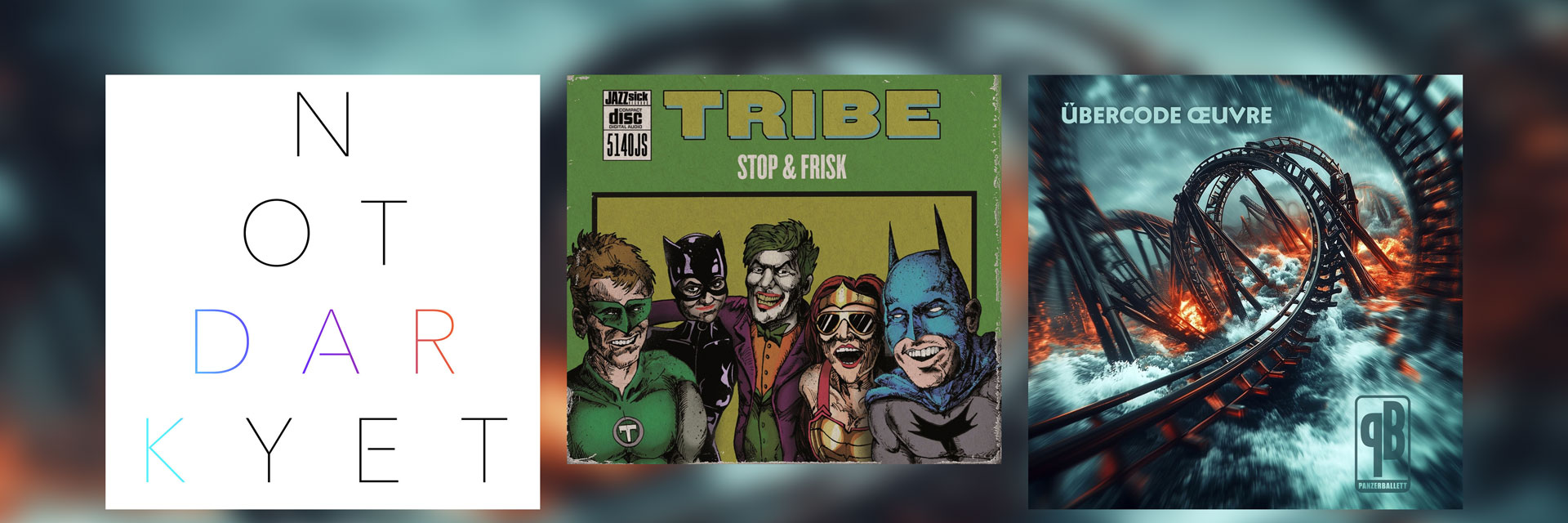
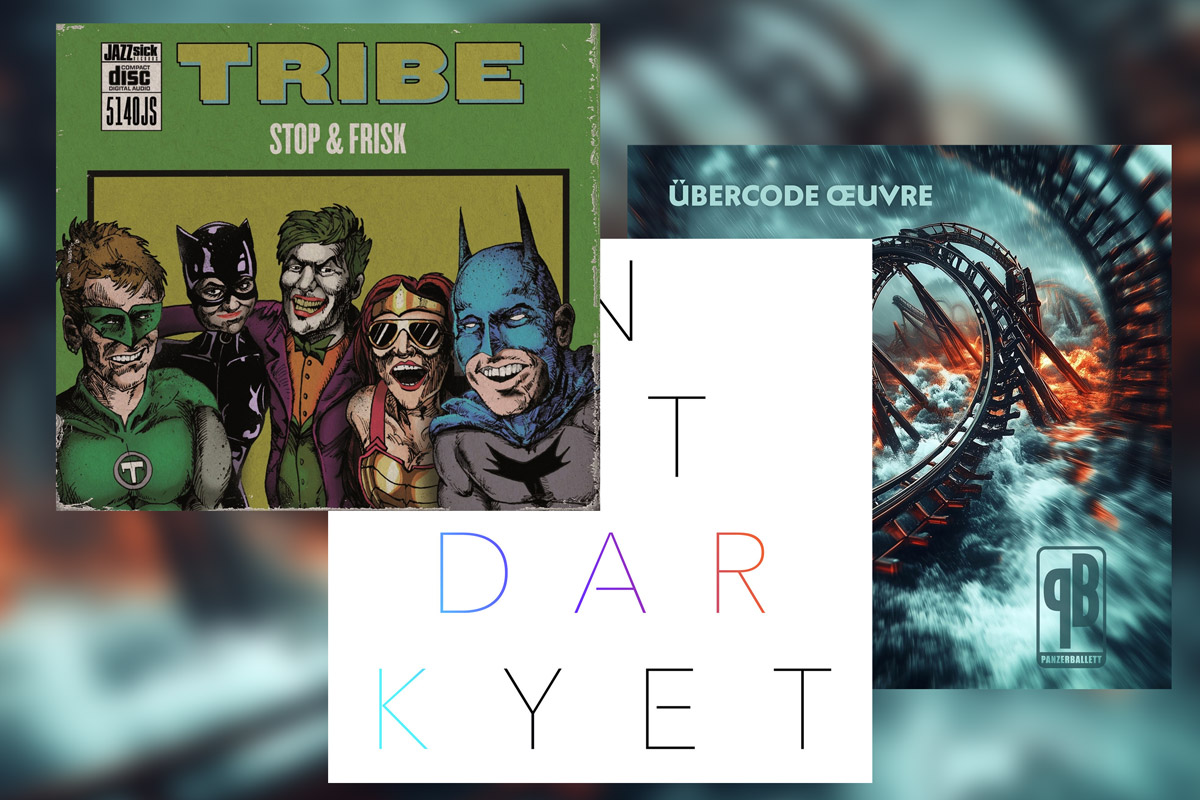
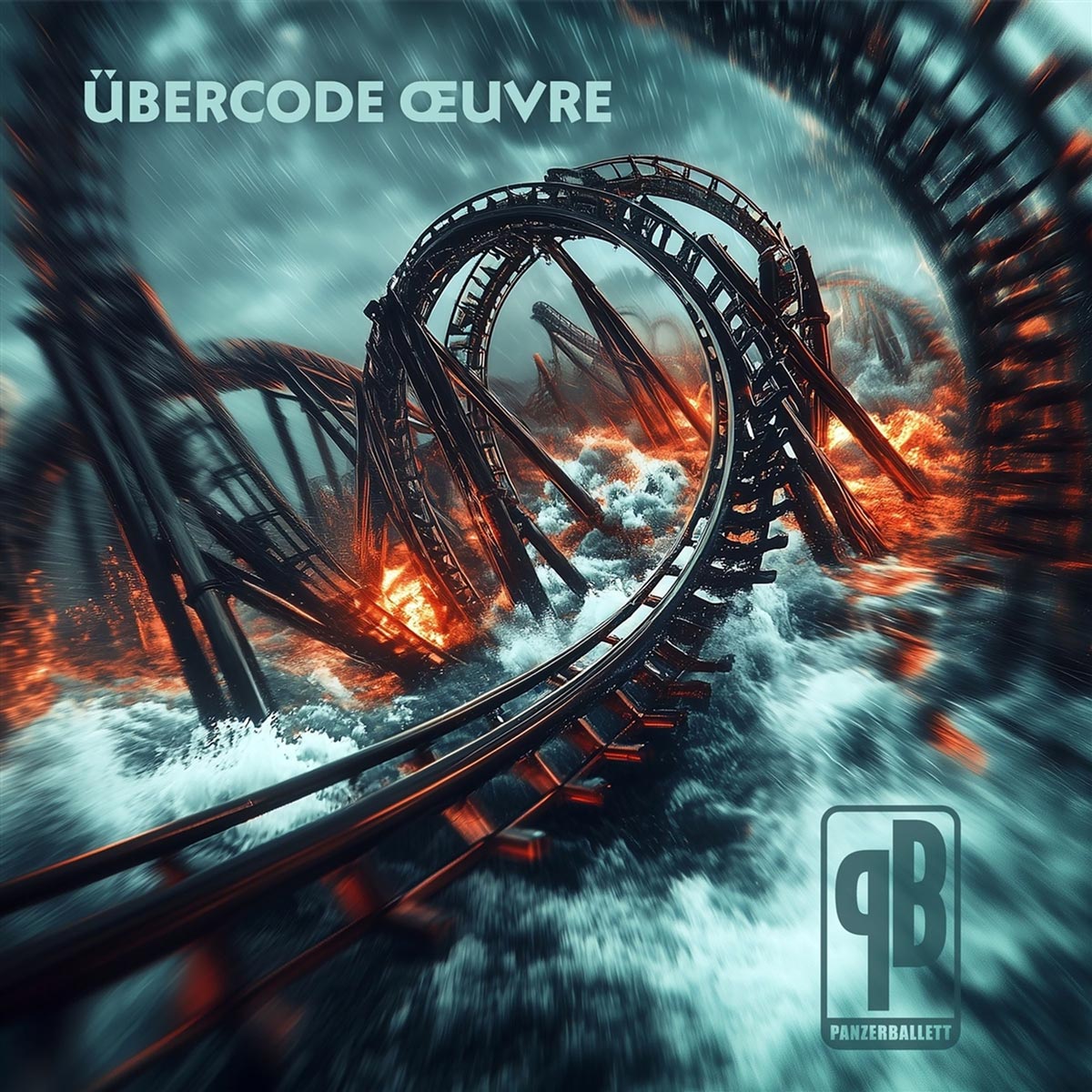
A brilliant pioneer of metal jazz (or jazz metal) is guitarist Jan Zehrfeld (born 1977). He originally learned electric guitar to play metal, later joined the German National Youth Jazz Orchestra (“I guess I’m more of a cerebral type”), and has never really chosen between genres. The music of his group Panzerballett is a highly virtuosic fusion of math metal and high-speed jazz, packed with tricky meters and wild stylistic breaks. Some of their albums were released on a jazz label (ACT), others on a prog rock label (Gentle Art of Music). Even 20 years after their debut album (2005), the fascination of this super-nerdy, hyper-nervous extreme aesthetic hasn’t worn off. Their current album Übercode Oeuvre features once again some of the best drummers in the prog metal scene (Virgil Donati, Marco Minnemann, Morgan Ågren, among others). The series of “outrageous” adaptations of pop, jazz, and classical themes also continues, this time with pieces by Beethoven and Ligeti. Buckle up!
In 2014, American Nathan Parker Smith successfully translated metal jazz into a big band format. His “Large Ensemble” on the album Not Dark Yet includes no fewer than 13 horn players – and, of course, an electric guitarist (Kenji Shinagawa). Dark and intense, the riffs pulse heavily; themes sound brutal and loud; beats rumble ominously; counter-riffs cut in with a jarring rock edge; and at times a weighty polyrhythmic flow emerges.
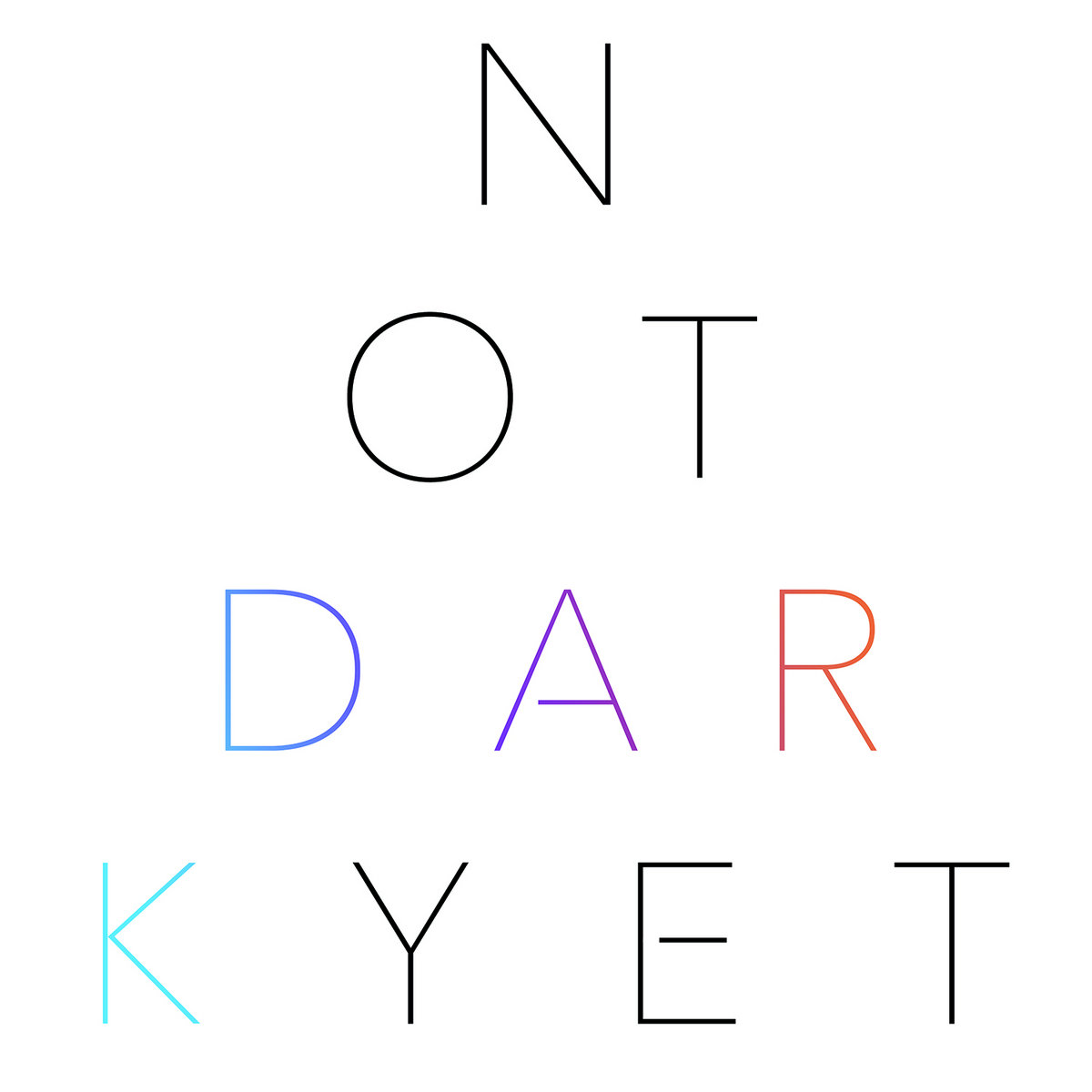
The orchestra’s massive shock pieces sometimes carry eerie death metal titles like “Dark Matter,” “Creature Rebellion,” “Build and Destroy,” or “Monsters” – yet they average only a compact three minutes in length. Critics have called it “a concentrated, highly effective dose of thunderous jazz-metal power” and “the world’s only heavy metal horn band.”
A different kind of metal-jazz mixture comes from the quintet Tribe. Its intensity stems not only from Andreas Wahl’s complex prog metal guitar riffs, but also from the hip-hop- and punk-inspired beats of Bernd Oeszevim. The drum groove rages with force, the electric guitar lays down intricate heavy motifs, and above it all blasts a three-part horn section of trumpet, alto sax, and trombone. On their debut album Stop and Frisk, riff clashes with riff, horns and guitar interlock polyphonically, the drummer delivers complex power, and finely tuned, virtuosic interludes provide an effective contrast.
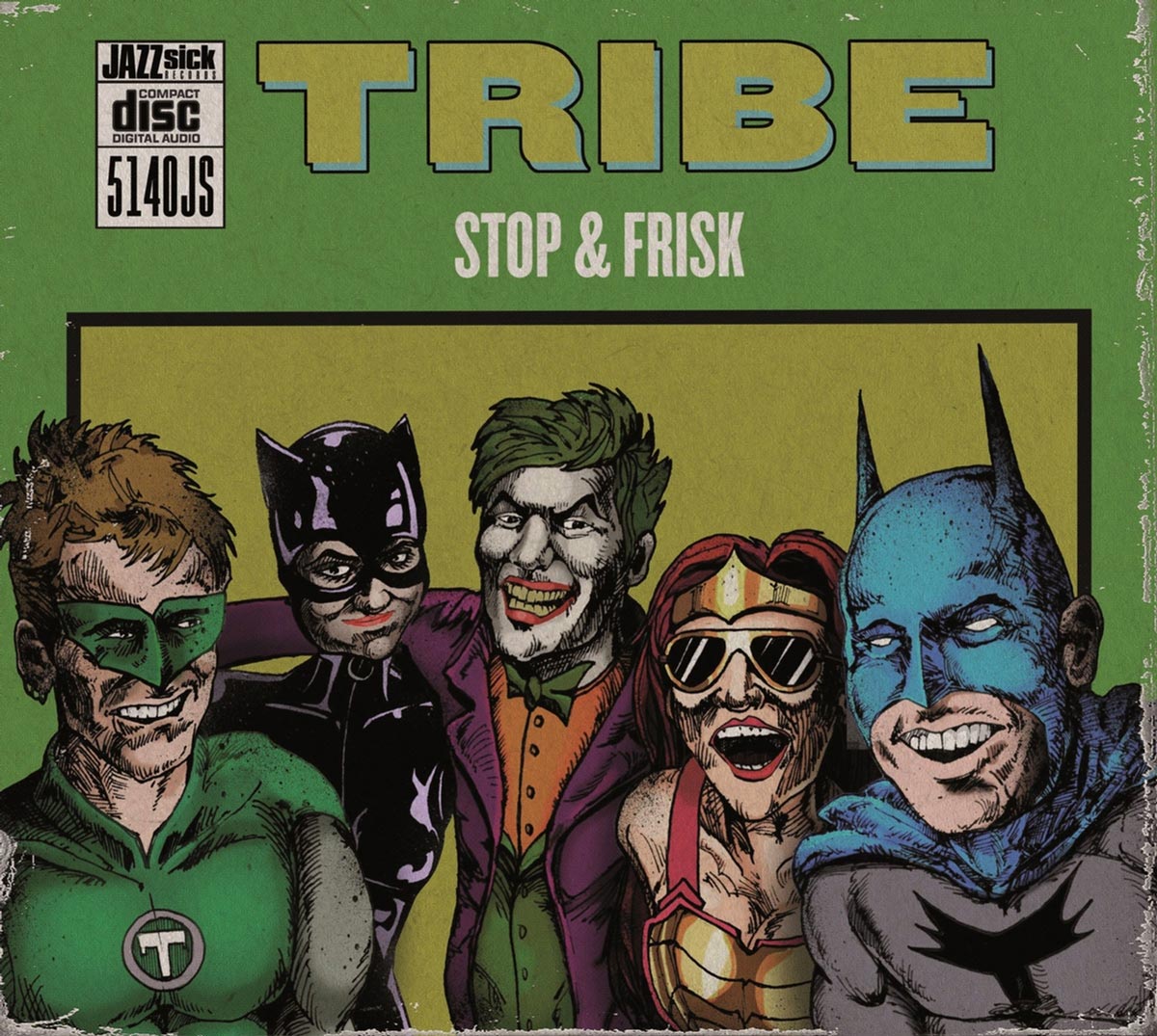
Then, in the astonishing improvisations, jazz imagination explodes: trumpet with drums, saxophone with guitar, guitar with drums, saxophone with trombone. One critic calls the band the “enfants terribles” of jazz and asks: “Prog-bop? Heavy jazz?” In any case, “not for the faint of heart” (Kulturnews).
Links to Metal Jazz Releases
Übercode Oeuvre auf panzerballett.de
Tribe – Stop & Frisk auf JazzSick