
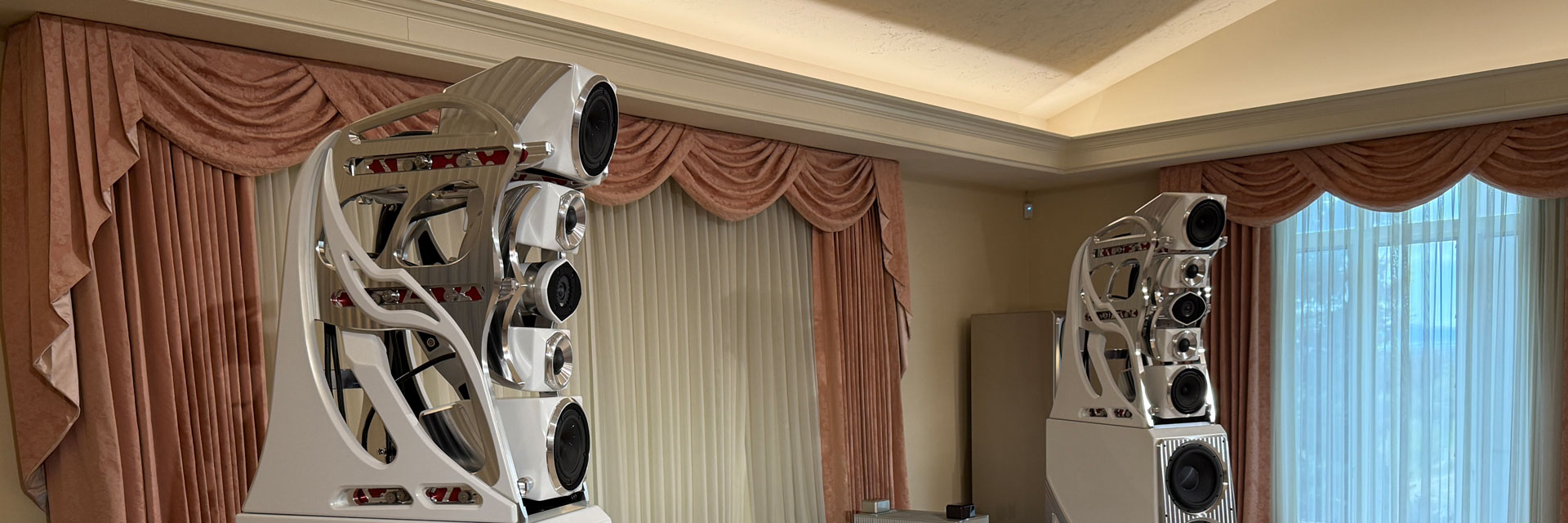
FIDELITY was one of only two European magazines – and the sole publication from Germany – granted the privilege of attending the presentation of a new Wilson Audio loudspeaker. Although “privilege” captures only part of it. In truth, it was an immense pleasure.

And if “privilege” tells half the story, then “presentation,” strictly speaking, covers only a third. The Autobiography is not merely intended as Wilson Audio’s latest reference model, but rather as the culmination of everything the company has learned about loudspeaker design over the course of more than five decades. To honor the gravity of the occasion, the event itself therefore unfolded in three distinct acts.
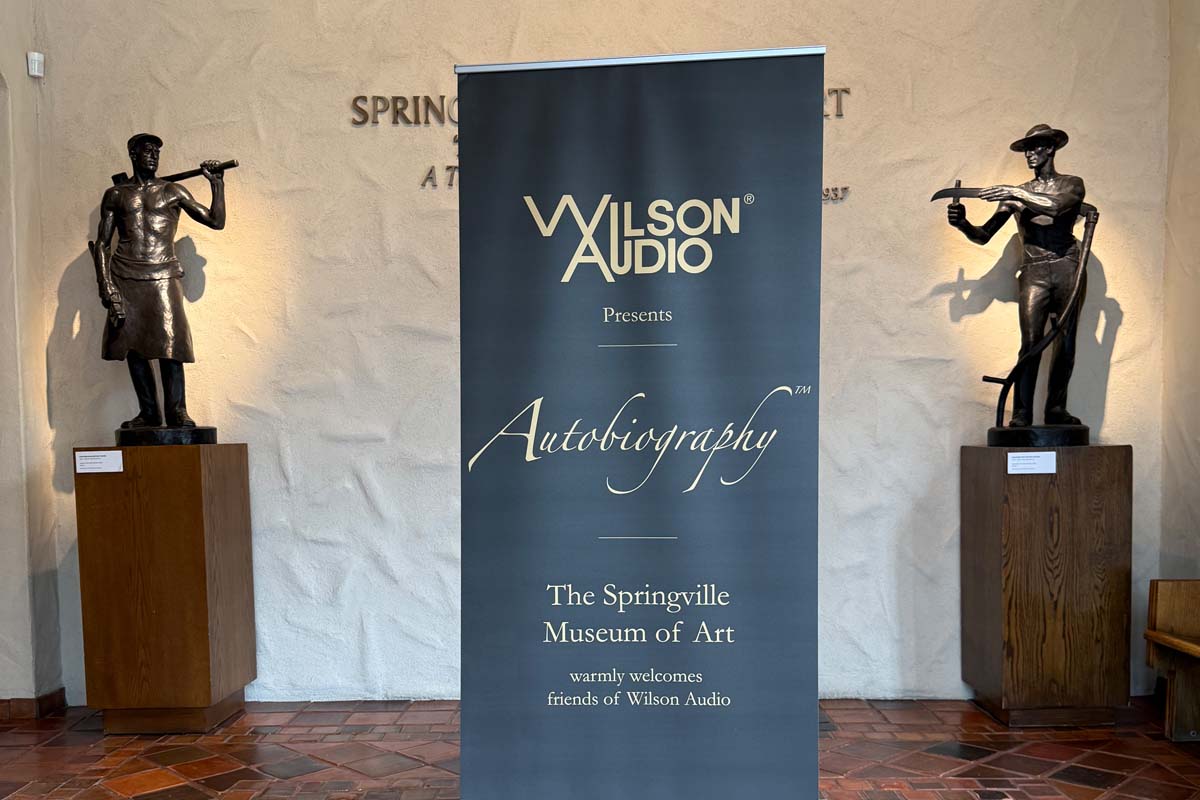
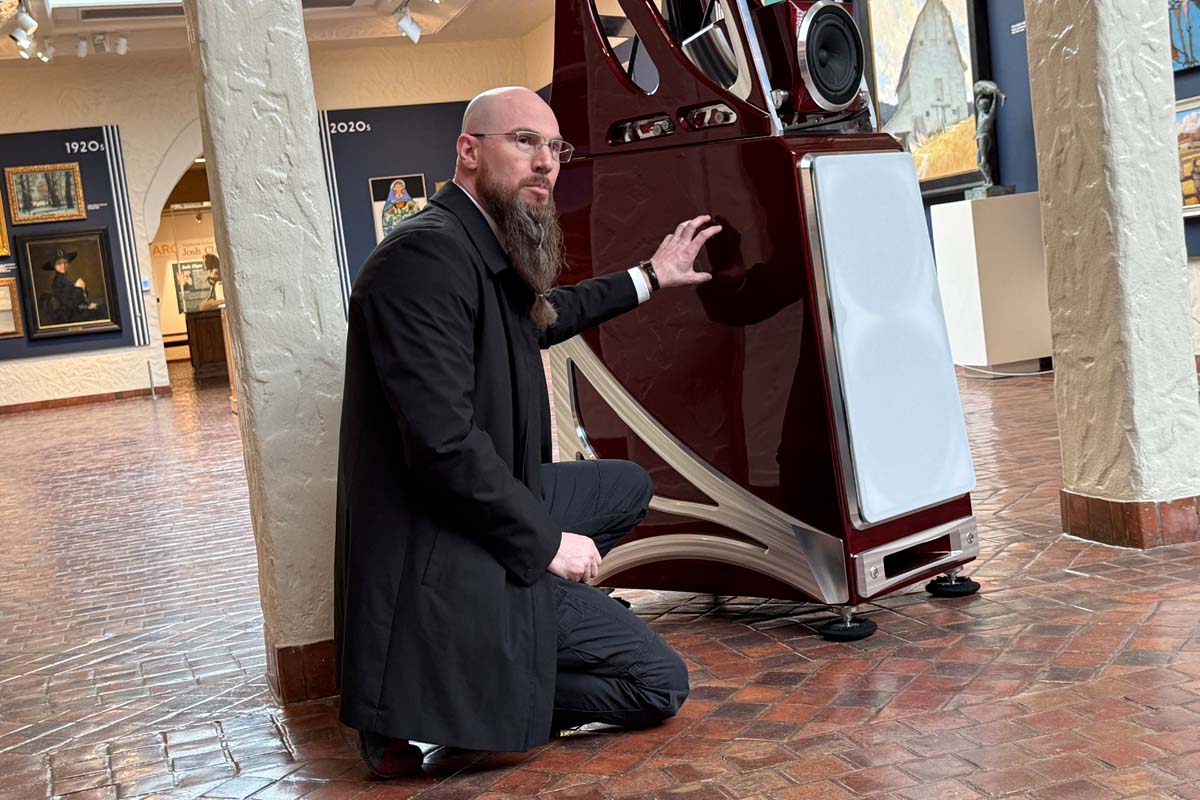
It began with the reveal itself. The venue had been chosen with care: the Springville Museum of Art in Springville, Utah, just a short drive from Wilson Audio’s headquarters in Provo. An art museum, fittingly enough. Because what was presented that day felt less like a product and far more like a work of art.
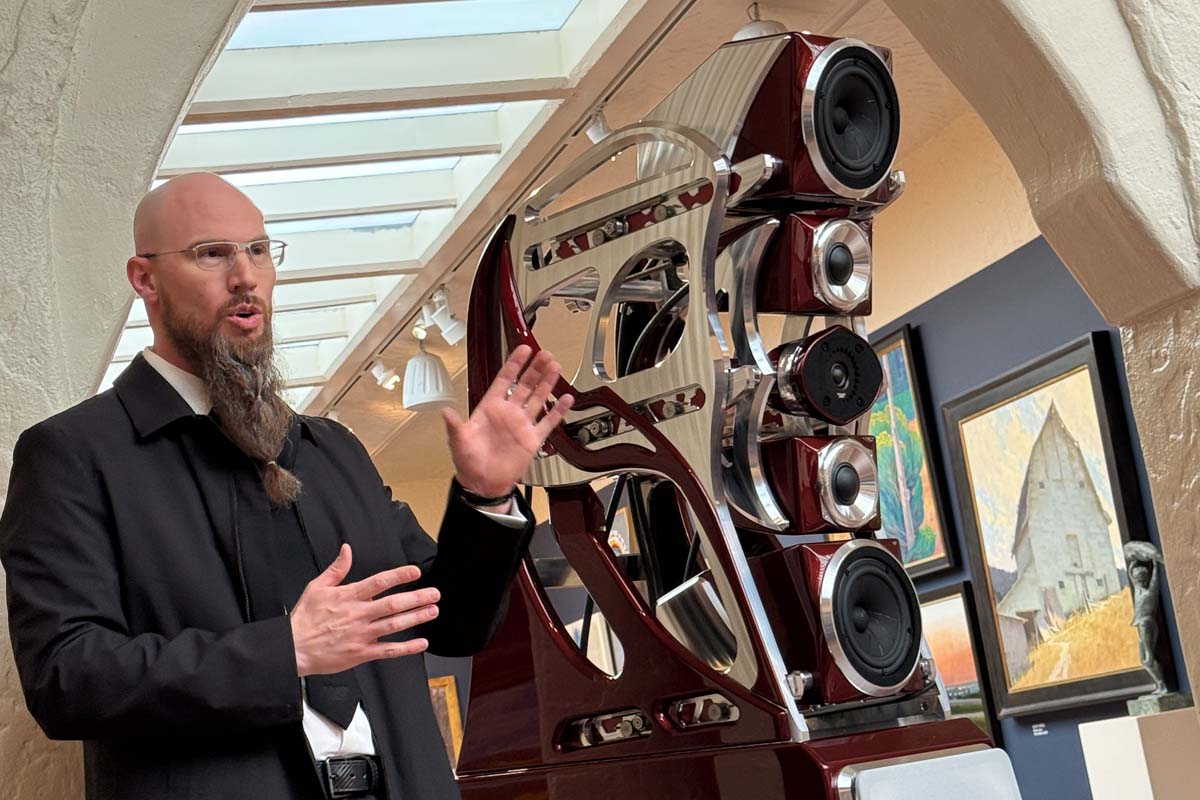
Among the journalists gathered from around the world, there was a palpable sense of anticipation. When Wilson Audio invites you to witness something new, one assumes it will not be a mere model refresh. And when the curtain finally fell, an audible murmur swept through the room.
Before us stood the new Wilson Audio Autobiography.
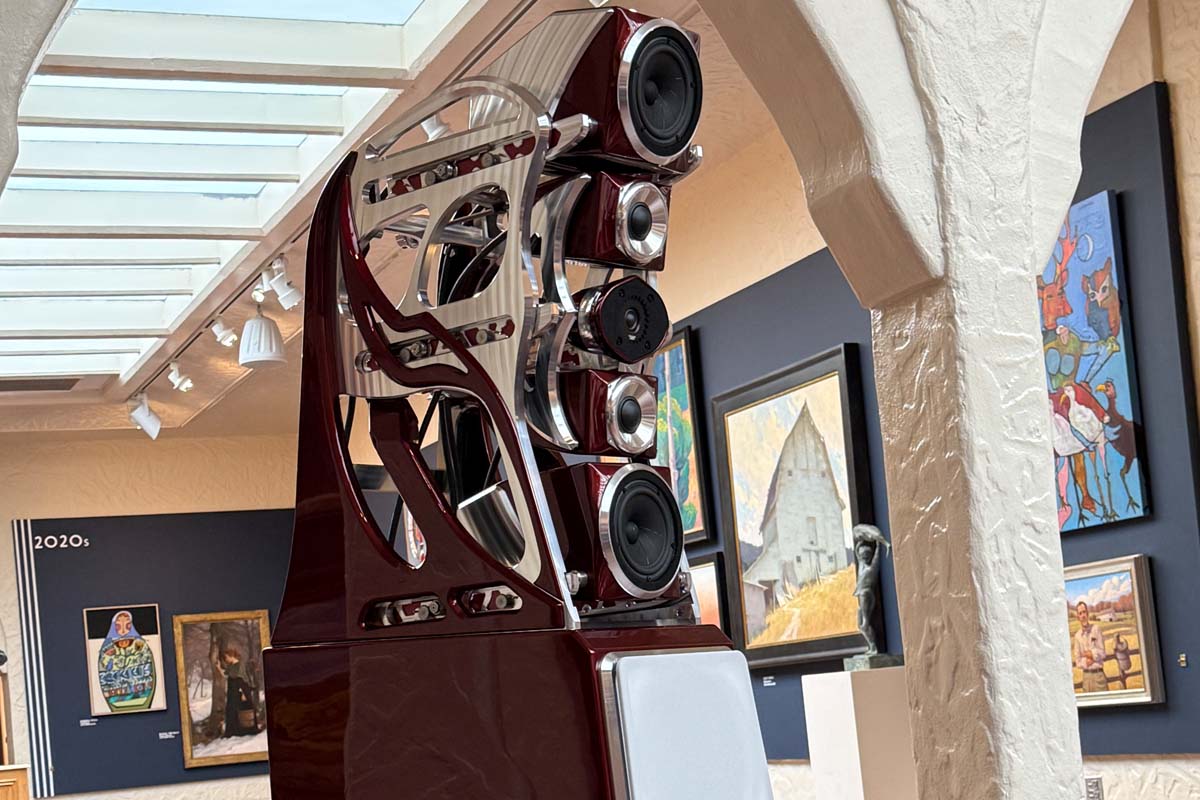
The Autobiography positions itself as the logical evolution of the Master Chronosonic – and at the same time as a summation of everything Wilson Audio has researched, refined, and perfected over decades. Yet even “evolution” scarcely does it justice. Rather than simply advancing the existing concept, Wilson Audio appears to have leveraged its latest insights and materials to engineer an entirely new loudspeaker from the ground up, one that nonetheless remains faithful to the same fundamental design philosophy as its predecessor – and ultimately indeed the original Wilson Audio Modular Monitor. Externally, the family resemblance is immediately apparent – but, as so often, the devil resides in countless details.
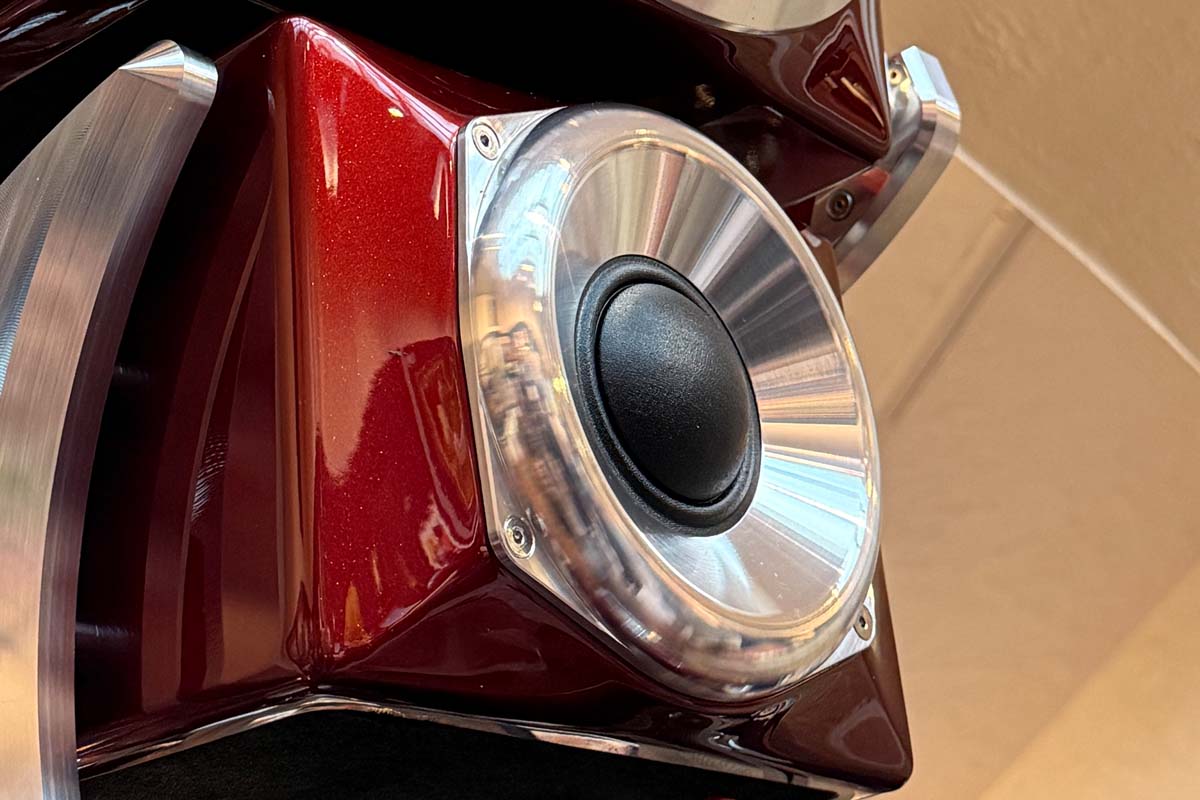
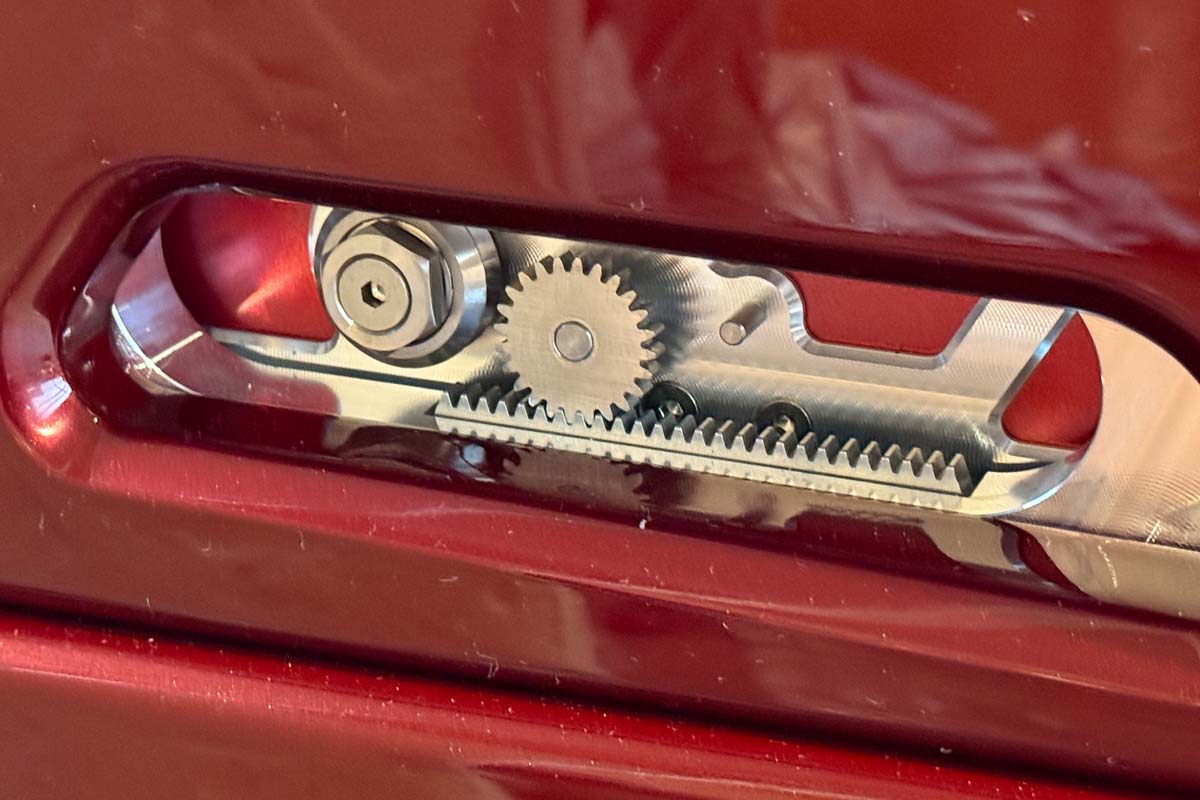
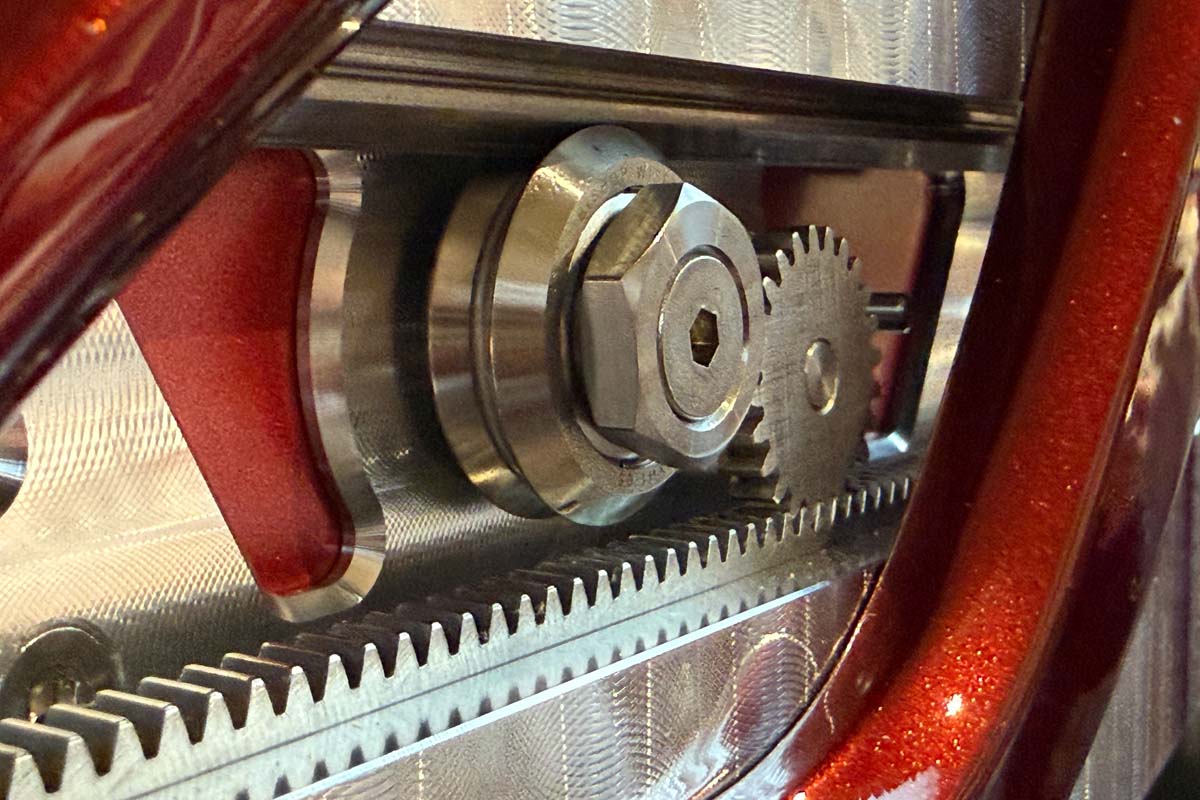
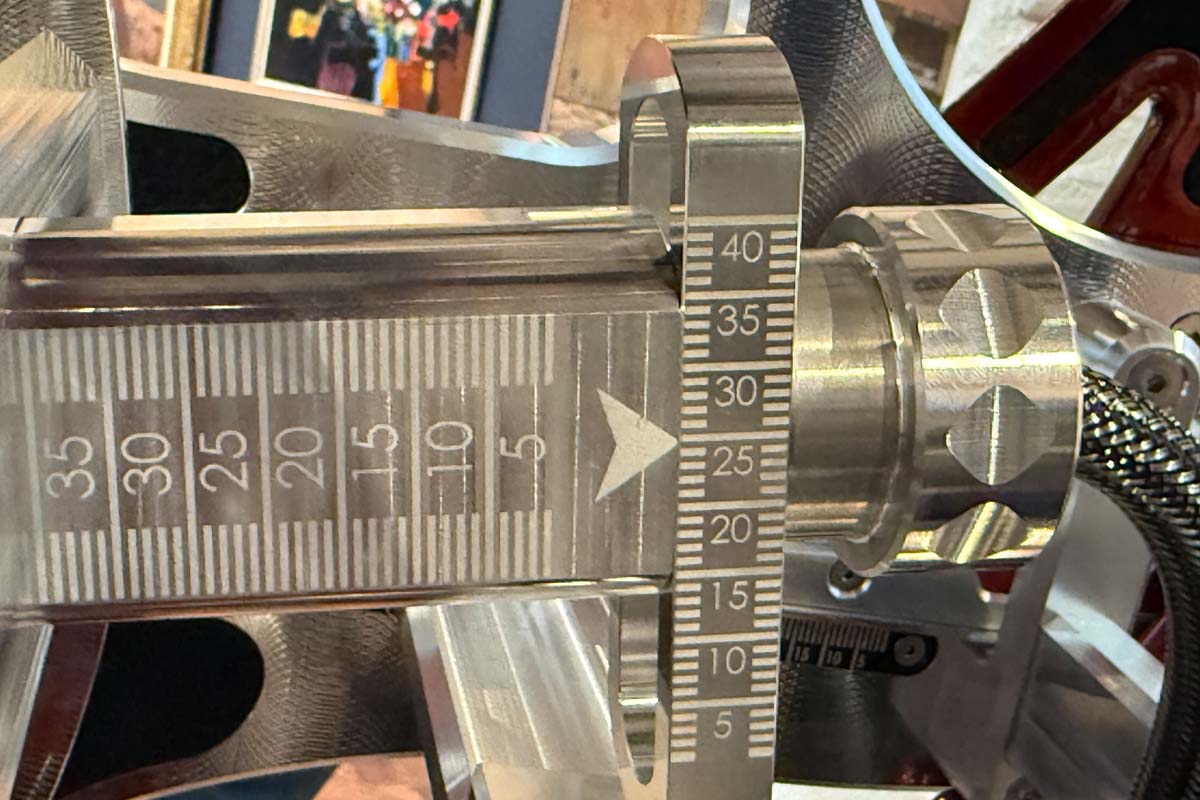
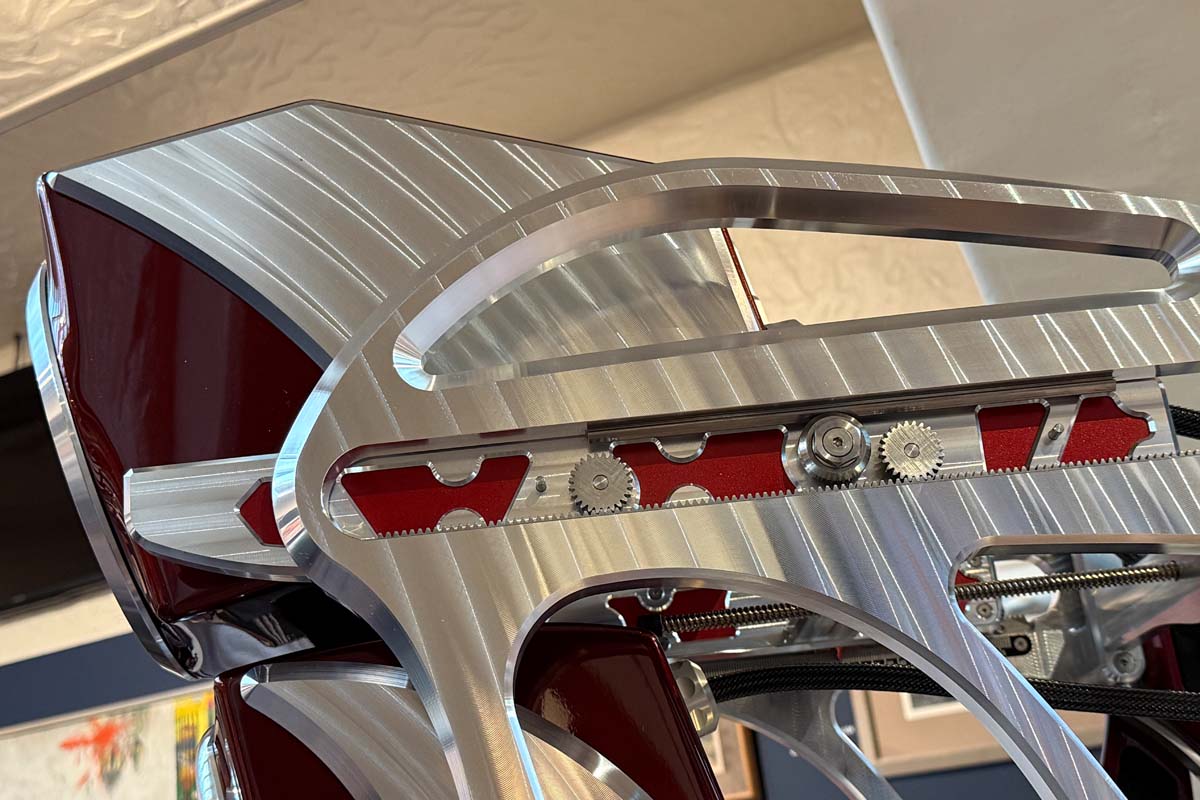
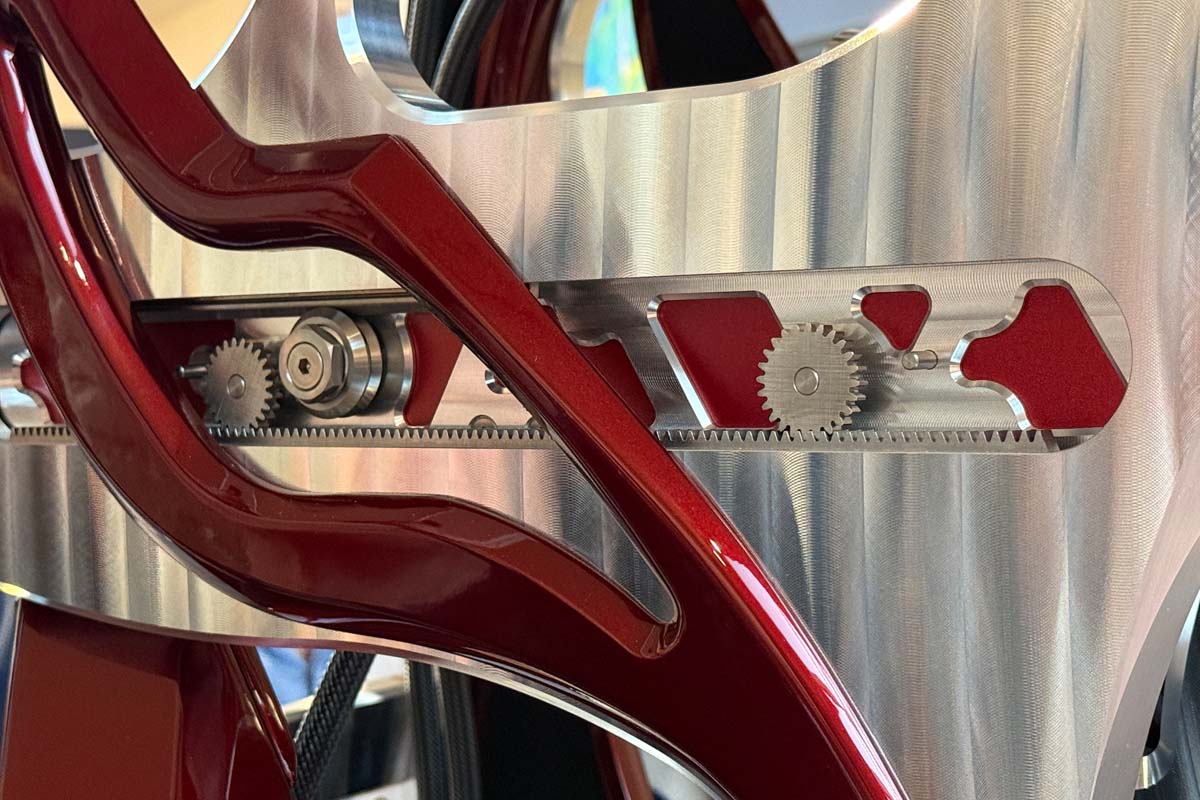
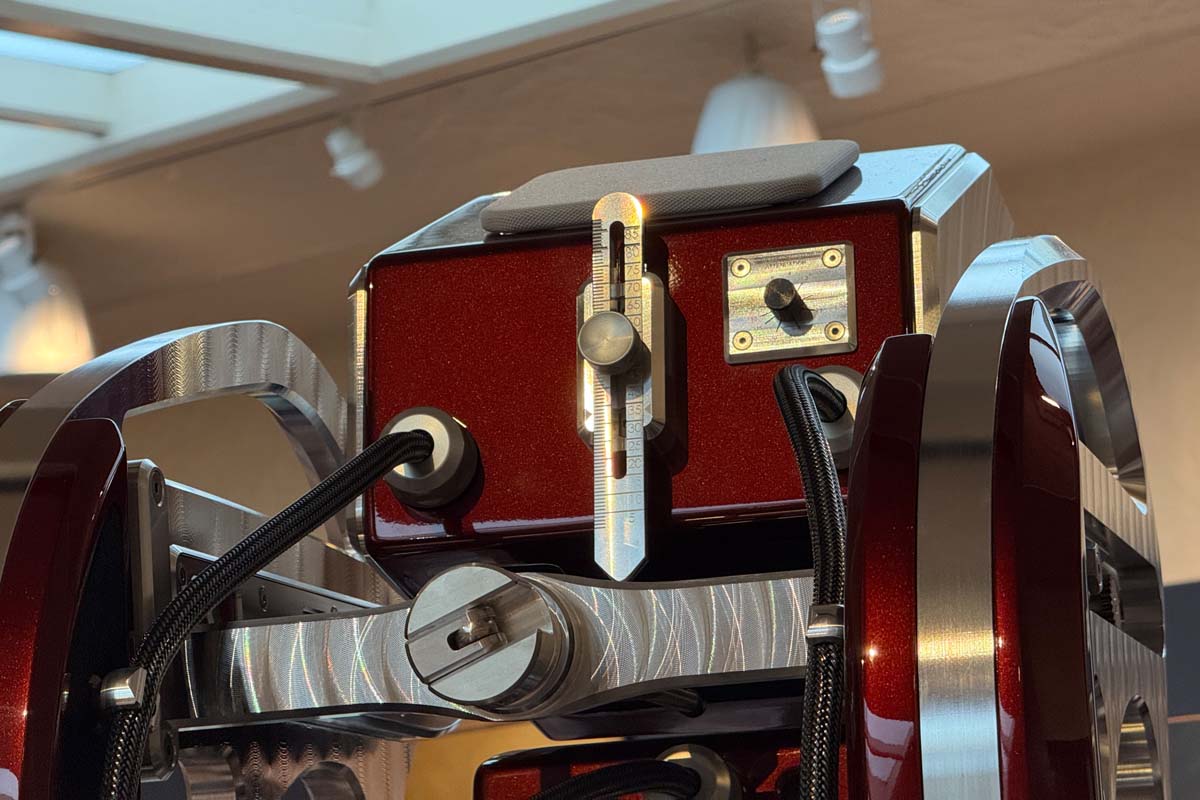
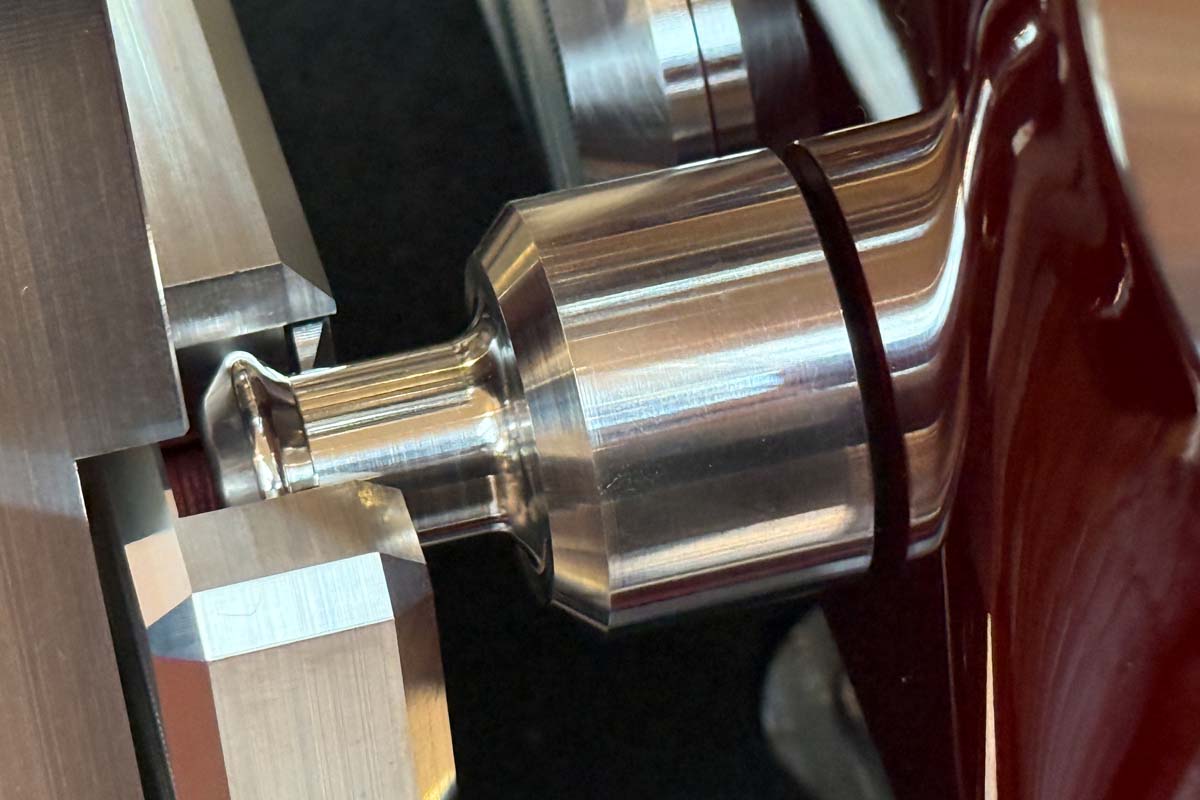
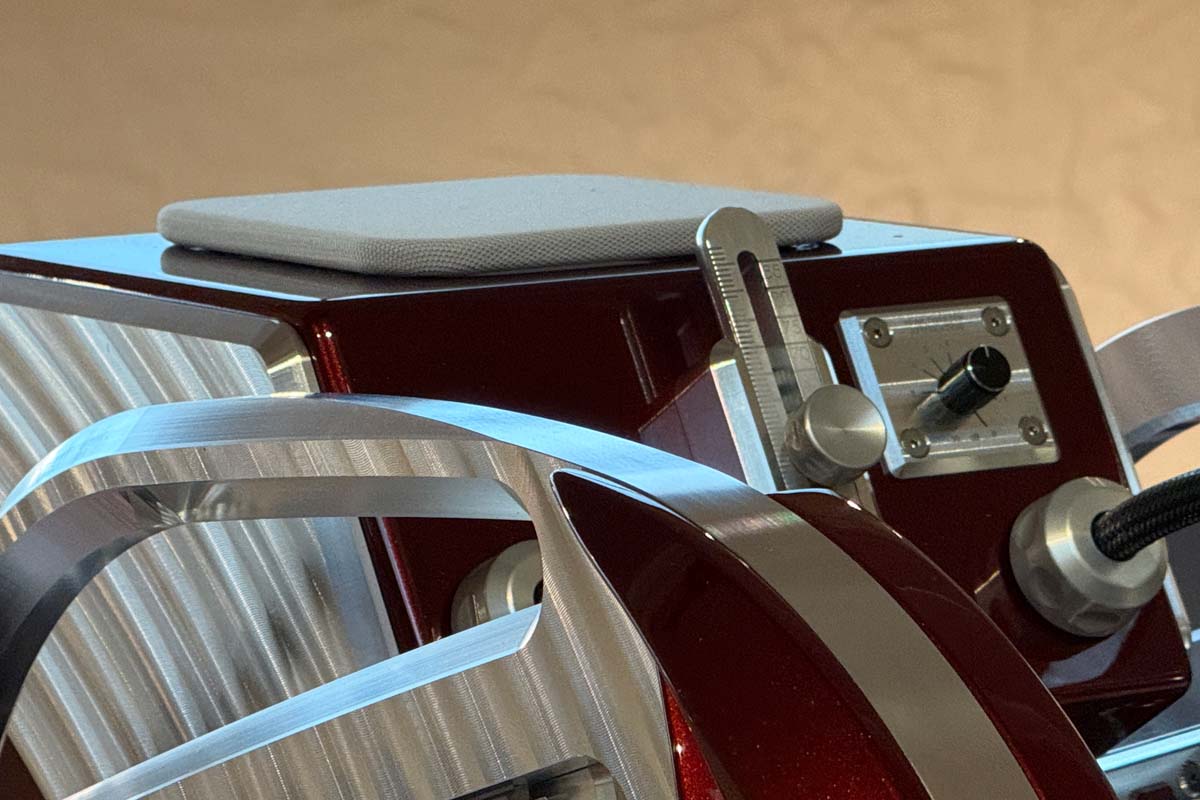
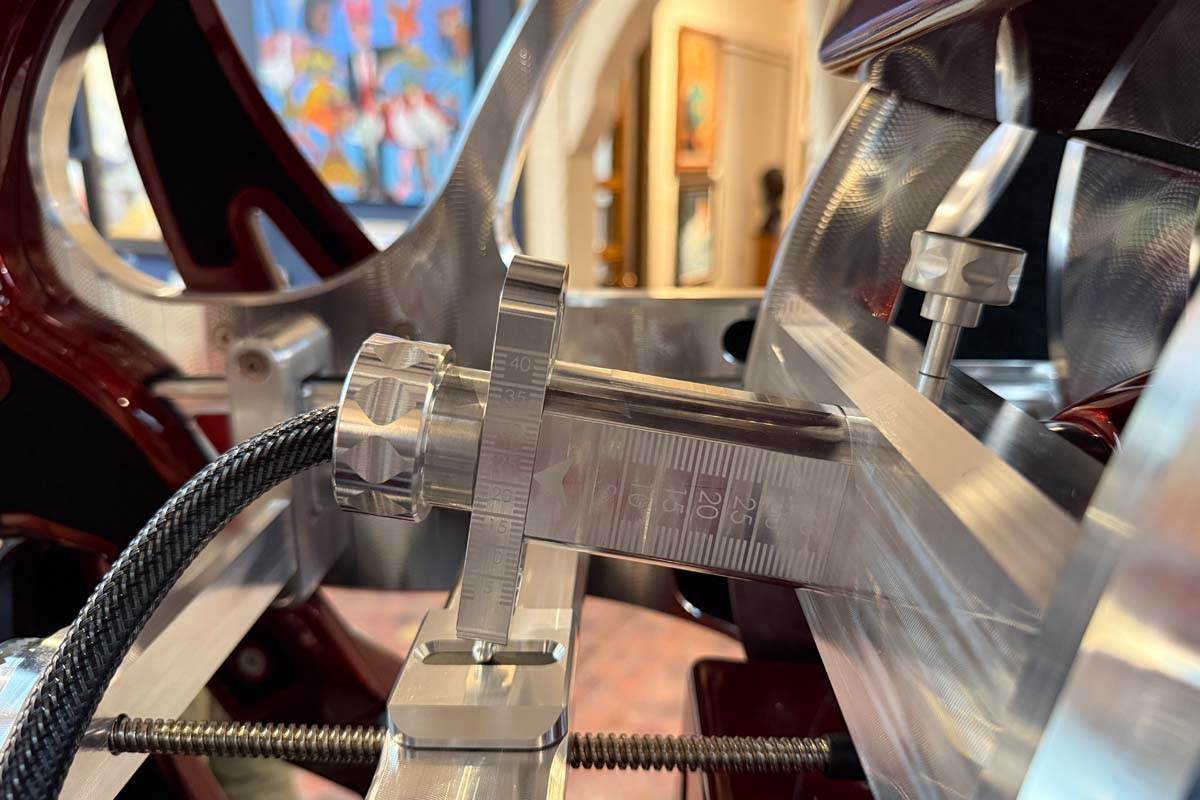
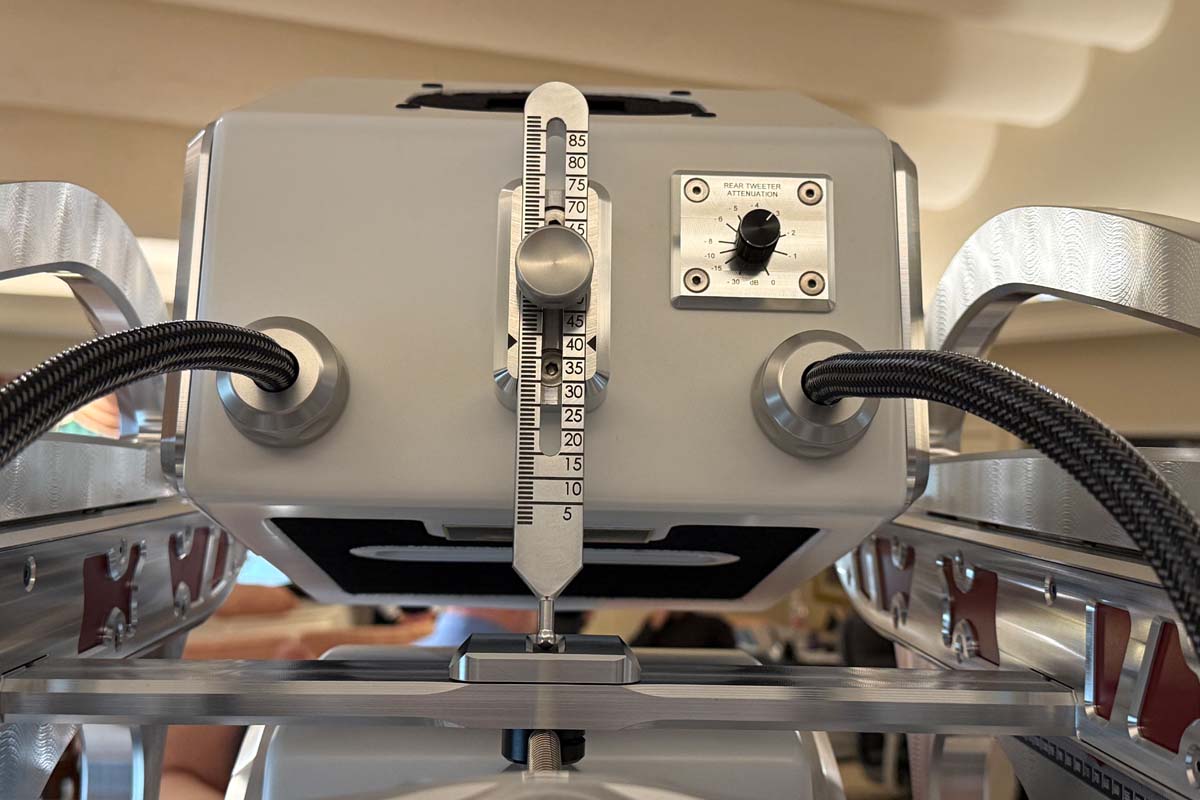
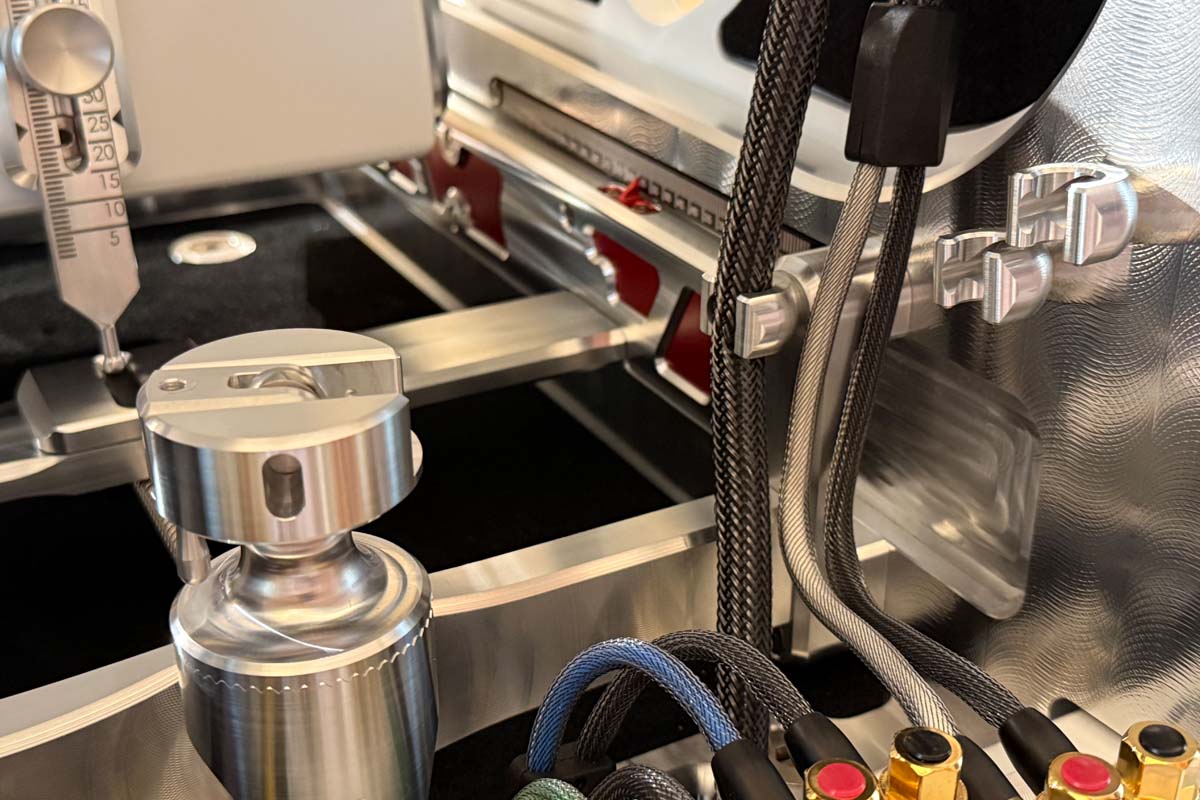
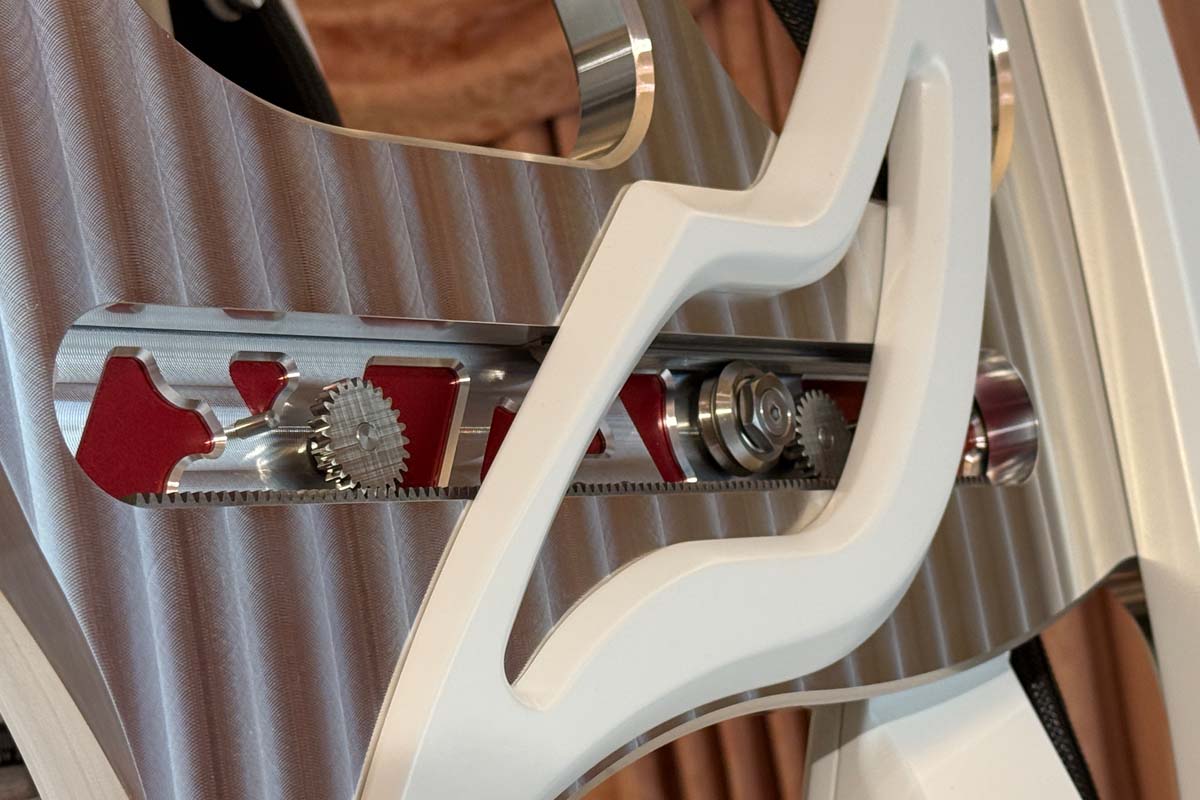
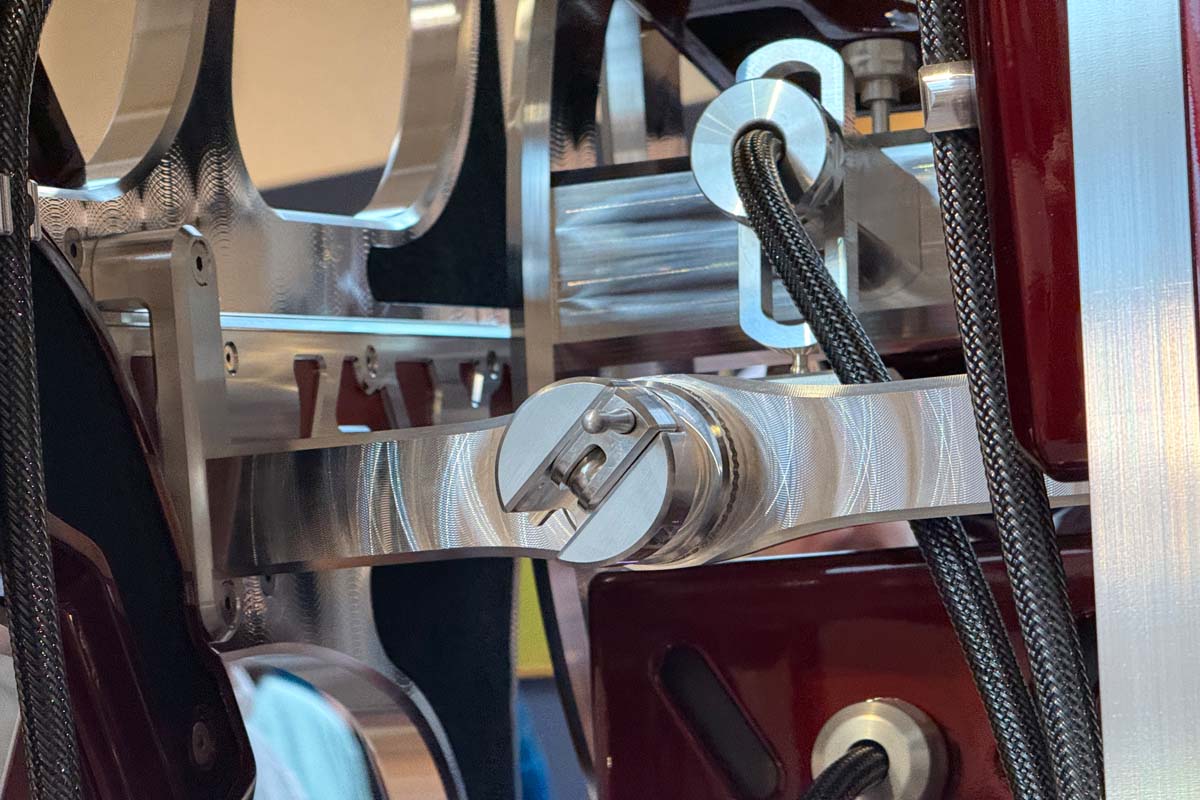
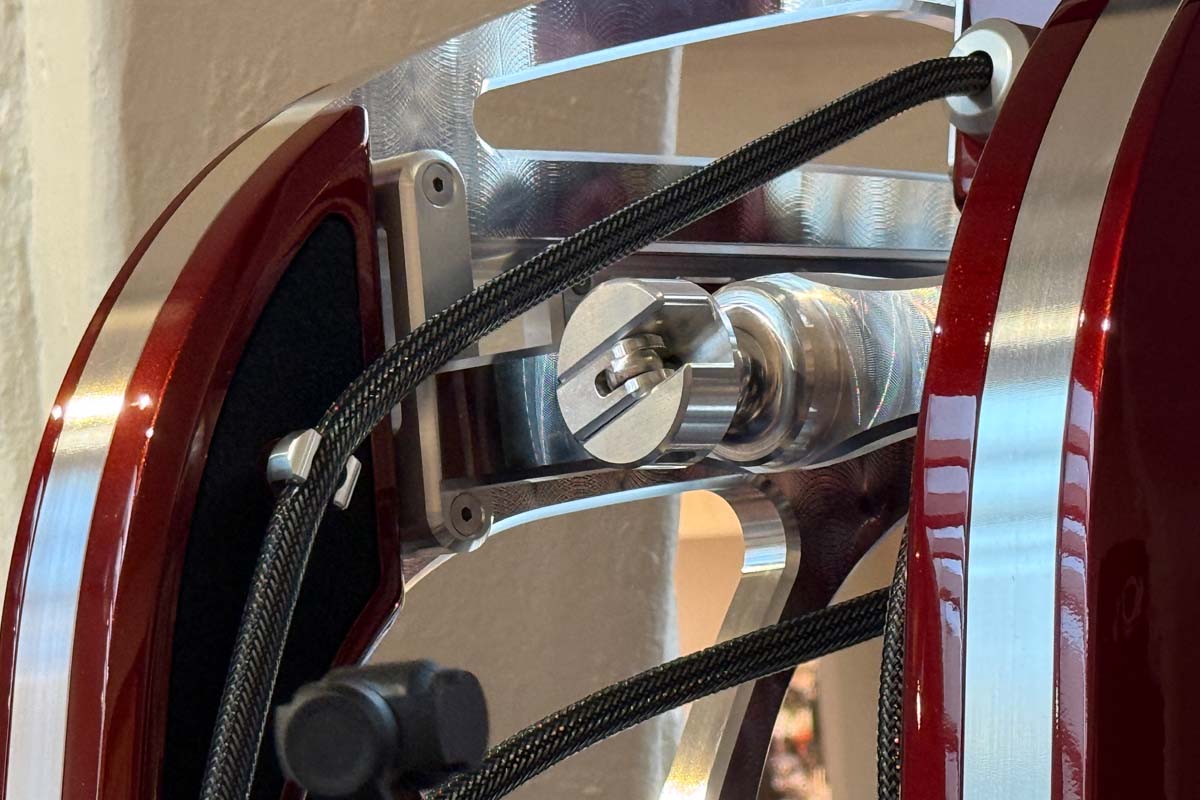
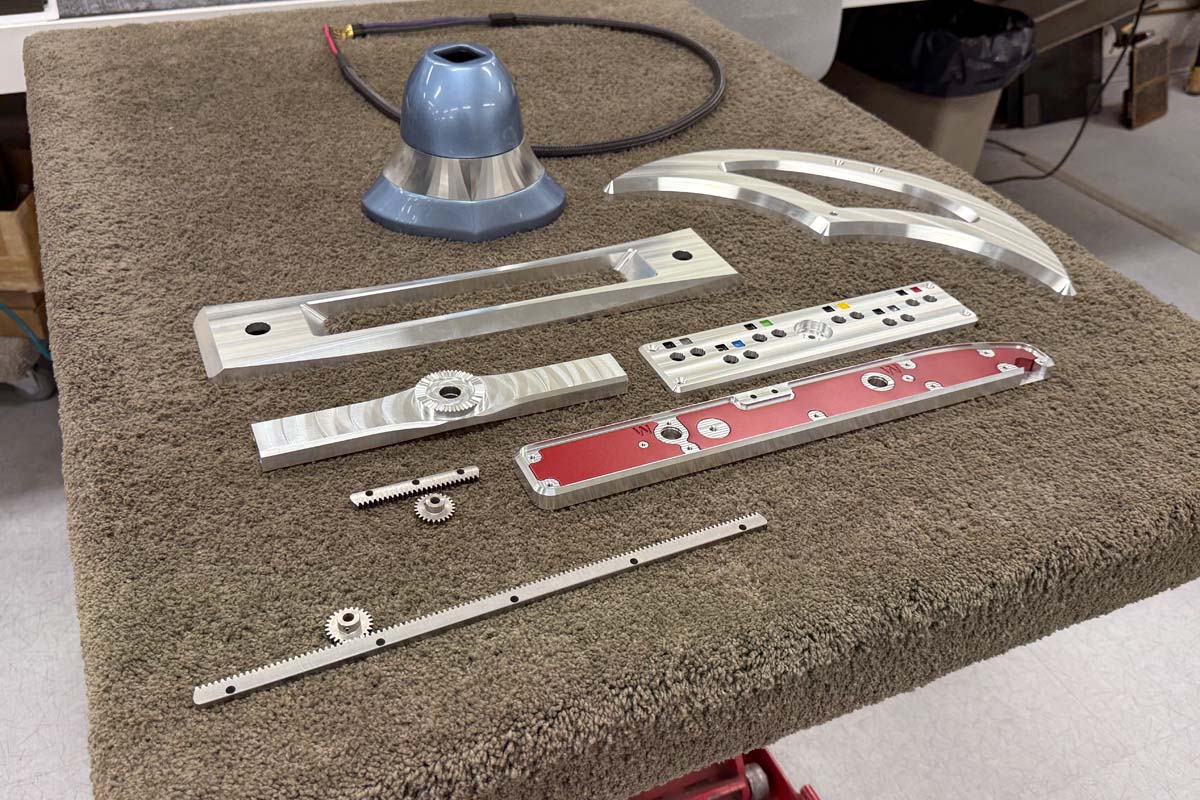
Where the Master Chronosonic already comprised roughly 900 individual components, that figure has doubled to approximately 1,800 in the Autobiography. By any measure, it must rank among the most complex loudspeakers ever created – if not the most complex. Anyone with an appreciation for precision engineering will find it endlessly fascinating. Some may look at the mid/high-frequency assembly and think of the movement inside a Swiss watch. To me, however, the exposed, meticulous, almost obsessive presentation of mechanical sophistication was more reminiscent of the interior of a Pagani hypercar: function, material, and beauty fused into a singular mechanical work of art.
Technically, too, this is no mere continuation of what came before. Virtually every aspect appears to have been reconsidered from first principles. The bass enclosure has grown slightly taller to accommodate a new low-frequency driver complement. In place of the former 10- and 12-inch arrangement, the lower registers are now handled by a 12-inch woofer paired with a full-fledged 15-inch driver. Both reside within an enclosure whose bass-reflex port can be relocated from front to rear in a matter of moments – an elegantly simple yet highly effective means of adapting the speaker to different listening environments.
Because the bass module increased in height, the mid/high-frequency assembly had to become more compact vertically. But Wilson Audio would hardly be Wilson Audio if it had treated this merely as a structural necessity. Instead, the entire section was reconceived. A significant portion of those roughly 1,800 components is undoubtedly devoted to the remarkable mechanical system used to optimize time alignment at the listening position. Through an extraordinarily intricate arrangement of gears and racks, the individual drivers can be aligned with sub-millimeter precision across every relevant plane and axis. One particularly striking change in the driver complement is the disappearance of the small cone midrange units. In their place are now 2-inch dome drivers housed in waveguides. Less immediately visible – but no less significant – are the refinements made to the tweeter and the dual 7-inch midrange drivers. The latter now employ a Penta-Alnico motor system in place of the former Quad-Alnico design, lending the drivers an additional degree of subtlety and refinement.
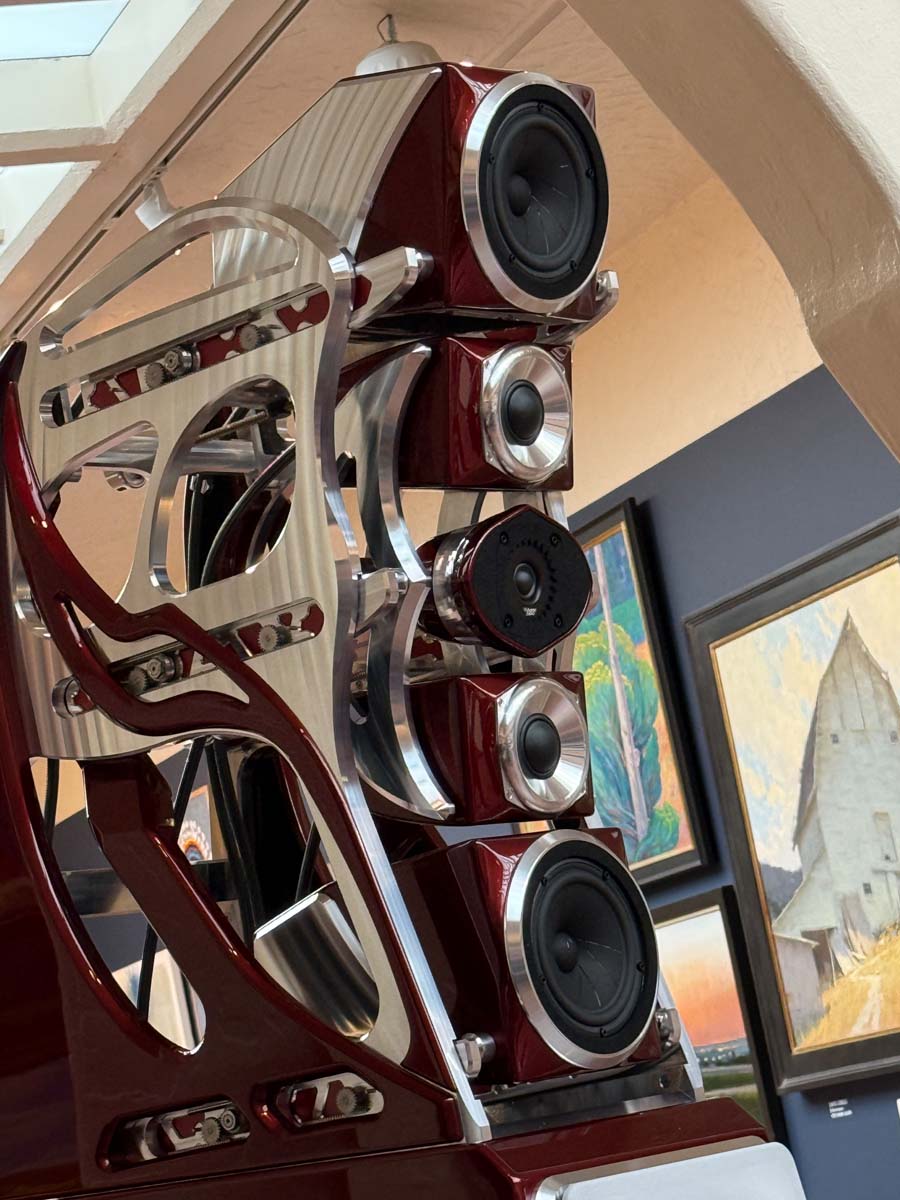
One welcome side effect of the reduced height of the upper assembly is that the Wilson Audio Autobiography moves even closer to the ideal of a true point source. In a loudspeaker of this scale, that is anything but a trivial achievement – it represents a major engineering accomplishment.
As extensively as Daryl Wilson discussed the innumerable refinements, no realistic timeframe could possibly encompass more than a representative cross-section of them. The fact that Wilson Audio now uses copper rather than aluminum for the mounting and thermal dissipation of the rear-mounted resistors serves as a perfect illustration of the uncompromising attention paid to every detail. Every screw, every material choice, every mechanical interface appears to have been reconsidered and re-evaluated. One could write pages about it and still barely scratch the surface.




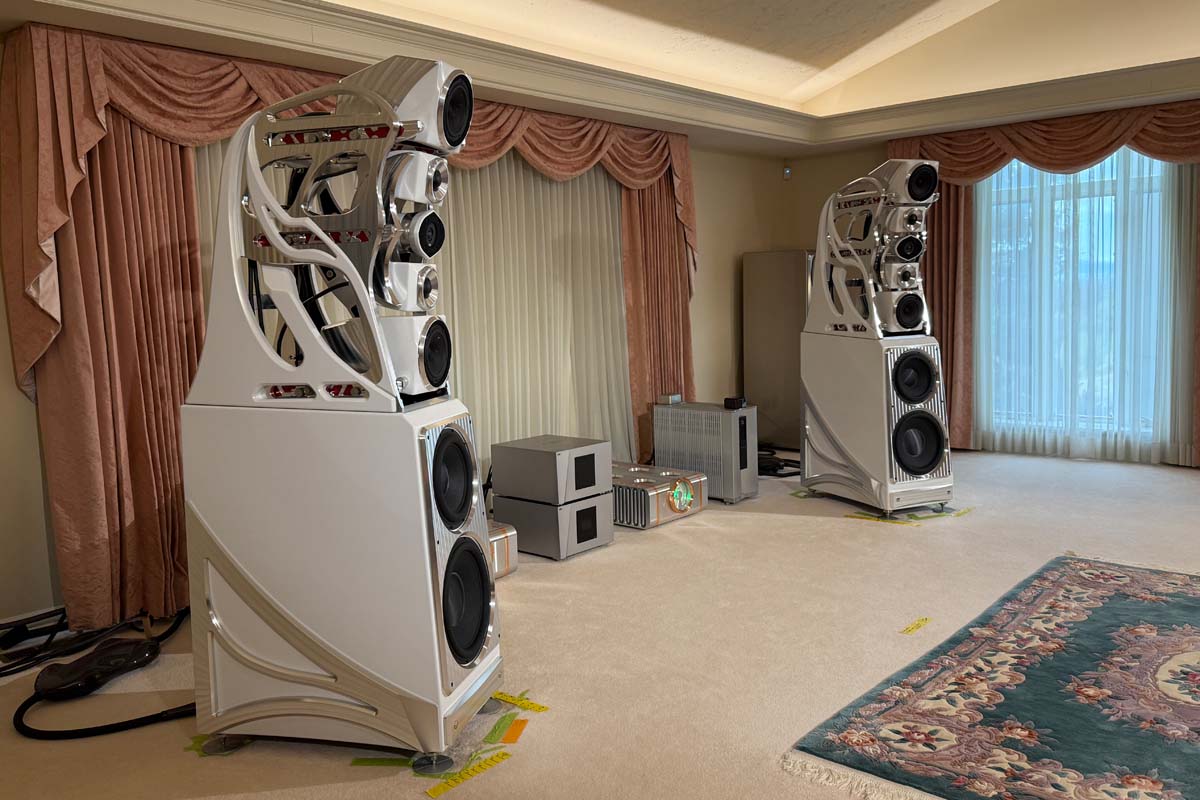
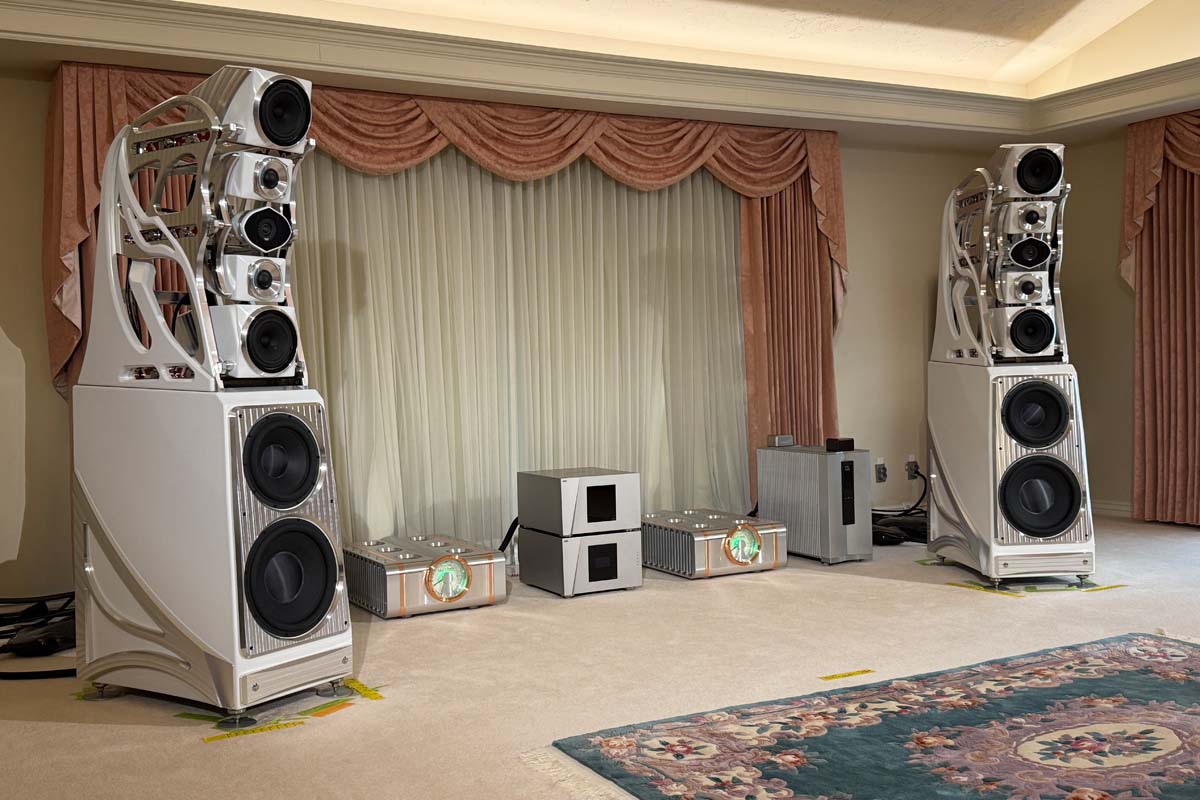
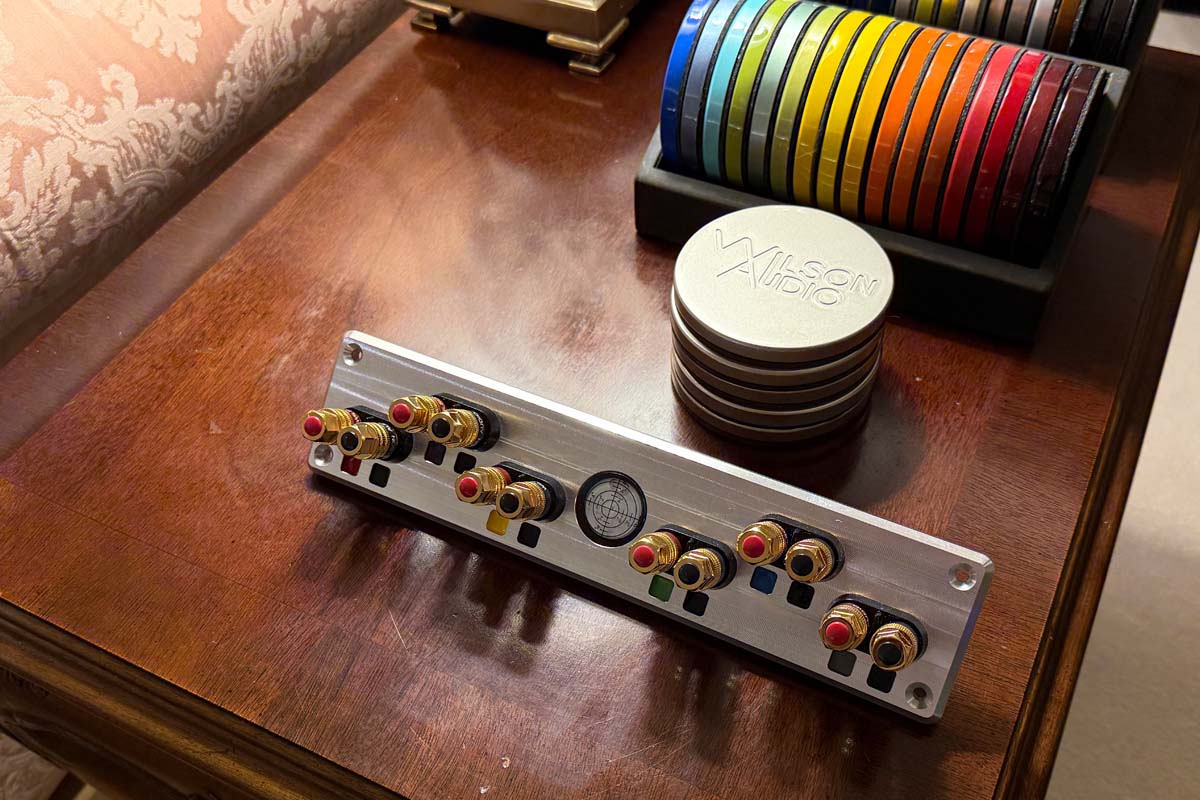
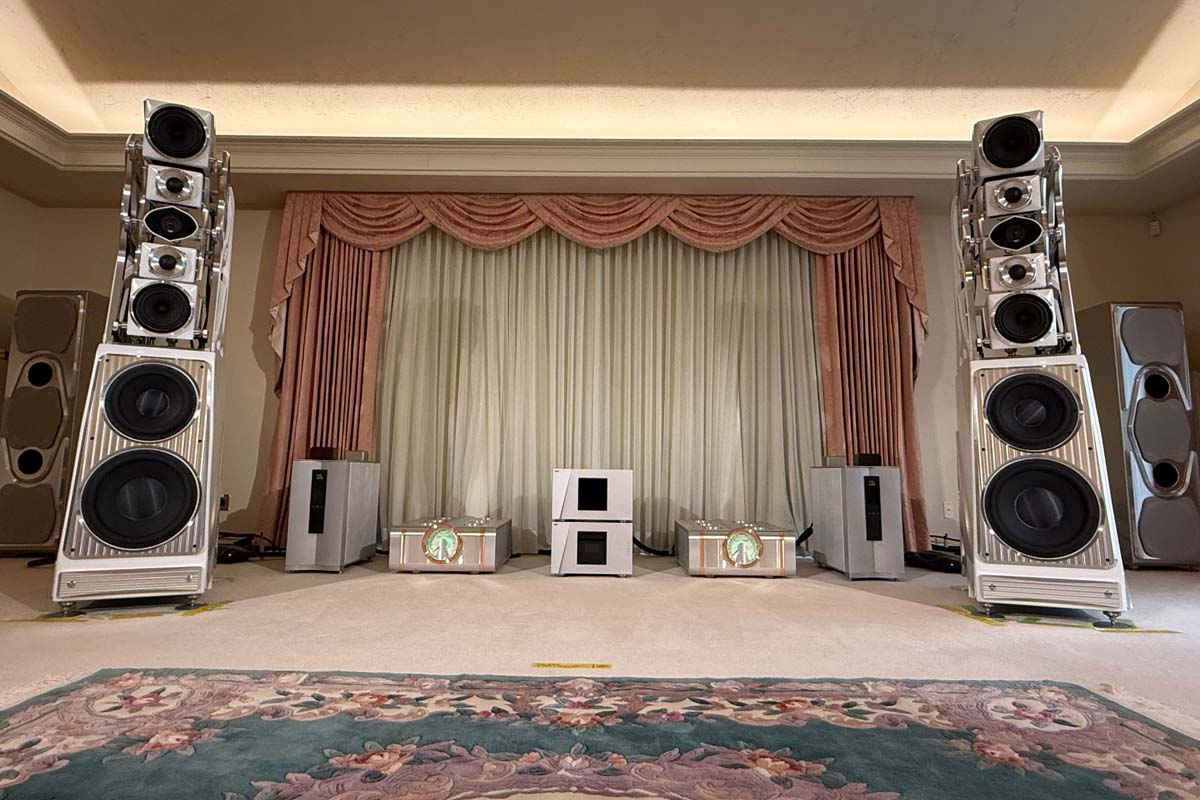
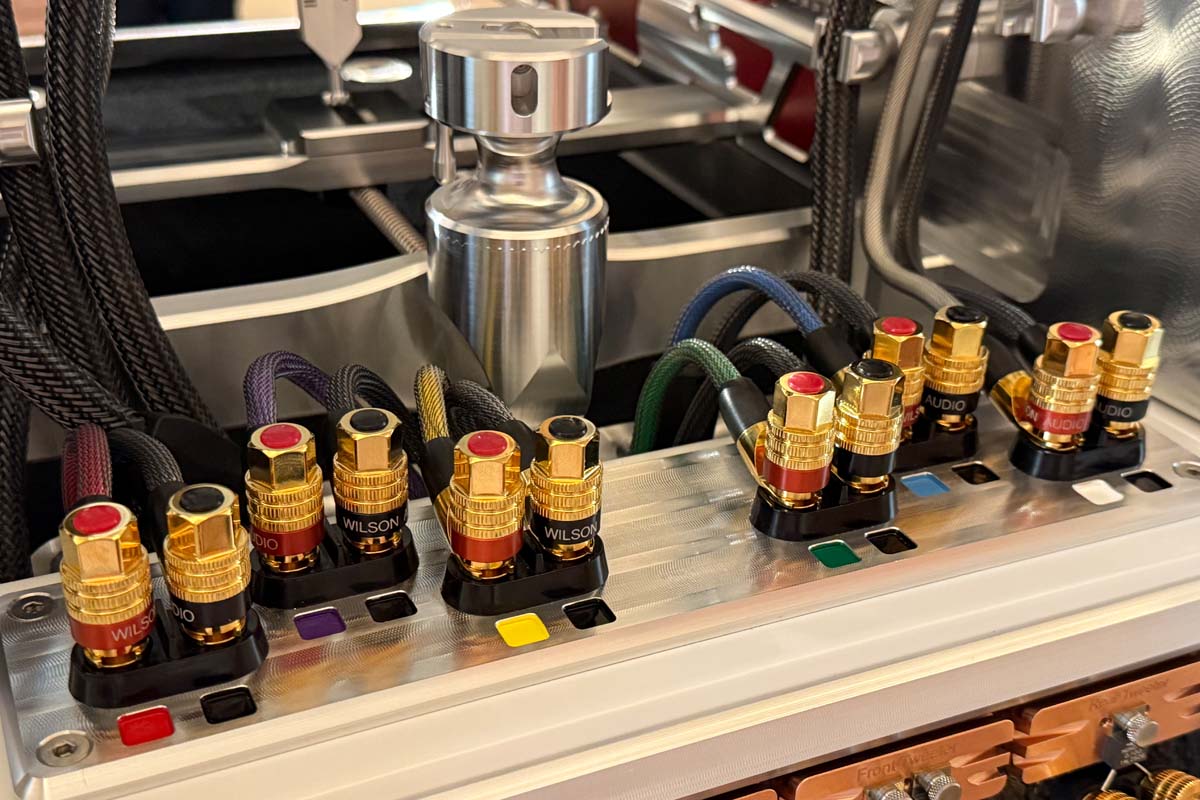
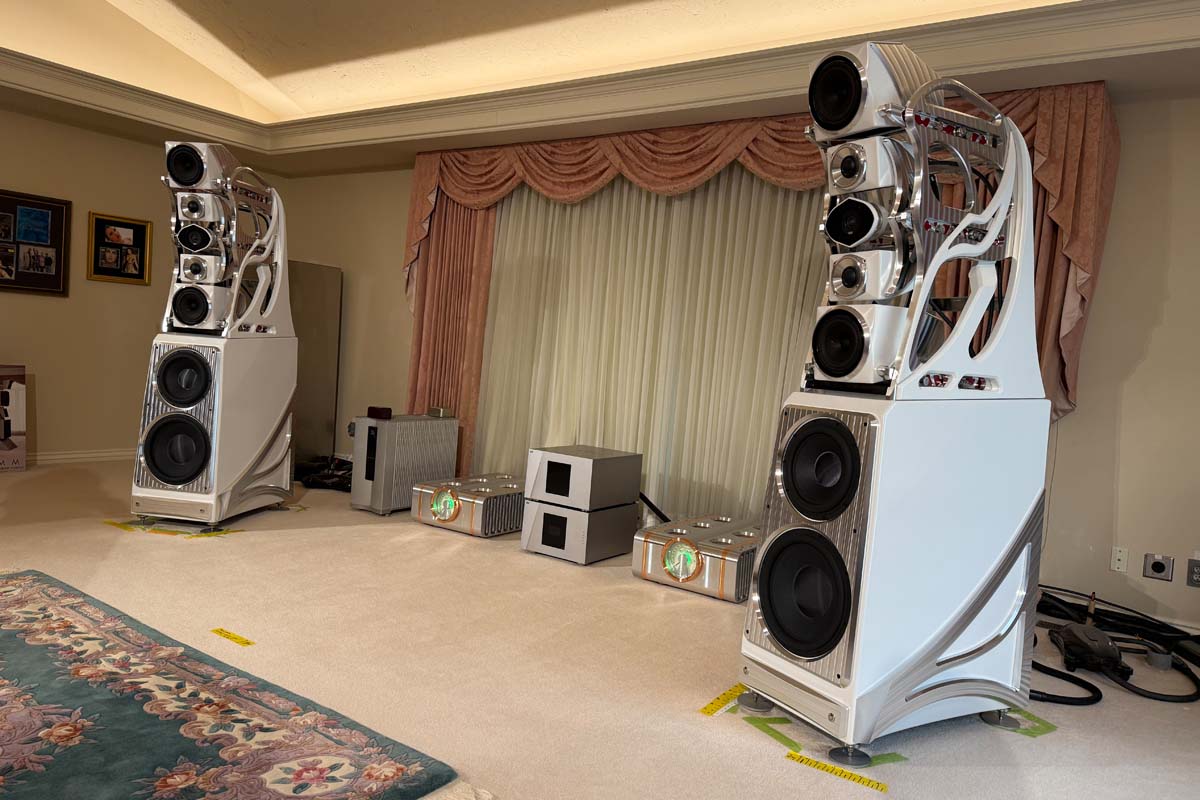


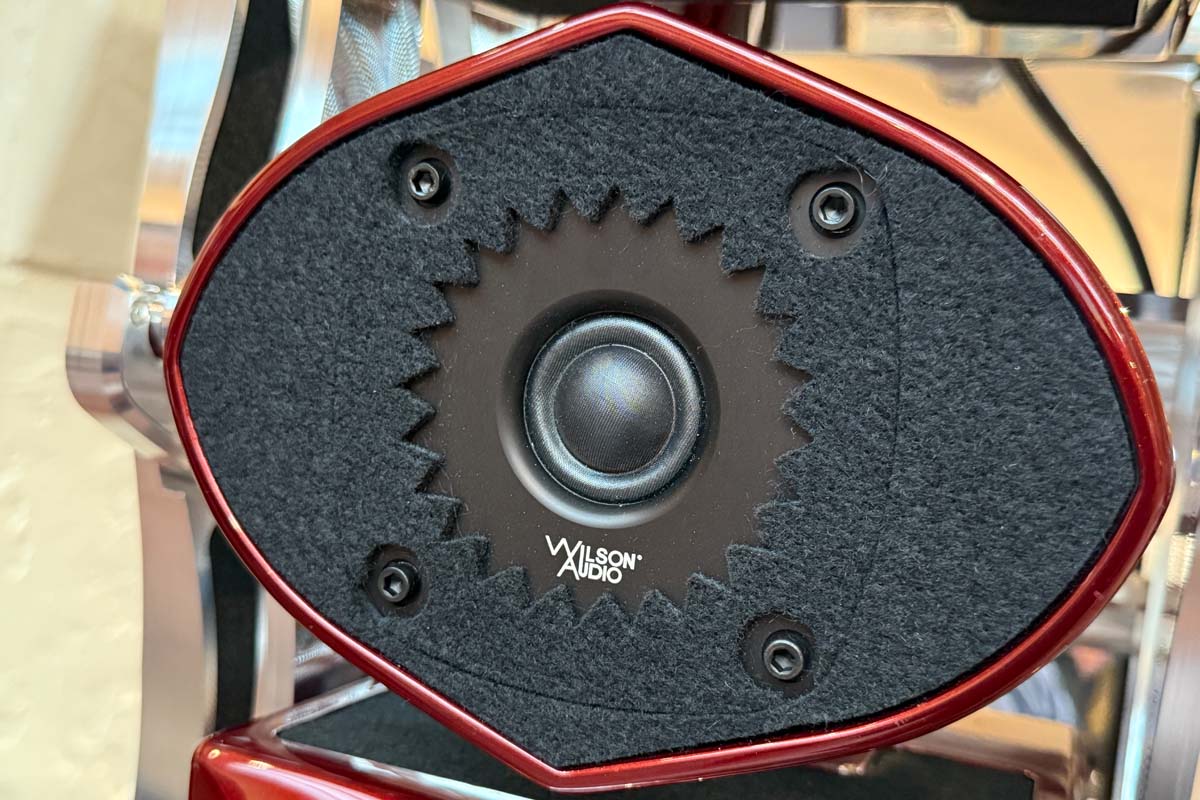
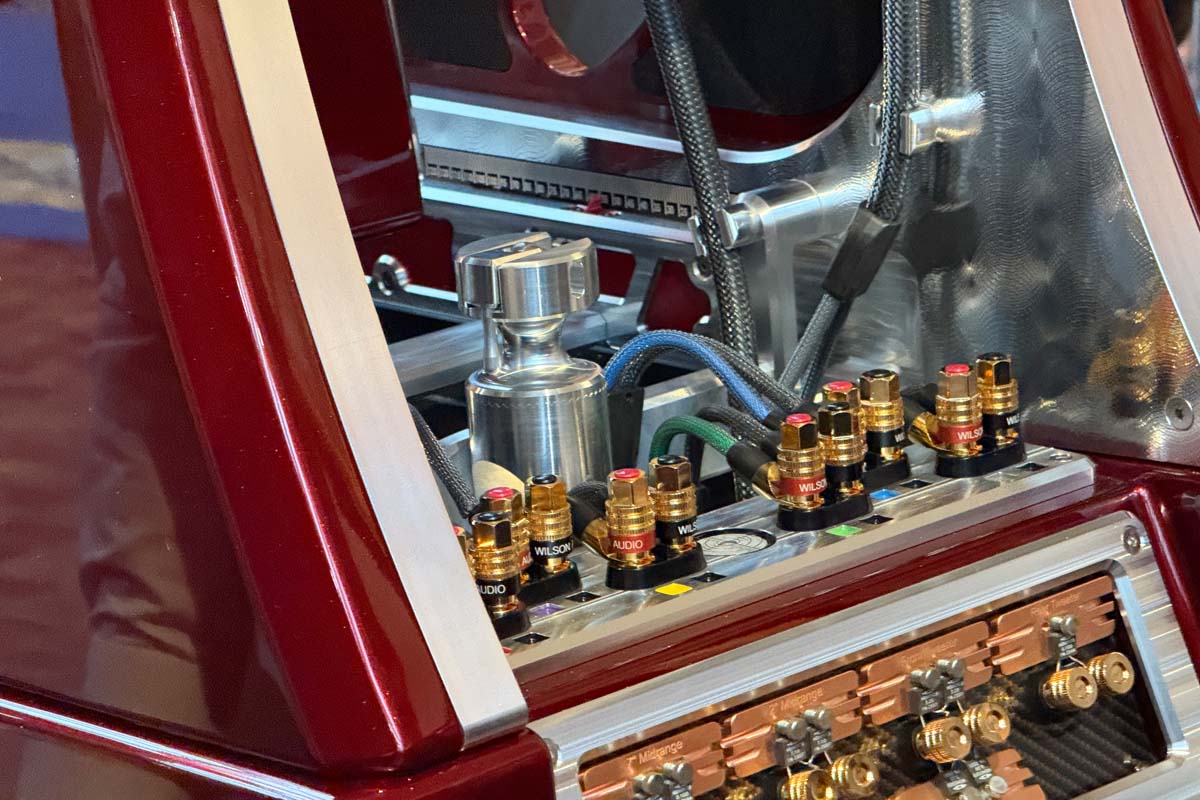
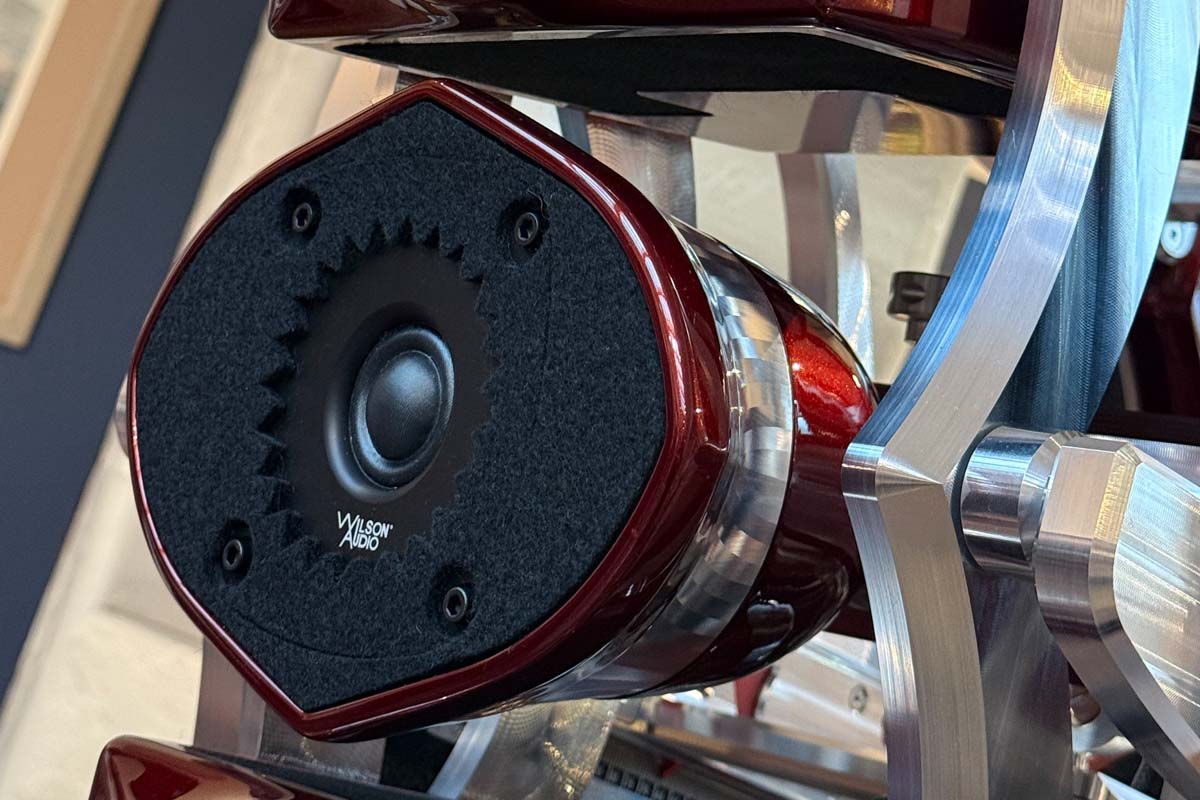
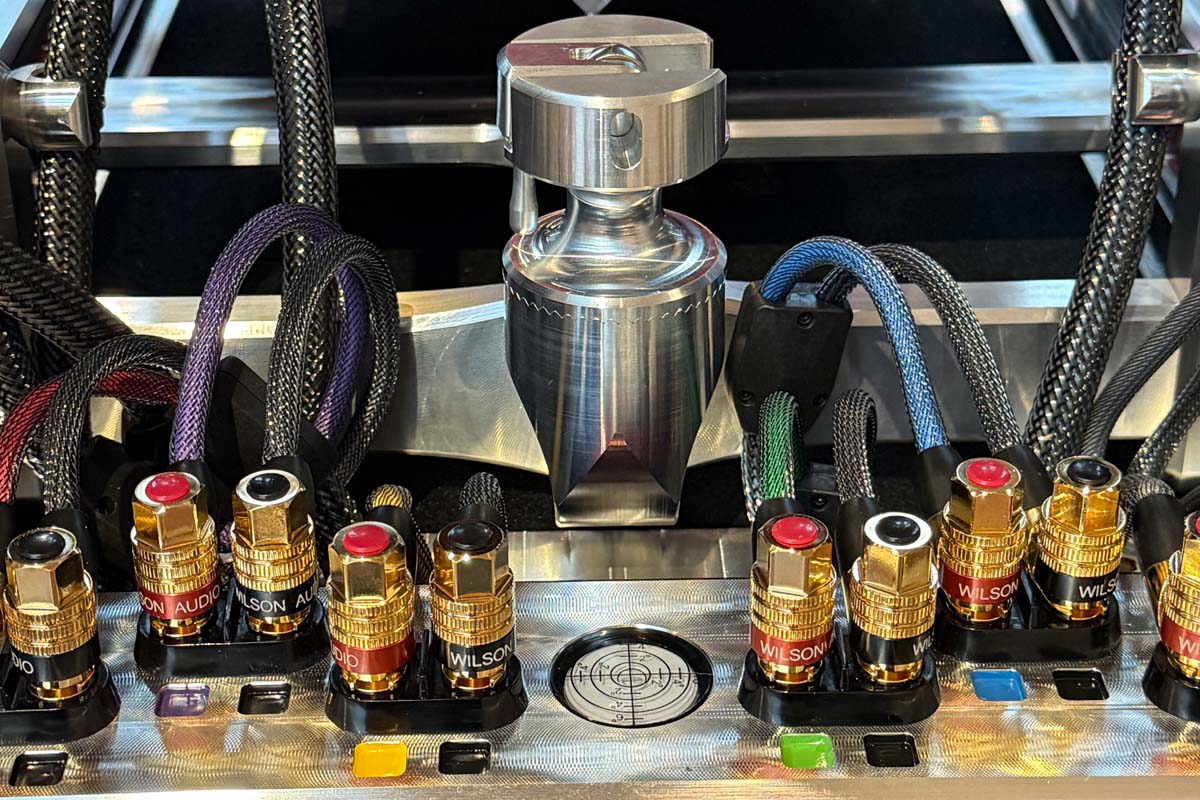
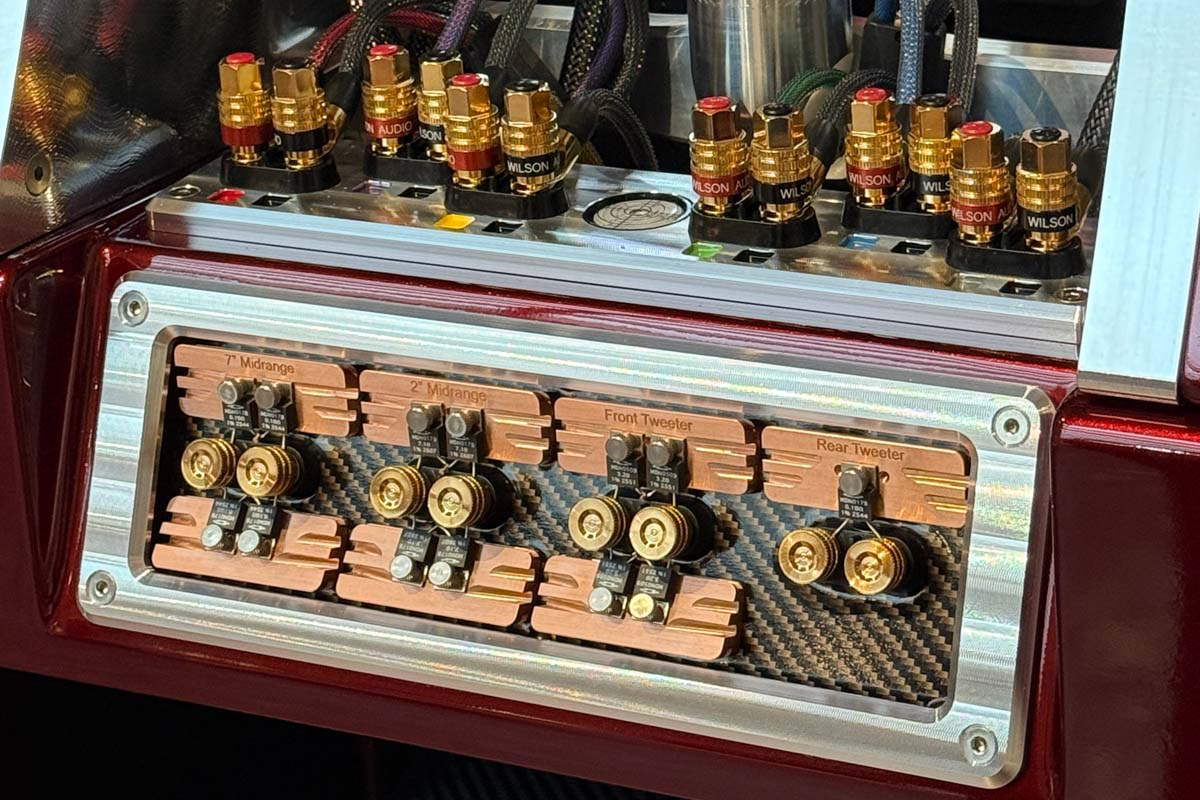
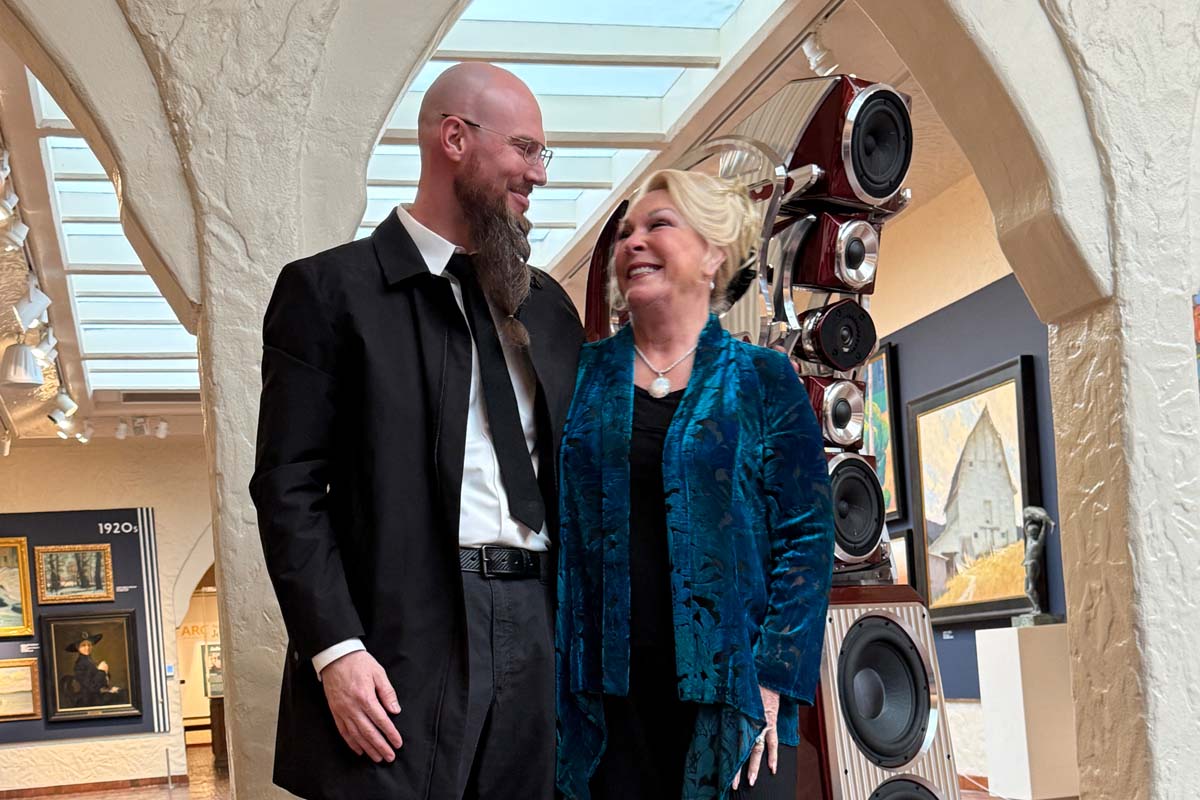
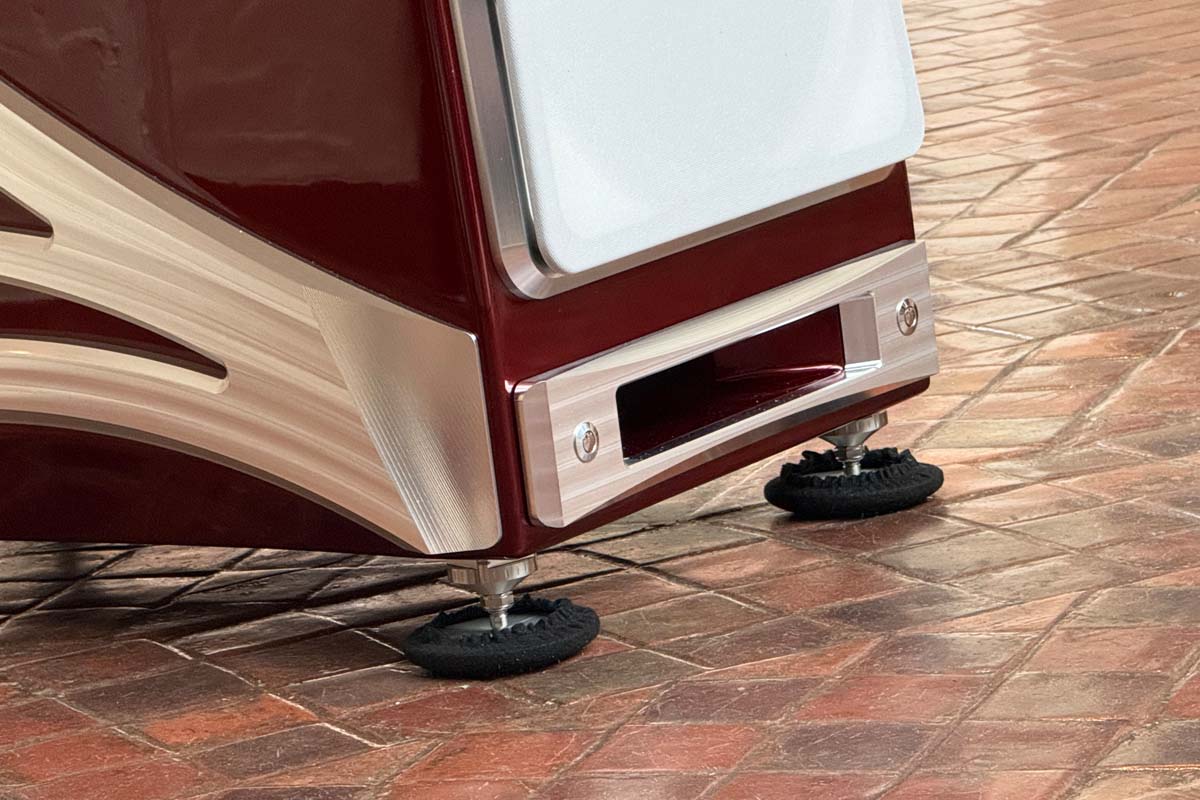
Two figures, however, deserve explicit mention. Each loudspeaker weighs approximately 340 kilograms. The price per pair stands at $788,000 USD. Strangely enough, the latter came almost as a pleasant surprise to me. At a time when the number of million-dollar loudspeakers continues to grow, one might reasonably have expected Wilson Audio to join that exclusive club with yet another entrant. It did not. Needless to say, that hardly renders the Autobiography attainable for most of us.
Naturally, the experience did not end with visual impressions alone. Following the unveiling, the second act took us to the Wilson family residence. There we had the opportunity to hear the Autobiography in a private listening room – and to experience how countless small refinements can accumulate into a truly remarkable leap forward.
One must hear it firsthand to grasp just how closely a recording can approach the experience of live music. The credibility, immediacy, and sheer realism of the presentation are difficult to comprehend. Phenomena such as discovering previously unheard details in intimately familiar recordings have long since become expected at this level – nothing less would suffice. Close your eyes, and you are transported directly to the venue where the recording was made. Nothing artificial remains between listener and performance.
Properly positioned and set up, the Wilson Audio Autobiography sounds sensational from virtually any listening seat, but it is in the sweet spot in particular that the full magnitude of its achievement becomes unmistakably clear. Listening there with eyes open is almost disorienting, because the acoustic illusion – something every stereo system aspires to create – is rendered with such perfection that what the ears perceive stands in profound conflict with what the eyes see.
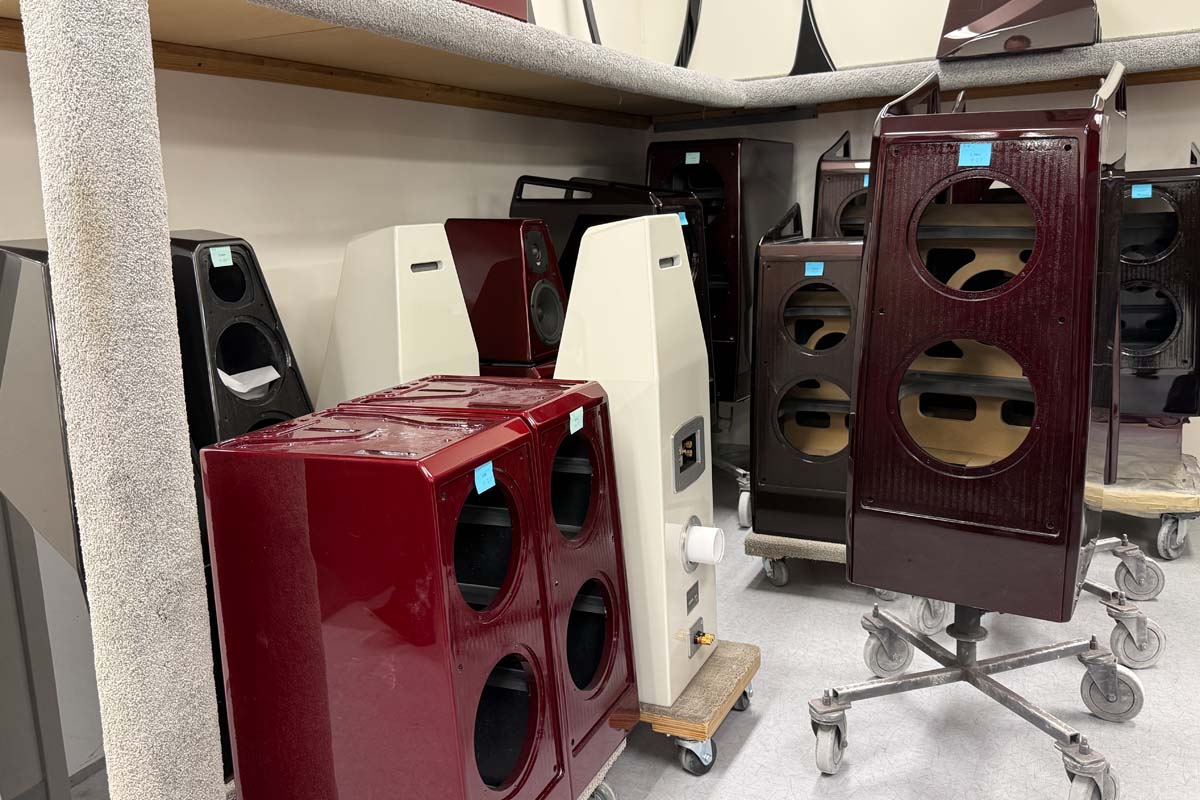
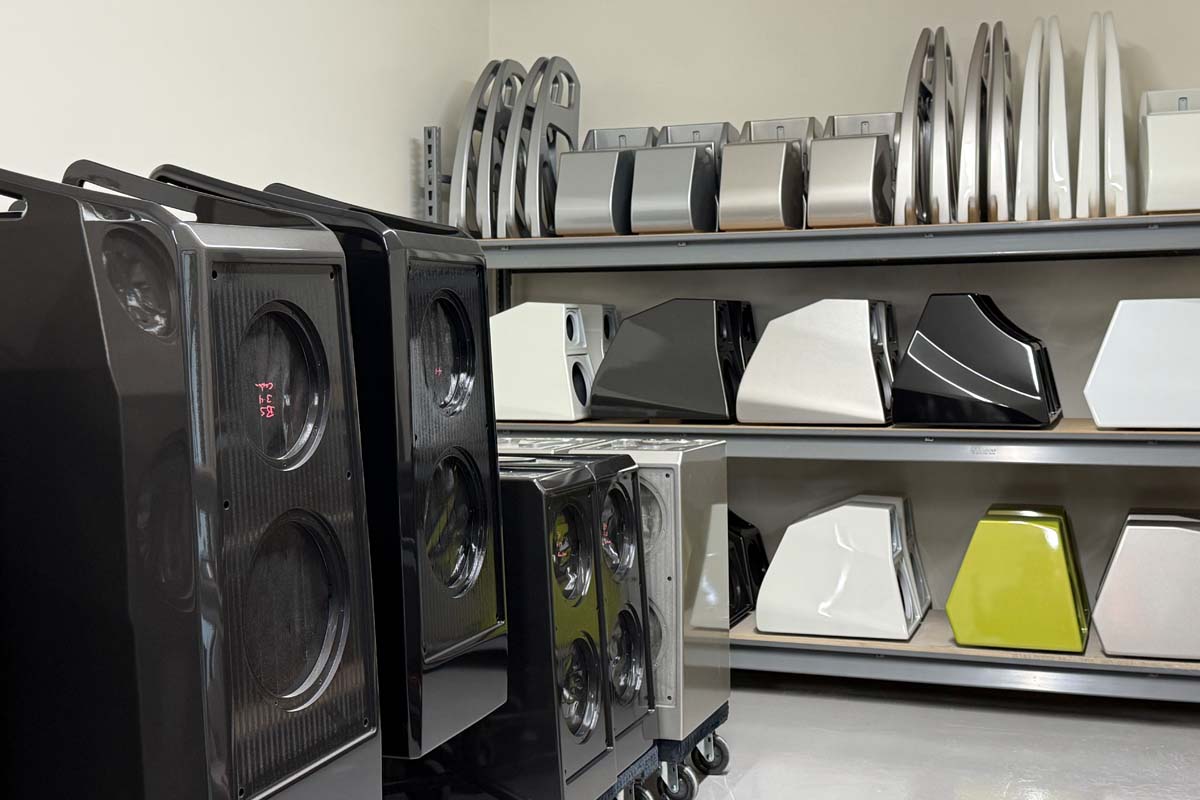
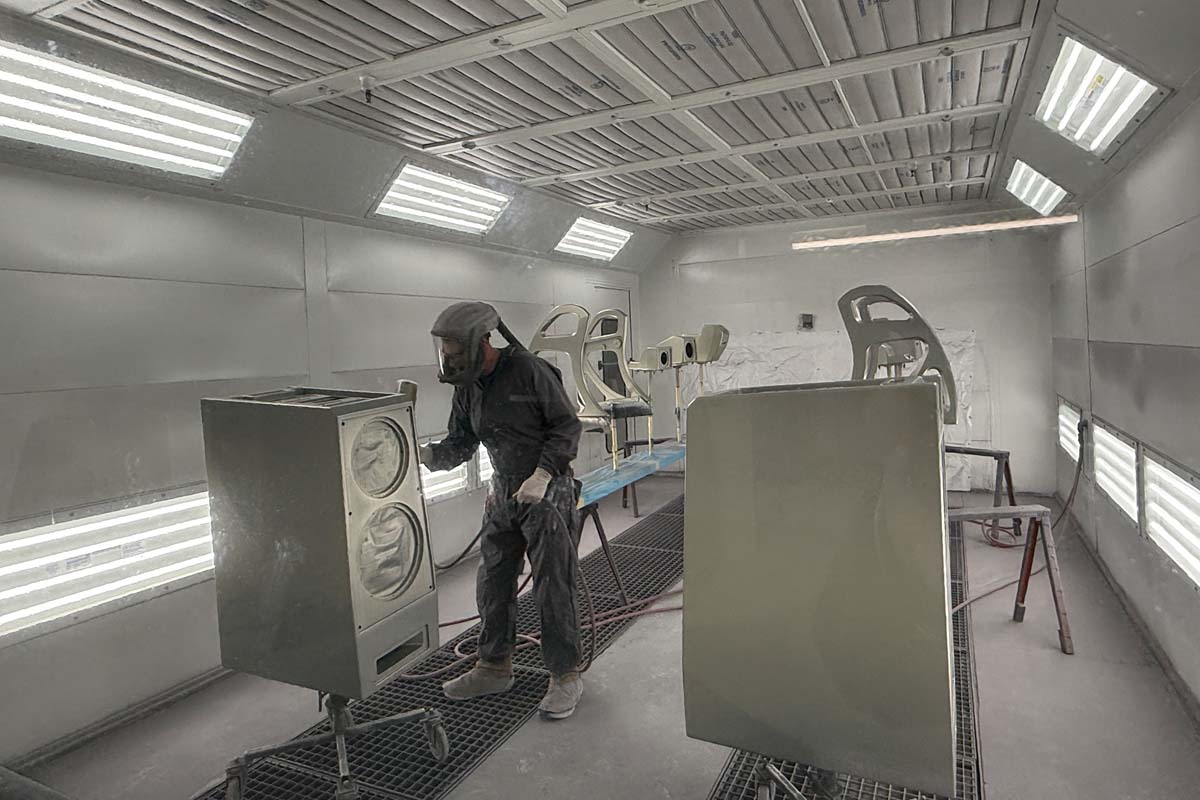
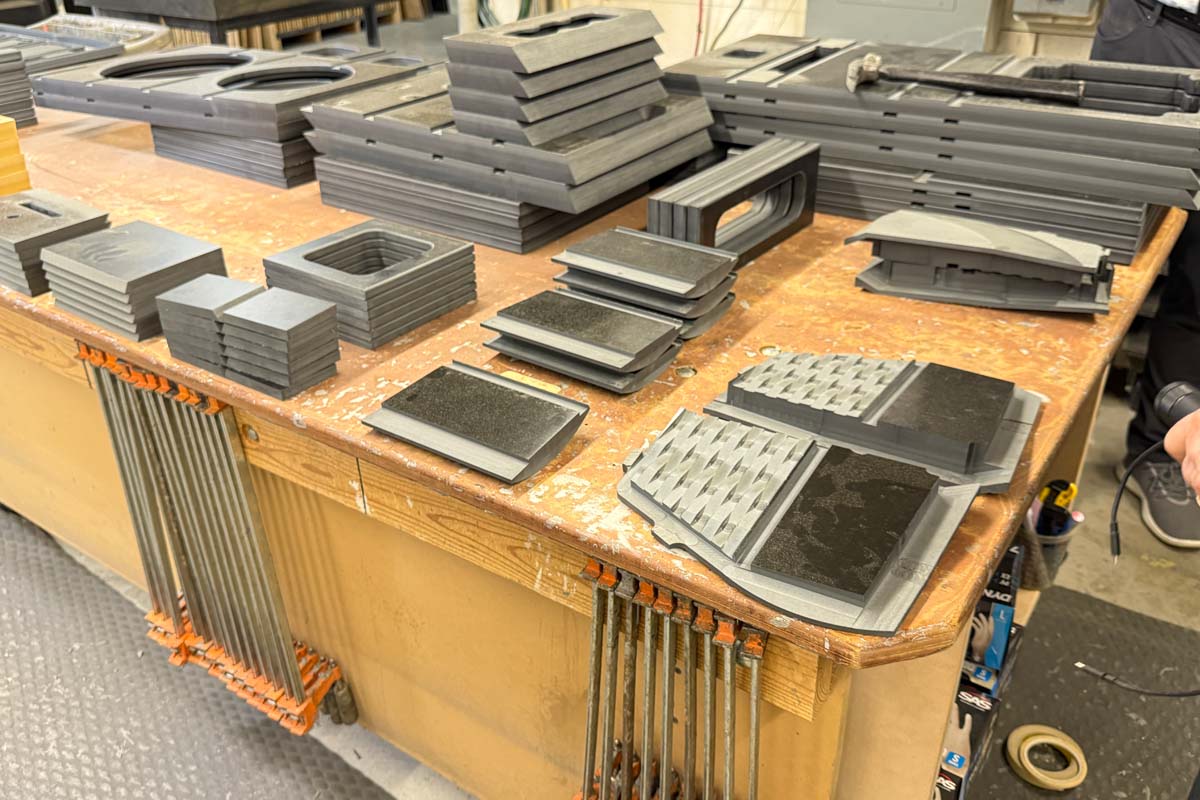
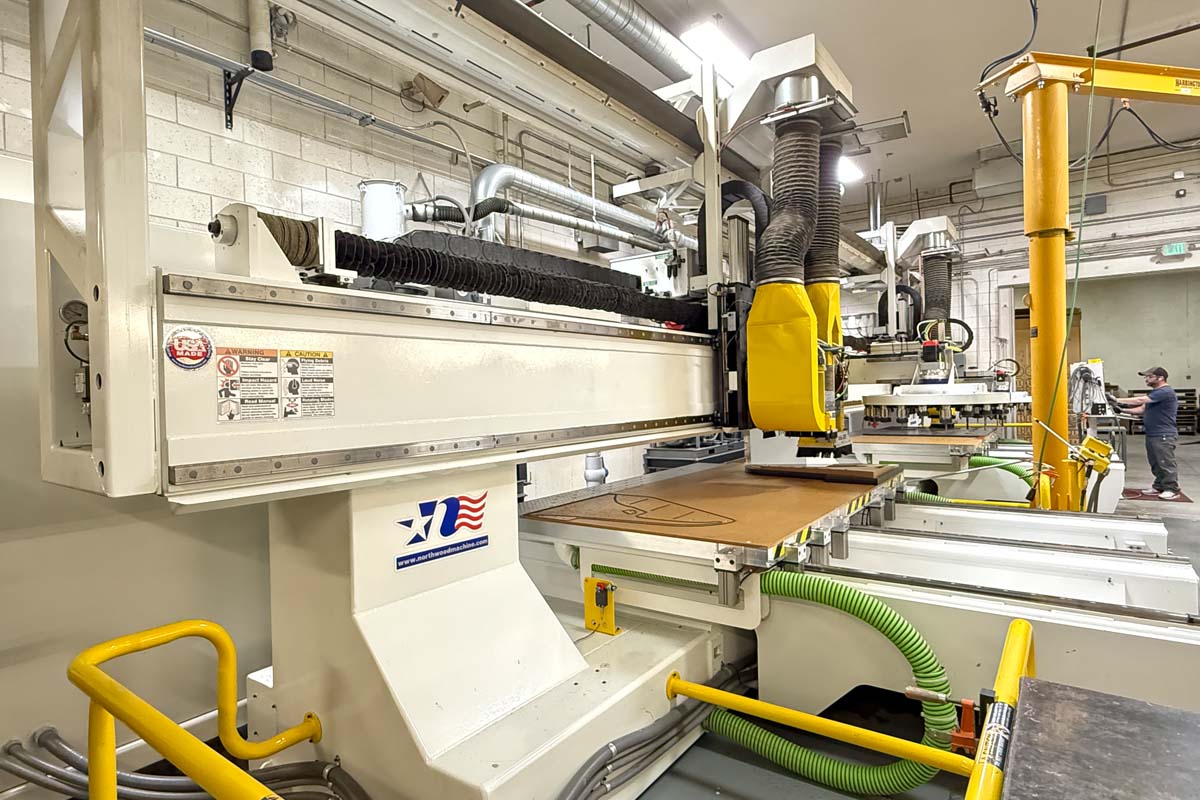
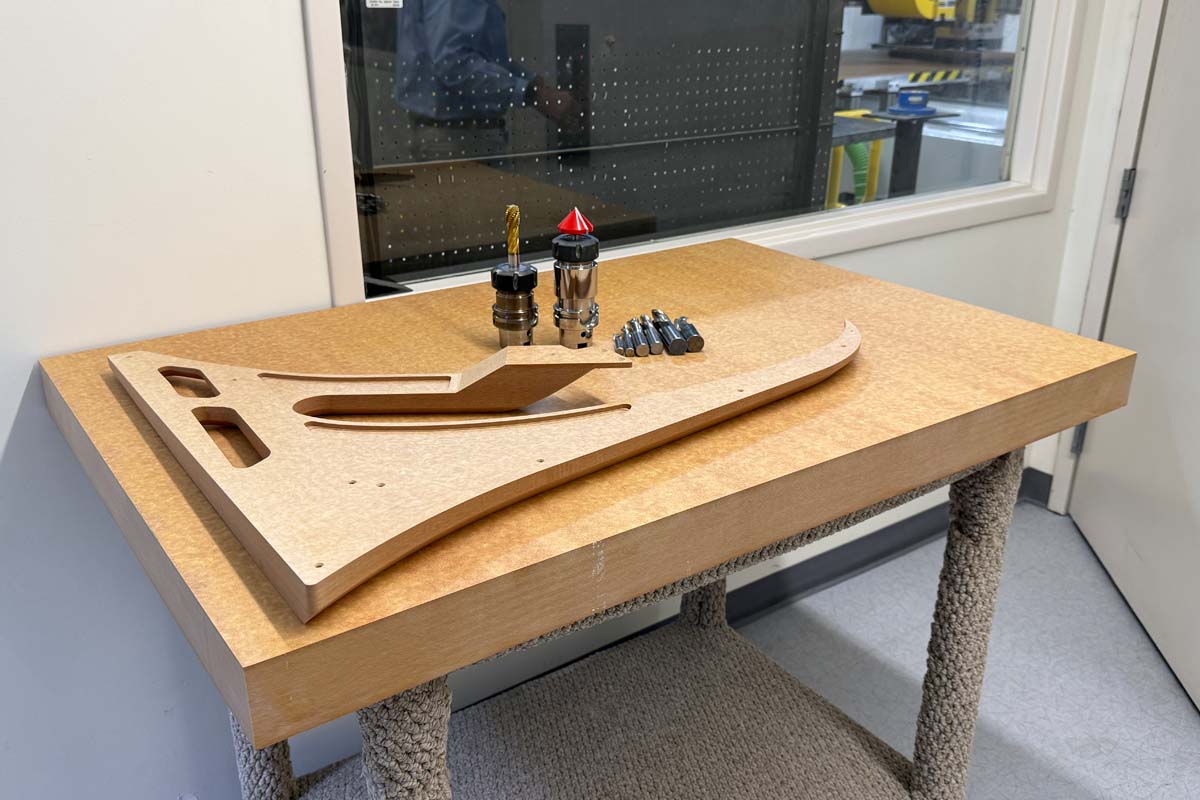
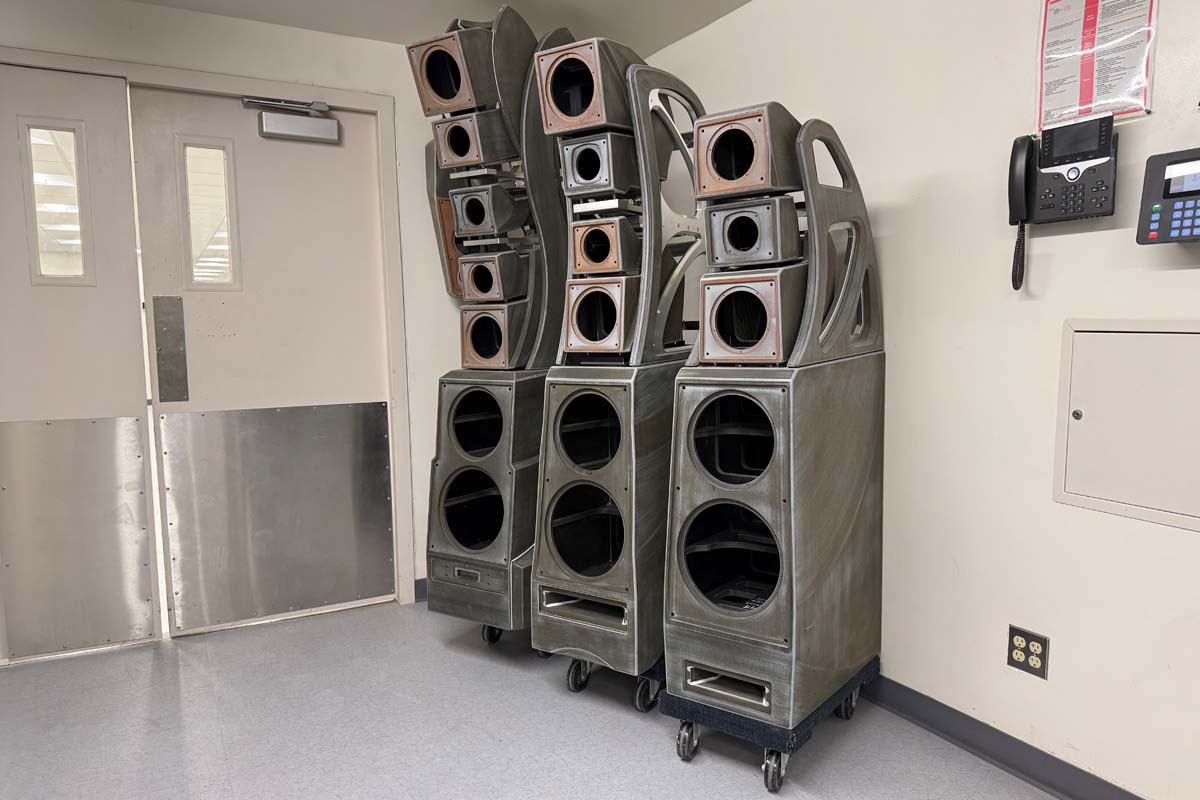
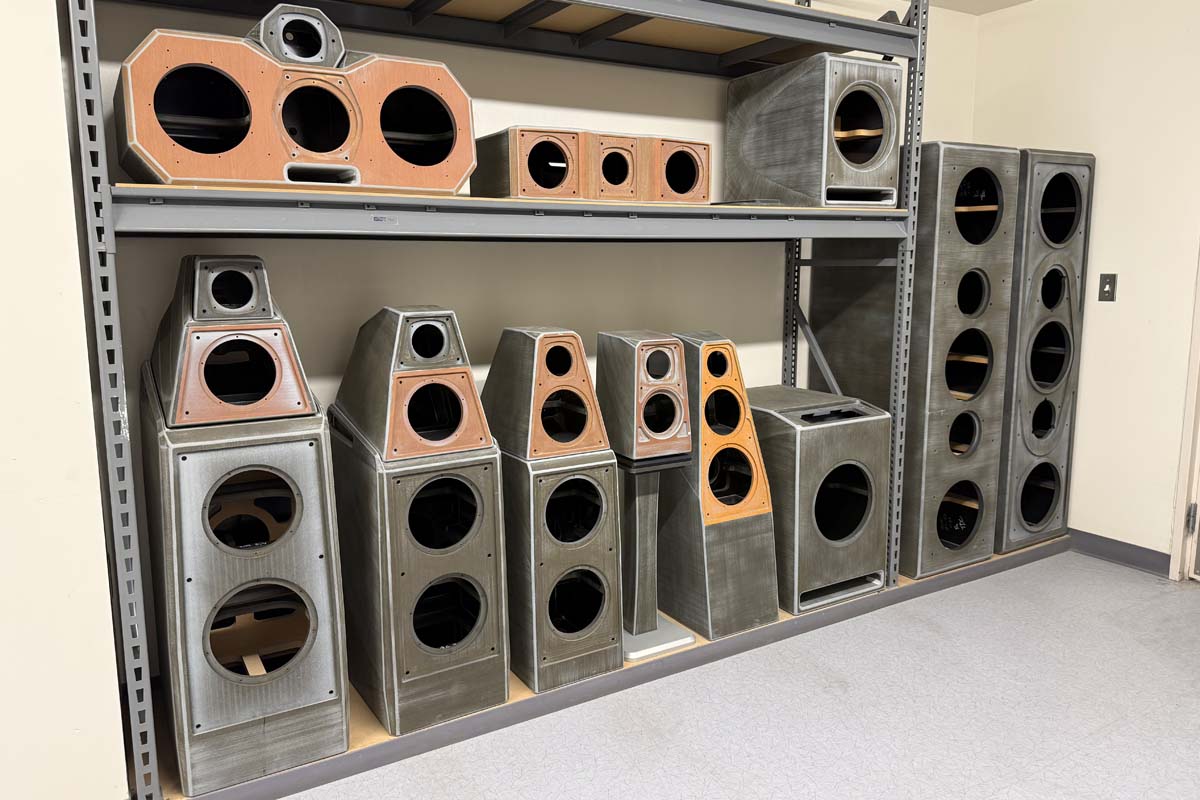
Still deeply impressed by what we had heard, we arrived for the third and final act in Wilson Audio’s production facilities. Some time ago, our colleague Carsten Barnbeck had already toured the Wilson factory and returned with much to report. The sheer expenditure of material, tool wear, and above all highly skilled craftsmanship borders on the extraordinary.
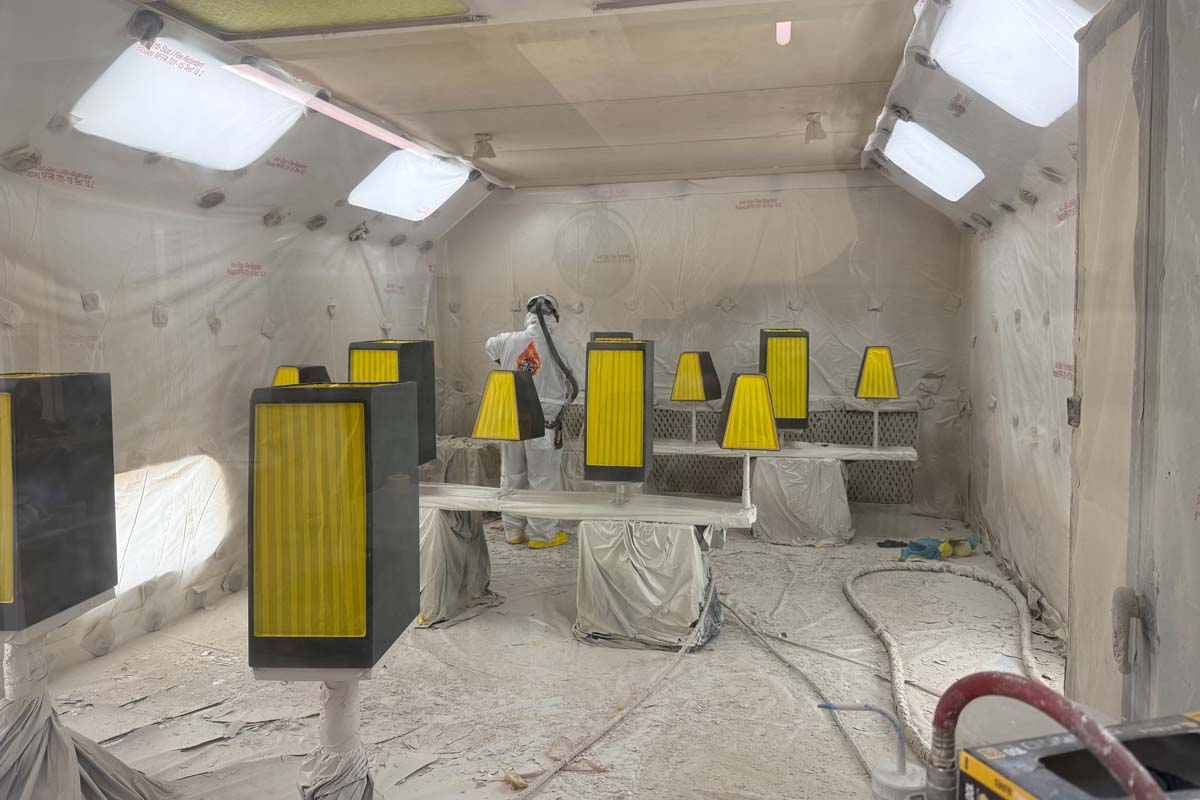
Around 70 employees spend their days assembling, sanding, painting, and polishing the company’s various models in production volumes that, by industrial manufacturing standards, might almost be described as homeopathic.
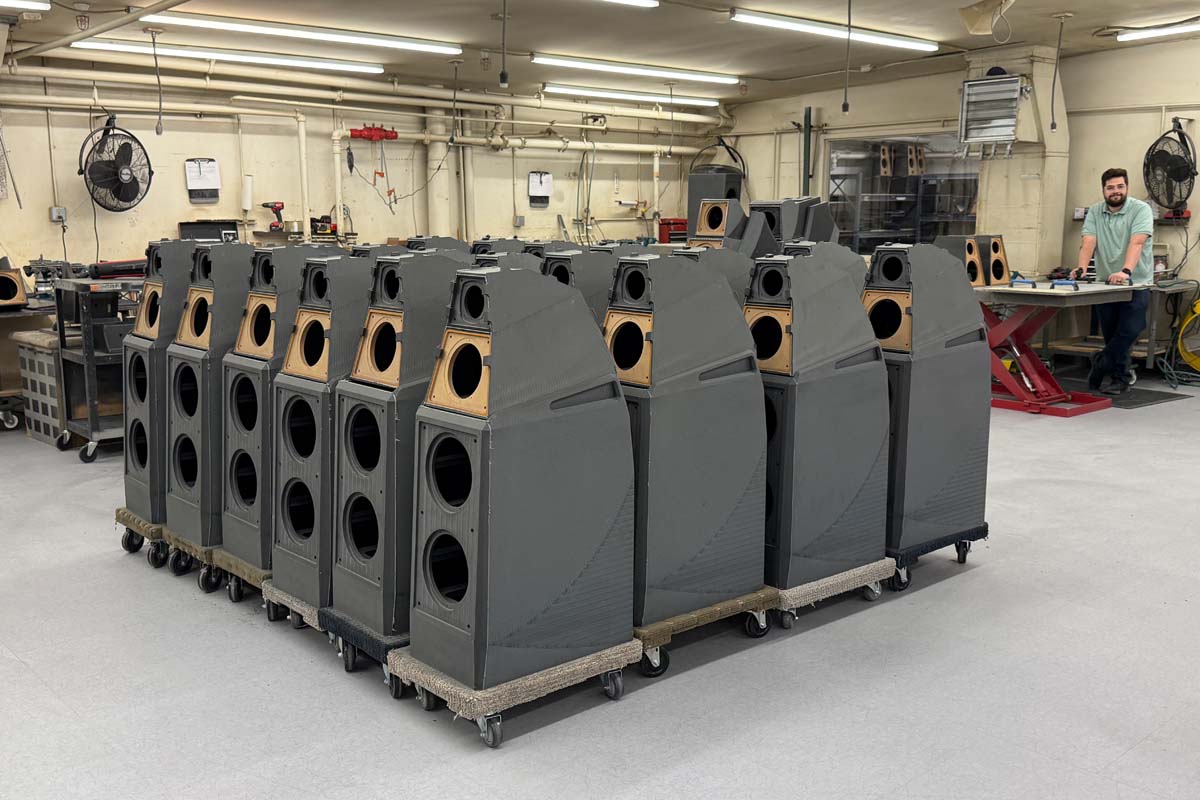
Even so, we were astonished to find well over half a dozen pairs of Autobiographys in various stages of completion on the factory floor. Evidently, when Wilson Audio announces something of this magnitude, the upper echelon of the audiophile world pays very close attention indeed.
The Wilson Audio Autobiography is an experience in the truest sense of the extraordinary. A loudspeaker capable of recalibrating one’s personal definition of what is possible. That is rare. And that is precisely why this day in Springville – and in the listening room of the Wilson family home – was more than a product presentation. It was an encounter with a new benchmark.