
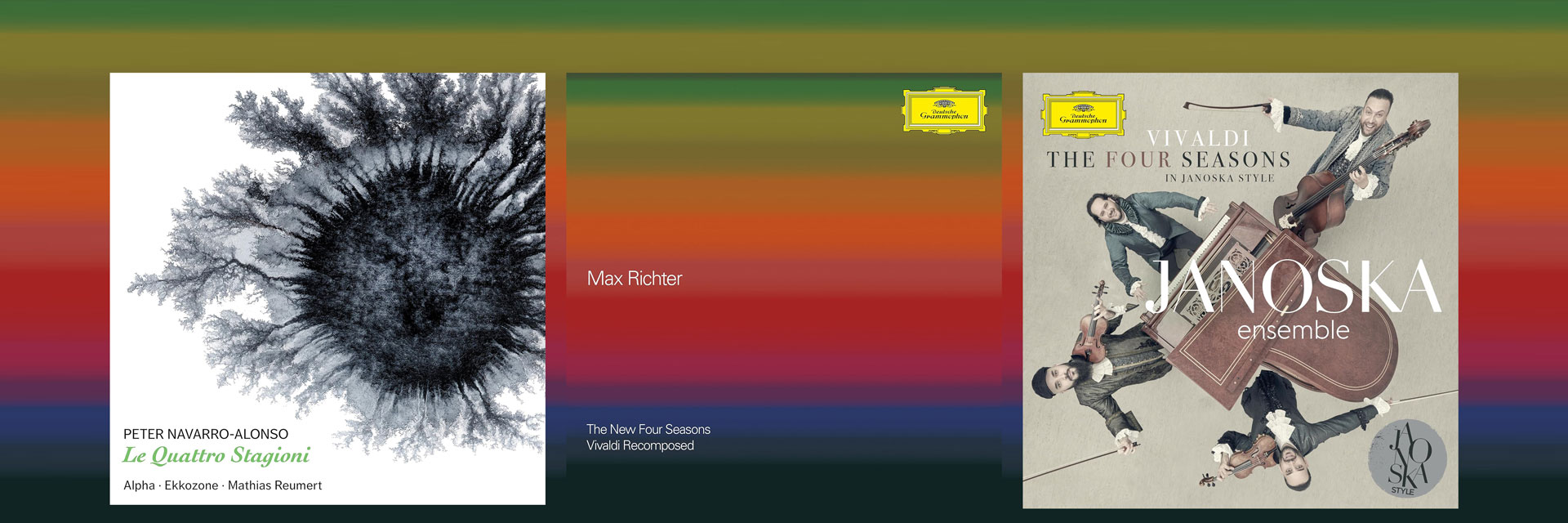
300 years old and yet more vibrant than ever, Vivaldi’s Le quattro stagioni remains alive and well. These four violin concertos, each in three movements and about 10 minutes long, have become an enduring favorite.
Kindly enough, Vivaldi wrote a sonnet for each of the four concertos explaining the musical “program.” In the opening movements, we are told, we mostly “hear” the wind and (in the Spring and Summer concertos) the birds as well – though in Autumn the subject is a drinking binge. In the slow middle movements, there is a great deal of sleeping: in Spring and Summer outdoors, in Autumn in a drunken stupor, and in Winter inside a warm home. The final movements are less predictable: a spring dance, a summer thunderstorm (the cycle’s greatest “hit”), an autumn hunt, and a winter day outdoors (complete with an ice storm). Through this “program,” the music contains more contrasts and drama than we are accustomed to from the Baroque era – and that is part of the reason for the success of The Four Seasons. As early as the 18th century, melodies from this work were used in potpourris, arranged for flute or hurdy-gurdy, and adapted for arias, cantatas, and motets.
Then came a pause. For almost 200 years, hardly anyone showed much interest in Vivaldi. It was only in the 20th century – with the advent of the record player! – that The Four Seasons became a classical blockbuster. Recordings multiplied – whether in lush symphonic sound or (from 1977 onward) in historically informed performances. Young soloists celebrated their breakthroughs with this work – Anne-Sophie Mutter in 1984 and Nigel Kennedy in 1989, for example. The constant demand for ever “fresher” interpretive approaches eventually turned The Four Seasons into the crossover object par excellence. It was jazzed up, rocked out, and blues-infused, and transcribed hundreds of times: for choirs, wind ensembles, guitars, harps, and pianos. The solo violin occasionally had to yield to the recorder, the pan flute, the accordion, or the marimba. Versions and partial versions emerged for Japanese, Chinese, and Korean instruments, for synthesizers, computers, surf or metal guitars, and for pop and New Age vocals. There seems to be nothing that hasn’t been done – and yet, they keep coming.
Max Richter’s “recomposition” for violin, chamber orchestra, and synthesizer attracted considerable attention. His work extracts only individual figures and motifs from Vivaldi, repeating and varying them, carrying them forward in a minimalist fashion.
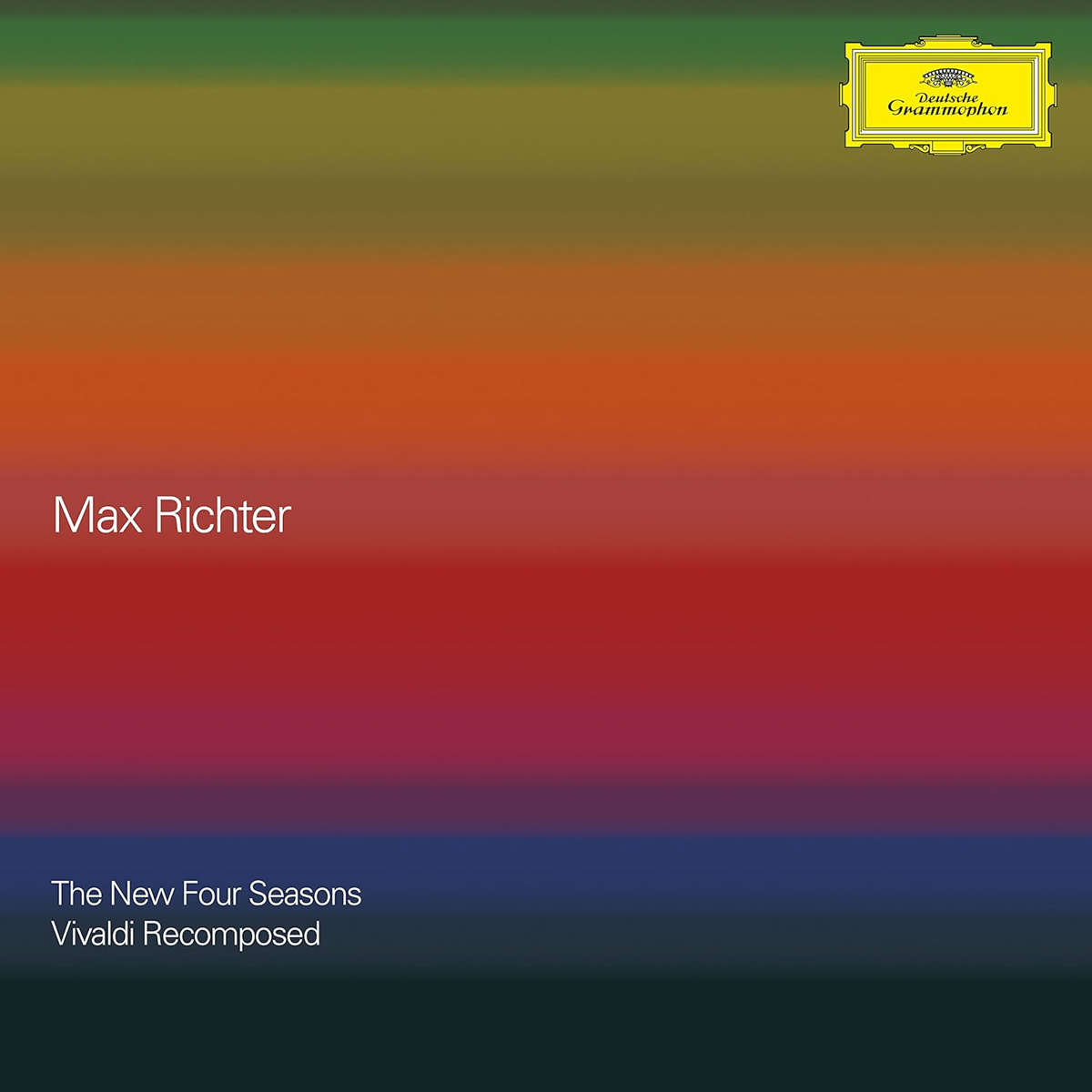
At the same time, the synthesizer and pulsating rhythm create a distinctly modern bridge to the sound of electronic dance beats. The trance effect of Richter’s cycle even brought the album Recomposed into the international pop charts in 2014. Yet Richter – much like Nigel Kennedy (1989/2014) – is a repeat Vivaldi offender. In 2022, a “new version” of his recomposition appeared – this time with historical violins, gut strings, and an older Moog synthesizer with a rougher sound. The New Four Seasons (DG, 2022) is the more expressive and more powerful version.
The ambitious “recomposing” of Vivaldi’s work quickly inspired imitators – among them Karl Aage Rasmussen and Peter Navarro-Alonso. The latter is a member of Trio Alpha, a highly unconventional ensemble featuring flute, saxophone, and percussion. Navarro-Alonso’s Le Quattro Stagioni (DaCapo, 2018) is essentially a concerto grosso for Trio Alpha and string orchestra.
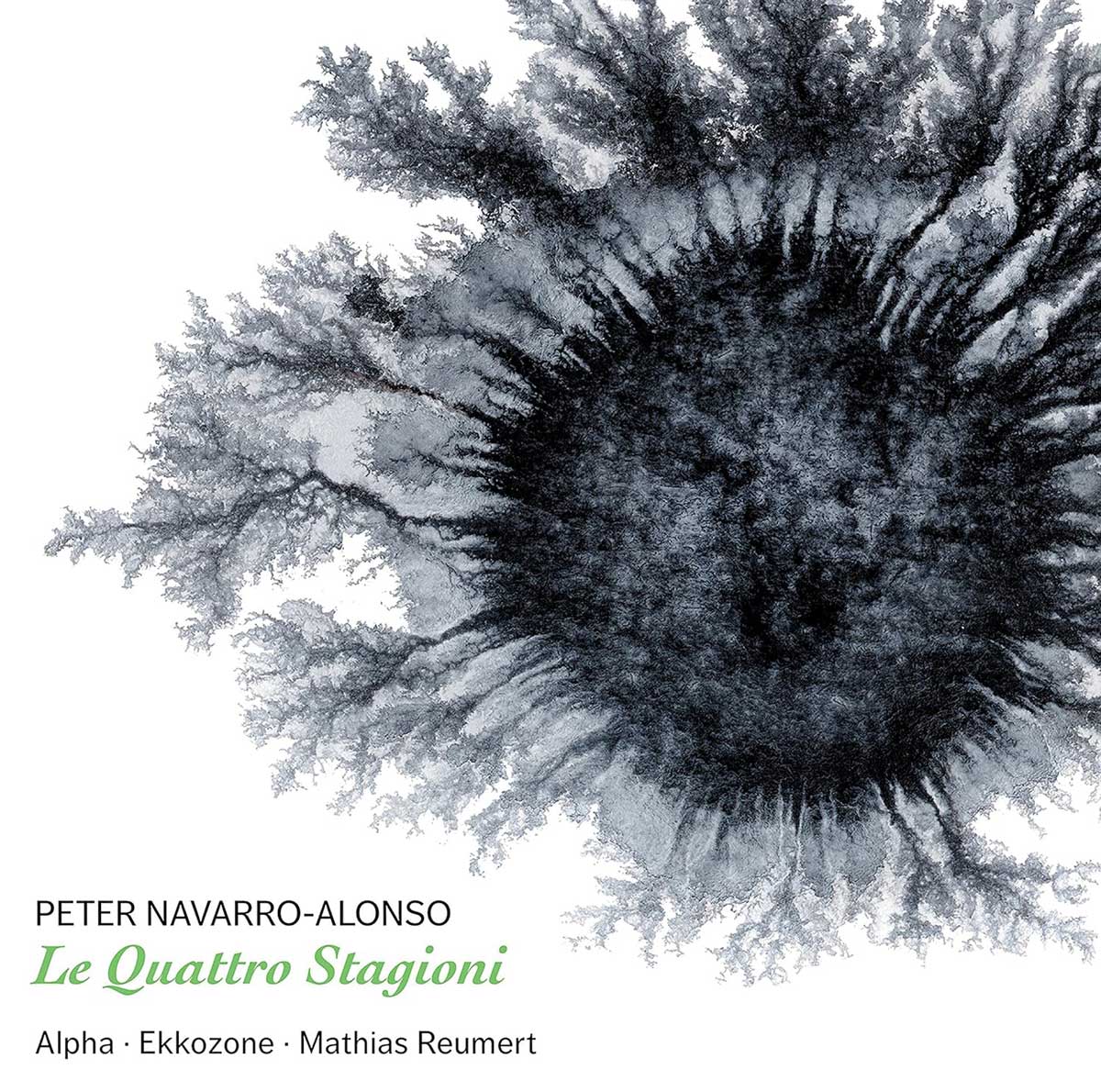
Elements of Vivaldi’s “Spring” form the beginning here, “Summer” becomes the scherzo, “Autumn” the slow movement, and “Winter” the presto finale. Navarro-Alonso’s work likewise relies on the rhythmic power of pulsation. But whereas Richter created a harmonically reduced trance music, this work becomes a highly dynamic and percussive piece with modern dissonances and exciting polyrhythms.
Another original adaptation comes from the Janoska Ensemble: The Four Seasons In Janoska Style (DG, 2024). We hear a quartet with two violins, double bass, and piano – a mixture of chamber ensemble, jazz band, and Viennese salon orchestra. The direction the Janoskas are taking is already clear from the subtitles of the twelve movements, such as “The Groovy Birds” (I.1), “The Irish Wedding” (I.3), “Caribbean Vibes” (II.1), “7/8 Balkan Journey” (III.1), or “The Hunter And The Jazzy Fox” (III.3).
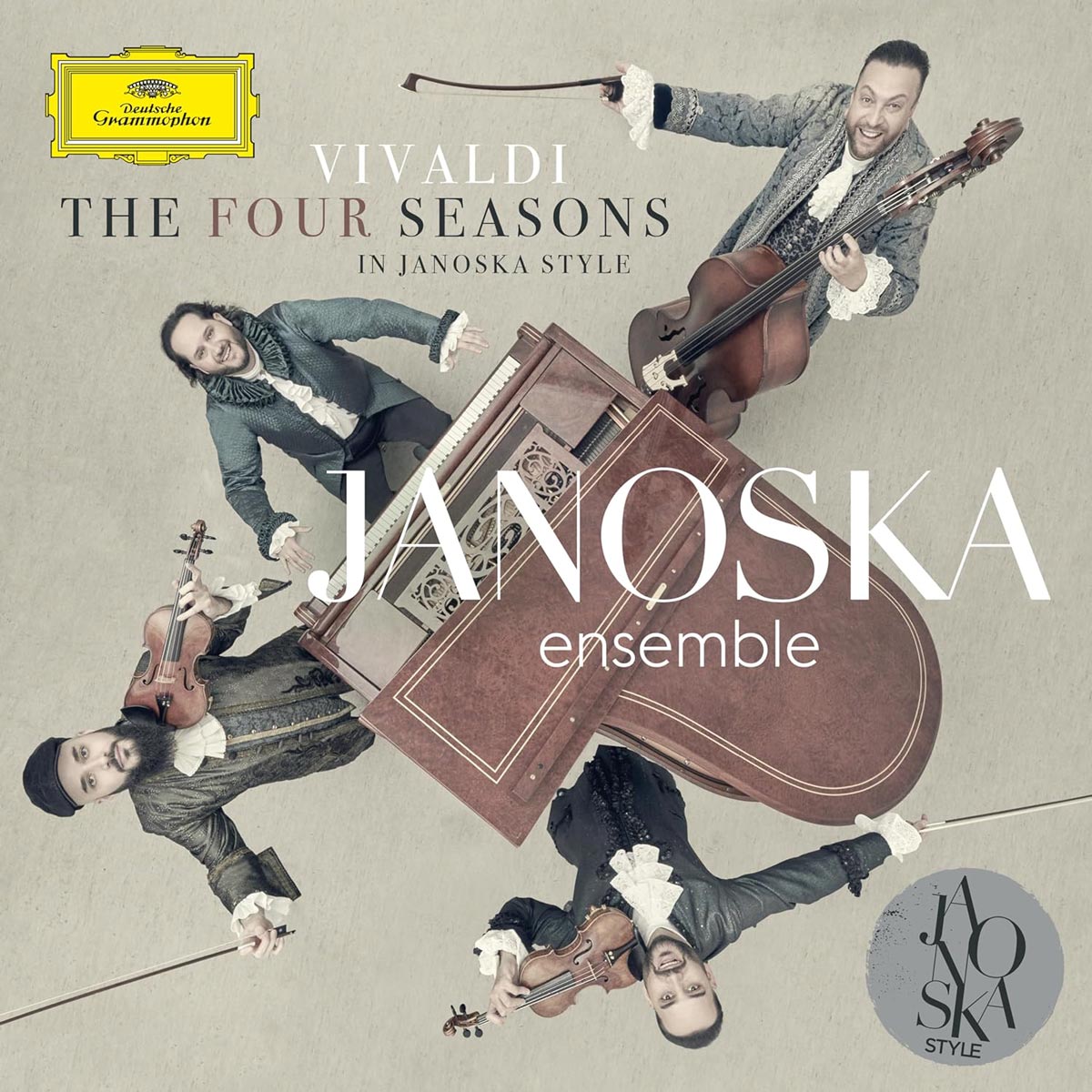
We can expect highly convincing reinterpretations in the spirit of world music and jazz, mixed with ironic references to Romantic music, the Hungarian gypsy violin tradition, or the swooning sentimentality of the Viennese waltz. All of it is performed with great virtuoso musicianship, infectious good humor, and joyful improvisational artistry.