
Did you know that Japan’s infamous “overtourism” problem is really just a matter of distribution? The reason the country can feel so jam-packed is that most visitors to Japan aren’t particularly creative and congregate at the same four or five hotspots in Tokyo and Kyoto. So by all means, come to Kanazawa sometime. There’s more room here, along with plenty of art and culture for both the eyes and the ears.
Admittedly, Kanazawa isn’t exactly a hidden gem anymore, either. Ever since the Shinkansen line from Nagano reached the city in 2015, dramatically improving accessibility, the social-media hype train (“Little Kyoto”) has been chugging along just as merrily as its physical equivalent. Fortunately, tourists aren’t terribly imaginative here, either, and tend to congregate mainly in the very pleasant but rather touristy Higashi Chaya district. The castle, the samurai district with its open-to-the-public residences, the shrines and temples, and above all Kenroku-en, one of Japan’s three most celebrated landscape gardens, remain comparatively unmolested by the crowds. And right in the middle of this cluster of tourist attractions sits a little gem that is particularly fascinating for us audiophiles: the Kanazawa Phonograph Museum.
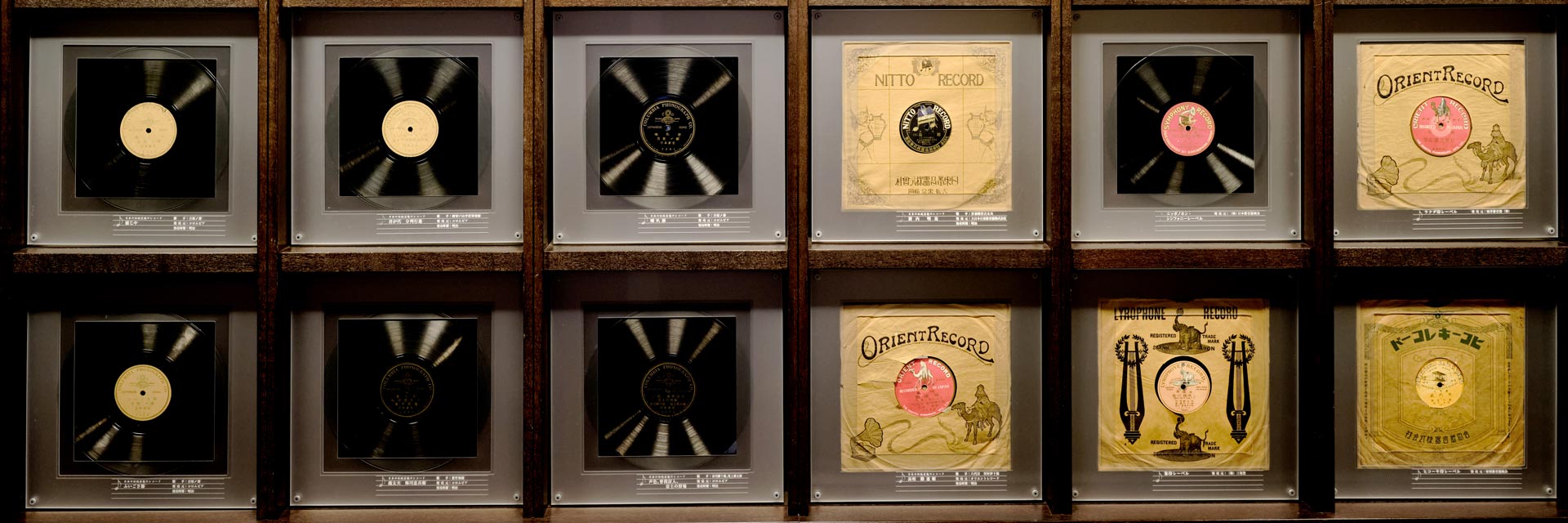
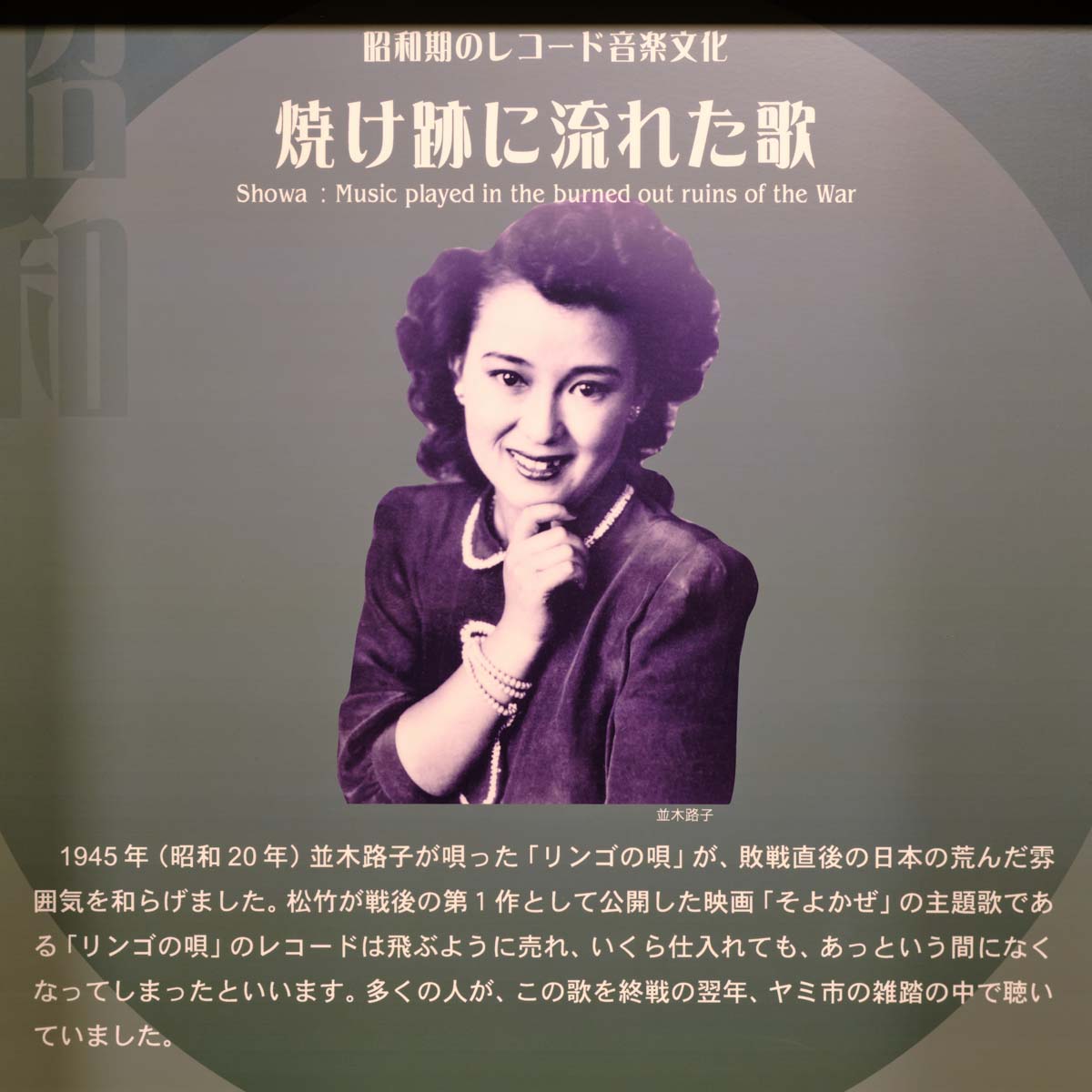
Although the museum is considerably younger than most of the city’s sights, it has been around since 2001, and its origins go back several decades further – to audio enthusiast Hiroshi Yokaichiya. Before World War II, he owned a phonograph shop, which he eventually gave up when the era of mechanical record players came to an end. That could have been the end of a short and uneventful story, had Yokaichiya not happened upon a discarded phonograph in the 1970s. Taking pity on the forlorn machine and inspired to do something about it, he brought it home, successfully restored it, and began acquiring more period equipment and the records to go with it. Eventually, his collection grew to no fewer than 540 playback machines and 20,000 recordings.
Yokaichiya eventually donated the collection, now known as the Yamachiku Collection, to the city of Kanazawa. It is considered one of the most important collections of its kind in Japan, and it made such an impression that the city decided to make it accessible to the public. Thus, the Kanazawa Phonograph Museum was established in 2001, with none other than Yokaichiya himself appointed to run it. He passed away just two years after the museum opened, but fortunately he had managed to pass his passion on to his eldest son, Noriyuki, who continues to run the museum and lovingly maintain and curate the collection to this day.
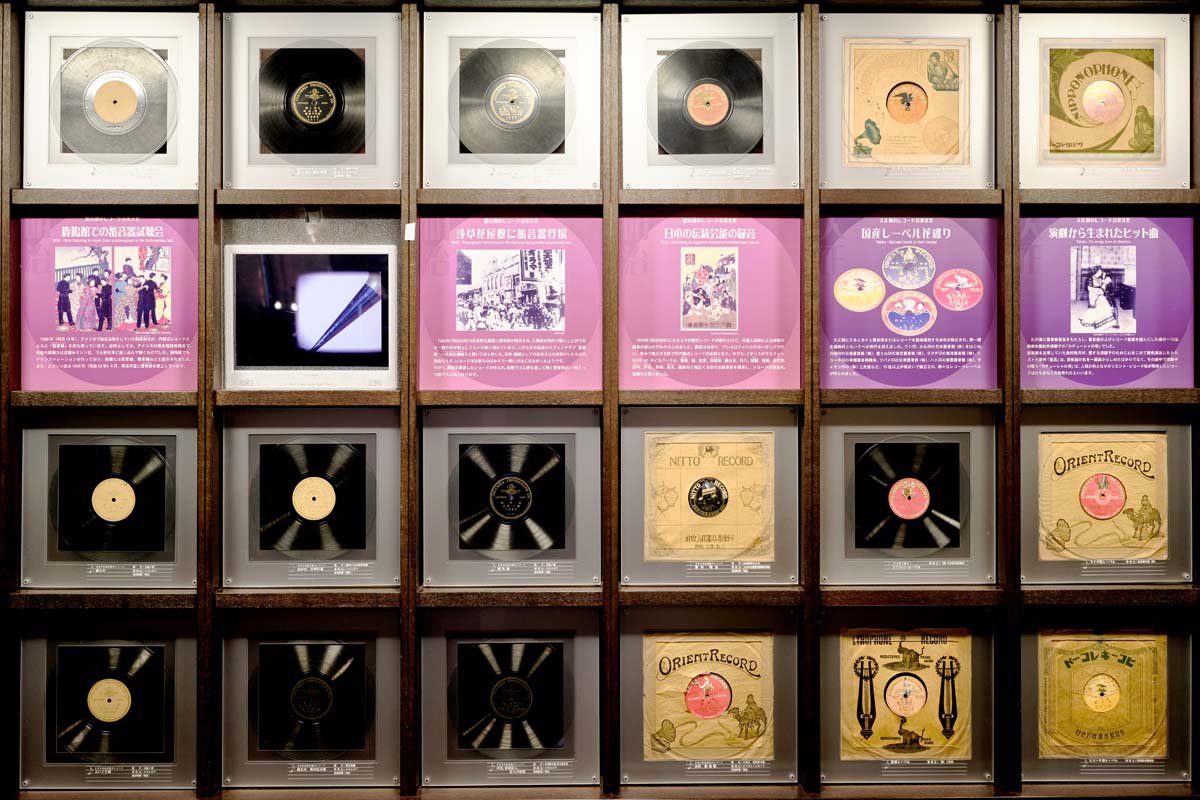
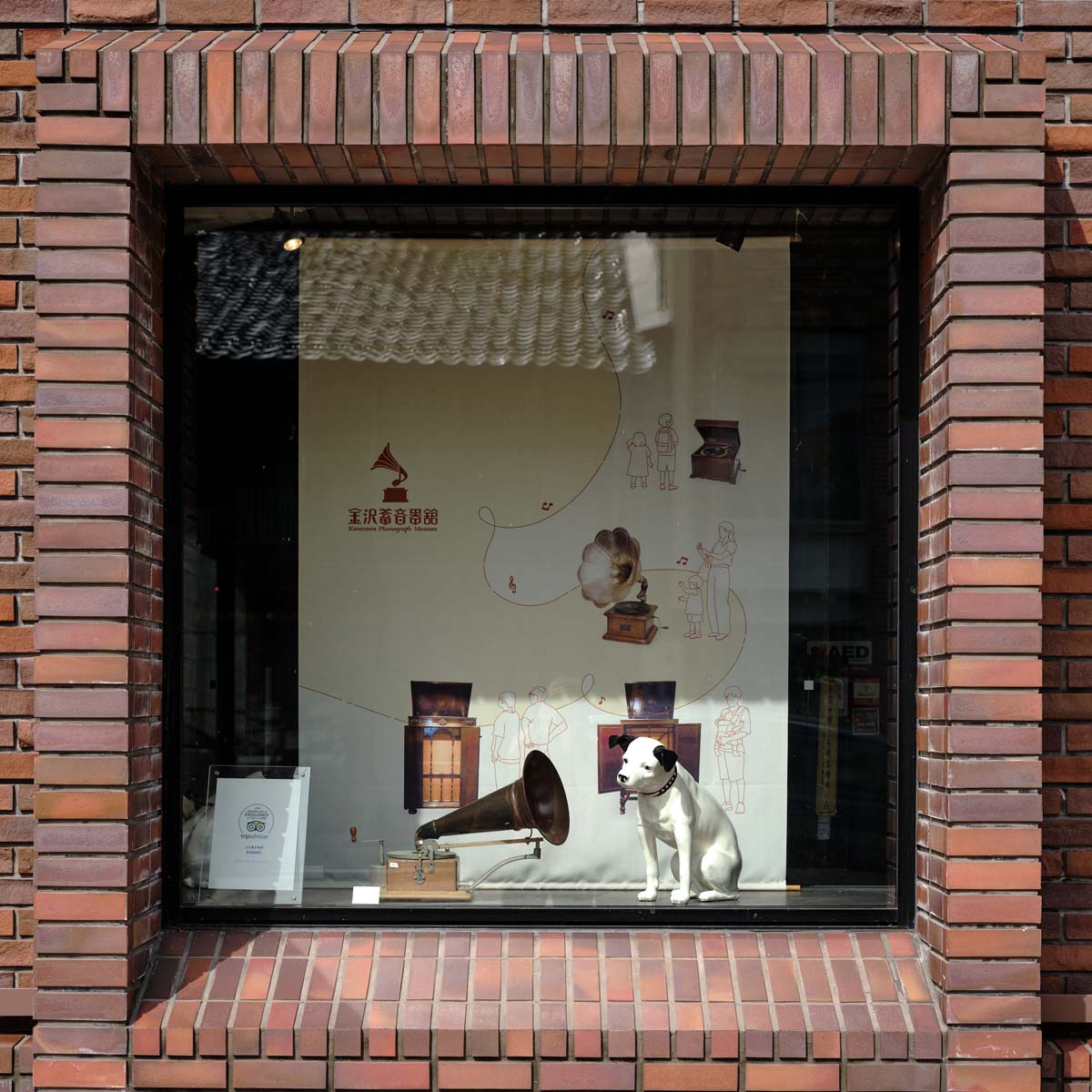
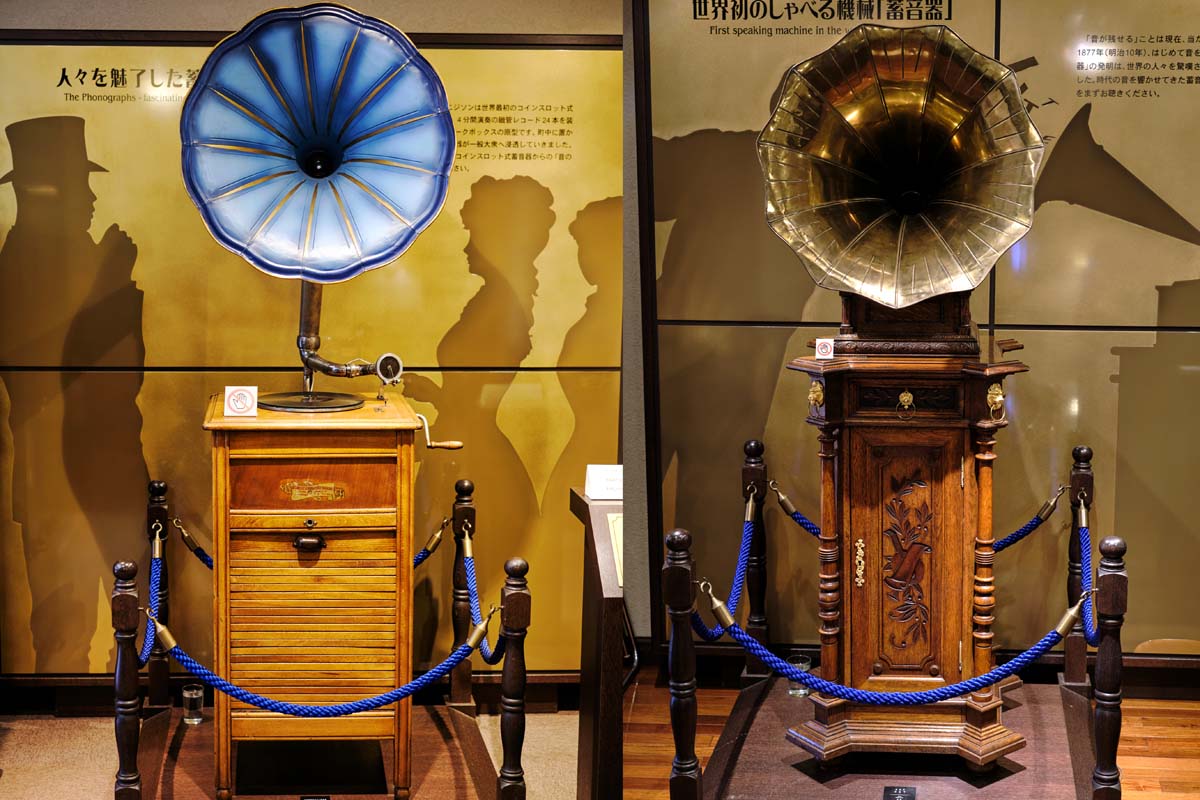
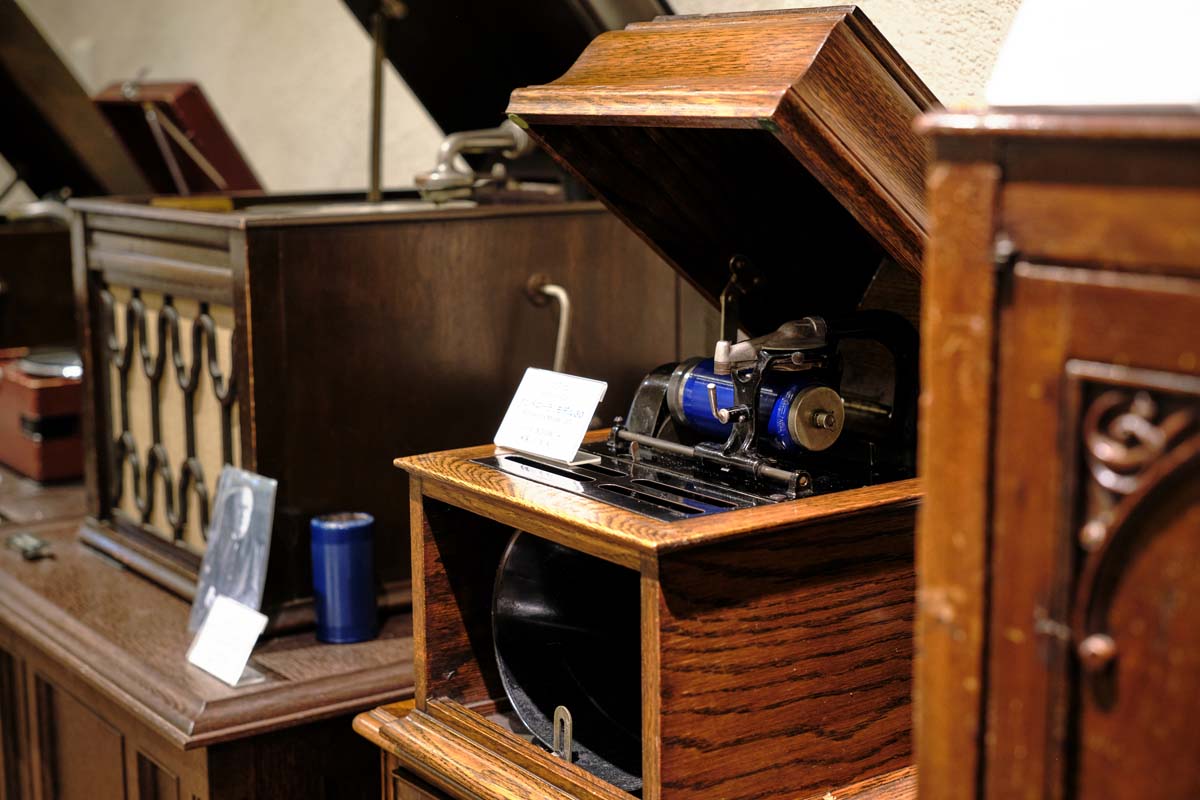
The three-story corner building housing the exhibition is a new structure deliberately designed in an old-fashioned exposed-brick style. It lies roughly halfway between Kanazawa Castle and the aforementioned Higashi Chaya district, about a 25-minute walk from Kanazawa Station. Most of the exhibits spread across the three floors are gramophones from the first half of the 20th century. Machines by Brunswick, His Master’s Voice, Victrola, and others stand in neat rows along the walls. There are also other period exhibits to admire, including player pianos and mechanical music machines.
Dozens of historic music machines and countless recordings in excellent condition would easily justify the ¥310 admission fee (about €1.80) on their own, but this museum isn’t about worshiping the ashes – it’s about keeping the fire alive. Three times a day, there is a 30-minute demonstration during which the machines are put into operation for listening sessions. Between selections, the demonstrator explains the history and technical characteristics of the respective models. The presentations, naturally, are in Japanese, but English-language information sheets are available for foreign visitors to follow along.
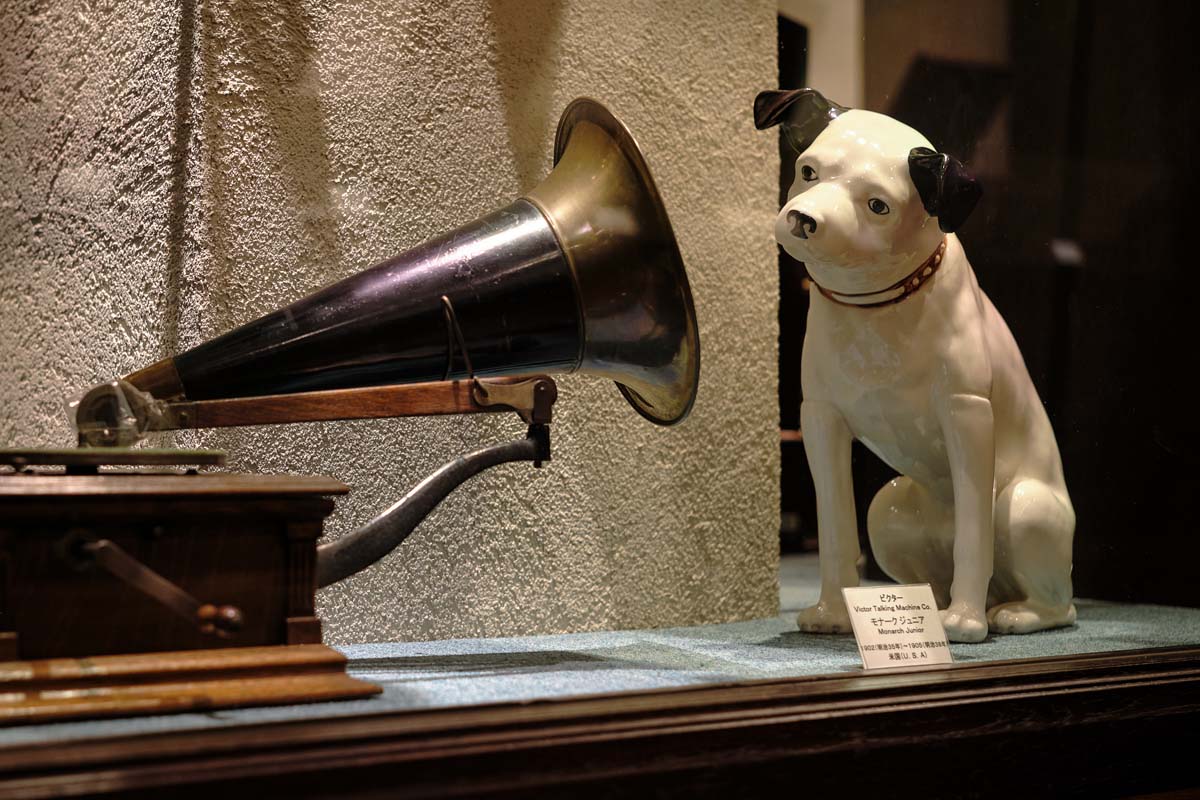

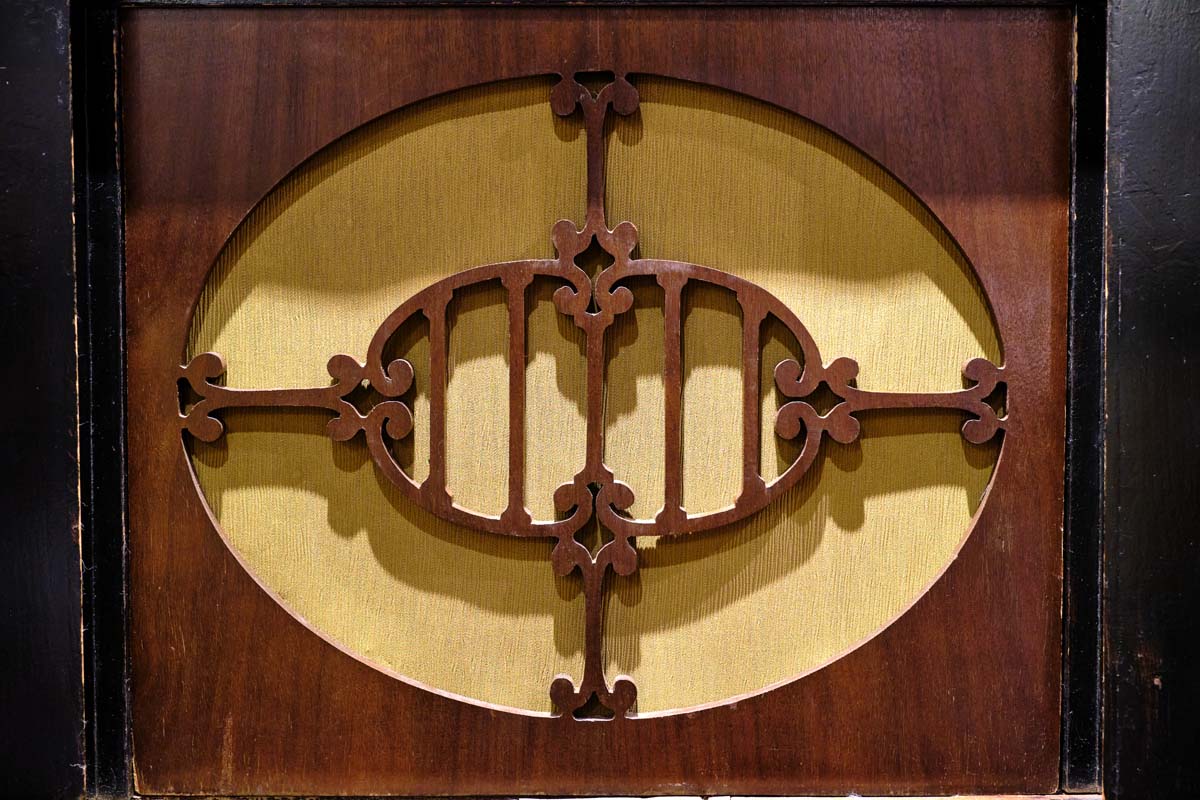
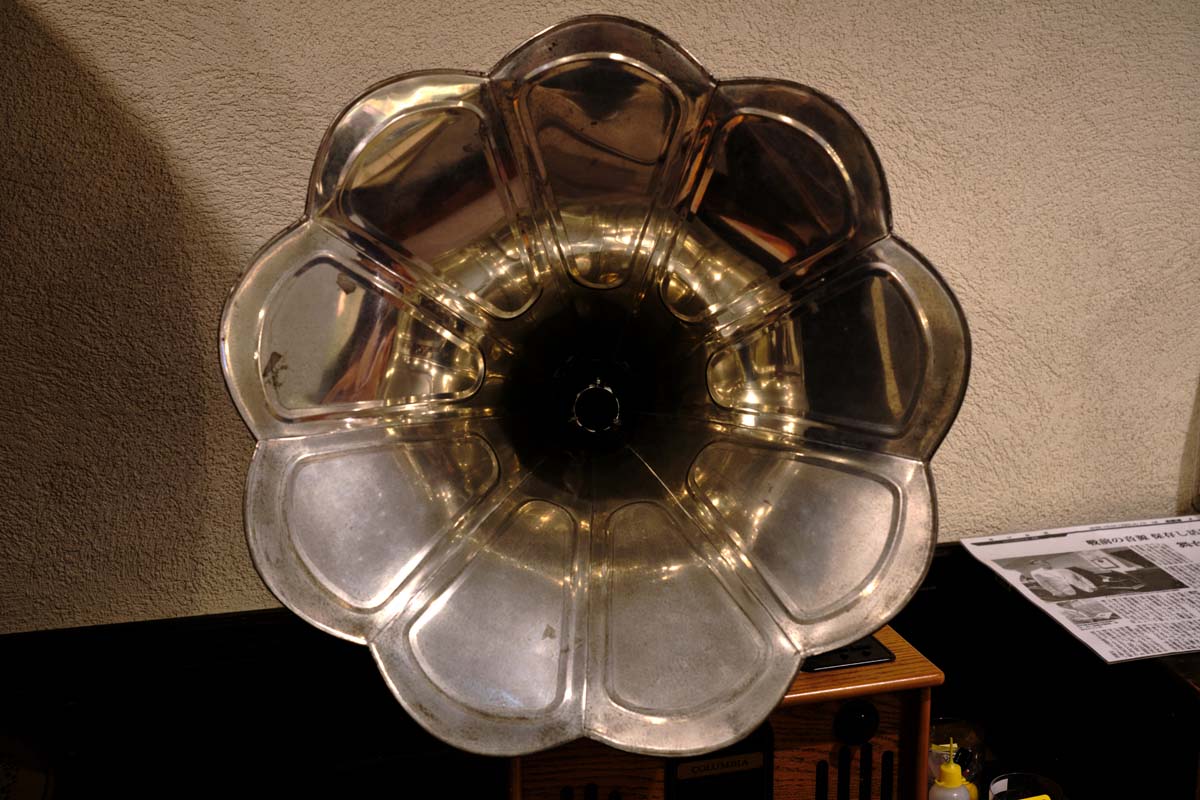
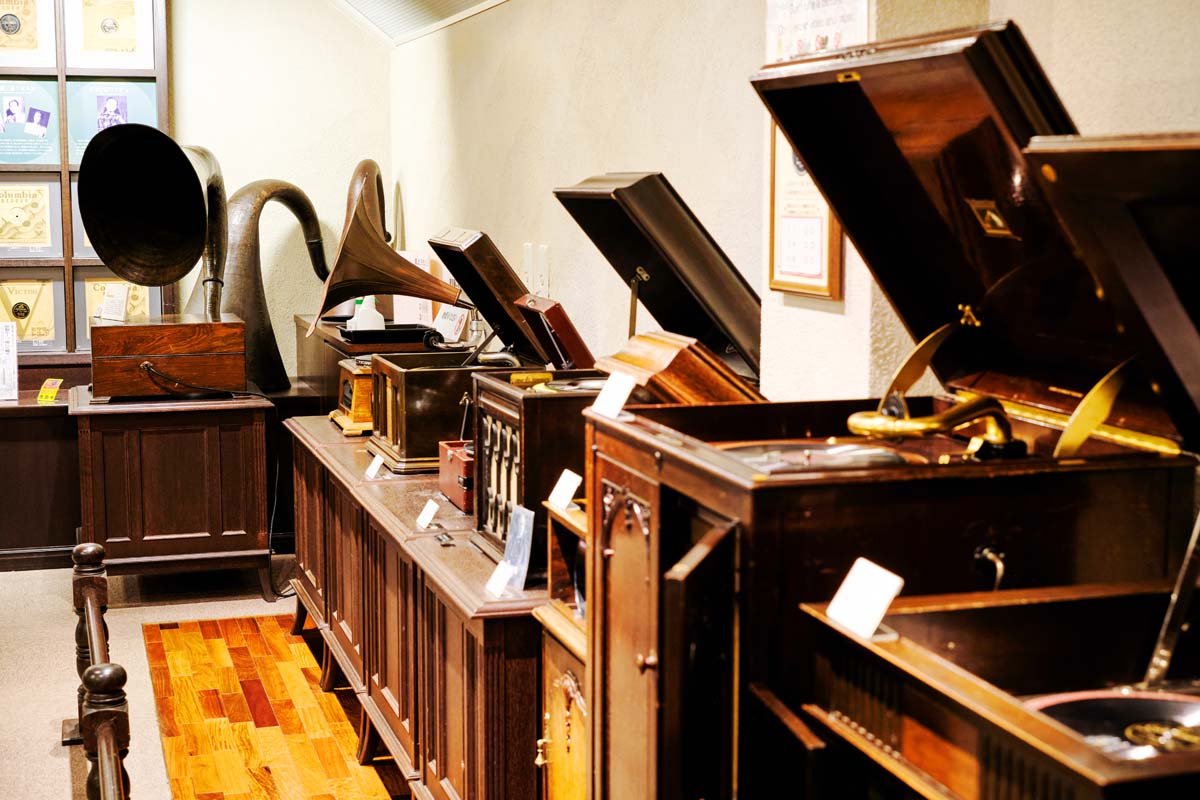
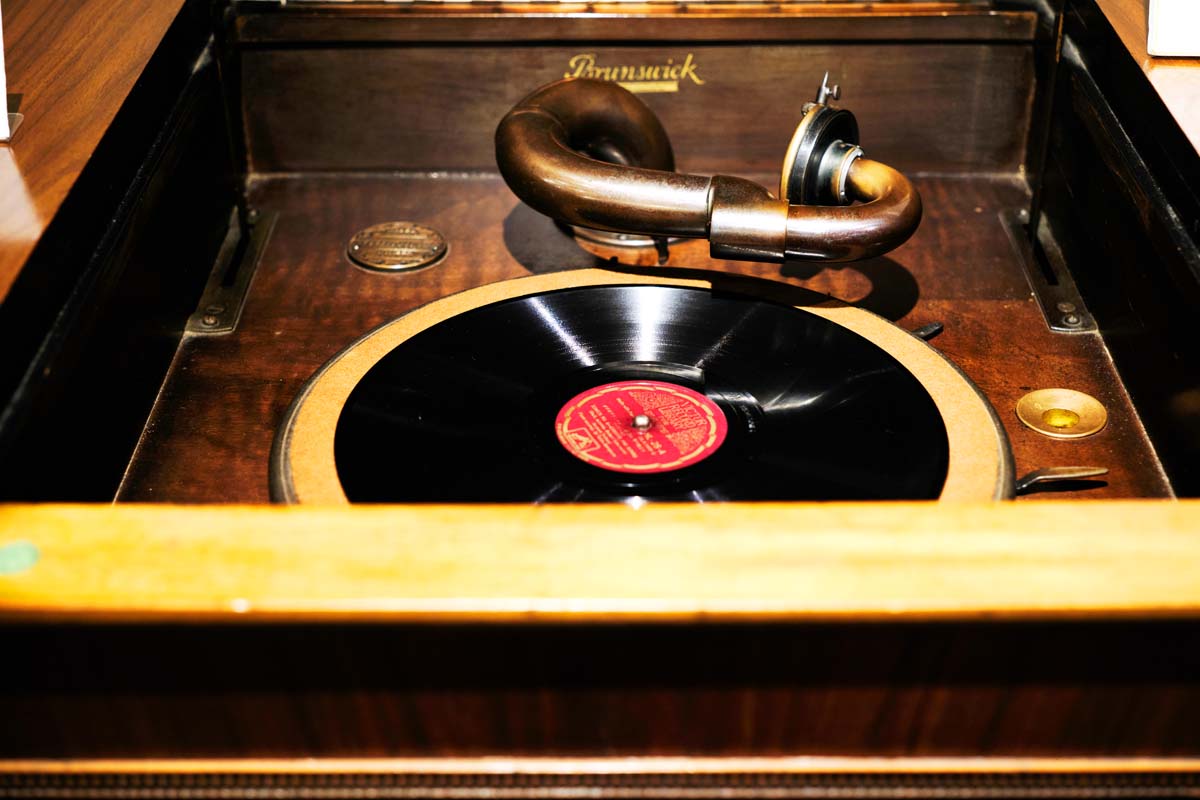
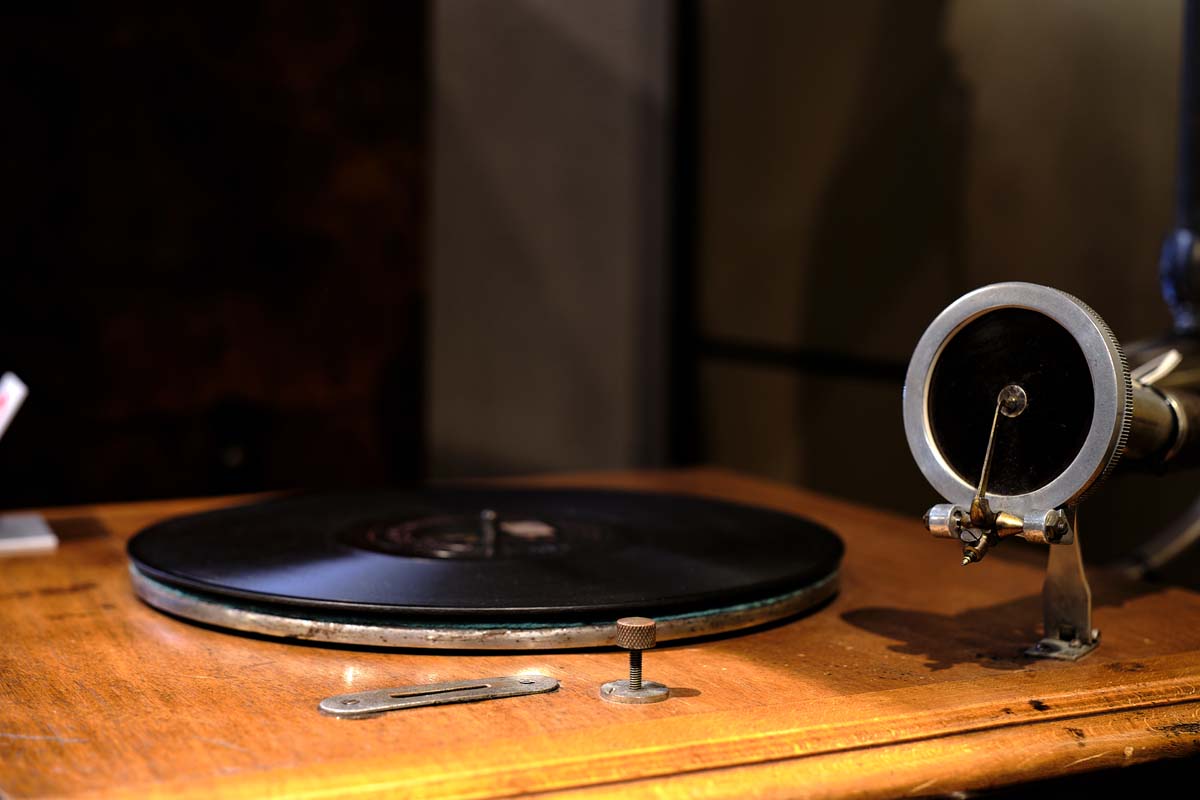
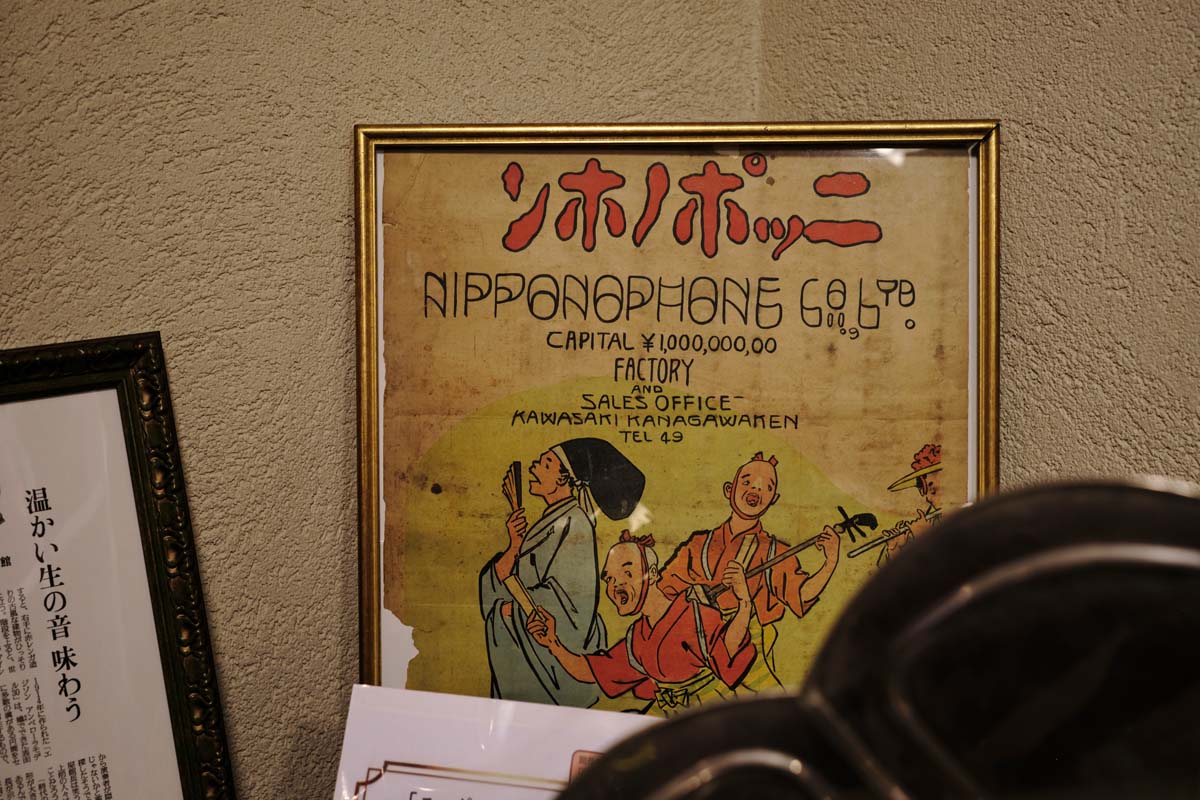
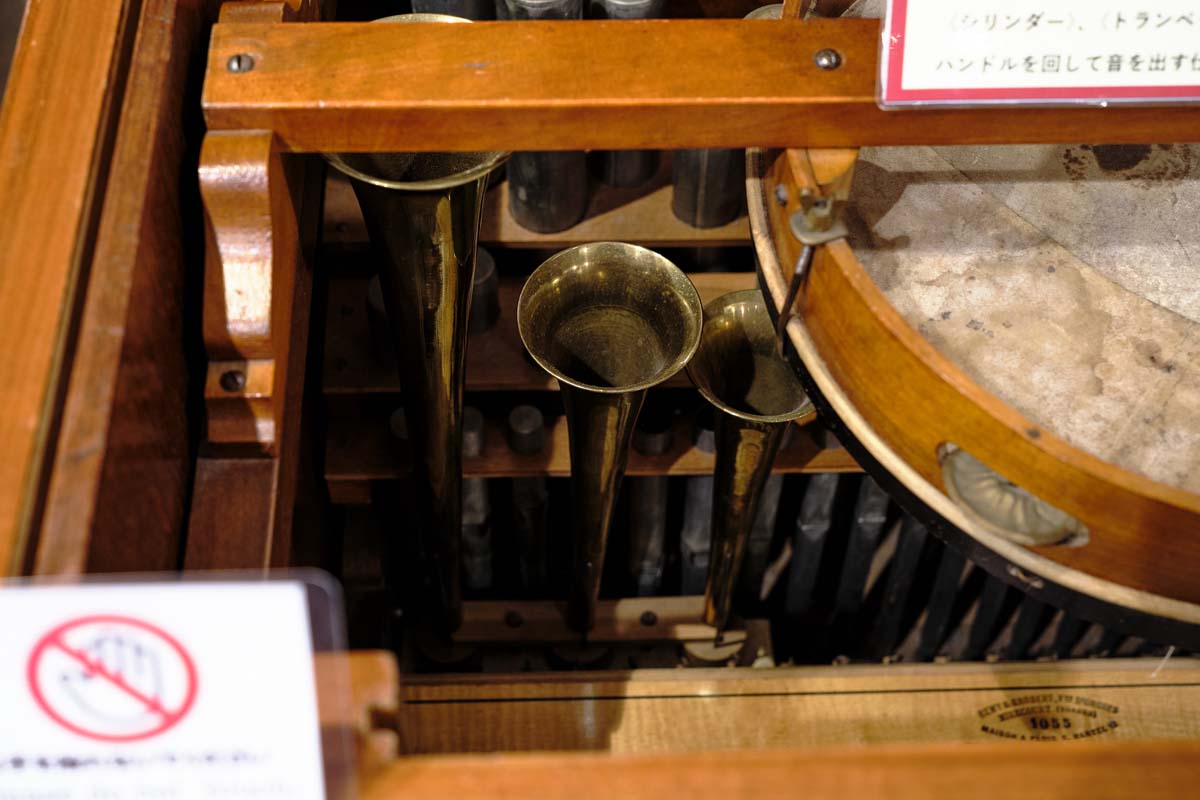
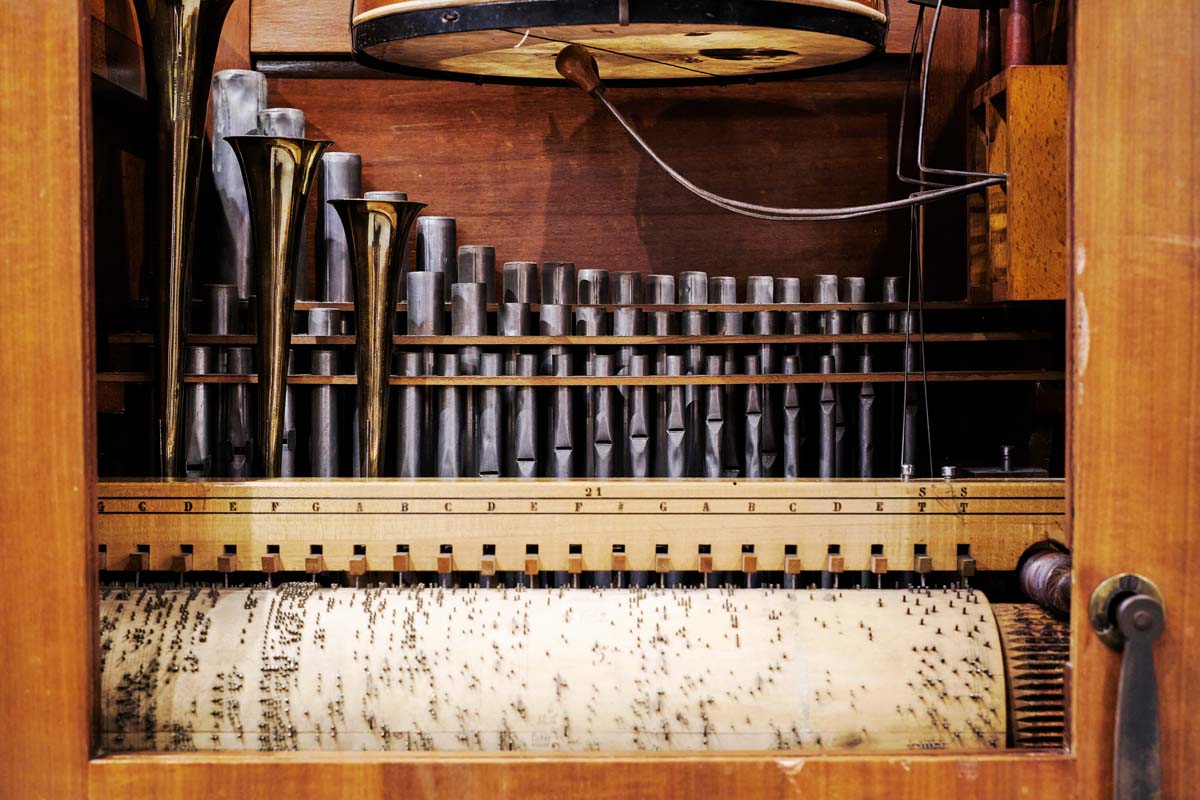
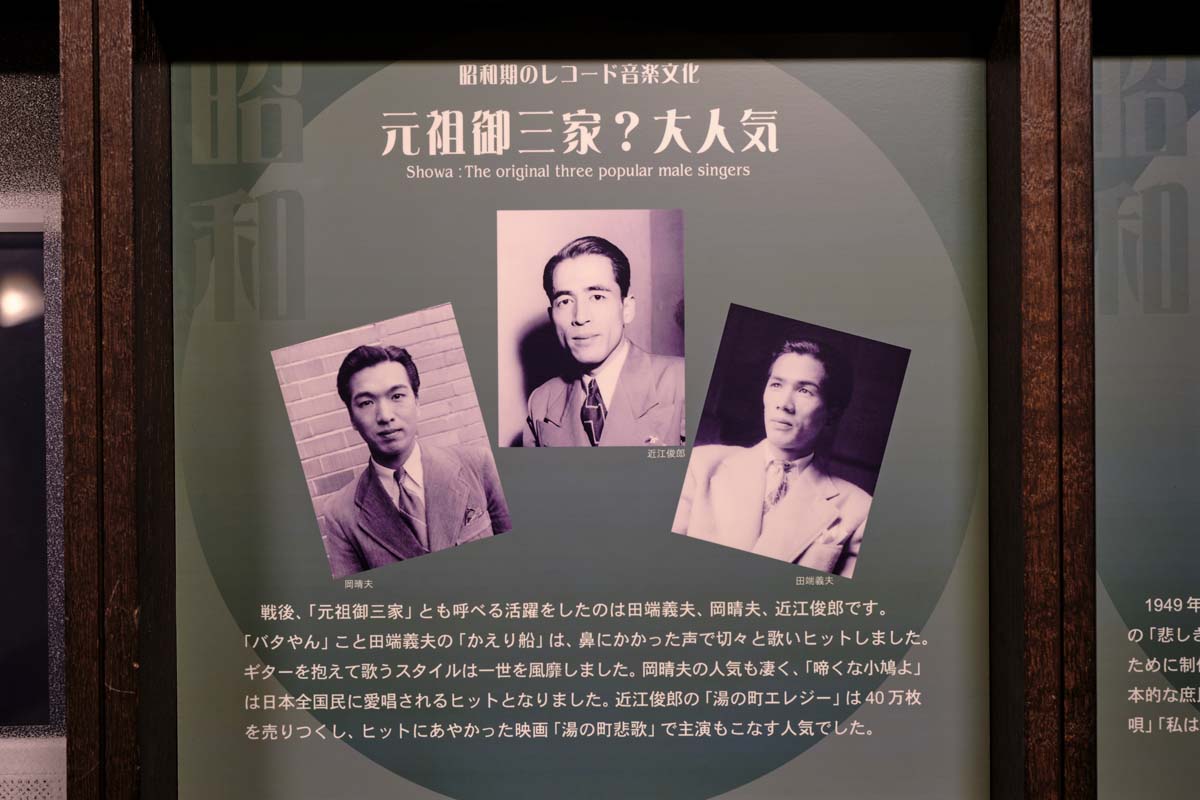
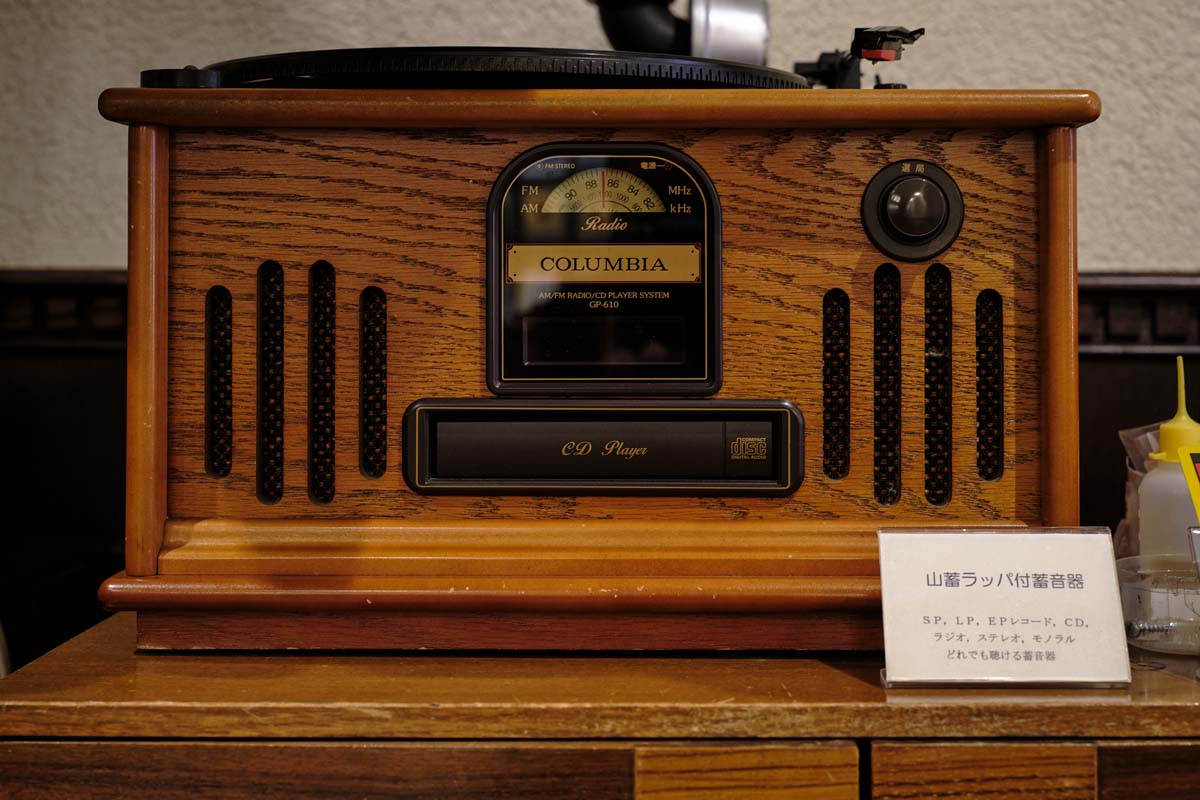
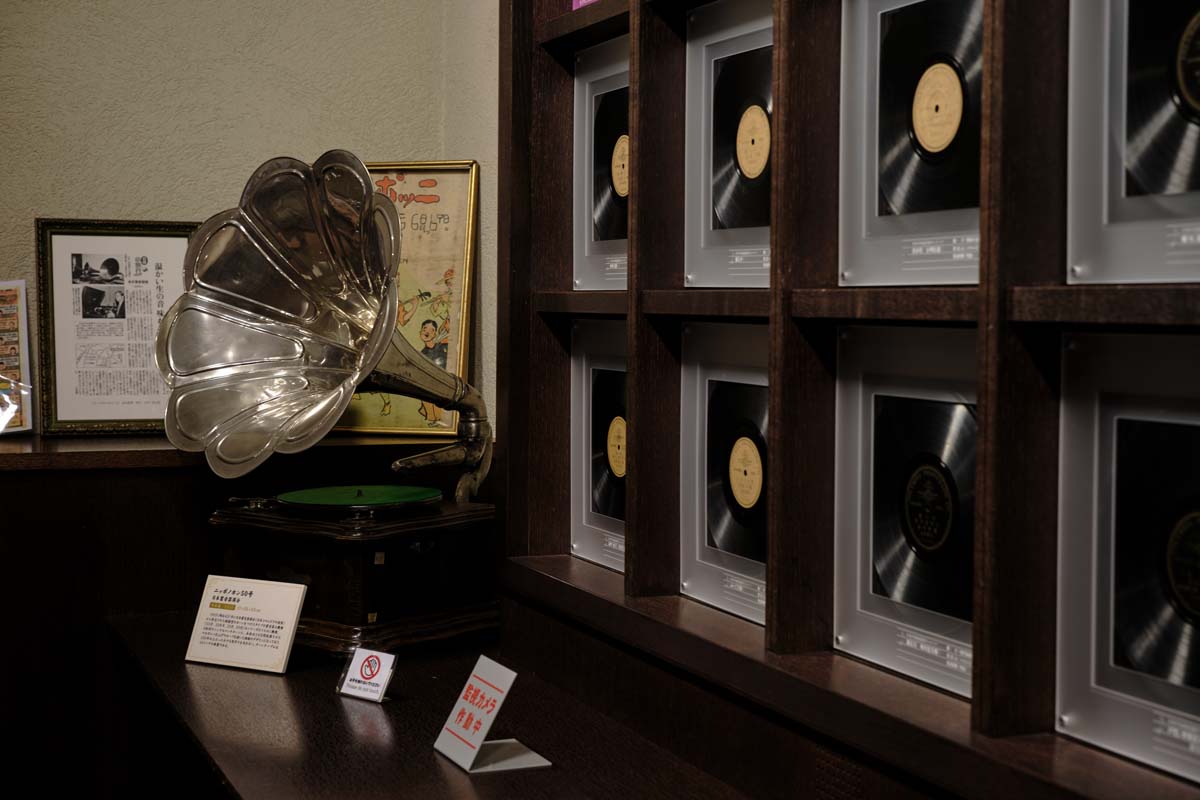
Hearing more than 100-year-old hi-fi components play material that, as we all know, doesn’t last forever can inspire a certain sense of awe – and amazement. Anyone imagining that the sound will be scratchy and tinny would be partly right. Naturally, we are light-years away from modern hi-fi. Nevertheless, it is astonishing how different – and how good – the various machines can sound, provided, of course, that your expectations are properly calibrated. When you consider that we are talking about purely mechanical music reproduction, in which the physical movement of the needle literally is the entire musical output, you can’t help but tip your hat respectfully to what was already possible in the Neolithic Age of hi-fi.
My personal favorite is the Brunswick machine, which uses its wooden horn to project a surprisingly rich, organic sound into the room. Euphonious, I know, but I don’t care.
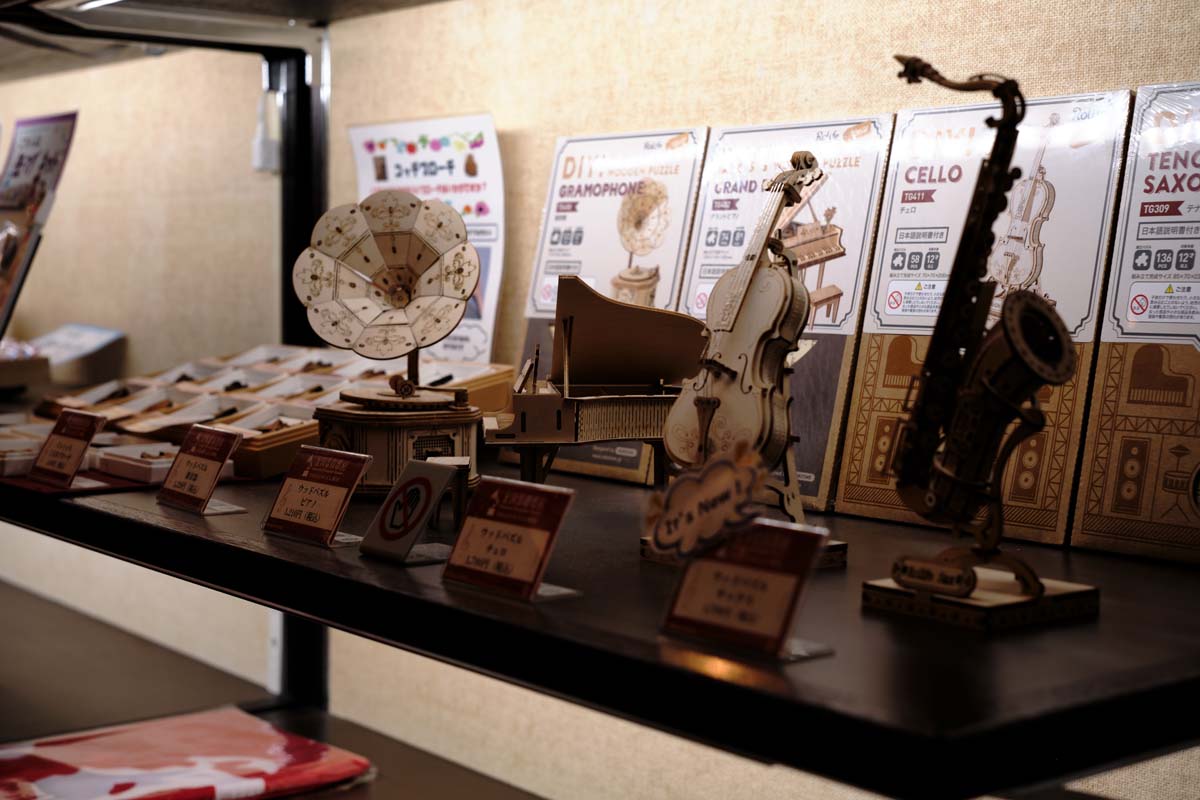
If you make your way here on a Sunday, you can also hear a self-playing piano from 1927, in addition to the wax and shellac records on the ground floor. And if you want to take some of the experience home with you, you can purchase recordings made on the various phonographs at the obligatory souvenir shop – on CD, naturally.
Kanazawa Phonograph Museum
Owari-cho 2-11-21
Kanazawa
Ishikawa 920-0902
Japan
Phone: +81 76 2323066
Fax: +81 76 2323079
Hours
Daily except Tuesdays, 10:00 a.m. – 5:30 p.m.
Demonstrations: 11:00 a.m., 2:00 p.m., and 4:00 p.m.
www.kanazawa-museum.jp/chikuonki